
Main Courses
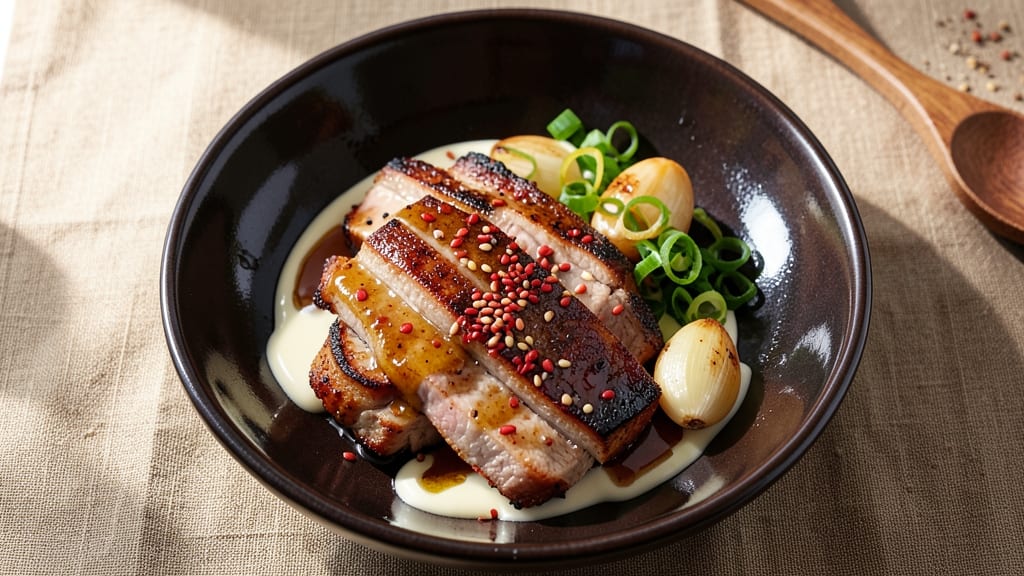
This miso glazed pork tenderloin delivers restaurant-quality tenderness with a perfect balance of umami and sweetness—exactly what I serve at The Smoky Pig when I want to impress.
The secret lies in marinating the pork overnight, which transforms tough tenderloin into melt-in-your-mouth perfection while the miso glaze caramelizes into a sticky, savory crust. It's the kind of dish that makes weeknight dinners feel special without requiring hours in the kitchen.
The technique is straightforward but precise: a quick sear in a hot pan locks in juices, then a finish in the oven ensures even cooking.
I use white miso for a cleaner flavor profile that won't overpower the delicate pork, then balance it with honey and a splash of soy sauce. This isn't just another pork recipe—it's a showstopper that pairs beautifully with steamed jasmine rice and quick-pickled vegetables to cut through the richness.
What you'll end up with is silky, juicy pork with a glossy glaze that's both sweet and salty, offering that perfect umami kick. The exterior stays tender rather than tough, and every bite delivers that complex flavor that makes people ask for seconds.
This is the kind of dish that elevates simple weeknight meals into something memorable.
Serve with a side of garlic green beans or a simple arugula salad to round out the meal. The leftovers reheat beautifully too, making this an excellent recipe for meal prep. Let's get cooking!
Ingredients for miso pork tenderloin
Restaurant-quality umami and sweetness start with these simple, high-impact ingredients.
| Ingredient | Amount | Notes |
|---|---|---|
| Pork Tenderloin 🥩 | 1 ½ lb | Center-cut for even cooking |
| White Miso Paste 🧈 | ¼ cup | High-quality, smooth texture |
| Honey 🍯 | ¼ cup | Wildflower preferred for depth |
| Soy Sauce 🥄 | ⅛ cup | Light or dark, reduced first |
| Sesame Oil 🫒 | 1 tbsp | Toasted for nutty aroma |
| Garlic Cloves 🧄 | 4 cloves | Minced, fresh preferred |
| Fresh Ginger 🌿 | 1 tbsp | Finely grated, peeled |
| Olive Oil 🫒 | 1 tbsp | Extra-virgin for searing |
| Kosher Salt 🧂 | 1 ½ tsp | Diamond Crystal preferred |
| Black Pepper 🌶️ | ½ tsp | Freshly cracked |
| Cornstarch 🌾 | 1 tbsp | For glaze thickening |
| Water 💧 | 1 tbsp | Room temperature |
| Jasmine Rice 🍚 | 1 ½ cups | Uncooked, long-grain |
| Green Beans 🥬 | 1 lb | Trimmed, fresh or frozen |
The pork tenderloin is non-negotiable—center-cut is key for even cooking. I always grab mine from Whole Foods or my local butcher, where they can cut it to size. Look for tenderloins with good marbling, not too lean. The miso? White miso gives that clean umami without overpowering, but red works too if you want deeper color. Trader Joe's has a great selection, or check the Asian market for authentic brands like Miso Master. Fresh ginger and garlic are worth the splurge here—frozen works in a pinch, but fresh makes all the difference.
No white miso? Substitute with 2 tbsp soy sauce plus 1 tsp sugar—it won't be identical, but close. Running low on honey? Maple syrup at 1:1 ratio works beautifully. The sesame oil is non-negotiable for that nutty aroma, but if you're avoiding it, toasted sesame seeds at double the amount will give you some of that flavor. The cornstarch slurry is optional but helps thicken the glaze if you prefer it glossier. For the green beans, frozen is totally fine—just don't thaw them first. And if you're making this ahead? Marinate the pork for at least 4 hours—overnight is ideal.
This glaze keeps for 1 week in the fridge, but the pork itself reheats best within 3 days—it's at its peak tenderness right after cooking. Store the pork and glaze separately, then reheat gently in a skillet with a splash of water. The rice? Cook it fresh the day you serve, but you can prep it a day ahead and reheat with a splash of water. Freeze the glaze separately for up to 3 months—it's perfect for quick weeknight meals. I always make extra glaze because it's great on everything from tofu to grilled chicken.
Why You'll Love This Recipe
- Same recipe, different vibes: toss it over rice for a quick weeknight meal or slice it thin for elegant appetizers. My daughter’s friends always ask for the recipe after school nights—proof it works everywhere.
- One-Pan Magic: I swear by this—just sear the pork, toss in the miso, honey, and soy, then let the oven do the work. No chopping, no fussing, and honestly? The sesame oil finish ties it all together in minutes.
- Umami Bomb: That white miso paste? It’s the star—deep, savory, with just enough sweetness from the honey to balance the soy’s punch. The pork comes out tender with a glossy glaze that’s dangerously addictive.
- Weeknight to Dinner Party: Same recipe, different vibes: toss it over rice for a quick weeknight meal or slice it thin for elegant appetizers. My daughter’s friends always ask for the recipe after school nights—proof it works everywhere.
Step-by-step instructions for miso glazed pork tenderloin
Here's how to achieve melt-in-your-mouth pork with a perfect balance of sweet, salty, and umami flavors.
Prepare the Glaze and Season the Pork
In a small bowl, whisk together the 0.25 cup white miso paste, 0.25 cup honey, 0.125 cup soy sauce, 1 tbsp sesame oil, 4 cloves minced garlic, and 1 tbsp finely grated ginger until completely smooth. This blend forms the foundation of your glaze, so take your time ensuring everything is well combined. The miso paste will thicken the mixture slightly, which is perfect for that glossy finish.
Meanwhile, pat the 1.5 lb pork tenderloin dry with paper towels—this step is critical for achieving crispy sear later. Rub the surface all over with the 1 tbsp olive oil, then sprinkle evenly with 1.5 tsp kosher salt and 0.5 tsp black pepper. Let it sit at room temperature for 15 minutes while you prepare the rest of the components. This resting period ensures even cooking throughout the meat.
Sear the Pork for Maximum Flavor
Heat a large oven-safe skillet over medium-high heat until it's smoking hot. Add the pork tenderloin and sear for 4-5 minutes per side, until the exterior develops a deep golden-brown crust. You'll know it's ready when it releases easily from the pan—don't walk away during this step, as pork can go from perfect to overcooked in seconds. The sear locks in juices and creates that beautiful caramelized exterior we're after.
Once both sides are seared, transfer the skillet to a 400°F preheated oven. This high heat will help cook the pork through while keeping it juicy. Bake for 15-20 minutes or until the internal temperature reaches 145°F when measured with a meat thermometer. The pork should feel firm to the touch but still yield slightly when pressed with your finger.
Create the Glossy Miso Glaze
While the pork is baking, create the finishing glaze. In a small saucepan, combine 1 tbsp cornstarch and 1 tbsp water, whisking until smooth. Add this slurry to the miso mixture you prepared earlier and stir over medium heat for 3-4 minutes until the glaze thickens to a glossy consistency. It should coat the back of a spoon but still be pourable. If it thickens too quickly, add 1 tsp water to loosen it.
Here's the thing—this glaze needs to be smooth and free of lumps. If you see any graininess, strain it through a fine-mesh sieve to ensure a silky finish. The glaze should be vibrant and slightly sticky, ready to cling beautifully to the pork.
Apply the Glaze and Rest the Pork
Remove the pork from the oven and let it rest for 5 minutes before applying the glaze. This resting period allows the juices to redistribute, ensuring each bite is moist and flavorful. Using a pastry brush, generously coat the pork with the miso glaze, making sure to get it on all sides. Then, return it to the oven for 2-3 minutes to let the glaze set and caramelize slightly.
For the perfect finish, broil the pork for 1-2 minutes until the glaze turns a beautiful golden color. Watch it closely—broiling can happen quickly, and you want that glossy sheen without burning. Once done, transfer the pork to a cutting board and let it rest for another 10 minutes before slicing. This final rest is crucial for maintaining juiciness.
Cook the Jasmine Rice and Green Beans
While the pork rests, prepare the 1.5 cups jasmine rice according to package instructions, typically using a 1:1.5 rice-to-water ratio. Bring the water to a boil, then add the rice, reduce heat to low, cover, and simmer for 15 minutes. Let it sit off the heat for 10 minutes before fluffing with a fork. The rice should be tender with a slight bite—this is the perfect texture for pairing with your tender pork.
For the 1 lb green beans, trim the ends and cut them into 2-inch pieces. Blanch them in boiling water for 2-3 minutes until bright green and just tender. Drain immediately and toss with 1 tsp sesame oil and a pinch of salt. The green beans should retain their vibrant color and crisp texture, providing a nice contrast to the rich pork.
Pro Tips For Making Miso Pork Tenderloin
- Sear First, Glaze Last: Get that pan screaming hot before adding the pork—just 2-3 minutes per side until deep golden brown. I learned this the hard way: rushing the sear means the miso glaze won’t stick like it should, and your sauce will turn into a sad, thin drizzle instead of a sticky, caramelized crust.
- Whisk the Miso: Don’t just dump that miso paste into the sauce—whisk it properly with warm water (about ¼ cup) until it’s smooth as silk. Lumpy miso means uneven flavor distribution, and nobody wants a bite that’s either bland or overwhelmingly salty. (Yes, even if you’re impatient like me.)
- Skip the Overcrowding: If you’re cooking more than one tenderloin, work in batches—overcrowding the pan steams the pork instead of searing it, and you’ll end up with soggy meat instead of that perfect caramelized exterior. Trust me, your future self will thank you when the slices cut clean and hold their shape.
- Deglaze with Soy First: After searing, hit the pan with soy sauce before adding honey or miso—it lifts all those browned bits (fond) that pack serious flavor. I used to skip this, and the sauce always tasted flat. Now? It’s rich, glossy, and actually worth licking the pan for.
Essential equipment for perfect results
Skillet Essentials
You'll need a large, oven-safe skillet—I swear by my Lodge cast iron for this recipe. The thick base distributes heat evenly, giving you that perfect sear while preventing hot spots.
If you don’t have cast iron, a stainless steel skillet with a heavy base works too, but avoid nonstick—it won’t get hot enough for that caramelized crust. Preheat it over medium-high heat until it’s smoking hot before adding the pork. 🔥
Precision Tools
A meat thermometer is non-negotiable for this dish. Pork tenderloin cooks quickly, and overshooting 145°F internal temperature turns it dry. I use a ThermoWorks Smoke—it’s durable and accurate, but any instant-read thermometer with a probe will do.
For the glaze, a small saucepan and whisk are essential, but if you’re in a hurry, a microwave-safe bowl works for combining ingredients before transferring to the stovetop.
Marinating Gear
Grab a ziplock bag or glass storage container for marinating the pork overnight. I prefer glass because it’s easier to see the marinade clinging to the meat, but plastic works fine. Use a sharp chef’s knife and cutting board to mince the garlic and grate the ginger—fresh is key here.
A microplane makes quick work of the ginger, and a garlic press saves time if you’re not confident with your knife skills. 🌶️
Glaze Thickener
The cornstarch slurry is your secret weapon for a glossy finish. Whisk it together in a small bowl or measuring cup before adding to the miso mixture. A fine-mesh sieve comes in handy if your glaze gets grainy—strain it for that silky texture.
For brushing the glaze on the pork, a pastry brush with soft bristles ensures even coverage without tearing the meat. I keep one in my kitchen just for this purpose.
Resting Station
After cooking, let the pork rest on a large cutting board or platter for 10 minutes. This step is crucial for juices to redistribute. I like to use a wooden board—it’s gentle on the meat and adds a rustic touch to presentation.
While the pork rests, use this time to prep your sides or set the table. Pro tip: Place a small plate or rack under the pork to catch any drippings for extra flavor.
Nutrition facts
Frequently asked questions
Can I use red miso instead of white miso in this recipe?
Yes, but expect a deeper, more complex flavor. Red miso has a stronger umami punch and slightly fermented taste. Use 1/4 cup red miso and reduce the honey to 2 tablespoons to balance the intensity. The glaze will have a richer color too. If you're new to red miso, start with 2 tablespoons mixed with 2 tablespoons white miso for a milder version.
How do I keep the pork tenderloin from drying out?
Never skip the 15-minute room temperature rest before cooking—this ensures even heat distribution. Use a meat thermometer and remove the pork when it hits 145°F, then let it rest 10 minutes before slicing. The glaze helps too—it acts like a moisture seal. For extra insurance, brining the pork for 30 minutes in 1/4 cup soy sauce + 1 quart water adds moisture retention.
Can I make this recipe in a slow cooker?
Not ideal for tenderloin—it's a lean cut that cooks quickly. However, you can adapt it by searing first, then transferring to a 300°F slow cooker with 1/4 cup broth for 1.5 hours on low. The glaze should be added in the last 30 minutes to prevent breaking down. For best results, stick with the oven method for that perfect sear and texture.
What's the best way to reheat leftovers?
Slice the pork and reheat in a skillet with 1 teaspoon sesame oil over medium-low heat for 3-4 minutes until warmed through. Add 1 tablespoon water to prevent drying. The glaze reheats beautifully too—simmer it in a small saucepan for 2 minutes until glossy. Store leftovers in an airtight container for up to 3 days.