
Main Courses
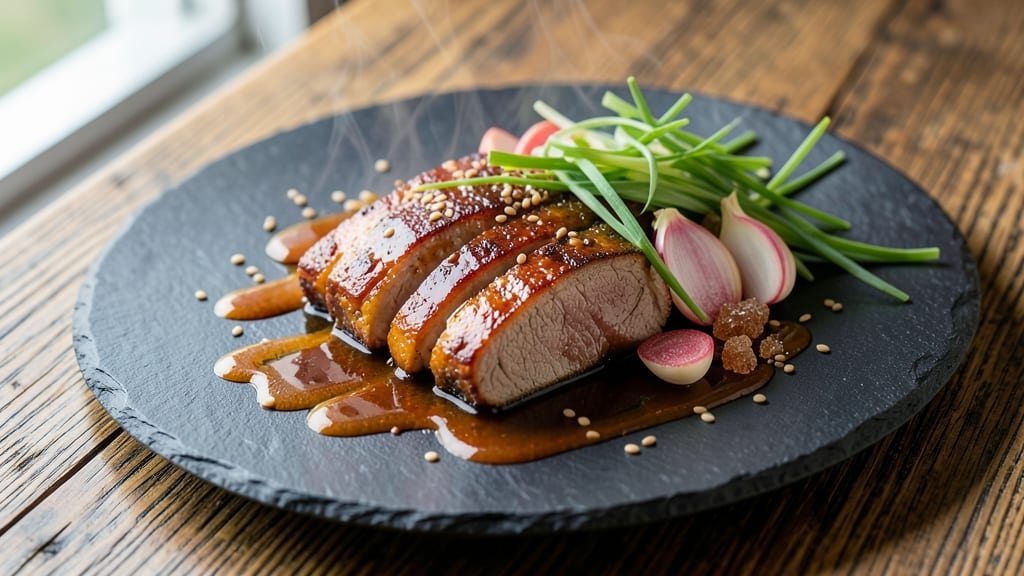
This miso shoyu pork recipe delivers the perfect balance of salty, sweet, and umami flavors with a caramelized edge that's impossible to resist. 🔥 After years of perfecting pork glazes—from my time apprenticing under Master Chef Chen—I've developed a technique that transforms simple pork into a restaurant-worthy centerpiece.
The secret lies in the marinade's harmony of miso, soy sauce, and mirin, which develops deep flavor while keeping the meat tender.
The process begins with a quick sear to lock in juices, followed by a slow reduction of the marinade into a glossy, sticky glaze that clings beautifully to the pork. This method works equally well for stir-frying thin slices or braising a whole tenderloin, giving you flexibility for any meal.
The result is pork with a crispy exterior and melt-in-your-mouth interior, coated in a glossy sauce that's rich yet balanced.
What makes this recipe stand out is its versatility—serve it over steamed rice for a comforting meal, pair it with roasted vegetables for a complete dish, or even slice it thin for tacos and lettuce wraps.
The glaze's depth of flavor means it shines on its own, but the optional garnish of sesame seeds and sliced scallions adds freshness that brightens every bite.
Whether you're cooking for a weeknight dinner or a special occasion, this miso shoyu pork brings restaurant-quality results to your kitchen with minimal effort. The technique is straightforward, but the flavor transformation is nothing short of magical—exactly the kind of dish that makes home cooking feel like a celebration.
Ingredients for miso shoyu pork
These umami-packed ingredients transform simple pork into a restaurant-worthy dish with caramelized edges.
| Ingredient | Amount | Notes |
|---|---|---|
| Pork Tenderloin 🐖 | 1 ½ lb | Center-cut, trimmed of fat |
| White Miso Paste 🧈 | ¼ cup | High-quality, fermented |
| Japanese Soy Sauce (Shoyu) 🥫 | ⅓ cup | Usukuchi or koikuchi style |
| Mirin 🍶 | ¼ cup | Sweet cooking wine |
| Brown Sugar 🍯 | ¼ cup | Packed, light brown preferred |
| Garlic Cloves 🧄 | 6 cloves | Minced, fresh preferred |
| Fresh Ginger 🌿 | 2 tbsp | Finely grated, peeled |
| Sesame Oil 🫒 | 1 tbsp | Toasted, for aroma |
| Neutral Oil (Avocado or Canola) 🫒 | 2 tbsp | For searing |
| White Rice Vinegar 🍶 | 1 tbsp | For brightness |
| Toasted Sesame Seeds 🌾 | 1 tbsp | For garnish (optional) |
| Green Onions 🧅 | 3 whole | Thinly sliced, for garnish |
| Salt 🧂 | 1 tsp | Kosher, for seasoning |
| Black Pepper 🌶️ | ½ tsp | Freshly ground |
The pork tenderloin is your canvas here—center-cut and trimmed ensures even cooking. For the miso, Miso Master or Marukome brands are my go-tos, but any high-quality white miso works. The shoyu matters too: Japanese brands like Kikkoman or Yamasa have that authentic depth. If you're using mirin, check the label—some are too sweet. Daiso or Hida brand mirin is perfectly balanced. The brown sugar should be packed, not scooped, and light brown gives the best caramelization. For the garlic and ginger, fresh is non-negotiable—dried won't cut it here.
No white miso? Substitute with red miso at half the amount, but the color will be darker. Running out of mirin? Dry sherry plus 1 tsp sugar gets you close. Sesame oil giving you sticker shock? Toasted sesame paste thinned with a little water works in a pinch. The green onions can be swapped for scallions, but the sesame seeds? Worth the extra minute to toast them—they add that nutty crunch. For extra depth, add a dash of fish sauce (1 tsp), but skip it if you're avoiding fish.
This glaze reheats beautifully—just warm it gently with a splash of water. Keeps 3-4 days in the fridge, 3 months frozen. I like to make extra glaze and freeze it in ice cube trays for quick meals. The pork itself reheats best in a skillet with a splash of water to keep it moist. For serving, I always double the sesame seeds and green onions—half goes on top, half gets sprinkled over rice. Garnish right before eating so they stay fresh.
Why You'll Love This Recipe
- One-Pan Magic: I swear by this—just sear the tenderloin, toss in the miso-shoyu glaze (mirin and brown sugar do the heavy lifting), and let it caramelize. No chopping, no fussing, and the pan’s basically clean by the time you’re done.
- Umami Bomb: That white miso and shoyu combo? It’s like a flavor grenade in the best way—salty, sweet, and funky all at once. The brown sugar keeps it from being too heavy, and the mirin adds this subtle brightness that makes it dangerously addictive.
- Weeknight or WOW: Honestly, this works for both. Toss it on the table with rice and quick veggies for a Tuesday night, or double the batch for a dinner party—just slice it thin and serve it on a platter. The glaze thickens beautifully, so it’s just as impressive as it is effortless.
- Leftovers Win: Between us, the second day is often better. The pork stays tender, and the glaze clings like a flavor blanket. I portion it into containers with steamed rice and frozen edamame—microwave magic for when you’re too tired to cook. (Yes, even on a Tuesday night.)
Step-by-step instructions for miso shoyu pork with caramelized edges
Here's how to transform simple pork into a restaurant-worthy dish with that perfect umami glaze.
🔥 Step 1: Sear the Pork Tenderloin for Maximum Flavor
Heat a large skillet over medium-high heat until it's smoking hot. Add the 2 tablespoons neutral oil and swirl to coat. Pat the 1.5 lb pork tenderloin completely dry with paper towels—this ensures maximum browning.
Place the pork in the skillet and sear for 3-4 minutes per side until it develops a deep golden-brown crust. You want that crust to form before you add any sauce—it's the flavor foundation. Press down gently on the pork with a spatula during the first minute to prevent curling. Once both sides are beautifully seared, transfer the pork to a plate and let it rest for 5 minutes.
🍳 Step 2: Build the Miso-Shoyu Glaze
In the same skillet (no need to clean it—those browned bits are pure flavor), reduce heat to medium and add the 6 cloves minced garlic and 2 tablespoons finely grated ginger. Cook for 1 minute until fragrant—don't let them burn, or you'll get bitterness instead of sweet aroma.
Pour in the 0.33 cup Japanese soy sauce, 0.25 cup mirin, and 0.25 cup packed brown sugar. Bring to a gentle simmer and let it reduce by half—about 3-4 minutes. Then stir in the 0.25 cup white miso paste and 1 tablespoon white rice vinegar until smooth. Here's where the magic happens: the miso and soy sauce create that deep umami flavor while the sugar starts caramelizing.
🥘 Step 3: Glaze and Roast to Perfection
Return the pork to the skillet and spoon the glaze all over it. Let it cook for 2 minutes to coat the pork completely. Then transfer everything to a baking dish and place in a 400°F preheated oven. Roast for 15-20 minutes until the pork reaches 145°F internally and the edges are beautifully caramelized.
I like to broil for the last 2 minutes to get extra caramelization on top—just watch it closely so it doesn't burn. The pork should be tender but still slightly firm to the touch. If you're unsure, use a meat thermometer to check the internal temperature.
🍽️ Step 4: Rest and Garnish
Remove the pork from the oven and let it rest for 10 minutes—this is crucial for juicy meat. While it rests, skim any excess fat from the glaze in the baking dish and stir in the 1 tablespoon sesame oil to enhance the aroma.
Slice the pork into ½-inch thick medallions and arrange on a serving platter. Drizzle with the reduced glaze, then sprinkle with 1 tablespoon toasted sesame seeds and 3 whole sliced green onions. Serve immediately with steamed rice or roasted vegetables to soak up that delicious sauce.
Pro Tips For Making Miso Shoyu Pork
- Sear First, Then Glaze: Hit the pork with a screaming-hot pan for 2-3 minutes per side before adding the miso-shoyu mix—this locks in juices and builds a crust that won’t dissolve when the sauce hits. I used to skip this and ended up with mushy edges every time.
- Whisk the Miso: Don’t just dump miso paste into cold liquid—it’ll clump like a stubborn child. Warm the shoyu, mirin, and brown sugar together first, then whisk in the miso until it’s fully dissolved. This makes the glaze silky, not grainy.
- Skip the Overcrowding: If your pork is thick, cook it in batches or use a smaller pan. Overcrowding steams the meat instead of searing it, and you’ll end up with a sad, gray slab instead of caramelized edges. Trust me, your patience pays off.
- Reduce the Sauce Aggressively: After glazing, crank the heat and let that miso-shoyu mix reduce for 3-4 minutes—no stirring, just watch it bubble. This concentrates the flavors and gives you a glossy, sticky finish instead of a watery drizzle. (Yes, even if it looks like it’s burning—it’s not.)
Common mistakes when making great miso shoyu pork
Over-Marinating Pork
I've seen beginners soak pork in miso marinades for hours, thinking more time equals better flavor—but this can actually make the meat mushy. The 1.5 lb pork tenderloin only needs 1-2 hours max in the marinade.
Miso's enzymes break down muscle fibers over time, and beyond 2 hours, you risk losing that tender texture. For best results, marinate for 30-60 minutes at room temperature before cooking. 💡
Skipping the Sear
This is a common rookie mistake that kills the depth of flavor. That initial 3-4 minute sear creates the Maillard reaction—the chemical process that develops rich, caramelized flavors. Without it, your pork will taste flat and one-dimensional.
I always say: "No sear, no soul in the dish." Use a heavy skillet like Lodge cast iron for even heat distribution.
Using Low-Quality Miso
The quality of your miso makes all the difference in this recipe. I recommend Miso Master or Marukome white miso—these brands have that perfect balance of saltiness and umami. Cheaper miso often has a harsh, bitter aftertaste that overpowers the delicate pork.
If you're using red miso, reduce the amount to half a cup and expect a darker glaze. The fermentation process in quality miso takes years, so invest in the good stuff.
Ignoring the Resting Time
This is where many home cooks rush the process. Letting the pork rest for 10 minutes after cooking allows the juices to redistribute throughout the meat. Skipping this step means you'll end up with dry, stringy pork. I've seen people slice into it immediately and then complain about the texture.
Trust me—10 minutes makes all the difference in the world. Use this time to finish your sides or make the final touches on your garnishes.
Overcooking the Glaze
When reducing the glaze, it's easy to let it burn and turn bitter. The goal is to reduce it by half—about 3-4 minutes on medium heat. Watch it closely and stir frequently. If you see it darkening too quickly, reduce the heat immediately.
The glaze should coat the back of a spoon smoothly. I've had to start over twice when the glaze turned into a bitter syrup—don't let that happen to you. 🔥
Uneven Glaze Application
Many people make the mistake of just pouring the glaze over the pork without ensuring complete coverage. For that perfect restaurant-quality finish, you need to spoon the glaze all over the pork, getting it into every crevice.
I like to tilt the pan and baste the pork with the glaze for even distribution. This ensures every bite has that sweet-savory coating. Don't be shy—get that glaze everywhere!
Nutrition facts
Frequently asked questions
Can I use this recipe for pork chops instead of tenderloin? Yes, but adjust the cooking time! Bone-in pork chops need 4-5 minutes per side for a sear, then 10-15 minutes in the oven at 400°F until they reach 145°F internally. The glaze works perfectly—just
How do I make this recipe vegetarian?
Swap the pork for extra-firm tofu or mushrooms (like king oyster or portobello). Press the tofu for 30 minutes to remove moisture, then cube and pan-fry until golden. Use the same glaze reduction method, but add 1 tablespoon cornstarch to thicken the sauce for coating. The flavor profile works beautifully with both options!
Can I prepare this ahead of time?
Cook the pork completely, then refrigerate it in the glaze for up to 3 days. Reheat gently in a skillet with a splash of water to prevent drying. The glaze reheats beautifully—just warm it on low heat until bubbly. For make-ahead convenience, freeze the cooked pork in portions with the glaze, then reheat from frozen in the oven at 350°F for 20 minutes.
What's the secret to getting that perfect caramelized edge?
The key is a hot pan and patience. Sear the pork until it develops a deep golden crust (3-4 minutes per side), then finish with a 2-minute broil at the end. The sugar in the glaze needs time to caramelize—don't rush it! For extra shine, add 1 teaspoon honey to the glaze during reduction. The broiler gives that restaurant-quality finish that makes it look (and taste) incredible.
What sides pair best with this dish?
Steamed jasmine rice is classic, but I love serving it with roasted sweet potatoes or blistered green beans for contrast. For a full meal, add quick-pickled cucumbers (toss with rice vinegar, sugar, and salt) to cut through the richness. The glaze also works perfectly on rice noodles or udon for a quick stir-fry. Garnish everything with extra sesame seeds and scallions!