
Main Courses
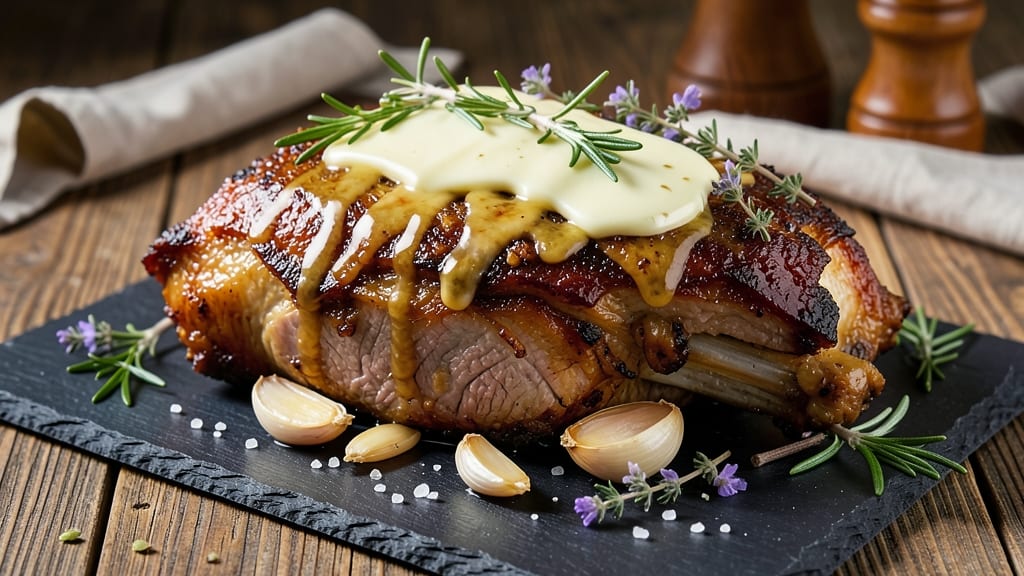
Cooking a 10-pound pork loin transforms any meal into a showstopper—crisp golden bark, tender meat, and aromas that fill your kitchen like a Southern Sunday dinner. 🌟 As someone who's roasted thousands of pounds of pork, I know the secret lies in proper seasoning, precise temperature control, and letting the meat rest.
This herb-crusted method delivers restaurant-quality results without requiring a professional kitchen.
The key to success with a large cut like this is patience—both in the seasoning and the cooking. A well-tied loin with a flavorful crust ensures even cooking, while monitoring internal temperature prevents overcooking.
We'll aim for 145°F for medium-rare, then let it rest for 20 minutes before carving. This resting time is critical; it allows juices to redistribute, keeping every slice moist and flavorful.
What you'll end up with is a perfectly cooked pork loin with a crispy, herb-infused crust and tender, juicy meat inside. The aroma alone will have everyone gathering around your table, and the presentation—golden bark, even slices—will impress even the most critical guests.
This recipe is designed for those special occasions when you want to serve something truly memorable.
Whether you're feeding a crowd for a holiday gathering or treating yourself to a luxurious family dinner, this method ensures success. The same technique works for grilling or smoking if you prefer those methods, though roasting remains my go-to for its reliability.
Let's get started on creating a pork loin that will be the star of your meal.
Ingredients for 10 pound pork loin
Golden crust and tender meat start with these 12 quality ingredients for your showstopper pork loin.
| Ingredient | Amount | Notes |
|---|---|---|
| Bone-In Pork Loin 🐖 | 10 lb | Center-cut, even thickness preferred |
| Unsalted Butter 🧈 | ½ cup | Cold, cut into small cubes |
| Fresh Rosemary 🌿 | ½ cup | Finely chopped, stems removed |
| Fresh Thyme 🌿 | ¼ cup | Leaves only, finely chopped |
| Garlic Cloves 🧄 | 8 cloves | Minced, skin-on preferred |
| Diamond Crystal Kosher Salt 🧂 | ¾ cup | Coarse grind for crust |
| Fresh Sage 🌿 | ¼ cup | Finely chopped, stems removed |
| Ground Black Pepper 🌶️ | 2 tbsp | Freshly cracked preferred |
| Extra-Virgin Olive Oil 🫒 | ¼ cup | For basting, high-quality |
| Butcher's Twine 🧵 | 1 package | Heavy-duty, 18-inch strands |
| Fresh Parsley 🌿 | ⅛ cup | Chopped, for garnish |
| Apple Cider Vinegar 🍎 | 1 tbsp | For basting, optional |
The pork loin is the star, so source it from a trusted butcher—look for even thickness and good marbling. Costco or Whole Foods carry excellent center-cut loins, but call ahead to confirm bone-in. The herbs should be fresh and vibrant: rosemary with needle-like leaves, thyme with bright green leaves, and sage with crinkled edges. If using dried herbs, reduce to one-third the amount, but fresh delivers that restaurant-quality aroma. For the butter, grab European-style from the refrigerated section—it has higher fat content for better crust development.
No fresh rosemary? Dried works at one-third the amount, but trust me on the fresh version. Out of apple cider vinegar? Red wine vinegar is a perfect swap—just use the same amount. The butcher's twine might seem minor, but heavy-duty twine (18-inch strands) makes all the difference when tying the loin. For the salt, Diamond Crystal is my go-to because it dissolves more easily, creating that perfect crust. If you're short on time, a store-bought herb blend can work, but fresh herbs elevate this dish to another level.
Herbs keep best in the fridge wrapped in damp paper towels for 5-7 days. The pork loin should rest uncovered on a rack for 1-2 hours at room temperature before roasting—this ensures even cooking. Leftover pork reheats beautifully in a 350°F oven for 15 minutes, wrapped in foil. For presentation, slice against the grain into 1-inch thick portions—this makes each bite more tender. Store leftovers in the fridge for 4-5 days or freeze for 3 months.
Why You'll Love This Recipe
- One-Pan Magic: The bone-in pork loin stays juicy while the butter and herbs baste it right on the sheet pan—no extra pots, no extra mess. I swear by this for lazy Sundays when I’d rather sip coffee than scrub dishes.
- Herb-Crusted Perfection: That rosemary-thyme butter melting into the crust? It’s like a hug for your taste buds, with garlic cloves searing into golden bits. My husband licks the pan when I’m not looking.
- Feeds a Crowd: Ten pounds? Perfect for game day, family dinners, or when your in-laws show up unannounced. Slice it thin, and you’ve got enough for sandwiches, salads, or tacos—no one leaves hungry.
- Budget-Friendly Feast: Pork loin stretches farther than you’d think, and the butter and herbs are the only fancy bits. I’ve made this for under $2 per serving, and the leftovers reheat like a dream for lunch the next day.
Step-by-step instructions for herb-crusted pork loin roast
Here's the foolproof method to achieve a perfectly golden, herb-encrusted pork loin with a tender interior.
👨🍳 Step 1: Prepare the Herb Butter Paste
In a food processor, combine the 0.5 cup cold unsalted butter, 0.5 cup finely chopped fresh rosemary, 0.25 cup finely chopped fresh thyme, 0.25 cup finely chopped fresh sage, 2 tablespoons freshly cracked ground black pepper, and 8 minced garlic cloves. Pulse until the mixture resembles coarse crumbs with butter pea-sized pieces. Here's the thing—this herb butter paste is what creates that signature golden crust and aromatic flavor profile.
Transfer the herb butter mixture to a bowl and fold in 1 tablespoon apple cider vinegar (if using). This acid component helps tenderize the meat slightly and enhances the herb flavors. Cover and refrigerate until ready to use—this keeps everything fresh and prevents the butter from melting prematurely.
🔪 Step 2: Season and Truss the Pork Loin
Remove the 10 lb bone-in pork loin from the refrigerator and let it sit at room temperature for 30 minutes while you prepare. Pat the entire surface completely dry with paper towels—this is crucial for developing that perfect crust. I press down firmly, especially in the crevices and around the bone, to ensure no moisture remains.
Generously apply the herb butter paste all over the pork loin, pressing it into the surface so it adheres well. Then sprinkle evenly with the 0.75 cup coarse Diamond Crystal kosher salt. The salt will draw out moisture and create that beautiful crust we're after. Using the butcher's twine, tie the loin into a compact shape, tying every 2-3 inches to ensure even cooking.
🔥 Step 3: Sear the Pork Loin for Maximum Flavor
Preheat your oven to 325°F. Heat a large oven-safe skillet over medium-high heat and add 0.25 cup extra-virgin olive oil. When the oil is shimmering, carefully place the pork loin in the skillet, fat-side down. Sear for 8-10 minutes until the bottom develops a deep golden brown crust and releases easily from the pan.
Flip the pork loin and sear the other side for another 8-10 minutes. This initial searing step locks in juices and creates that beautiful caramelized crust. I like to press down gently on the loin during the first minute to prevent it from curling and ensure even contact with the pan. Transfer the skillet to the preheated oven.
⏰ Step 4: Roast to Perfect Medium-Rare
Roast the pork loin for 1 hour and 45 minutes until the internal temperature reaches 140°F for medium-rare (use a meat thermometer inserted into the thickest part, avoiding the bone). The reason we cook to this temperature is that pork continues to carry over about 5°F as it rests, bringing it to the ideal 145°F safe internal temperature.
About 30 minutes before the pork is done, brush it with additional 0.25 cup extra-virgin olive oil to enhance browning. Watch for the skin to develop a deep mahogany color—this indicates perfect doneness. If it starts to darken too quickly, tent loosely with foil to prevent over-browning while it continues cooking.
🍽️ Step 5: Rest and Slice for Maximum Juiciness
Remove the pork loin from the oven and transfer it to a cutting board. Let it rest for 20-30 minutes before slicing. This resting period is absolutely critical—it allows the juices to redistribute throughout the meat instead of pooling on your cutting board. I know it's tempting to slice immediately, but trust me on this step.
Once rested, slice the pork loin against the grain into ½-inch thick slices. Garnish each serving with the 0.125 cup chopped fresh parsley just before serving. The result should be a beautifully browned exterior with a tender, juicy interior that practically melts in your mouth. Each slice should be perfectly pink in the center with that irresistible herb crust.
Pro Tips For Making 10 Pound Pork Loin
- SEAR THE LOIN FIRST: Hit that bone-in pork loin with a screaming-hot pan—no butter yet—until the surface is deep golden brown. I learned this the hard way: skipping the sear means the butter just steams off instead of turning into a flavor bomb. Let it sit 3 minutes per side before adding the butter and herbs.
- STUFF THE CAVITY SMART: Pack the garlic cloves and a handful of fresh thyme sprigs into the cavity—no need to chop them. The whole cloves and stems infuse flavor without turning to mush, and they’re easier to fish out later. (Yes, even if you’re impatient like me, leave them in until the end.)
- DON’T PUNCH THE MEAT: After roasting, resist the urge to cut into it immediately. Let it rest 15–20 minutes under foil—this keeps the juices from running out and makes every slice tender. I used to skip this, and my pork always came out dry as a bone.
- UPGRADE THE BUTTER: Use cold unsalted butter for basting—it clings better and creates a richer crust. If you’re short on time, mix 2 tablespoons of the softened butter with minced rosemary and garlic, then spoon it over the loin in the last 10 minutes. (Your future self will thank you.)
Wine and beer pairings for this recipe
Red Wine Classics
For this herb-crusted pork loin, I reach for Cabernet Sauvignon from Napa Valley—its bold tannins and dark fruit notes complement the rosemary and thyme beautifully. A 2018 Caymus Vineyards or Opus One (around $100) elevates the dish to special occasion status.
If you prefer something more affordable, a Washington State Cabernet like Chateau Ste. Michelle ($25-$35) delivers excellent balance. The wine's acidity cuts through the richness of the butter crust while its dark fruit mirrors the pork's savory depth. 🍷
White Wine Surprises
Don't overlook white wines—Chardonnay with oak aging works surprisingly well, especially if you prefer a lighter pairing. I love a California Monticello Vineyards Chardonnay ($35-$45) with its buttery texture and citrus notes that contrast the herbs.
For a crisp alternative, try a German Riesling like Dr. Loosen Blue Slate ($20-$30)—its bright acidity and honeyed apple flavors cleanse the palate between rich bites. The slight sweetness in Riesling also balances the salt in the crust.
Beer Pairings
For beer lovers, a Belgian Dubbel like Westmalle Dubbel ($12-$15) offers malty sweetness that enhances the pork's herbal notes. The caramel and spice flavors create a perfect harmony with the crust. If you prefer something lighter, a German Pilsner such as Warsteiner ($5-$7) provides crisp refreshment without overpowering the dish.
For a local favorite, try a North Carolina craft amber ale—the hop bitterness balances the richness beautifully.
Regional Specialties
In the Southeast, where I grew up, we often pair pork with Charleston sweet tea and a local red blend like Hull's Creek Vineyards (South Carolina). The wine's jammy berry flavors bridge the gap between the herb crust and sweet tea's honeyed notes.
For a Southern twist, try a Georgia Pinot Noir—its lighter body and red fruit profile make it an unexpected but delightful match. The wine's acidity also helps cut through the pork's natural fat content.
Non-Alcoholic Options
For those skipping alcohol, a sparkling apple cider like Martinelli's (around $5) adds festive bubbles that mimic wine's refreshing quality. For something more sophisticated, try a sparkling grape juice like Freixenet 0.0% Alcohol Cava ($12-$15)—it delivers the same crisp acidity without the alcohol.
I've also found that ginger beer with a splash of lime works surprisingly well, especially with the vinegar in the herb butter paste.
Nutrition facts
Frequently asked questions
How do I properly tie a 10-pound pork loin for even cooking?
Use heavy-duty butcher's twine and tie the loin every 2-3 inches in a figure-8 pattern. This creates a compact shape that cooks uniformly. For extra security, make a final tight wrap around the middle. The twine prevents the meat from expanding and ensures the herb crust develops evenly on all sides.
Can I cook this pork loin in a smoker instead of the oven?
Smoke the loin at 225°F until it reaches 140°F internal temp (about 3-4 hours for medium-rare). Use hickory or apple wood for a classic Southern flavor. Brush with apple cider vinegar every hour to help form the bark. The key difference is the smoke infusion, which adds depth to the herb crust.
What's the best way to reheat leftover pork loin?
Slice the pork into ½-inch portions and reheat in a 350°F oven for 15-20 minutes on a wire rack over a baking sheet. This prevents sogginess. For quick meals, wrap slices in foil and warm in a skillet with a splash of broth. Never microwave—it dries out the meat. The herb crust holds up beautifully when reheated properly.
How much pork loin should I buy for 12 servings?
A 10-pound bone-in pork loin yields about 12-14 servings when sliced ½-inch thick. For a lighter meal, serve 2-3 slices per person with sides. If you prefer thicker portions, buy 12 pounds instead. The bone adds weight but doesn't contribute much to the final yield—focus on the 8-9 pounds of usable meat after trimming.
Why did my pork loin turn out dry?
Overcooking is the most common cause—pork continues rising 5°F after removal from heat. Always pull it at 140°F and let it rest 20-30 minutes. Another culprit? Skipping the rest time or cutting too soon. For extra moisture, baste with olive oil every 30 minutes during cooking. The herb butter paste also helps retain juices when applied properly.