
Side Dishes
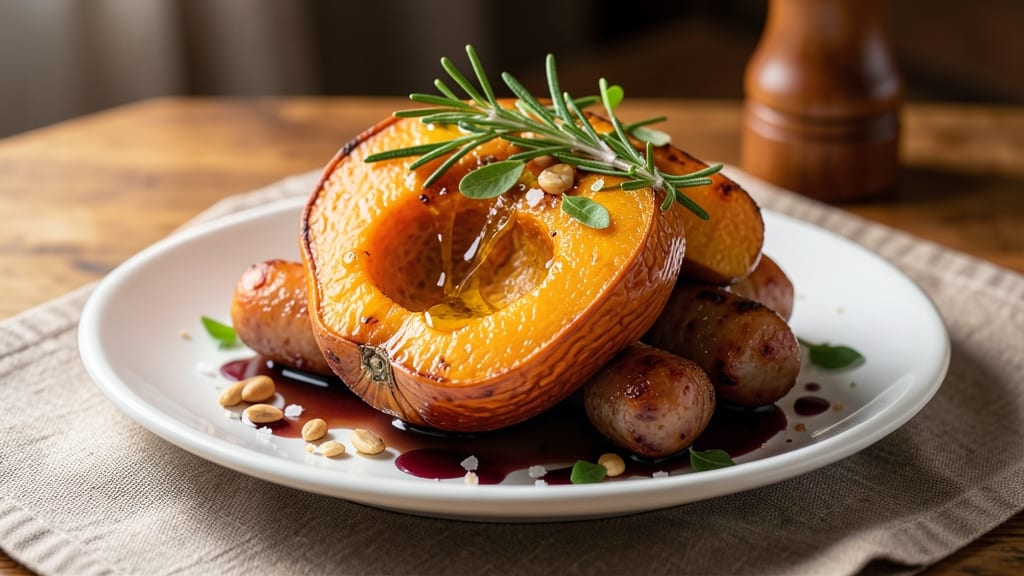
This acorn squash and pork sausage recipe transforms humble ingredients into a dish that balances autumn's sweetness with smoky, savory depth. 🍂 The secret lies in roasting the squash until its flesh turns velvety and caramelized while crisping the edges, then pairing it with browned pork sausage that adds rich, herby notes.
I developed this during a particularly crisp fall weekend when I needed a dish that felt hearty but still light enough for a weekday dinner.
The beauty of this recipe is its simplicity—just five key components come together beautifully. Acorn squash provides natural sweetness that develops into complex caramel flavors when roasted, while pork sausage adds protein and aromatic herbs.
A touch of olive oil, salt, and pepper ensures the squash develops that perfect caramelized crust without becoming sticky, while the sausage browns to create a satisfying crunch. This method delivers restaurant-quality results with minimal effort, perfect for home cooks who want impressive dishes without complicated techniques.
What you'll end up with is a plate that's equal parts elegant and comforting: golden roasted squash halves with tender, crisp-edged flesh and browned sausage nestled within. The contrast between the squash's natural sweetness and the sausage's savory, herby notes creates a perfect balance that's both satisfying and sophisticated.
The dish holds together beautifully for serving, making it ideal for family dinners or holiday gatherings where you want to impress without stress.
Pair this with a simple arugula salad and crusty bread to complete the meal, or serve alongside roasted potatoes for a heartier option. The flavors develop even better when reheated, making it perfect for meal prep.
Here's how to create this perfect autumn dish that will become a fall favorite in your kitchen.
Ingredients for acorn squash and pork sausage
Five ingredients, autumn perfection. Sweet squash meets herby sausage for a dish that's simple yet restaurant-worthy.
| Ingredient | Amount | Notes |
|---|---|---|
| Acorn Squash 🎃 | 2 whole | Medium-sized, halved lengthwise |
| Pork Sausage Links 🥓 | 8 whole | Sweet or herbed variety |
| Extra-Virgin Olive Oil 🫒 | ¼ cup | For roasting and browning |
| Kosher Salt 🧂 | 1 ½ tsp | Diamond Crystal preferred |
| Freshly Ground Black Pepper 🌶️ | ½ tsp | Freshly cracked preferred |
| Fresh Rosemary 🌿 | ¼ cup | Chopped, stems removed |
| Fresh Thyme 🌿 | ¼ cup | Leaves only, chopped |
| Brown Sugar 🍯 | 1 tbsp | Light or dark variety |
| Garlic Cloves 🧄 | 4 cloves | Minced, for sausage |
The acorn squash is the star here—look for ones with smooth, unblemished skin and a heavy feel for their size. Whole Foods or your local farmers market usually carry the best quality, but any grocery store will have them in fall. Medium-sized squash (about 1.5-2 lbs each) roast more evenly. Cut them in half lengthwise, scoop out the seeds, and brush the flesh with olive oil before roasting. The seeds? Toss them with a little oil and salt, then roast them separately for a crispy snack. Fresh herbs make all the difference—Trader Joe's often has pre-chopped rosemary and thyme, but I always grab whole sprigs and chop them myself for that fresh, bright flavor.
No fresh rosemary? Dried works at half the amount, but trust me, it's worth tracking down. The sausage links can be swapped for Italian sausage if that's what you've got, but the herbed variety adds that extra layer of flavor. Running short on olive oil? Avocado oil works just as well. The brown sugar adds just a touch of caramelization to the squash—skip it if you prefer the natural sweetness, but I find it brings out the squash's flavors beautifully. For the sausage, don't overcrowd the pan. Brown them in batches for that perfect crispy crust, and those minced garlic cloves? Toast them 30 seconds in the pan before adding the sausage for even deeper flavor.
Roasted squash keeps beautifully for 4-5 days in the fridge—reheats like a dream in the oven at 350°F for 10-15 minutes. The sausage, though? Best eaten fresh, but you can reheat it gently in a pan for 2-3 minutes. I always make a double batch of the squash because it's so versatile—use the extra halves for salads or soups later in the week. Store the squash halves cut-side down in an airtight container, and the sausage links can go in the fridge for 3-4 days. Freeze the sausage for up to 3 months if you're not using it all at once.
Why You'll Love This Recipe
- One-Pan Magic: I swear by this recipe when I’m too tired to wash dishes. Halve the squash, roast it alongside the sausages—no flipping, no fuss—and by the time the pork’s golden, the squash is tender with just enough caramelized edges. That’s 20 minutes of hands-off cooking, and my counter stays clear.
- Savory-Sweet Balance: The acorn squash soaks up the smoky richness of the pork sausage like a sponge, while the olive oil and salt make every bite sing. It’s not too sweet, not too heavy—just that perfect harmony where the squash’s natural nuttiness plays off the sausage’s herby depth. Honestly, I’ve never had a dish where the flavors work this well together.
- Weeknight to Holiday: Between us, this recipe is my secret weapon for when I need something impressive but low-stress. Serve it with crusty bread for a casual dinner, or add a sprinkle of pecans and maple glaze for a Thanksgiving side that’ll fool everyone into thinking you slaved over it. (Spoiler: you didn’t.)
- Leftovers That Don’t Suck: Most roasted squash dishes turn into sad, dry leftovers—but not this one. The sausages stay juicy, and the squash holds its shape, so I can reheat portions for lunch without it falling apart. Plus, it’s budget-friendly: a single squash and a pack of sausages stretch across three meals, and I’m not paying for takeout. Win.
Step-by-step instructions for roasted acorn squash with pork sausage
Here's how to transform humble squash and sausage into a showstopping dish with caramelized edges and aromatic herbs.
🔥 Step 1: Roast the Acorn Squash to Sweet Perfection
Preheat your oven to 400°F and line two baking sheets with parchment paper. Cut the 2 whole acorn squash lengthwise in half, removing and discarding the seeds. Brush the cut sides generously with 0.25 cup extra-virgin olive oil—this helps create that beautiful caramelization we're after.
Sprinkle the cut sides with 1 tbsp brown sugar and 1 tsp kosher salt, rubbing it gently into the flesh. Place the squash halves cut-side down on the prepared baking sheets. Roast for 30 minutes until the edges start to soften and develop a golden hue. Flip the squash and roast for another 15-20 minutes until a knife slides in easily and the flesh is tender when pierced.
Here's the thing—don't skip flipping. The first side gets all the direct heat, but the second side needs that time to catch up. You'll know it's done when the squash yields slightly under gentle pressure and smells irresistibly sweet.
🍳 Step 2: Brown the Pork Sausage with Aromatics
While the squash roasts, heat a large skillet over medium-high heat. Add the 8 whole pork sausage links and cook for 4-5 minutes per side until they develop a deep golden-brown crust. Remove the sausages and set them aside on a plate.
In the same skillet, add 0.25 cup chopped fresh rosemary and 0.25 cup chopped fresh thyme with the 4 minced garlic cloves. Cook for 1 minute until the herbs release their fragrant oils. Pour in 1 tablespoon extra-virgin olive oil (the remaining amount) and let it sizzle for 30 seconds to infuse the flavors.
Don't walk away—herbs burn fast. You want them just fragrant, not crispy. This aromatic base will become the flavor bridge between your sweet squash and savory sausage.
🥘 Step 3: Assemble and Finish with Herbed Crust
Once the squash is tender, carefully transfer it to a serving platter. Spoon the herbed oil from the skillet evenly over the squash halves, creating a glossy coating. Return the skillet with the sausages to medium heat and spoon any accumulated juices over the squash as well.
Sprinkle the remaining 0.5 tsp freshly ground black pepper and any remaining 0.5 tsp kosher salt over the squash. The contrast of peppery heat against the sweet squash is what makes this dish sing. Arrange the browned sausages alongside the squash, letting their savory aroma waft through the dish.
For that restaurant-quality finish, broil the dish for 2-3 minutes until the edges are deeply browned and the herbs look slightly crisp. Watch it like a hawk—broilers can go from perfect to burnt in seconds.
🍽️ Step 4: Rest and Serve with Confidence
Let the dish rest for 5 minutes before serving. This gives the squash a chance to set slightly and prevents a messy presentation. The resting also lets all those beautiful caramelized flavors meld together for maximum impact.
Serve the squash halves directly from the platter, letting guests scoop out the tender flesh with a spoon. The contrast of creamy squash, crispy sausage, and herbed crust creates a symphony of textures in every bite. Pair with crusty bread to soak up any remaining juices—trust me, there will be plenty.
Pro Tips For Making Acorn Squash And Pork Sausage
- CUT SQUASH THINLY: I learned this the hard way—thick slices mean uneven cooking and a mushy center. Aim for ½-inch slices (yes, even if it feels like overkill), so the squash softens quickly while the edges caramelize. A sharp chef’s knife makes this faster, and don’t skip the salt right after cutting—it draws out moisture so the squash crisps better later.
- SEAR SAUSAGES FIRST: Skip the "roast everything together" trap. Brown the sausage links in a cold pan over medium heat—no rush—until they’re deeply golden and releasing fat. This builds flavor that won’t get lost in the squash’s sweetness. (Pro move: Toss the cooked sausage aside, wipe the pan clean, then roast the squash in the same space.)
- ROAST SQUASH UPSIDE-DOWN: After slicing, arrange the squash cut-side down on the baking sheet. This lets the edges crisp first while the flesh stays tender, and the natural juices pool underneath instead of steaming the squash into mush. Flip halfway if you’re worried about browning—just don’t overcrowd the pan.
- SALT THE PAN HARD: Before adding oil, scatter a generous pinch of kosher salt directly on the baking sheet or skillet. When the oil heats, it’ll dissolve into a flavorful crust that clings to the squash and sausage. (I used to skip this; now I call it the "free seasoning" hack.) Works especially well if you’re roasting at 400°F or higher.
Serving suggestions for this acorn squash and pork sausage
Crusty Bread Pairing
Nothing complements this dish like a warm, crusty loaf for soaking up the caramelized juices. I always reach for a sourdough baguette from my local bakery—its open crumb structure traps the herbed oil and sausage juices beautifully.
For a Southern twist, try cornbread made with 1 cup stone-ground cornmeal and a touch of honey—it adds a subtle sweetness that echoes the squash. 🥖
Simple Arugula Salad
A bright, peppery salad cuts through the richness of the roasted squash and sausage. Toss 4 cups baby arugula with 2 tbsp extra-virgin olive oil, 1 tbsp lemon juice, and a pinch of flaky sea salt.
Add ¼ cup toasted walnuts for crunch and 2 tbsp crumbled goat cheese for creaminess. The acidity balances the dish perfectly while adding freshness.
Wine Pairings
For a white wine, I recommend a dry Riesling from Germany—its crisp acidity and hint of honey complement the caramelized squash beautifully. If you prefer red, a Pinot Noir from Oregon offers enough acidity to cut through the richness without overpowering the dish.
For beer lovers, a Belgian witbier with its citrusy notes and subtle spice provides an unexpected but delightful pairing. 🍷
Herb Garnishes
Fresh herbs elevate the dish at the table. Sprinkle chopped chives or thinly sliced scallions over the squash for a mild onion flavor. A few lemon zest strips add brightness, while toasted pumpkin seeds provide a nutty crunch.
I also love drizzling a little honey over the squash just before serving—it enhances the natural sweetness without overpowering.
Make-Ahead Serving
This dish reheats beautifully, making it perfect for meal prep. Store the roasted squash and sausage separately in airtight containers for up to 4 days.
When ready to serve, reheat the squash in a 350°F oven for 10-15 minutes and warm the sausage in a skillet for 2-3 minutes. The flavors actually deepen overnight, so it tastes even better the next day! ⏰
Presentation Tips
Serve the squash halves on a wooden board or slate platter for a rustic touch. Arrange the sausages alongside and garnish with fresh herbs. For a more elegant presentation, scoop the squash flesh into bowls and top with sausage slices.
A drizzle of herbed oil from the skillet adds a professional finish. Don’t forget to include a small bowl of extra oil for dipping—it’s always a crowd-pleaser! 🍽️
Nutrition facts
Frequently asked questions
Can I use sweet or spicy pork sausage in this recipe?
Both work beautifully! Sweet pork sausage enhances the natural sweetness of the acorn squash, creating a perfect balance. For a spicier kick, use spicy sausage—just reduce the pepper in the recipe by ¼ tsp to avoid overpowering the dish. The key is to brown the sausage well for maximum flavor.
How do I know when the acorn squash is fully cooked?
The squash is done when a knife slides in easily with gentle pressure and the flesh yields slightly when pierced. Look for caramelized edges and a golden-brown crust. Medium-sized squash typically takes 45-55 minutes total when roasted at 400°F. If using smaller squash, check at 35 minutes—they cook faster!
Can I make this recipe ahead of time?
Roast the squash and sausage separately, then store them in airtight containers for up to 4 days. Reheat the squash at 350°F for 10-15 minutes and warm the sausage in a skillet for 2-3 minutes. The flavors actually deepen overnight, making it taste even better the next day.
What if my acorn squash isn't caramelizing?
Check your oven temperature—it must be 400°F for proper caramelization. Brush the squash with more olive oil and sprinkle with an extra ½ tsp brown sugar halfway through cooking. Flip the squash for even browning, and avoid overcrowding the baking sheet.
Are there vegetarian alternatives for the sausage?
Yes! Use plant-based sausage links made with mushrooms or lentils, or try roasted portobello mushrooms brushed with olive oil and garlic. For a Southern twist, stuff the squash with a mix of quinoa, black beans, and corn seasoned with cumin and smoked paprika.