
Main Courses
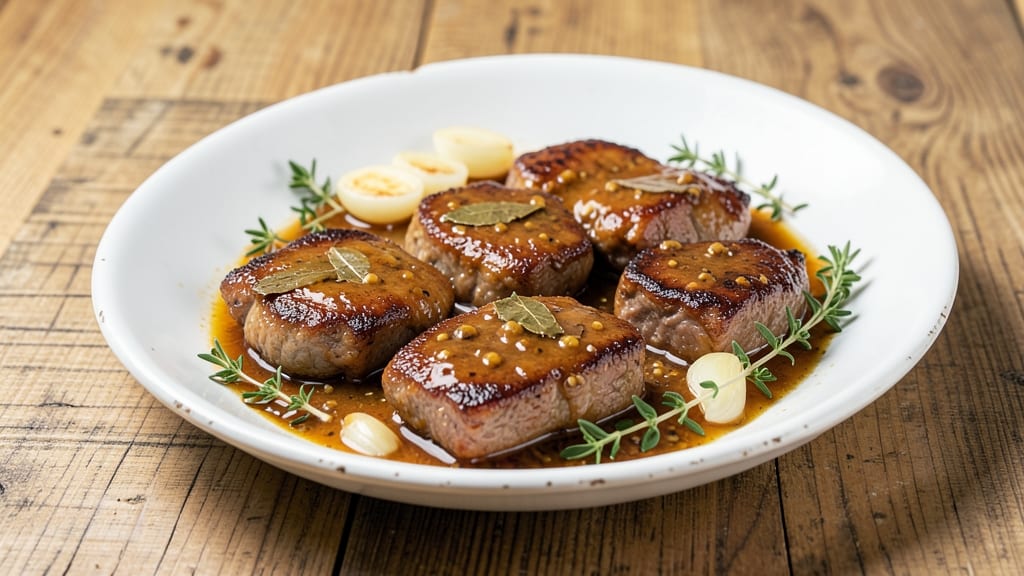
Adobo pork liver transforms humble offal into a restaurant-worthy dish with silky texture and crispy edges. This Filipino-inspired recipe balances tangy vinegar, savory soy sauce, and aromatic garlic—creating a harmonious flavor that's both comforting and sophisticated. I've perfected this technique over years of working with offal, ensuring the liver remains tender while developing that signature caramelized crust.
The key lies in the marinade: soy sauce tenderizes the meat while vinegar adds brightness, and a touch of sugar helps create those coveted crispy edges. Unlike traditional adobo recipes that focus on meat, this version highlights the liver's natural richness, making it a showstopper for special occasions.
The process is straightforward but requires patience—letting the liver marinate for at least 30 minutes ensures maximum flavor absorption.
By the time you serve it, you'll have perfectly braised pork liver with a glossy, caramelized exterior and tender, melt-in-your-mouth interior. The sauce clings beautifully, adding layers of umami and tang that complement the liver's natural flavor.
This dish pairs beautifully with steamed jasmine rice or a simple green salad to balance its richness.
Important note: always handle raw liver with care, using separate utensils and cutting boards to prevent cross-contamination. When prepared correctly, this adobo pork liver becomes a centerpiece dish that proves offal can be just as impressive as any cut of premium meat. Let's get cooking!
Ingredients for adobo pork liver
Silky pork liver and aromatic marinade ingredients transform humble offal into a restaurant-worthy centerpiece.
| Ingredient | Amount | Notes |
|---|---|---|
| Pork Liver 🍖 | 1 ½ lb | Fresh, trimmed of connective tissue |
| Soy Sauce 🥄 | ½ cup | High-quality, preferably Japanese |
| White Vinegar 🍶 | ¼ cup | White or apple cider vinegar |
| Granulated Sugar 🍚 | 2 tbsp | For caramelization and balance |
| Garlic Cloves 🧄 | 8 cloves | Minced, for aromatic depth |
| Bay Leaves 🌿 | 2 whole | Fresh or dried, for subtle earthiness |
| Black Peppercorns 🌶️ | 1 tsp | Crushed, for heat and texture |
| Olive Oil 🫒 | 2 tbsp | Extra-virgin, for searing |
| Water 💧 | ½ cup | For braising liquid |
| Salt 🧂 | 1 tsp | Kosher or sea salt, for seasoning |
| Jasmine Rice 🍚 | 1 ½ cups | Uncooked, for serving |
| Lemon Wedges 🍋 | 2 whole | For garnish and brightness |
The pork liver is the star—freshness is non-negotiable. Look for vibrant, deep-red pieces at your local butcher or seafood counter, ideally within a day or two of purchase. Costco or Whole Foods often carry high-quality cuts, but even your neighborhood butcher can source excellent liver if asked. Trim any connective tissue or silverskin before using, as these can make the final dish tough. For the soy sauce, Japanese brands like Kikkoman or Yamasa add depth, while vinegar should be white or apple cider—avoid balsamic, as its sweetness can overpower the delicate flavors. The sugar is key here: it caramelizes during cooking, creating those coveted crispy edges while balancing the acidity of the vinegar.
No soy sauce? Coconut aminos or tamari work in a pinch, though the flavor will differ slightly. Short on vinegar? Lemon juice at double the amount adds brightness, but the acidity will be more pronounced. Fresh garlic is ideal, but powdered garlic at half the amount works if you're in a hurry. For the rice, jasmine is traditional, but brown rice or basmati both pair beautifully. The lemon wedges can be swapped for lime or even a splash of vinegar at the end if you're out of citrus. Always handle raw liver with care—use separate cutting boards and utensils to avoid cross-contamination, especially if you're also preparing other proteins.
Store any leftover liver in an airtight container in the fridge for up to 3 days, though it's best enjoyed fresh. The braising liquid can be reheated and used as a sauce for rice or noodles. For longer storage, freeze the cooked liver in single-serving portions for up to 3 months. The rice keeps well for 2 days in the fridge, but reheats best when steamed fresh. This dish is a showstopper—serve it warm with the remaining sauce spooned over the top for maximum impact.
Why You'll Love This Recipe
- Five-Ingredient Magic: I swear by this recipe because it’s that simple—just liver, soy sauce, vinegar, sugar, and garlic. No fancy prep, no hidden spices, just pure, bold flavor with almost no effort.
- Sweet-Savory Balance: The vinegar cuts through the richness of the liver while the sugar caramelizes into a glossy glaze. Honestly, that contrast is what makes it addictive—tangy, sweet, and umami all at once.
- Leftovers That Last: This dish reheats like a dream, so I always make extra. The flavors deepen overnight, and it’s perfect for quick lunches or even a midnight snack when the cravings hit.
- Budget Booster: Pork liver is cheaper than steak but packs just as much punch. A single panful feeds four, and the ingredients cost pennies—no guilt, just flavor for less.
Step-by-step instructions for soy-braised pork liver
This method delivers tender, silky pork liver with crisp edges and deep umami flavor—every bite perfect.
Prepare the Pork Liver for Cooking
Begin by trimming any visible connective tissue or silver skin from the 1.5 lb pork liver using a sharp knife. This ensures a clean texture and prevents bitterness. Pat the liver dry with paper towels—moisture is the enemy of crisp edges. Here's the thing: pork liver can be delicate, so handle it gently to avoid tearing.
Cut the liver into 1-inch thick slices for even cooking. Arrange the slices on a plate and season both sides generously with 1 tsp salt and 1 tsp crushed black peppercorns. Let them sit at room temperature for 15 minutes while you prepare the braising liquid. This resting period helps the liver cook more evenly and develop flavor.
Sear the Liver for Maximum Flavor
Heat 2 tbsp olive oil in a large skillet over medium-high heat until shimmering. Working in batches (to avoid overcrowding), add the seasoned liver slices and cook for 2-3 minutes per side until they develop a deep golden brown crust. You'll know it's ready when the edges are crisp and the interior remains slightly pink—overcooking here turns the liver tough.
Real talk: don't rush this step. The sear locks in juices and builds flavor that carries through the braising. Remove the liver from the pan and set it aside on a plate. Leave the browned bits in the pan—they're packed with flavor that will dissolve into the braising liquid.
Build the Adobo Braising Liquid
Reduce the heat to medium and add 8 cloves minced garlic to the same skillet, cooking for 30 seconds until fragrant. Be careful not to burn the garlic—it should smell sweet and nutty, not bitter. Add 2 whole bay leaves and stir for 10 seconds to infuse their earthy aroma.
Pour in 0.5 cup soy sauce and 0.25 cup white vinegar, scraping up those delicious browned bits from the bottom of the pan. This deglazing step captures all the flavor you worked so hard to create. Add 2 tbsp granulated sugar and 0.5 cup water, then bring the mixture to a gentle simmer. Let it reduce for 3-4 minutes until slightly thickened—this creates the perfect balance of sweet, salty, and tangy flavors.
Braise the Liver to Silky Perfection
Return the seared liver slices to the skillet, spooning the braising liquid over them. The liquid should come about halfway up the sides of the liver. Cover the skillet with a lid and reduce heat to low. Braise for 15-20 minutes, turning the liver slices occasionally, until they're fork-tender with just a hint of resistance in the center.
Here's where it gets fun—the liver should be silky and tender, with edges that remain crisp from the initial sear. If the liquid reduces too much before the liver is done, add 1-2 tablespoons of water to maintain moisture. The key is patience; rushing this step results in rubbery liver. When you pierce a slice with a fork, it should slide in easily with just a slight resistance.
Finish and Serve with Jasmine Rice
Once the liver is perfectly tender, remove the skillet from heat and let it sit covered for 5 minutes. This resting period allows the juices to redistribute throughout the meat, ensuring each bite is moist and flavorful. Remove and discard the bay leaves—they've done their job infusing flavor.
While the liver rests, cook the 1.5 cups jasmine rice according to package instructions. For serving, arrange the rice on plates and top with the braised liver slices. Drizzle any remaining braising liquid over the top and garnish with 2 whole lemon wedges for a bright, citrusy contrast. The lemon not only adds freshness but also cuts through the richness of the pork liver beautifully.
Pro Tips For Making Adobo Pork Liver
- Slice Liver Evenly: Grab a sharp knife and cut the pork liver into ¼-inch thick slices—any thicker, and the center stays undercooked while the edges burn. I learned this the hard way when my first batch had a chewy middle that ruined the whole dish.
- Salt Liver First: Sprinkle the liver slices with ½ teaspoon salt per pound and let them sit for 10 minutes before cooking. This draws out moisture so they sear properly instead of steaming in their own juices—trust me, your pan won’t smoke like a war zone.
- Balance Vinegar Slowly: Start with half the vinegar called for, simmer the sauce until it thickens slightly, then add the rest. Too much upfront makes the sugar crystallize and turns your glossy adobo into a grainy mess—like trying to drink syrup through a straw.
- Crush Garlic Lightly: Smash the garlic cloves with the flat side of your knife instead of mincing them. This keeps the flavor bold without turning the sauce into a paste—your liver will absorb the aroma better, and you won’t end up with garlic bits that sink to the bottom like tiny, bitter pebbles.
Pro cooking tips for this recipe
Marinade Mastery
The secret to silky texture lies in the marinade's balance. Let the liver soak in the soy-vinegar-sugar mix for at least 30 minutes—this tenderizes the meat while infusing flavor. I often double the marinade time for thicker cuts, but never exceed 2 hours or the liver may become mushy.
The sugar is critical: it caramelizes during cooking, creating those coveted crispy edges while balancing the vinegar's acidity. 🌶️
For extra depth, add 1 tsp grated ginger to the marinade—it pairs beautifully with the garlic and soy. If you're short on time, a 15-minute marinade still works, but pat the liver dry thoroughly before searing to prevent steaming instead of browning.
Remember, the longer the marinade, the more tender (but not necessarily more flavorful) the liver becomes.
Sear Like a Pro
This step makes or breaks your dish. Use a heavy-bottomed skillet (I swear by my Lodge cast iron) and heat the olive oil until it shimmers at 375°F. Working in batches is non-negotiable—overcrowding steams the liver instead of searing.
Aim for 2-3 minutes per side until deep golden brown forms. The edges should be crisp, but the center should still show a pink hue—this indicates perfect doneness. 🔥
Pro tip: Don't move the liver once it hits the pan. Let it develop that Maillard reaction crust undisturbed. I've ruined many a batch by fidgeting with the pan—patience is key here.
If your liver releases too much liquid during searing, blot it with paper towels before braising to ensure crisp edges.
Braising Perfection
Low and slow is the name of the game here. After searing, reduce heat to low and maintain a gentle simmer. The braising liquid should come halfway up the sides of the liver slices—this ensures even cooking and maximum flavor absorption.
Cover the skillet and let it cook for 15-20 minutes, turning occasionally. The liver is done when it's fork-tender with slight resistance—overcooking turns it rubbery. 💡
If the liquid reduces too quickly, add 1-2 tbsp water to maintain moisture. I like to check doneness by piercing a slice with a fork—it should slide in easily with just a hint of resistance.
The sauce should coat the back of a spoon and cling beautifully to the liver. This is where the magic happens, transforming tough offal into a silky, restaurant-worthy dish.
Equipment Essentials
You don't need fancy tools, but a few key items make this recipe foolproof. A sharp chef's knife is non-negotiable for trimming the liver cleanly. My Wüsthof 8-inch has been my go-to for years—it handles offal like butter.
For searing, a heavy skillet (like Lodge cast iron) distributes heat evenly and retains it better than non-stick pans. 🍳
Don't skimp on thermometers either. A meat thermometer ensures perfect doneness—aim for 145°F internal temperature for pork liver. For braising, a lid that fits snugly is crucial to trap steam and cook the liver evenly.
If you're short on time, a slow cooker on low works in a pinch (just add all ingredients and cook for 2 hours), though you'll miss out on that beautiful sear.
Nutrition facts
Frequently asked questions
Can I substitute chicken or beef liver for pork liver in this recipe?
Chicken liver cooks faster (about 10-12 minutes total) and has a milder flavor, while beef liver needs slightly longer (20-25 minutes) due to its denser texture. The adobo marinade works beautifully with all three—just adjust cooking times to avoid overcooking. For chicken, reduce the braising time by 5 minutes.
What if I don't have white vinegar? Can I use something else?
Yes! Apple cider vinegar or rice vinegar work perfectly—they'll give slightly different flavor profiles but maintain the tangy balance. For a non-vinegar option, use lemon juice at double the amount, but the acidity will be more pronounced. Avoid balsamic vinegar as its sweetness can overpower the dish.
How do I know when the pork liver is fully cooked?
The liver is perfectly done when it's fork-tender with slight resistance—it should slide in easily but still have a tiny bit of spring. For pork liver, the internal temperature should reach 145°F. The edges should be crisp from the initial sear, while the center remains tender with just a hint of pink. Overcooking turns it rubbery, so err on the side of slightly underdone.
Can I make this recipe ahead of time?
Yes, but with care! Cook the liver completely and let it cool, then store in an airtight container in the fridge for up to 3 days. Reheat gently in the braising liquid over low heat until warmed through. For longer storage, freeze the cooked liver (without sauce) for up to 3 months. The sauce can be reheated separately and added back when serving.
Why does my adobo pork liver turn out tough?
Tough liver usually means overcooking or insufficient marinating. Always sear first to lock in juices, then braise gently on low heat. The marinade should work for at least 30 minutes (longer for thicker cuts). Never skip the resting period after cooking—this helps redistribute juices. If using thicker slices, increase braising time by 5 minutes and check doneness with a fork.