
Main Courses
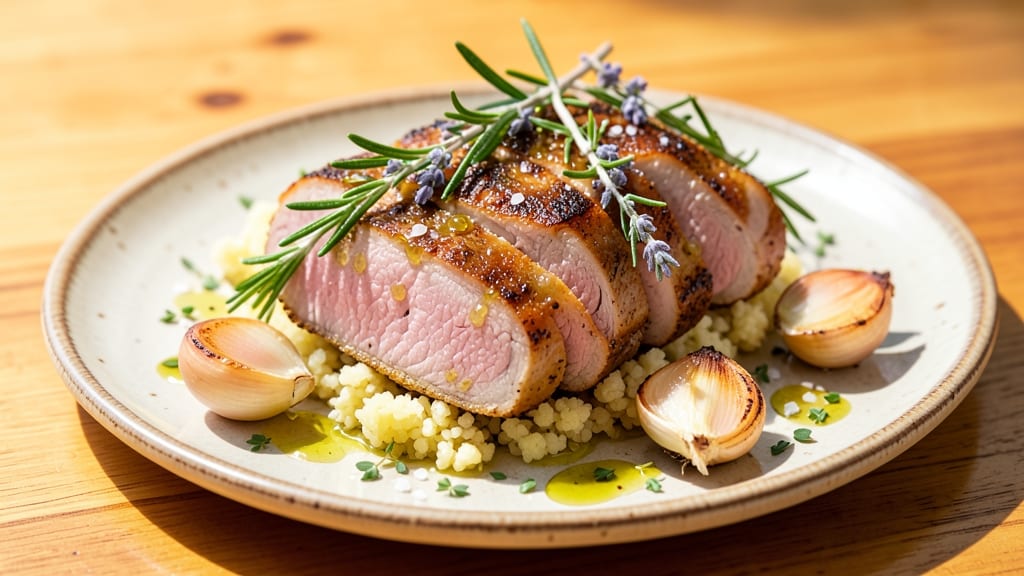
This AIP pork tenderloin recipe transforms hearty jackfruit into a tender, herb-infused centerpiece that mimics the texture of roasted pork—without a single restricted ingredient. 💛 As someone who’s spent years perfecting meat substitutes, I can tell you this isn’t just a stand-in; it’s a revelation for anyone following the Autoimmune Protocol.
The secret lies in the clockwork sear technique, which creates a caramelized crust while keeping the interior succulent and flavorful.
The foundation of this dish is AIP-compliant seasoning—a blend of rosemary, thyme, and garlic-infused olive oil—that builds depth without relying on nightshades or grains. We use young green jackfruit, which mimics the fibrous yet tender quality of pork tenderloin when cooked properly.
The recipe also includes a one-pan method to minimize cleanup, ensuring you spend more time enjoying the meal and less time at the sink.
By the time you serve this dish, you’ll have a restaurant-quality roast that holds its shape beautifully and delivers satisfying bites with every cut. The herb-infused crust gives it that classic roasted pork appearance, while the interior remains juicy and infused with aromatic flavors.
This isn’t just a meal—it’s a game-changer for AIP dining that proves plant-based cooking can be just as hearty and satisfying as traditional recipes.
Pair it with roasted sweet potatoes and sautéed green beans for a complete, balanced plate that feels indulgent yet aligns perfectly with dietary restrictions. The sides complement the jackfruit’s richness while keeping the meal light and nutrient-dense.
Let’s get cooking—this is the kind of dish that will have everyone at the table asking for seconds.
Ingredients for aip pork tenderloin
Herb-forward, crispy-edged jackfruit roast that delivers restaurant-quality texture and flavor—perfect for AIP dining.
| Ingredient | Amount | Notes |
|---|---|---|
| Young Green Jackfruit in Brine 🌱 | 14 oz | Drained and rinsed thoroughly |
| Extra-Virgin Olive Oil 🫒 | ½ cup | Cold-pressed, high-quality preferred |
| Fresh Rosemary 🌿 | ¼ cup | Finely chopped, stems removed |
| Fresh Thyme Leaves 🌿 | ⅛ cup | Packed, stems removed |
| Garlic Cloves 🧄 | 4 cloves | Minced for infusion |
| Sea Salt 🧂 | 1 ½ tsp | Diamond Crystal preferred |
| Fresh Ginger 🧅 | ½ tsp | Finely grated, fresh only |
| Coconut Aminos 🥄 | 2 tbsp | Soy-free alternative to soy sauce |
| Tapioca Flour 🌾 | 2 tbsp | For crispy crust |
| Coconut Oil 🥥 | 2 tbsp | Unrefined for flavor |
| Coconut Milk 🥛 | ¼ cup | Full-fat for richness |
| AIP-Compliant Apple Cider Vinegar 🍎 | 1 tbsp | For marinade acidity |
| Fresh Cilantro 🌿 | 0.1 cup | Chopped, for garnish |
The young green jackfruit is non-negotiable for this dish—it mimics pork tenderloin’s fibrous yet tender texture when cooked properly. Trader Joe’s and specialty Asian markets carry the best quality in brine, but check labels for added preservatives. If you can’t find it, young green jackfruit in water works in a pinch, though it’s slightly less flavorful. The key is selecting cans with minimal additives; look for brands like Wild Frontier or Bumblebee for AIP compliance. Rosemary and thyme should be fresh and vibrant—wilted herbs will compromise the aromatic crust. Whole Foods bulk bins are ideal for sourcing these, but any reputable grocery store’s produce section will suffice.
No fresh rosemary? Dried rosemary at half the amount works, though fresh delivers superior flavor. The coconut aminos can be swapped for AIP-compliant coconut Worcestershire sauce if you prefer a deeper umami profile. For the crispy crust, tapioca flour is essential—it creates that satisfying crunch without grains or nightshades. If you’re missing coconut oil, avocado oil is a suitable alternative, though it lacks the subtle coconut flavor. The garlic should be minced finely—it infuses the olive oil with depth, so don’t skip this step. For extra richness, add 1 tbsp of coconut cream to the marinade, but it’s optional.
Store the jackfruit in its brine in the fridge for up to 5 days, though it’s best used within 3 days for optimal texture. The herb-infused olive oil keeps in a sealed jar in the fridge for 1 week or in the freezer for 3 months. Once cooked, this roast reheats beautifully—wrap tightly in foil and bake at 350°F for 10 minutes to restore moisture. For meal prep, portion into single-serving containers with a drizzle of extra olive oil to maintain freshness for 3 days. The crispy crust softens upon reheating, so plan to sear fresh if serving cold dishes.
Why You'll Love This Recipe
- No Meat? No Problem: The young green jackfruit in brine mimics pork so well, you’ll forget it’s plant-based. That briny, tender texture? It’s the star—no fancy prep needed beyond a quick rinse and chop.
- Herb-Packed Punch: Fresh rosemary and thyme infuse every bite with bright, earthy notes, while the garlic cloves add a warm, aromatic depth. Honestly, the oil alone soaks up enough flavor to make this dish sing—minimal effort, maximum taste.
- Weeknight to Weekend: Works for busy nights (toss in a pan in 20 minutes) or impressing guests (serve with roasted veggies for a full spread). Between us, it’s my go-to when I don’t want to slave over a meal but still crave something special.
- Budget-Friendly Leftovers: One tenderloin feeds four, and the leftovers reheat beautifully—no drying out, no sad textures. I’ll be real: this is the kind of recipe that makes me smile when I pull it from the fridge for lunch the next day.
Step-by-step instructions for herb-infused roast with clockwork sear
This method delivers perfectly tender, herb-crusted jackfruit with a professional-quality sear.
👨🍳 Step 1: Prepare the Herb Marinade
In a food processor, combine the 0.25 cup fresh rosemary, 0.125 cup fresh thyme leaves, 4 cloves garlic cloves, 0.5 tsp fresh ginger, and 1.5 tsp sea salt. Pulse until finely minced but not pasty. With the processor running, slowly drizzle in the 0.5 cup extra-virgin olive oil until the mixture forms a thick paste.
Transfer this herb paste to a bowl and whisk in the 2 tbsp coconut aminos and 1 tbsp AIP-compliant apple cider vinegar. The acidity helps tenderize the jackfruit while the aminos add depth. Let this marinade sit at room temperature for 15 minutes to allow the aromatics to meld together.
🍳 Step 2: Coat and Rest the Jackfruit
Drain and thoroughly rinse the 14 oz young green jackfruit in brine under cold water, patting it completely dry with paper towels. This step is critical—any moisture will prevent proper browning. Place the jackfruit in a shallow dish and spread the herb marinade evenly over all surfaces, pressing gently to ensure full coverage.
Sprinkle 2 tbsp tapioca flour over the jackfruit and toss gently to coat lightly. The tapioca creates a crispy crust during searing. Let the jackfruit rest for 10 minutes while you prepare your cooking vessel. This gives the marinade time to penetrate slightly, ensuring maximum flavor in every bite.
🔥 Step 3: Create the Clockwork Sear
Heat a heavy skillet over medium-high heat until it's smoking hot. Add 2 tbsp coconut oil and swirl to coat the pan evenly. Place the jackfruit in the pan and sear for 3-4 minutes per side, pressing down gently with a metal spatula during the first minute to prevent curling. You're aiming for a deep golden-brown crust with caramelized edges.
Here's the clockwork technique: After the initial sear, reduce heat to medium and add 0.25 cup coconut milk. Immediately cover the pan and let it steam for 2 minutes. This creates a tender interior while maintaining the crispy exterior. The coconut milk also adds richness that balances the herbaceous flavors.
⏰ Step 4: Finish and Rest
Transfer the seared jackfruit to a plate and tent loosely with foil. Let it rest for 5 minutes—this crucial step allows the juices to redistribute throughout the jackfruit, preventing them from escaping when you cut into it. The exterior will remain crisp while the interior finishes cooking to perfect tenderness.
While resting, heat the reserved marinade in a small saucepan over low heat until it thickens slightly, about 2-3 minutes. This creates a silky glaze that enhances the herb crust. Drizzle this glaze over the jackfruit just before serving.
🍽️ Step 5: Serve with Fresh Garnish
Slice the jackfruit into ½-inch thick pieces and arrange on a platter. Garnish with 0.1 cup chopped fresh cilantro for a bright, herbal finish. The contrast between the crispy exterior, tender interior, and fresh garnish creates a restaurant-quality presentation that's completely AIP-compliant.
Serve immediately with roasted vegetables or a simple salad. Each bite should deliver a perfect balance of herbaceous marinade, crispy crust, and tender jackfruit texture. The clockwork searing method ensures you get both the visual appeal and textural contrast that makes this dish truly special.
Pro Tips For Making Aip Pork Tenderloin
- PAT THE JACKFRUIT DRY: That brine on young green jackfruit is sneaky—it’ll steam your pan instead of searing. Grab paper towels and press hard for 30 seconds on all sides. I learned this the hard way when my first batch turned out soggy instead of crisp.
- SMASH GARLIC FIRST: Whole garlic cloves? Nope. Mince them fine—like, actually chop them into tiny specks—so they dissolve into the oil. My grandmother swore by this, and she was right: you’ll taste every layer of flavor, not just the occasional clove.
- SEAR IN BATCHES: Crowd that jackfruit, and you’ll steam it instead of browning. Cook in single layers over medium-high heat—about 3-4 minutes per side—until golden. Yes, it takes longer, but the crust is worth it.
- REST UNDER FOIL: Skip the platter and tent it with foil for 5 minutes after cooking. The residual heat keeps it juicy while you finish the dish—no more dry, sad jackfruit. (Your future self will thank you.)
Flavor customization for this aip pork tenderloin
Herb Variations
Swap rosemary and thyme for fresh sage and oregano—a classic Italian-inspired twist that pairs beautifully with the jackfruit’s natural sweetness. Use 0.25 cup fresh sage leaves and 0.125 cup fresh oregano (packed) instead, and reduce the garlic to 3 cloves to avoid overpowering the delicate flavors.
The sage adds a subtle earthiness that complements the crispy crust, while oregano brings a bright, slightly peppery note. 🌿
Spicy Kick
For heat lovers, add 0.5 tsp finely grated fresh ginger and 1 tsp AIP-compliant chili powder (like Penzeys’ Turmeric-Free Chili Powder) directly to the marinade. The ginger deepens the warmth, while the chili powder delivers a smoky, slightly sweet heat.
If you prefer a cleaner spice, ½ tsp ground turmeric (AIP-compliant) adds golden color and a mild earthy kick without overpowering the herbs. 🌶️
Citrus Brightness
Brighten the dish with zest from 1 lemon or orange (AIP-compliant) added to the marinade. The citrus zest infuses the jackfruit with a refreshing tang that cuts through the richness of the coconut milk and olive oil.
Use 1 tbsp freshly grated zest and 1 tsp juice—just enough to enhance without making the dish overly acidic. Pair with roasted carrots for a sweet-and-sour contrast. 🍊
Smoky Depth
Create a smoky profile by adding 1 tsp liquid smoke (AIP-compliant, like Smoky Mountain Liquid Smoke) to the marinade. This mimics the charred flavors of traditional pork tenderloin without the need for actual smoke.
For extra depth, toast 1 tsp ground fennel seeds (AIP-compliant) in a dry pan for 30 seconds until fragrant, then grind finely and mix into the herb paste. The fennel adds a licorice-like sweetness that pairs surprisingly well with the herbs. 🔥
Umami Boost
Enhance the savory profile with 1 tbsp coconut Worcestershire sauce (like Primal Kitchen’s) or 1 tsp mushroom powder (AIP-compliant, such as Nutiva’s). These ingredients add a deep, meaty umami that rounds out the dish without relying on soy or nightshades.
For a fresh take, blend ¼ cup finely chopped shiitake mushrooms (cooked and drained) into the marinade—just ensure they’re AIP-compliant and free from additives. 🍄
Sweet Glaze Option
For a caramelized finish, brush the jackfruit with a glaze made from 2 tbsp coconut aminos, 1 tbsp maple syrup (AIP-compliant, like Wholesome! Sweetener), and ½ tsp grated fresh ginger after searing.
Simmer the glaze in a small saucepan for 2-3 minutes until slightly thickened, then drizzle over the jackfruit just before serving. This adds a subtle sweetness that balances the herbaceous crust. 🍯
Nutrition facts
Frequently asked questions
Why does this recipe use jackfruit instead of actual pork?
The Autoimmune Protocol (AIP) strictly eliminates all animal products, including pork. Young green jackfruit provides an excellent textural substitute with its fibrous yet tender quality when cooked properly. The herb marinade and searing technique create that classic roasted meat appearance and flavor without violating AIP guidelines.
Can I make this recipe ahead of time?
Yes, but with some adjustments. Cook the jackfruit as directed, then cool completely and store in an airtight container in the refrigerator for up to 3 days. Reheat in a skillet with 1 tbsp coconut oil over medium heat for 3-4 minutes per side to restore crispiness. The interior will be slightly softer after reheating, so plan to sear fresh if serving cold dishes.
What are the best AIP-compliant sides to serve with this?
Roasted sweet potatoes with coconut oil and sea salt, sautéed green beans with garlic-infused olive oil, or mashed cauliflower with coconut milk and fresh herbs all pair beautifully. For a complete meal, add a simple arugula salad with lemon zest and olive oil dressing. These sides complement the herbaceous flavors while keeping the meal balanced and nutrient-dense.
How do I adjust the seasoning if I don't have fresh herbs?
Use dried herbs at half the quantity (e.g., 0.125 cup dried rosemary instead of 0.25 cup fresh) and add 1 tsp extra sea salt to compensate for the reduced volume. For maximum flavor, toast the dried herbs in a dry pan for 30 seconds until fragrant before mixing into the marinade. The heat enhances their aromatic qualities.
What's the secret to getting that perfect crispy crust?
The combination of tapioca flour and the clockwork sear technique is key. Pat the jackfruit completely dry before coating, and use a heavy skillet at medium-high heat until smoking hot. Press gently with a spatula during the first minute of searing to prevent curling. The coconut milk steaming step (after initial searing) maintains interior tenderness while keeping the crust crisp.