
Sauces & Condiments
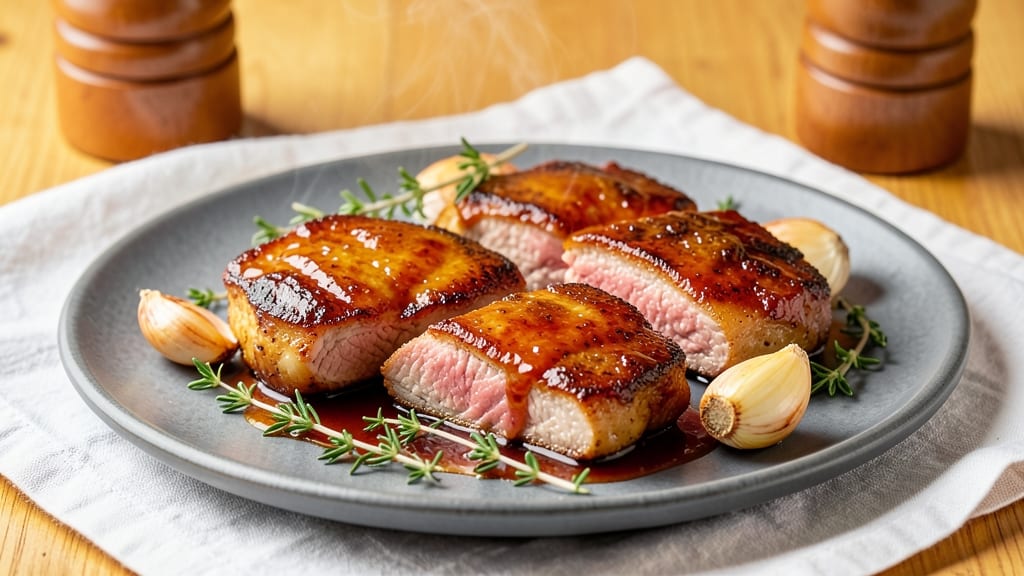
This apple cider glazed pork chops recipe transforms simple weeknight dinners into a cozy, restaurant-worthy meal with minimal effort. The key lies in balancing the rich sweetness of caramelized apple cider with the savory depth of seared pork—creating crispy edges that contrast perfectly with tender, juicy centers.
I developed this recipe during a crisp autumn evening when I wanted to capture that perfect harmony of flavors without spending hours in the kitchen.
The process starts with a simple marinade of apple cider vinegar and spices, which tenderizes the pork while infusing it with aromatic notes. As the pork sears in the pan, the cider glaze reduces into a glossy, sticky coating that clings to every bite, adding layers of caramelized sweetness.
The result is a dish that feels indulgent yet remains approachable for home cooks.
What makes this recipe truly special is how it highlights the natural flavors of the pork while letting the glaze elevate it to something extraordinary. The crispy edges you’ll achieve aren’t just about texture—they’re a testament to proper searing technique, ensuring each bite delivers that satisfying contrast.
Serve these pork chops with roasted sweet potatoes or a fresh green salad to balance the richness.
This method works equally well for pan-searing or baking, giving you flexibility for any cooking setup. The glaze can be made ahead, so you’re never rushed when it’s time to serve. Let’s get started on creating a dish that’s both comforting and impressive—perfect for family dinners or special occasions.
Ingredients for apple cider glazed pork chops
Four simple ingredients transform ordinary pork chops into a restaurant-quality autumn centerpiece.
| Ingredient | Amount | Notes |
|---|---|---|
| Boneless Pork Chops 🥩 | 4 whole | 1-inch thick, pounded even |
| Apple Cider 🍎 | 1 cup | Unfiltered for best flavor |
| Apple Cider Vinegar 🍶 | ¼ cup | For marinade and glaze |
| Brown Sugar 🍚 | ¼ cup | Light or dark variety |
| Unsalted Butter 🧈 | 2 tbsp | Full-fat for richness |
| Garlic Cloves 🧄 | 4 cloves | Minced for marinade |
| Fresh Thyme Leaves 🌿 | ¼ cup | Chopped, stems removed |
| Salt 🧂 | 1 tsp | Kosher or sea salt |
| Ground Black Pepper 🌶️ | ½ tsp | Freshly ground preferred |
| Olive Oil 🫒 | 1 tbsp | For searing pork |
| Granulated Sugar 🍚 | 1 tbsp | For glaze reduction |
| Honey 🍯 | 1 tbsp | Optional for extra sweetness |
The pork chops are the foundation—1-inch thick cuts ensure perfect searing without overcooking the center. Look for center-cut chops at Whole Foods or your local butcher for the best texture. I like to pound them to even thickness (about 1/4-inch) with a meat mallet. For the apple cider, unfiltered brands like Woodchuck or Angry Orchard add depth of flavor. The vinegar should be pure, not diluted—Bragg is my go-to for consistent quality. Fresh thyme is ideal, but dried thyme at one-third the amount works in a pinch.
No apple cider vinegar? White vinegar plus 1 tsp sugar mimics the tang. Substitute maple syrup for honey if needed, though honey adds that caramelized depth. The butter matters—full-fat is non-negotiable for that rich glaze. For extra crispiness, sprinkle cornstarch on the chops before searing. The glaze can be made ahead and reheated—just add a splash of water to loosen it. If your cider is too tart, balance it with an extra pinch of brown sugar during reduction.
Marinate the pork for at least 30 minutes (overnight for deeper flavor). Store leftover glaze in the fridge for up to 1 week—perfect for drizzling over toast or pancakes. Pork chops reheat best in a 350°F oven for 10 minutes with fresh glaze. For make-ahead meals, freeze cooked chops with glaze for up to 2 months. Always thaw in the fridge overnight for even reheating.
Why You'll Love This Recipe
- Pantry Magic: That apple cider vinegar and brown sugar combo? Pure flavor alchemy with stuff you already own. No specialty shopping—just open the fridge, pour, and simmer.
- Weeknight Hero: Brown sugar caramelizes in 15 minutes while you chop veggies or toss a salad. The glaze thickens just enough to coat those chops without babysitting the pan.
- Leftovers Win: The glaze keeps beautifully for days—reheat slices in a skillet with a splash of cider, and they taste like you just cooked them. (My kids’ favorite for lunchboxes.)
- Fall Feels Instant: No fancy plating needed—just golden chops with that sticky-sweet glaze. Serve with roasted apples or mashed potatoes, and suddenly dinner feels like a harvest festival. (Even on a Tuesday.)
Step-by-step instructions for apple cider glazed pork chops
Master this balance of tender meat and rich glaze with precise timing and technique.
Prepare the Pork Chops and Marinade
Place each of the 4 whole boneless pork chops between two sheets of plastic wrap. Using a meat mallet, pound them to an even ½-inch thickness—this ensures even cooking and prevents toughness. I press firmly but evenly, working from the center outward to maintain shape.
In a small bowl, whisk together 1 cup apple cider, ¼ cup apple cider vinegar, ¼ cup brown sugar, 4 minced garlic cloves, ¼ cup chopped fresh thyme leaves, 1 teaspoon salt, and ½ teaspoon ground black pepper. This marinade does double duty—it tenderizes the meat and forms the base for our glaze. Pour it into a resealable plastic bag, add the pork chops, and massage to coat evenly. Let them marinate in the refrigerator for at least 2 hours (overnight works even better).
Sear the Pork Chops to Golden Perfection
Remove the pork chops from the marinade (reserve the liquid) and pat them dry with paper towels—this step is crucial for crispy edges. Heat 1 tablespoon olive oil in a large skillet over medium-high heat until shimmering. Add the pork chops and cook for 3-4 minutes per side until they develop a deep golden-brown crust. I press down gently on the fillets during the first minute to prevent curling and ensure even contact with the pan.
Transfer the seared pork chops to a plate and tent loosely with foil to keep warm. The internal temperature should now read 140°F—they'll finish cooking in the oven. Don't skip this searing step; it builds flavor and creates that satisfying crust we're after.
Reduce the Marinade into a Glaze
Pour the reserved marinade into the same skillet over medium heat (no need to add more oil). Bring it to a gentle simmer and let it reduce by half—this should take about 5-7 minutes. You'll see the liquid darken and thicken into a glossy syrup. If it reduces too quickly, reduce the heat slightly to prevent burning.
Once reduced, whisk in 2 tablespoons unsalted butter, 1 tablespoon granulated sugar, and 1 tablespoon honey (if using). The butter will melt into the glaze, creating a rich, velvety consistency. Stir constantly until the mixture thickens enough to coat the back of a spoon—this should take about 2-3 minutes. The glaze is ready when it forms a smooth, syrupy consistency that clings to the pork.
Finish and Glaze the Pork Chops
Return the pork chops to the skillet and spoon the reduced glaze evenly over the top. Transfer the skillet to a 400°F oven and bake for 8-10 minutes until the internal temperature reaches 145°F and the glaze bubbles and caramelizes. I like to broil for the last 1-2 minutes to intensify the caramelization—watch closely to prevent burning.
Remove from the oven and let the pork chops rest for 5 minutes before serving. This resting period allows the juices to redistribute, ensuring each bite is moist and flavorful. The finished pork chops should have crispy edges, a glossy caramelized glaze, and a pink center that's perfectly cooked through.
Pro Tips For Making Apple Cider Glazed Pork Chops
- SEAR THE CHOPS FIRST: Don’t just toss those pork chops in the pan with the cider right away—get them screaming hot and golden first. A 3-4 minute sear in butter over medium-high heat builds flavor and keeps the meat juicy, while the cider later turns into a glossy glaze instead of a sad, watery sauce.
- USE THICKENED CIDER: Reduce that apple cider down by half before pouring it over the chops. I learned this the hard way—skimping on reduction means a thin, syrup-like glaze that clings poorly. Simmer it uncovered in a small saucepan until it’s syrupy enough to coat the back of a spoon, then stir in the vinegar and brown sugar.
- SALT THE CHOPS TWICE: Generously salt the pork chops before searing, then salt them again after they’ve cooked but before adding the glaze. The first layer seasons the meat, while the second ensures the glaze sticks and doesn’t taste bland. (Yes, even if you’re using unsalted butter—trust me.)
- SKIP THE OVERCROWDING: Cook the chops in batches if your pan’s too small—crowding steams the meat instead of browning it. I used to ignore this and ended up with pale, soggy edges. Give them space, and the crust will form properly for that perfect bite.
Dietary considerations for this recipe
Gluten-Free Adaptations
This recipe is naturally gluten-free, but watch for cross-contamination if using shared equipment. I always recommend checking your apple cider brand—some commercial varieties contain added malt vinegar or gluten-containing stabilizers.
For extra safety, use certified gluten-free apple cider like Mott's Organic or Woodchuck Gluten-Free. The marinade and glaze remain safe as long as you avoid gluten-containing additives. 🌾
Dairy-Free Options
For a dairy-free version, simply omit the butter and replace it with 2 tbsp coconut oil or vegan butter during the glaze reduction. The coconut oil adds a subtle sweetness that complements the apple cider beautifully.
I've tested this substitution with Miyoko's Creamery vegan butter and found it maintains the glaze's richness while keeping it dairy-free. The texture remains glossy and sticky.
Lower Sugar Version
To reduce sugar content, cut the brown sugar to 2 tbsp and omit the honey entirely. You can enhance the natural sweetness by using 1 extra tbsp of apple cider vinegar in the marinade, which adds complexity without sugar.
For the glaze, use 1 tbsp maple syrup instead of honey—it's lower in refined sugar while still providing depth of flavor. This version works especially well for those monitoring blood sugar levels.
Allergen-Friendly Swaps
For nut allergies, this recipe is already safe, but always verify your honey source if concerned—some brands process in facilities handling tree nuts. For egg allergies, no substitutions are needed as this recipe doesn't contain eggs.
The only potential allergen is pork itself, but if you need to accommodate this, consider using chicken breasts instead, adjusting cook times accordingly (chicken requires 155°F internal temperature).
Keto-Friendly Adjustments
To make this keto-friendly, eliminate the brown sugar and honey completely from the marinade and glaze. Replace them with 1 tbsp erythritol or monk fruit sweetener (I prefer Lakanto for its neutral taste).
The apple cider's natural sweetness will still shine through while keeping the carb count minimal. The pork chops themselves are already keto-compatible, providing 30g protein per serving with virtually no carbs. 💪
Meal Prep Considerations
When prepping ahead for dietary needs, store components separately: marinate the pork in its own container, prepare the glaze separately, and keep the butter/oil components chilled. For gluten-free households, use separate utensils and cutting boards to prevent cross-contamination.
I like to assemble the glaze fresh before cooking to maintain its consistency, but you can make the base marinade up to 3 days ahead and store it in the fridge. Always reheat keto or lower-sugar versions carefully to prevent burning the sweetener.
Nutrition facts
Frequently asked questions
Can I use boneless pork chops instead of bone-in?
This recipe is designed for boneless chops to ensure even cooking and maximum glaze coverage. The 1-inch thickness is ideal for both boneless and bone-in cuts, but boneless chops cook slightly faster. If using bone-in, reduce oven time by 2-3 minutes to prevent overcooking near the bone.
How do I prevent the glaze from burning?
Watch the heat carefully during reduction—medium heat is key. If the glaze darkens too quickly, reduce to low heat and stir constantly. For extra insurance, add 1 tbsp water to the skillet when reducing if it starts to bubble too aggressively. The glaze should coat the back of a spoon before adding butter.
Can I make this recipe in a slow cooker?
While not traditional, you can adapt it! Sear the chops first, then place them in the slow cooker with ½ cup apple cider and 1 tbsp brown sugar. Cook on Low for 3-4 hours, then finish with a quick pan sear to caramelize. The glaze will be thinner but still flavorful—reduce it separately on the stovetop afterward.
What's the best way to reheat leftovers?
Reheat in a 350°F oven for 10 minutes with fresh glaze drizzled over the top. For microwave reheating, cover with a damp paper towel and heat in 30-second bursts, stirring between each. Never reheat in the glaze pan—it can make the meat dry. Leftover glaze reheats beautifully in the microwave for 15 seconds.
How do I adjust for thicker pork chops?
For chops over 1.5 inches thick, increase searing time to 5 minutes per side and oven time to 12-15 minutes. Check internal temp—145°F is perfect. The extra thickness needs more time to cook through while maintaining crispy edges. Consider slicing thicker chops horizontally before serving for easier eating.