
Main Courses
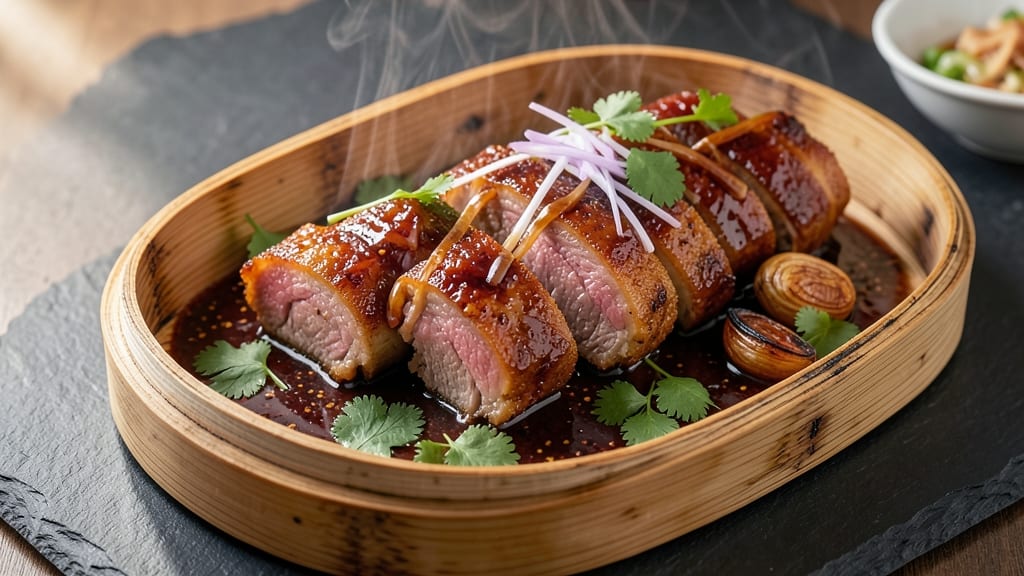
This Asian pork shank recipe transforms tough cuts into melt-in-your-mouth perfection through slow braising and aromatic five-spice. 🌟 As a pitmaster who's spent years perfecting pork techniques, I've developed a method that delivers restaurant-quality tenderness with minimal effort—ideal for weeknight dinners or special occasions.
The secret lies in marinating the shanks overnight, allowing the spices to penetrate deeply while the acid tenderizes the meat.
The five-spice blend creates a fragrant backbone that pairs beautifully with the deep umami of soy sauce and the sweetness of brown sugar. We'll braise the pork at 325°F until it falls apart effortlessly, creating a rich sauce that coats every bite.
This technique works equally well for Japanese tonkatsu-inspired dishes or Chinese red-braised pork, offering versatility for any Asian-inspired menu.
What you'll achieve is silky pork shanks with a tender, almost buttery texture, surrounded by a glossy sauce that's perfect for serving over steamed rice or noodles. The aroma alone will fill your kitchen with warmth, while the flavors deliver that perfect balance of sweet, savory, and aromatic complexity.
This is comfort food at its finest—substantial enough for a family meal but elegant enough for guests.
Pair with quick-pickled vegetables or sesame green beans to complete the meal. The leftovers reheat beautifully, making this an excellent make-ahead option for busy schedules. Let's get started on creating pork shanks that'll have everyone asking for seconds.
Ingredients for asian pork shank
Fourteen ingredients transform tough pork into restaurant-quality melt-in-your-mouth shanks with aromatic five-spice and umami richness.
| Ingredient | Amount | Notes |
|---|---|---|
| Pork Shanks 🐖 | 2 lb | Bone-in, 1.5-inch thick |
| Five-Spice Powder 🌶️ | 2 tsp | Authentic Chinese blend |
| Soy Sauce 🥢 | ½ cup | Kikkoman preferred |
| Brown Sugar 🍯 | ¼ cup | Packed light brown |
| Garlic Cloves 🧄 | 6 cloves | Peeled, smashed |
| Fresh Ginger 🌿 | 2 tbsp | Grated, aromatic |
| Red Wine 🍷 | ½ cup | Dry Cabernet Sauvignon |
| Beef Broth 💧 | 1 cup | Low-sodium preferred |
| Honey 🍯 | 1 tbsp | Wildflower preferred |
| Cornstarch 🌾 | 1 tbsp | For sauce thickening |
| Sesame Oil 🫒 | 1 tsp | Toasted, aromatic |
| Green Onions 🧅 | 3 whole | Sliced, for garnish |
| Vegetable Oil 🫒 | 2 tbsp | For searing |
| Diamond Crystal Kosher Salt 🧂 | 1 ½ tsp | For seasoning |
| Freshly Ground Black Pepper 🌶️ | ½ tsp | Freshly cracked |
The pork shanks are the star—bone-in cuts from the butcher counter deliver maximum flavor. Look for 1.5-inch thick pieces with good marbling. I always ask my butcher to cut them evenly; Costco or Whole Foods have excellent pre-cut options if you're short on time. The five-spice powder is non-negotiable here—Penzeys or Spicewalla carry authentic blends that make all the difference. Fresh ginger and garlic should smell vibrant, not musty, and the red wine should be dry enough to balance the sweetness without tasting like fruit punch.
No five-spice powder? Mix 1 tsp each cinnamon, cloves, fennel, star anise, and Szechuan peppercorn for a DIY version. Swap the red wine for extra beef broth plus 1 tbsp balsamic vinegar if you're avoiding alcohol. The brown sugar can be light or dark—muscovado adds molasses notes if you want complexity. For a quicker prep, use pre-minced garlic and ginger from the jar, though fresh is always better. The sesame oil should be toasted—La Choy or Kadoya are my go-tos for that nutty aroma.
Marinate the pork overnight for maximum tenderness, then sear it until golden before braising. The sauce thickens beautifully—reheat gently on low to preserve that glossy finish. Leftovers keep 4-5 days in the fridge or 3 months frozen. I double the batch and freeze half for lazy weeknights. Garnish with fresh green onions right before serving—they add a bright contrast to the rich, caramelized sauce.
Why You'll Love This Recipe
- One-Pot Magic: Honestly, I swear by this recipe when I’m too tired to wash dishes. Brown the shanks in a heavy pot, toss in garlic and five-spice, then let the soy and sugar do their thing—no extra pans, no fuss.
- Sweet-Savory Crunch: The brown sugar caramelizes into a glossy glaze while the five-spice powder adds this warm, earthy depth. That crispy edge on the shanks? Absolute perfection—like a hug in your mouth.
- Meal Prep MVP: Between us, this is my go-to for busy weeks. Cook a big batch on Sunday, and you’ve got flavorful leftovers for lunches or a quick dinner. The sauce thickens beautifully when reheated—no soggy moments.
- Budget-Friendly Feast: Pork shanks stretch further than chicken thighs, and the five-spice and soy sauce make it feel special without breaking the bank. I’ll be real: my family thinks it’s restaurant-quality, but my wallet’s happier.
Step-by-step instructions for Asian pork shanks with five-spice glaze
Here's how to transform tough pork shanks into melt-in-your-mouth tender morsels with a glossy, aromatic sauce.
🔥 Step 1: Sear the Pork Shanks to Lock in Juices
Pat the 2 lb pork shanks completely dry with paper towels—this ensures maximum browning. Heat 2 tbsp vegetable oil in a heavy Dutch oven over medium-high heat until shimmering. Place the pork shanks in the pan and sear for 4-5 minutes per side until deeply golden brown with crisp edges.
I press down gently on the shanks during the first minute to prevent curling—this ensures even contact with the pan. The goal is to develop a deep mahogany crust that will later dissolve into the sauce. Don't overcrowd the pan or the temperature will drop and you'll steam instead of sear. Once browned, transfer the shanks to a plate and set aside temporarily.
👨🍳 Step 2: Build the Flavor Base with Aromatics
In the same Dutch oven (those browned bits are pure flavor), add 2 tbsp grated fresh ginger and 6 smashed garlic cloves. Cook for 1-2 minutes until fragrant and the ginger becomes aromatic—you should smell that bright, zesty punch. Add 2 tsp five-spice powder and toast for 30 seconds while stirring constantly to prevent burning.
Here's where the magic happens: pour in 0.5 cup dry red wine and scrape up all those delicious browned bits from the bottom of the pan. Let the wine simmer for 2 minutes until reduced by half. The alcohol will cook off, leaving behind concentrated wine flavor that forms the foundation of your sauce.
🥘 Step 3: Braise Until Fork-Tender
Return the pork shanks to the Dutch oven. Add 0.5 cup soy sauce, 0.25 cup packed brown sugar, 1 cup beef broth, and 1 tbsp honey. Bring to a gentle simmer, then cover tightly with a lid. Reduce heat to low and braise for 2.5-3 hours until the pork is fork-tender and falls apart easily.
The key is patience—don't rush this step. The pork should have a deep reddish-brown sauce clinging to it, and when you pierce it with a fork, it should slide in like butter. If the liquid reduces too quickly, add a splash of water or broth to maintain a thin sauce consistency. I check at the 2-hour mark and adjust heat as needed to maintain a gentle simmer.
🍳 Step 4: Thicken the Glossy Sauce
Once the pork is tender, remove the shanks and set them aside. In a small bowl, whisk together 1 tbsp cornstarch and 2 tbsp of the braising liquid until smooth. Pour this mixture back into the Dutch oven and bring to a gentle simmer. Cook for 3-5 minutes until the sauce thickens to a glossy, coatable consistency.
Taste and adjust seasoning with additional soy sauce if needed. The sauce should balance sweet, salty, and umami flavors. Return the pork shanks to the sauce and let them soak for 5 minutes to absorb all that delicious liquid. Stir in 1 tsp sesame oil just before serving for that signature aromatic finish.
🍽️ Step 5: Garnish and Serve Warm
Divide the pork shanks and sauce among serving plates. Garnish each portion with 3 sliced green onions for freshness and color contrast. Serve immediately with steamed jasmine rice or egg noodles—each bite should deliver tender, juicy pork with a rich, aromatic sauce that clings beautifully.
This dish tastes even better the next day as the flavors deepen, so it makes great leftovers. The five-spice powder adds complexity that makes this simple braise extraordinary—don't skip it! The secret to restaurant-quality results is that low-and-slow braise that transforms tough meat into melt-in-your-mouth perfection.
Pro Tips For Making Asian Pork Shank
- SEAR THE SHANKS FIRST: Walk away from the stove for 10 minutes after browning—let those fond bits cool slightly before adding liquid. I used to rush this and ended up with a gray, watery sauce instead of a rich, caramelized one. The patience pays off when you deglaze later.
- USE COLD WATER FOR BRAISING: Cold water, not hot, in the Dutch oven. It might sound counterintuitive, but it gives the pork shanks time to absorb the five-spice powder and soy sauce deeply before the liquid heats up. My grandmother swore by this, and the meat stays juicier.
- STIR THE BROWN SUGAR: Whisk the brown sugar into the soy sauce before adding it to the pan. That way, it dissolves completely and coats the pork evenly instead of clumping into sticky globs. I learned this the hard way—skipping this step means half the sugar ends up as sludge at the bottom.
- GARLIC: SMASH IT, DON’T CHOP: Pound the garlic cloves with the flat side of your knife before adding them to the pan. It releases more flavor and blends into the sauce instead of sitting as whole cloves. Sounds weird, but it works—your future self will notice the difference.
Essential equipment for this dish
Dutch Oven Essentials
Your Dutch oven is the unsung hero of this recipe—it's the perfect vessel for searing, braising, and thickening the sauce all in one pot.
I swear by a Lodge 5.5-quart cast iron Dutch oven for its even heat distribution and durability, but All-Clad Stainless Steel works beautifully too if you prefer lighter weight. The deep sides prevent spills during the long braise, and the tight-fitting lid traps steam for maximum tenderness. 🔥
Precision Thermometer
Never guess your pork's doneness again—an instant-read thermometer is non-negotiable. I use the ThermoWorks Smoke because it's fast and accurate, but the Meater Plus is my backup for its Bluetooth capabilities.
Insert the probe into the thickest part of the shank (avoiding bone) and aim for 203°F—this ensures melt-in-your-mouth texture without drying out. A good thermometer also helps monitor your oven temperature during braising.
Marinating Containers
For overnight marinating, use glass or food-grade plastic containers with tight-sealing lids to prevent leaks. I prefer Cambro 1/2-gallon containers for their durability and stackability, but any airtight container will work. If using plastic, ensure it's labeled "for food storage" and can handle temperature fluctuations.
Pro tip: Place the container in the fridge on a tray to catch any potential drips—this recipe's marinade is potent stuff!
Tongs for Searing
Invest in a sturdy pair of heat-resistant tongs—I use OXO Good Grips with silicone handles that stay cool. These let you safely flip the shanks without burning your hands during the high-heat sear.
The angled head helps maneuver the thick cuts without crowding the pan. Avoid metal tongs that can scratch your Dutch oven's seasoning over time.
Slotted Spoon for Sauce
A long-handled slotted spoon is your best friend when transferring the pork shanks in and out of the sauce. I recommend Mercer Culinary Genesis for their sturdy construction and comfortable grip. The slots allow sauce to drain while keeping the shanks intact.
Use it carefully during the braising phase to skim any foam that rises to the surface—this keeps your sauce clear and elegant.
Garnish Tools
For that restaurant-quality finish, keep a sharp chef's knife and microplane handy for fresh ginger and garlic. I also use a small offset spatula to spread sesame oil evenly over the finished dish.
The green onions should be sliced on the bias for maximum visual appeal—think of them as edible confetti that brightens the rich, caramelized sauce. 🌿
Nutrition facts
Frequently asked questions
Can I substitute bone-in pork shanks with boneless pork shoulder?
You can try, but the results won't be the same. Bone-in shanks stay moister and develop more flavor during braising. If using boneless pork shoulder, cut it into 1.5-inch thick chunks and braise for 3-4 hours instead. The meat will be slightly less tender but still delicious.
How do I make this recipe without red wine?
No problem! Replace the 0.5 cup red wine with 0.5 cup beef broth plus 1 tbsp balsamic vinegar for depth. The acidity helps tenderize the meat and balances the sweetness. For extra umami, add 1 tsp Worcestershire sauce to the braising liquid.
Why did my pork shanks turn out dry instead of tender?
Most likely, they weren't braised long enough or the oven temperature was too high. Aim for 203°F internal temperature using a meat thermometer. If your oven runs hot, reduce heat to 300°F and braise for 3-4 hours. Also ensure your Dutch oven has a tight lid to trap moisture.
Can I make this recipe in an Instant Pot?
Sear the shanks first in a skillet, then transfer to the Instant Pot with all ingredients except cornstarch. Cook on high pressure for 60 minutes, then quick-release. Finish by thickening the sauce on the stove with cornstarch slurry. The texture will be slightly different but still delicious.
What's the best way to reheat leftovers?
Gently reheat in the same Dutch oven over low heat with a splash of water or broth to restore moisture. Avoid microwaving as it can make the meat tough. For extra flavor, add 1 tsp sesame oil and 1 tbsp soy sauce while reheating. Leftovers keep 4-5 days in the fridge.