
Main Courses
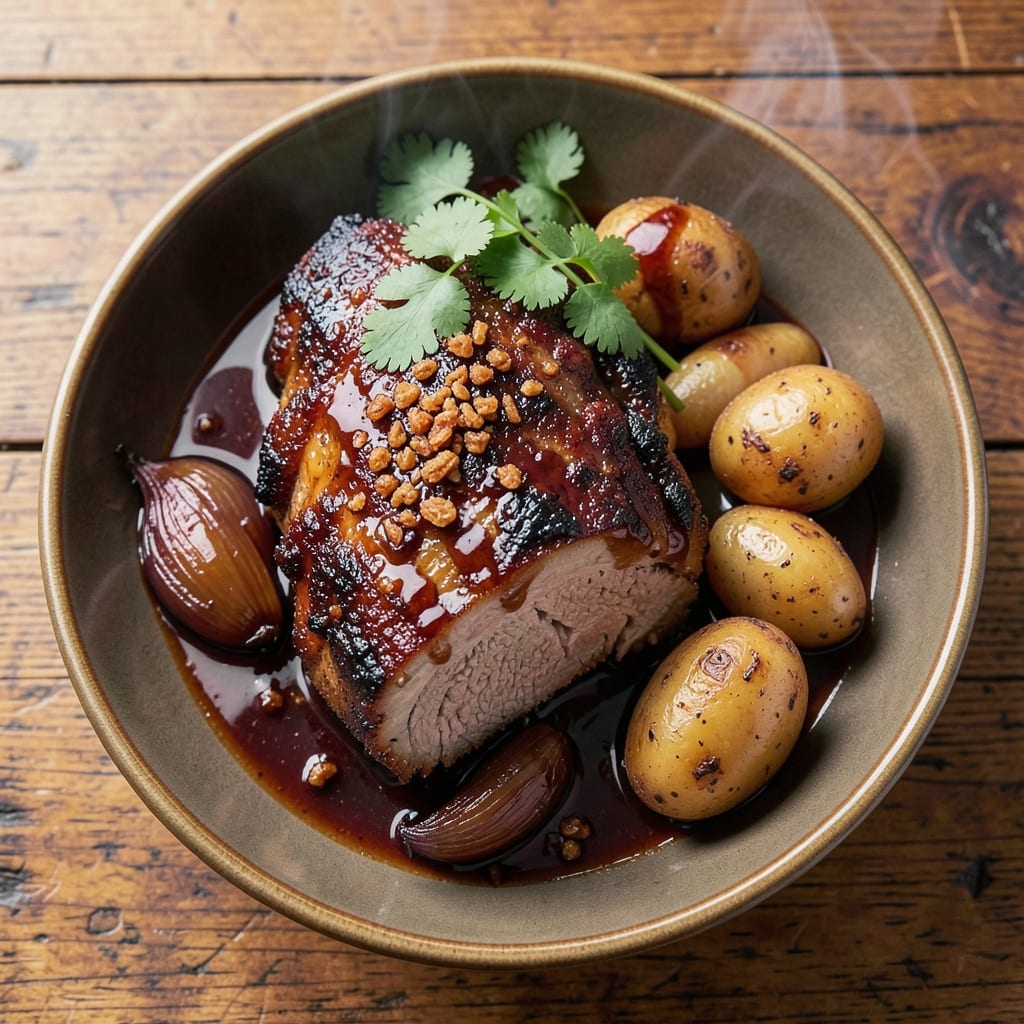
This BBQ boneless pork roast recipe delivers smoky, tender perfection without the fuss of ribs or whole hogs. I perfected it during a busy week when I needed crowd-pleasing pork that stayed juicy and flavorful—no guesswork, just reliable results. The secret lies in a dry rub that creates a deep bark while keeping the interior melt-in-your-mouth tender.
What sets this recipe apart is the two-stage cooking method: a high-heat sear for flavor development, followed by low-and-slow roasting to render fat and tenderize the meat. I use a simple salt-sugar-spice blend with smoked paprika and brown sugar for that classic BBQ profile, but the technique works with any rub you prefer. The boneless cut cooks faster than a whole roast, making it ideal for weeknight dinners or game day gatherings.
By the time you pull this roast from the oven, you’ll have a golden, crackling crust with meat so tender it practically falls apart. The internal temperature should reach 195°F for maximum juiciness, and a 10-minute rest ensures every slice stays moist. Serve it sliced thick, topped with extra BBQ sauce, and paired with cornbread or coleslaw for a meal that feels like a Southern feast.
This method works equally well in the oven, on a grill, or even in a slow cooker—just adjust the time. I’ve tested it with heritage pork from my farm and store-bought cuts, and both deliver the same restaurant-quality results. The best part? No bones to pick, no hours of smoking, and no mess. Let’s make this roast.
Ingredients for bbq boneless pork roast
Pork roast, smoky rub, and two-stage cooking—everything you need for restaurant-quality BBQ without the fuss.
| Ingredient | Amount | Notes |
|---|---|---|
| Boneless Pork Roast 🐖 | 4 lb | Heritage pork preferred for flavor |
| Smoked Paprika 🌶️ | 2 tbsp | For deep smoky flavor |
| Brown Sugar 🍯 | 1 tbsp | Light or dark variety |
| Kosher Salt 🧂 | 1 ½ tbsp | Diamond Crystal preferred |
| Ground Black Pepper 🌶️ | 1 tbsp | Freshly ground for best flavor |
| Garlic Powder 🧄 | 1 tbsp | Freshly ground preferred |
| Onion Powder 🧅 | 1 tbsp | For balanced depth |
| Olive Oil 🫒 | 2 tbsp | For high-heat searing |
| Yellow Onion 🧅 | 1 whole | Thinly sliced for garnish |
| Fresh Rosemary 🌿 | ¼ cup | Chopped, for aroma |
| Fresh Thyme 🌿 | ¼ cup | Leaves only, chopped |
| BBQ Sauce 🍅 | ½ cup | For serving, optional |
| Cornbread Mix 🍞 | 1 box | For serving suggestion |
| Coleslaw Mix 🥬 | 1 bag | For serving suggestion |
The pork cut makes all the difference. Heritage pork from local farms has more marbling, but store-bought boneless pork roasts work perfectly too—just look for cuts with visible fat. I usually grab mine from Costco when I'm planning ahead, but Kroger's or Whole Foods carry great options too. The key is trimming any excess fat before applying the rub—it'll render beautifully during the roast. If you're using a thicker cut, score the surface lightly with a knife to help the rub penetrate deeper (that's my secret for extra flavor).
No smoked paprika? Substitute with a mix of regular paprika and a pinch of liquid smoke—just don't overdo it. The brown sugar is non-negotiable for that classic caramelized bark, but if you're watching sugar, swap it for turbinado sugar at half the amount. Fresh herbs make a difference, but dried rosemary and thyme at one-third the amount work in a pinch. For the olive oil, avocado oil has a higher smoke point if you're searing at high heat. And if you're feeling fancy, add a dash of cayenne to the rub for a little kick—trust me, it elevates everything.
This roast stays juicy for 3-4 days in the fridge, but honestly, it's even better the next day once all the flavors meld. For leftovers, slice it thin and reheat in a skillet with a splash of BBQ sauce—game changer. Freezes beautifully for up to 3 months too. I always make extra because it disappears fast. Store it wrapped tightly in foil, and let it come to room temperature before reheating for the best texture. The cornbread and coleslaw? Make those fresh day-of—they're the perfect partners for soaking up all that smoky goodness.
Why You'll Love This Recipe
- Foolproof Prep: Honestly, this roast takes less effort than ordering takeout. You’re basically rubbing a few spices—smoked paprika, brown sugar, salt, and pepper—onto the pork and popping it in the oven. No brining, no basting, no stress.
- Smoky-Sweet Magic: That combo of smoked paprika and brown sugar? It turns plain pork into something ridiculously good—tender, sticky, and packed with a deep, caramelized crust. The kind of flavor that makes people ask, "What’d you do to it?"
- Weeknight & Party Hero: I’ve served this for lazy Tuesdays and Sunday dinners, and it’s always a hit. Slice it thin for sandwiches, serve it whole for a crowd, or shred it for tacos—it works everywhere. (Yes, even on a Tuesday night.)
- Budget Leftovers Win: A single roast feeds my family for days, and the leftovers? Even better the second time around. The meat stays juicy, the sauce clings, and it reheats like a dream—meaning less cooking, more time for actual meals.
Step-by-step instructions for BBQ boneless pork roast
Here's how to transform a simple pork roast into a showstopping centerpiece with irresistible bark and melt-in-your-mouth tenderness.
Prepare the Rub and Season the Pork
In a small bowl, combine the 2 tbsp smoked paprika, 1 tbsp brown sugar, 1.5 tbsp kosher salt, 1 tbsp ground black pepper, 1 tbsp garlic powder, and 1 tbsp onion powder. Mix well until the spices are evenly distributed and the sugar is fully incorporated. This dry rub will create that signature smoky bark while keeping the meat juicy.
Pat the 4 lb boneless pork roast completely dry with paper towels—this is crucial for crispy bark. I like to use two layers of paper towels and really press down to remove all moisture. Then, generously coat the pork with the rub, pressing it into the surface so it adheres well. Don't be shy with the seasoning; you want a thick, flavorful crust that won't fall off during cooking. Let the seasoned pork sit at room temperature for 30 minutes before roasting.
Sear the Pork for Maximum Flavor
Heat a large oven-safe skillet over medium-high heat and add the 2 tbsp olive oil. Once the oil is shimmering (about 2 minutes), carefully place the pork roast in the skillet, fat-side down. Let it sear undisturbed for 5-6 minutes until a deep golden-brown crust forms. This initial sear locks in juices and builds layers of flavor.
Flip the pork and sear the other side for another 4-5 minutes. You'll know it's ready when the crust is dark and the pork releases easily from the pan. Transfer the skillet to a 425°F preheated oven, placing it on the middle rack. The residual heat will help carry the pork to the perfect internal temperature.
Roast Until Juicy Perfection
Roast the pork for 30-35 minutes until the internal temperature reaches 145°F on a meat thermometer inserted into the thickest part of the roast. Here's the thing—pork continues cooking as it rests, so don't overcook it. The 145°F mark ensures it finishes at a safe 160°F while staying tender.
During the last 10 minutes of roasting, place the 1 whole yellow onion on a small baking sheet and roast it alongside the pork. This creates a caramelized topping for the pork that adds sweetness and depth. When the pork reaches temperature, remove it from the oven and tent loosely with aluminum foil. Let it rest for 15 minutes before slicing—this resting period is non-negotiable for juicy results.
Create the Smoky Garnish and Serve
While the pork rests, finely chop the 0.25 cup fresh rosemary and 0.25 cup fresh thyme. In a small bowl, combine these herbs with the roasted onion slices and a drizzle of the 0.5 cup BBQ sauce (if using). This mixture becomes the perfect topping that ties all the flavors together.
Slice the pork against the grain into ½-inch thick portions and arrange on a serving platter. Spoon the herb-onion mixture over the top, letting the juices from the pork blend with the caramelized onion and herbs. Serve immediately with the cornbread mix prepared separately (as directed on the box) and a fresh coleslaw mix tossed with your favorite dressing. The contrast of crisp, cool slaw and warm, smoky pork makes every bite unforgettable.
Pro Tips For Making Bbq Boneless Pork Roast
- CRANK THE HEAT FIRST: Start your pork roast over medium-high heat—no simmering yet. After 3-4 minutes of searing, the crust locks in flavor and prevents the sugar in your brown sugar rub from burning before the meat cooks through. (Yes, even if you’re impatient like me, resist the urge to rush this.)
- PAT DRY BEFORE SEASONING: Wipe the pork roast with paper towels until it’s bone-dry. Moisture on the surface keeps the smoked paprika from sticking properly, and you’ll end up with a weak, patchy crust instead of that deep, caramelized bark you’re after.
- SKIP THE CROWDED PAN: If you’re cooking multiple pieces, do them in batches. A crowded pan steams the meat instead of browning it, and your brown sugar will turn into a sticky mess faster than you can say “sauce disaster.” Give each roast space—it’s worth the extra 5 minutes.
- REST IT UNDER FOIL: After pulling the pork from the oven, tent it loosely with foil and let it sit for 5-10 minutes. This keeps the juices from pooling out when you slice, and the crust stays intact—no sad, dry edges here. (I learned this the hard way after serving a roast that wept like a sad romance novel.)
Regional styles of this dish
Southern Carolina Style
In Charleston, we take pork roasts seriously—this is where I learned to balance sweet and smoky flavors. The key is using yellow mustard in the rub (about 1 tbsp) alongside the smoked paprika. The mustard tenderizes the meat while adding a tangy depth. I also add ½ tsp cayenne for a subtle kick that locals love. Serve with peach cobbler for that perfect Southern pairing—trust me, the sweet-tart contrast is unbeatable. 🌶️
Texas BBQ Twist
Texas chefs focus on bold, beefy flavors, but they nail pork too. Swap the brown sugar for 1 tbsp granulated sugar and add 1 tsp ground cumin to the rub. The cumin gives it that signature Texan earthiness. Cook it in a smoker at 250°F for 4-5 hours instead of roasting—this slow method creates a deeper bark. Top with pickled jalapeños for heat and serve with white bread for dipping. 🔥
Georgia Country Ham Influence
Back home in Georgia, we love our pork with a touch of sweetness and heat. For this variation, add 1 tbsp honey to the rub and a pinch of ground coriander. Cook it in a cast iron skillet on the grill until the edges are caramelized. The honey creates a sticky, glossy bark that's irresistible. Pair it with collard greens slow-cooked with smoked turkey—a classic Georgia combo. 🌟
Midwest Slow Cooker Hack
Up north, they prefer convenience without sacrificing flavor. Use the same rub but cook the pork in a slow cooker on low for 6-8 hours. The slow cooker keeps it juicy without drying it out. For extra flavor, add ½ cup apple cider to the bottom of the pot—it steams the pork beautifully. Serve with mashed potatoes and gravy for a hearty Midwest-style meal. ❄️
Modern Fusion Approach
For a contemporary twist, marinate the pork overnight in ½ cup soy sauce, 1 tbsp ginger, and 1 tbsp sesame oil before applying the rub. This adds umami depth that pairs perfectly with the smoky flavors. Roast as directed, then drizzle with Asian-style BBQ sauce (like Lee Kum Kee) before serving. Garnish with sesame seeds and sliced green onions for a fusion that feels fresh yet familiar. 💫
Nutrition facts
Frequently asked questions
Can I use this recipe with a smaller or larger pork roast?
For a 2-3 lb roast, reduce cooking time by 20-25 minutes and use half the rub. For 5+ lb roasts, increase time by 15-20 minutes per pound and add 1 tbsp extra rub per pound. The key is maintaining the 145°F internal temp before resting—this ensures perfect doneness regardless of size.
What's the best way to store leftovers?
Slice the roast and store in an airtight container in the fridge for 3-4 days. For reheating, warm slices in a skillet with a splash of BBQ sauce or microwave for 30-45 seconds until steaming. Freeze leftovers for up to 3 months by wrapping tightly in foil—thaw overnight in the fridge before reheating.
Why does my pork turn out dry?
Overcooking is the #1 cause. Always pull the pork at 145°F internal temp—it'll rise to 160°F while resting. Also, patting the meat dry before seasoning is crucial for bark formation. If using a thicker cut, score the surface lightly to help moisture escape evenly during cooking.
Can I make this on a grill instead of the oven?
Yes! Sear the pork in a cast iron skillet first, then transfer to the grill over indirect medium heat. Cook for 25-30 minutes, turning occasionally, until reaching 145°F internal temp. The grill adds beautiful char marks—just watch for flare-ups from fat. For extra flavor, add wood chips to your grill.
What's the best BBQ sauce pairing?
Classic vinegar-based sauces like Sweet Baby Ray's or Stubb's complement the smoky rub perfectly. For tangy heat, try Texas Pete or a homemade chipotle sauce with lime. Pro tip: Brush sauce on during the last 5 minutes of cooking to prevent burning.