
Side Dishes
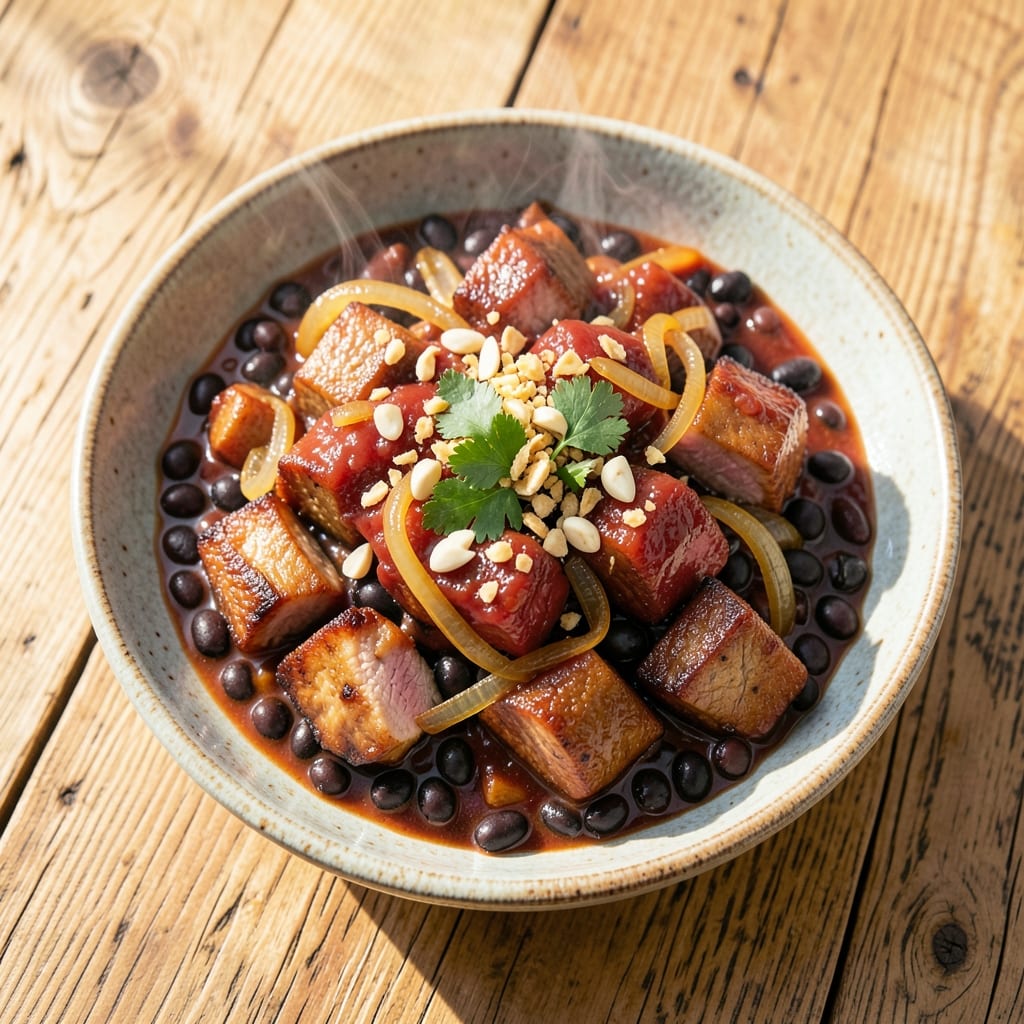
This black beans with pork panlasang Pinoy recipe transforms a simple one-pan meal into a symphony of Filipino flavors—where tender pork and hearty black beans meld in a rich, savory sauce. The secret lies in balancing traditional Filipino seasonings like soy sauce, garlic, and ginger with a touch of heat from chili, creating depth that lingers long after the last bite. I first discovered this dish while exploring Filipino comfort food, and it quickly became a staple in my home—especially when I need a dish that’s both filling and packed with umami.
The beauty of this recipe is its simplicity: one pan, minimal prep, and maximum flavor. You’ll start by browning pork shoulder in batches to build rich, caramelized layers of flavor, then simmer it with black beans, garlic, ginger, and a blend of soy sauce and vinegar. The result? A dish that’s tender, aromatic, and brimming with the kind of comfort that comes from slow-cooked goodness. It’s the kind of meal that tastes even better the next day, making it perfect for meal prep or feeding a crowd.
What makes this recipe truly special is how it captures the essence of Filipino home cooking—where every bite is a balance of sweet, salty, and slightly tangy. The black beans soak up the savory pork juices, while the garlic and ginger infuse warmth into every spoonful. The dish is hearty enough to stand alone but versatile enough to pair with steamed rice or crusty bread, depending on your preference. It’s the kind of recipe that feels like a hug in a bowl.
Ready in under 90 minutes, this one-pan wonder delivers restaurant-quality results without the fuss. Whether you're a Filipino food enthusiast or just love bold, flavorful dishes, this recipe is a game-changer. Let’s get cooking—your taste buds will thank you.
Ingredients for black beans with pork recipe panlasang pinoy
Six ingredients make this Filipino classic—where tender pork meets hearty black beans in a symphony of savory-sweet sauce.
| Ingredient | Amount | Notes |
|---|---|---|
| Pork Shoulder 🥩 | 2 lb | Bone-in for flavor, cut into 1-inch cubes |
| Dry Black Beans 🌱 | 1 ½ cups | Soaked overnight or quick-soaked 2 hours |
| Yellow Onions 🧅 | 2 whole | Medium, sliced into half-moons |
| Garlic Cloves 🧄 | 8 cloves | Minced, not pressed |
| Fresh Ginger 🌿 | 2 tbsp | Grated, peel removed |
| Canned Tomato Sauce 🍅 | 1 cup | No salt added preferred |
| Soy Sauce 🥄 | ½ cup | Filipino or regular soy sauce |
| Cane Vinegar 🍶 | ¼ cup | White or apple cider vinegar |
| Brown Sugar 🍯 | ¼ cup | Packed, light or dark |
| Bay Leaves 🍃 | 2 whole | Dried, crumbled after cooking |
| Black Peppercorns 🌶️ | 1 tsp | Whole, lightly crushed |
| Silicon Carrots 🥕 | 2 whole | Medium, sliced into rounds |
| Vegetable Oil 🫒 | 2 tbsp | For browning pork |
| Green Chili Peppers 🌶️ | 2 whole | Filipino siling labuyo or jalapeños |
| Salt 🧂 | 1 ½ tsp | Adjust to taste |
The pork shoulder is non-negotiable here—bone-in for that deep, meaty flavor. Filipino markets often carry pre-cut pork shoulder, but if you're at a regular grocery store, grab the largest cut you can find. Look for good marbling—this means more flavor when it cooks. I usually buy mine from Filipino grocery stores like Filipino Mart or Asian Food Grocer because they have the best cuts, but any well-stocked supermarket will have what you need. The black beans? Dry is best—soak them overnight for the most tender texture. If you're in a rush, quick-soak them in boiling water for 2 hours. Trader Joe's has a great dry black bean selection, but any canned beans will work in a pinch (just drain and rinse well).
No soy sauce? Coconut aminos is a great substitute, though it won't be as salty. Skip the vinegar? A splash of lemon juice gives the same tang. The brown sugar can be swapped for white sugar at half the amount, but the molasses notes in brown sugar are what make this dish sing. Fresh ginger is ideal, but if you've only got ground ginger, use half the amount—it's less potent. The chili peppers are key for that Filipino heat. Siling labuyo is the traditional choice, but jalapeños or Thai bird's eye chili work too. If you can't find them, a pinch of cayenne pepper gets you close.
This dish tastes even better the next day—honestly, it's a meal prep dream. Keeps for 4-5 days in the fridge, and freezes beautifully for 3 months. I always make a double batch because it reheats like a dream. Store it in an airtight container with a splash of water to keep it moist. The pork gets even more tender as it sits, soaking up all those delicious juices. Serve it with steamed rice to soak up every last bit of that savory sauce.
Why You'll Love This Recipe
- One-Pot Magic: I swear by this recipe when I’m too tired to scrub pots—just brown the pork shoulder, toss in the black beans, onions, and garlic, then let it simmer. The beans soften right in the pot, and the pork gets fork-tender without extra effort.
- Umami Bomb: That combo of ginger, garlic, and slow-cooked pork shoulder? It’s like a flavor explosion in every bite. The black beans soak up all the richness, and the onions caramelize just enough to add sweetness—no fancy sauces needed.
- Leftover Hero: This dish actually improves the next day. The flavors meld even more, and it reheats perfectly for lunch. I make a double batch on Sundays because it’s my go-to for quick lunches or even a potluck side that disappears fast.
- Budget Stretch: Pork shoulder is cheap, beans are cheap, and you’re not wasting anything. The leftovers freeze well, so I can turn one cut of meat into three meals. Plus, it feels fancy enough to serve guests but costs less than takeout.
Step-by-step instructions for black beans with pork panlasang pinoy
Here's how to create this rich, one-pan Filipino masterpiece with tender pork and hearty beans.
Prepare the Pork and Beans for Cooking
Start by cutting the 2 lb pork shoulder into 1-inch cubes—bone-in pieces add incredible flavor. Pat them dry with paper towels to ensure a good sear later. In a large bowl, combine the 1.5 cups dry black beans with enough water to cover by 2 inches (about 4 cups). Soak overnight in the refrigerator, or quick-soak by boiling for 2 minutes, then letting them sit off heat for 2 hours. This softens them perfectly for the long cook ahead.
While the beans soak, slice the 2 whole yellow onions into half-moons and mince the 8 cloves garlic cloves (don't press them—mincing releases more flavor). Grate the 2 tbsp fresh ginger, removing the peel first. Slice the 2 whole silicon carrots into rounds and finely chop the 2 whole green chili peppers (remove seeds if you prefer less heat). Lightly crush the 1 tsp black peppercorns with the flat side of a knife.
Sear the Pork and Sauté Aromatics
Heat a large Dutch oven or heavy pot over medium-high heat until hot. Add the 2 tbsp vegetable oil and swirl to coat. Working in batches (don't overcrowd!), brown the pork cubes for 3-4 minutes per side until deeply golden. Transfer the browned pork to a plate and set aside.
In the same pot, add the onions and cook for 3 minutes until softened. Add the garlic, ginger, and carrots, stirring constantly for 1 minute until fragrant. Toss in the chili peppers and cook for 30 seconds until slightly softened. Sprinkle in the 1.5 tsp salt and 1 tsp crushed black peppercorns, stirring to combine.
Combine Everything and Simmer
Drain the soaked black beans and add them to the pot with the aromatics. Stir in the 1 cup canned tomato sauce, 0.5 cup soy sauce, 0.25 cup cane vinegar, 0.25 cup brown sugar, and the 2 whole bay leaves. Return the browned pork to the pot, along with any accumulated juices. Add enough water to cover everything by 1 inch (about 3 cups).
Bring to a rolling boil over high heat, then reduce to a gentle simmer. Cover and cook for 1.5 hours, stirring occasionally to prevent sticking. The beans should soften while the pork becomes fork-tender. If the liquid reduces too much, add hot water in ½ cup increments to keep everything submerged.
Finish and Adjust the Flavor
After 1.5 hours, remove the 2 whole bay leaves and discard them. Taste the mixture and adjust the seasoning—add more salt if needed, or a splash of vinegar for brightness. The sauce should coat the back of a spoon with a balance of sweet, tangy, and savory flavors. If the sauce is too thin, simmer uncovered for 10-15 minutes to thicken slightly.
Let the panlasang pinoy rest for 10 minutes before serving. The flavors will meld even more during this time. Serve hot over steamed rice, garnished with extra chopped green chili peppers if desired. Each bite should deliver tender pork, creamy beans, and a rich, umami-packed sauce that's pure Filipino comfort food.
Pro Tips For Making Black Beans With Pork Recipe Panlasang Pinoy
- Soak Beans Overnight: Black beans aren’t the fastest soakers, but skipping this step means tough, mealy beans that’ll fight you the whole time. I used to rush it with boiling water—big mistake. Cold water overnight (or at least 8 hours) softens them properly without splitting. ---
- Sear Pork in Batches: Pork shoulder needs a deep, caramelized crust, but crowding the pan steams it instead. Work in two batches if needed—high heat, 3-4 minutes per side—until the edges are golden. The extra effort keeps the meat juicy and flavorful. ---
- Mince Ginger Finely: Too many recipes call for "chopped" ginger, but for this dish, you want it nearly paste-like. A microplane or the flat side of your knife does the trick. I learned this the hard way when my ginger just sank to the bottom like pebbles. ---
- Simmer Low and Slow: The beans and pork need time—at least 1.5 hours—to meld into one rich, cohesive stew. Skim the foam off early on, then let it bubble gently. My first attempt had me checking it constantly, and the beans ended up mushy. Trust the process.
Perfect pairings for this dish
Rice Pairing Essentials
Steamed white rice is the classic companion to panlasang pinoy, soaking up every last drop of that savory-sweet sauce. I always cook 2 cups jasmine rice per 3 cups water in a rice cooker—I swear by my Zojirushi model. For extra fluffiness, spread the cooked rice on a tray and let it dry slightly before mixing it into the beans. This prevents a mushy texture. 🍚
Filipino Bread Match
For a more authentic touch, serve with pan de coco or ensaymada—Filipino sweet breads that contrast beautifully with the dish's savory depth. If you can't find these, brioche buns from the bakery section work perfectly. Warm them slightly before serving to enhance their buttery aroma.
Vegetable Sides
Add freshness with a simple garlic sautéed spinach—toss 4 cups baby spinach with 2 minced garlic cloves and 1 tbsp olive oil until wilted. Another great option is kinchay or string beans stir-fried with 1 tsp soy sauce and ½ tsp sugar. Both sides cut through the richness while keeping the meal balanced.
Dipping Sauces
Create a quick vinegar dip by mixing ¼ cup cane vinegar, 1 tbsp soy sauce, 1 tbsp brown sugar, and 1 minced garlic clove. This brightens every bite. For extra heat, add 1 tsp chili crisp or finely chopped siling labuyo. I love serving this in small bowls for dipping bread or rice. 🌶️
Drink Pairings
Cool down the meal with calamansi juice—Filipino limeade made from calamansi or a mix of lemon and lime juice. For something stronger, try San Miguel Pale Pilsen, a crisp Filipino lager that complements the dish's umami notes. If you prefer wine, a dry Riesling balances the sweetness with its acidity.
Leftovers Reinvention
Transform leftovers into panlasang pinoy fried rice—chop 2 cups day-old rice, stir-fry with 1 tbsp oil, and add ½ cup reserved sauce from the dish. Top with a fried egg for extra richness. This turns yesterday's dinner into tomorrow's lunch with minimal effort. 💫
Nutrition facts
Frequently asked questions
Can I use canned black beans instead of dry?
Yes, but you'll need to adjust the cooking time. Use 2 (15 oz) cans of drained and rinsed black beans, then simmer the dish for just 30-40 minutes instead of 1.5 hours—they're already pre-cooked. The texture will be slightly softer, but still delicious!
What's the best cut of pork for this recipe?
Pork shoulder (also called Boston butt) is ideal—it stays tender and flavorful when slow-cooked. If you can't find it, use pork butt or even pork loin, but cut it into 1-inch cubes for even cooking. Avoid lean cuts like tenderloin, as they can dry out.
How can I make this dish spicier?
Add 1 extra chili pepper (seeds in for heat) or stir in ½ tsp chili flakes during the last 10 minutes of cooking. For a smoky kick, include 1 tsp smoked paprika with the other spices. Taste first—Filipino food balances heat with sweetness!
Can I make this in an Instant Pot?
Sauté the pork and aromatics first, then add all ingredients (except bay leaves) and cook on high pressure for 25 minutes. Quick-release the pressure, remove bay leaves, and let it sit for 10 minutes before serving. The Instant Pot cuts cooking time to about 45 minutes total.
Why did my pork turn out tough?
Overcooking is the most common cause. Pork should be fork-tender but still juicy—it should pull apart easily with a fork but not fall apart. If using a slow cooker, cook on low for 6-7 hours max. For stovetop, remove pork 10 minutes early and let it rest before serving.