
Main Courses
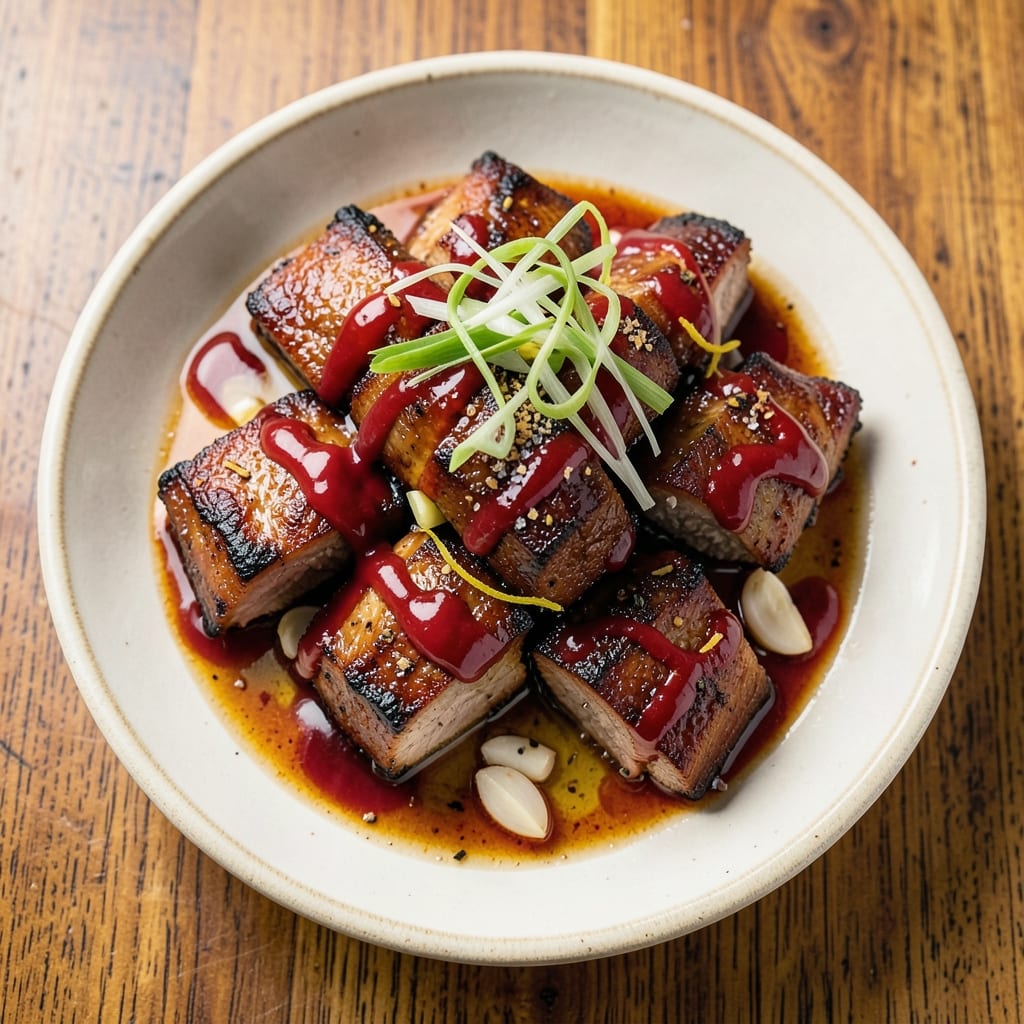
This Filipino-style BBQ pork recipe brings the bold flavors of the Philippines to your grill, blending silky adobo glaze with smoky char for a dish that's both tender and deeply flavorful. Growing up, I was always drawn to the way Filipino BBQ transforms simple ingredients into something unforgettable—tangy, savory, and perfectly balanced. The secret lies in the marinade, where soy sauce, vinegar, and garlic create a base that caramelizes beautifully over the heat.
The magic happens when you baste the pork with the glaze as it cooks, ensuring every bite is infused with that signature Filipino sweet-tangy profile. Unlike other BBQ recipes, this one relies on high heat and slow basting to develop a glossy, sticky exterior while keeping the meat juicy inside. It's the kind of dish that tastes even better the next day, as the flavors deepen and meld together.
What sets this recipe apart is the banana ketchup—a Filipino staple that adds a fruity sweetness without overpowering the smoky char. The result is pork that's tender, caramelized, and packed with layers of flavor, perfect for serving with steamed rice or grilled vegetables. Whether you're hosting a gathering or craving a taste of home, this BBQ pork delivers restaurant-quality results in your own backyard.
Ready in about 2 hours (including marinating time), this recipe is ideal for meal prep or special occasions. The process is straightforward, but the payoff is a dish that will have everyone asking for seconds. Let's get started—your taste buds are about to go on a Filipino adventure.
Ingredients for bbq pork recipe filipino style
Pantry staples meet Filipino flavors—simple ingredients for restaurant-style BBQ pork.
| Ingredient | Amount | Notes |
|---|---|---|
| Pork Shoulder 🥩 | 2 lb | Bone-in for flavor, cut into 2-inch chunks |
| Soy Sauce 🍶 | ½ cup | High-quality, preferably Filipino-style |
| Cane Vinegar 🍶 | ¼ cup | White or white wine vinegar substitute |
| Brown Sugar 🍚 | ½ cup | Light or dark, packed |
| Banana Ketchup 🍌 | ½ cup | Filipino-style, like Del Monte |
| Garlic Cloves 🧄 | 8 cloves | Minced, fresh preferred |
| Fresh Ginger 🌿 | 2 tbsp | Finely grated, peeled |
| Black Peppercorns 🌶️ | 1 tsp | Crushed, freshly ground |
| Bay Leaves 🌿 | 2 whole | Dried, crushed lightly |
| Olive Oil 🫒 | 2 tbsp | For basting, high smoke point |
| Salt 🧂 | 1 ½ tsp | Kosher or sea salt |
| Green Onions 🧅 | 4 whole | Sliced thin, for garnish |
The pork shoulder is non-negotiable here—bone-in cuts deliver richer flavor than boneless. Grab one from the butcher counter if your grocery store doesn't carry pre-cut chunks. Look for good marbling and ask for it to be cut into 2-inch pieces for even cooking. Filipino-style soy sauce (like Silver Swan) makes all the difference, but regular soy sauce works in a pinch. The banana ketchup? Del Monte is the gold standard, but any Filipino brand at an Asian market will do. Fresh ginger and garlic are musts—no substitutions here, as they're the heart of the marinade's depth.
No banana ketchup? Mix 0.25 cup tomato ketchup + 0.25 cup pineapple juice for a rough approximation, though it won't be identical. Swapping vinegar? Apple cider vinegar works, but white wine vinegar is closer to cane vinegar's brightness. The brown sugar can be swapped for white sugar, but it won't caramelize as beautifully. For extra smokiness, add 1 tsp smoked paprika to the marinade. If you're short on time, pre-grate the ginger and store it in the fridge for up to 5 days—it keeps its punch better than pre-minced garlic.
Marinate the pork overnight for maximum flavor, but at least 4 hours works if you're in a hurry. The glaze thickens as it cooks, so keep it warm if basting intermittently. Leftovers reheat beautifully—wrap tightly in foil and bake at 350°F for 15 minutes. Keeps for 4 days in the fridge or 3 months frozen. For meal prep, portion into single-serving containers with a side of rice—freezer-friendly and ready to grab.
Why You'll Love This Recipe
- Five-Ingredient Magic: I swear by this—just pork, soy sauce, vinegar, sugar, and banana ketchup. That’s it. No fancy prep, no hidden spices, just pure, sticky-sweet satisfaction that comes together while you’re still debating what to watch on TV.
- Sweet-Savory Balance: The cane vinegar cuts through the richness of the pork shoulder while the brown sugar caramelizes into a glossy glaze. Add banana ketchup? Suddenly, it’s got that nostalgic tang that makes every bite feel like a hug from your lola’s kitchen.
- Leftover Hero: This isn’t one of those dishes that turns sad the next day. The pork actually improves—tender, saucy, and perfect for quick lunches or reheating with rice. Honestly, I make double portions just so I can eat it twice.
- Party Crowd-Pleaser: Whether it’s a family gathering or a last-minute potluck, this pulls through. Serve it with steamed rice, let guests pile it on their plates, and watch it disappear. (Yes, even the picky eaters ask for seconds.)
Step-by-step instructions for Filipino-style BBQ pork
Here's how to transform simple ingredients into restaurant-worthy Filipino BBQ pork with tender meat and a perfect glaze.
Marinate the Pork Shoulder for Maximum Flavor
In a large bowl, combine the 2 lb pork shoulder cut into 2-inch chunks, 0.5 cup soy sauce, 0.25 cup cane vinegar, 0.5 cup brown sugar, 0.5 cup banana ketchup, 8 cloves minced garlic, 2 tbsp finely grated fresh ginger, 1 tsp crushed black peppercorns, 2 lightly crushed whole bay leaves, and 1.5 tsp salt. Mix thoroughly until every piece of pork is well-coated in the marinade.
Transfer the marinated pork to a resealable plastic bag and massage the mixture gently to ensure even distribution. Seal the bag tightly and refrigerate for at least 4 hours—overnight is even better. This long marinating time allows the flavors to deeply penetrate the meat, creating that signature Filipino BBQ tenderness and complexity. The acidity from the vinegar will begin breaking down the meat fibers, while the sugar and soy sauce create a perfect balance of sweet, salty, and umami flavors.
Sear the Pork for Deep Flavor and Color
Remove the pork from the refrigerator and let it sit at room temperature for 30 minutes before cooking. Heat 2 tbsp olive oil in a large skillet over medium-high heat until shimmering. Working in batches if needed, add the marinated pork and sear for 3-4 minutes per side until deeply browned and caramelized. The pork should develop a beautiful crust while retaining its juices.
As you sear, resist the urge to overcrowd the pan—this prevents proper browning. Once all the pork is seared to a rich golden color, transfer it to a plate and set aside. The searing step is crucial as it develops the Maillard reaction, creating those deep, complex flavors that form the foundation of your BBQ pork. Don't skip this step—it makes all the difference in the final product.
Slow-Cook Until Fork-Tender
Transfer the seared pork to a slow cooker and pour any accumulated juices from the skillet over the top. Cook on low heat for 6-8 hours until the pork is fork-tender and easily pulls apart. The slow cooking process allows the flavors to meld together perfectly while keeping the meat moist and succulent.
Here's the thing—Filipino BBQ pork needs that long, gentle cooking time to achieve its signature texture. You'll know it's done when a knife slides in and out with minimal resistance, and the meat separates easily. If you're short on time, you can cook it on high for 4-5 hours, but the flavor development won't be as deep. The key is patience—this is where the magic happens.
Create the Signature Glaze
While the pork cooks, place the reserved marinade from the bag in a saucepan and bring to a simmer over medium heat. Reduce the heat to low and let it cook for 10-15 minutes, stirring occasionally, until it thickens into a glossy, syrupy consistency. The glaze should coat the back of a spoon and have a beautiful amber color.
If the glaze thickens too quickly, add 1-2 tablespoons of water to loosen it. The perfect glaze should be sticky enough to cling to the pork but still flow smoothly. This reduction process concentrates all those wonderful flavors into a luscious sauce that will coat every bite of your BBQ pork. Taste and adjust seasoning if needed—you might want to add a touch more soy sauce for saltiness or a splash of vinegar for acidity.
Finish with Smoky Char and Garnish
Once the pork is tender, transfer it to a serving platter. Using a slotted spoon, drain most of the liquid from the slow cooker, leaving just enough to lightly coat the pork. Spoon the reduced glaze over the pork, making sure each piece is well-coated. For that authentic Filipino restaurant touch, transfer the pork to a hot grill or broil in the oven for 2-3 minutes until you see beautiful char marks.
Garnish with 4 whole green onions sliced thin and serve immediately. The contrast of the smoky char against the silky, glazy pork creates that perfect balance of textures and flavors that makes Filipino BBQ pork so special. Each bite should deliver tender, juicy meat with a perfect balance of sweet, salty, tangy, and umami flavors. Serve with steamed rice to soak up all that delicious sauce!
Pro Tips For Making Bbq Pork Recipe Filipino Style
- CRANK THE HEAT FIRST: Filipino BBQ pork needs that initial sear to lock in flavors—blast your pan or grill on high for 3-4 minutes per side until deep brown. I used to rush this, and the sauce just sat on top instead of caramelizing into the meat.
- CUT PORK SHOULDER IN HALF: Thicker chunks stay tough; split the pork shoulder lengthwise into two even pieces before marinating. This ensures even cooking and faster absorption of the soy-vinegar-brownie mix—no more dry centers or undercooked edges.
- DON’T SKIP THE VINEGAR REST: After marinating, let the pork sit in the sauce for at least 30 minutes (overnight is better). The cane vinegar needs time to tenderize the meat—rushing this step means tough, tangy bites instead of melt-in-your-mouth texture.
- UPGRADE WITH A LITTLE GARLIC: Toss in 2-3 minced garlic cloves with the banana ketchup and sugar while simmering. It’s not traditional, but it cuts through the sweetness and adds depth—trust me, your taste buds will notice the difference.
Serving suggestions for this recipe
Steamed Rice Base
Filipino BBQ pork is practically incomplete without steamed jasmine rice as its foundation. I like using long-grain white rice because it stays separate and soaks up the glaze beautifully. Cook 2 cups rice with 3 cups water in a rice cooker—it yields about 4 cups cooked rice, perfect for serving with the pork. For extra authenticity, add a pinch of salt to the water and let it sit covered for 10 minutes after cooking to steam evenly. 🍚
Crispy Garlic Fried Rice
For a heartier side, transform leftover rice into crispy garlic fried rice using the same pork drippings. Heat 1 tbsp olive oil in a wok over high heat, then add 3 minced garlic cloves until fragrant. Toss in 3 cups cold rice, breaking up clumps, and stir-fry for 3-4 minutes until crispy. Add 1 tbsp soy sauce, 1 tbsp banana ketchup, and 2 tbsp chopped green onions for a sweet-savory kick. This dish is a crowd-pleaser—especially when served alongside the BBQ pork. 🌶️
Pickled Vegetable Sides
Balance the richness with quick-pickled vegetables—Filipino-style atchara (pickled papaya) or achuete (annatto-seed pickles) add vibrant color and tangy contrast. For a simple version, thinly slice 1 cup carrots, 1 cup daikon radish, and 1 cup green beans, then soak in 1 cup vinegar, 1 tbsp sugar, and ½ tsp salt for 30 minutes. The acidity cuts through the pork's sweetness, creating a perfect bite. 🥕
Garnish Game-Changers
Elevate your plating with these Filipino BBQ pork staples: Slice 4 green onions into thin rings and scatter them over the pork for freshness. Add crushed toasted garlic chips (toast 4 garlic cloves in oil until golden) for crunch. For a smoky touch, sprinkle ½ tsp smoked paprika over the glaze before serving. These garnishes add texture and depth without overpowering the dish. ✨
Drink Pairings
Filipino BBQ pork pairs wonderfully with calamansi juice—a tart citrus drink made from calamansi oranges (or a mix of lime and orange juice). For a non-alcoholic option, serve iced ginger tea (steep 1 tbsp grated ginger in 2 cups hot water for 10 minutes, then chill). If you prefer beer, a light lager like San Miguel complements the dish’s sweet-savory balance. 🍹
Make-Ahead Serving Tips
This dish reheats beautifully, making it perfect for meal prep. Store leftovers in an airtight container in the fridge for up to 4 days. To serve, reheat in a skillet over medium heat with 1 tbsp water to restore moisture. For a party-friendly approach, arrange pork on a platter with rice in a banana leaf-lined bowl—it adds an authentic Filipino touch and keeps everything warm. 💫
Nutrition facts
Frequently asked questions
Why is banana ketchup essential in Filipino BBQ pork?
Banana ketchup adds that signature Filipino sweet-tangy flavor that sets this dish apart! It balances the savory soy sauce and vinegar while adding natural fruit sweetness. Without it, you'll miss that authentic depth—though a mix of tomato ketchup and pineapple juice works in a pinch for a similar effect.
Can I make this recipe without a slow cooker?
For oven version: Roast the seared pork at 300°F for 3-4 hours until tender. For grill version: Cook over indirect heat for 2-3 hours, basting frequently. The key is low-and-slow cooking to develop the flavors—just monitor the internal temperature (195°F for pull-apart tenderness).
What's the secret to preventing dry pork?
The marinade's acidity (vinegar) and long cooking time tenderize the meat, but the real trick is not overcooking. Use a meat thermometer—pork should reach 195°F internally. For extra moisture, add 2 tbsp water or broth to the slow cooker during cooking, and always let it rest 10 minutes before serving.
How do I store and reheat leftovers?
Store in an airtight container for up to 4 days in the fridge or 3 months frozen. To reheat: Warm in a skillet over medium heat with 1 tbsp water for 3-4 minutes, basting with the juices. For microwave version, cover with a damp paper towel and heat for 1-2 minutes—the glaze will stay sticky!
Can I use chicken or beef instead of pork?
While pork is traditional, you can adapt this for chicken thighs (marinate 1.5 hours, cook 4-5 hours) or beef chuck (marinate overnight, cook 6-8 hours). For chicken, reduce vinegar slightly (it's more delicate), and for beef, increase sugar to 0.75 cup to balance the richness. Adjust cooking times based on cut size.