
Main Courses
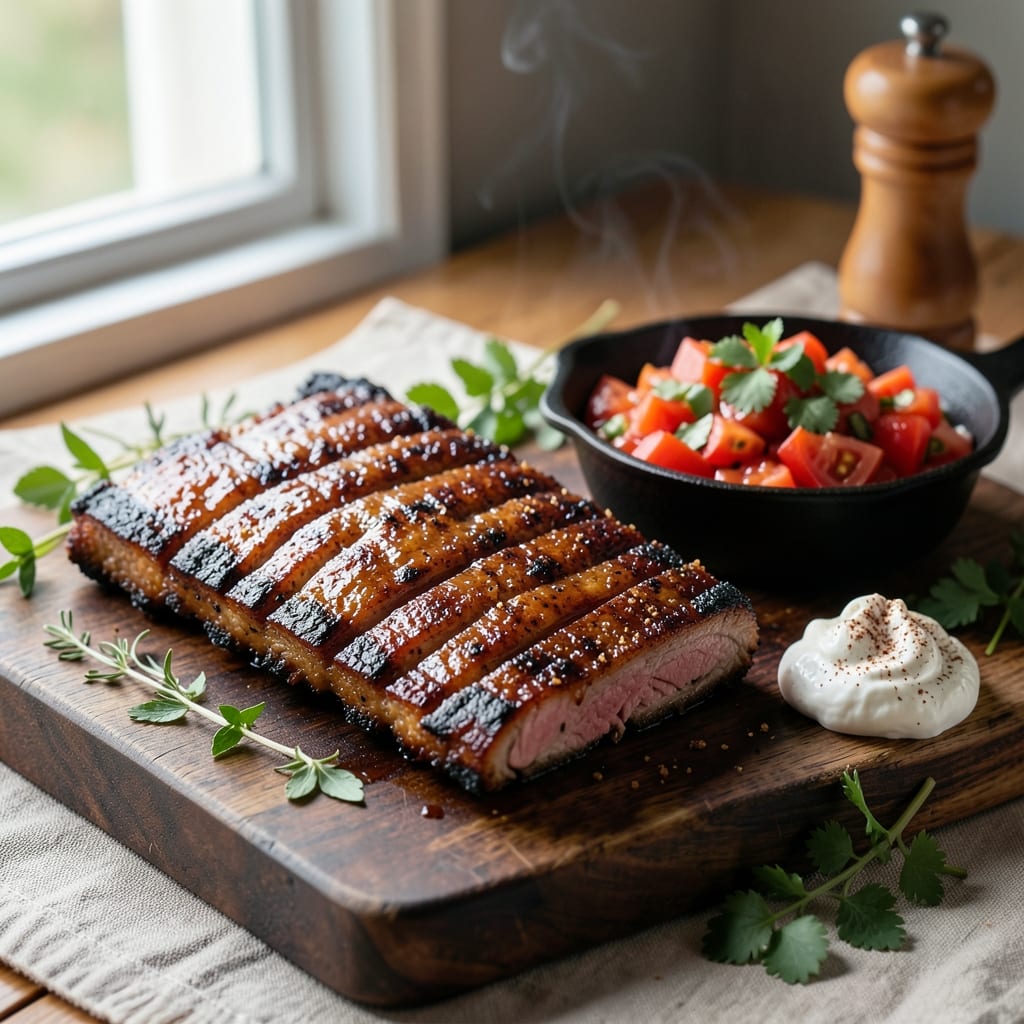
Charcoal-grilled BBQ pork ribs deliver that unmistakable smoky depth and melt-in-your-mouth tenderness that only comes from slow-cooked, wood-fired heat. 🔥 I learned this technique from my grandfather in Cincinnati, who swore by the two-zone charcoal method—something I've perfected over years of backyard grilling. The key lies in managing that indirect heat, where the ribs develop a caramelized bark while staying tender inside.
This recipe starts with a dry rub of brown sugar, smoked paprika, and garlic powder that clings to the ribs like a second skin, creating that signature crust as it cooks. The charcoal grill's ability to maintain consistent low-and-slow temperatures (around 225°F) transforms tough cuts into fall-apart perfection. I've found that using a mix of lump charcoal and hardwood chunks—like hickory or applewood—adds an extra layer of complexity to the flavor profile.
What you'll end up with is ribs that practically disintegrate at the touch of a fork, with a glossy, sticky glaze from the BBQ sauce you baste in the final hour. The bark will be dark and crackly, while the meat underneath stays juicy and rich. This is the kind of dish that turns casual cookouts into memorable gatherings—every bite tells the story of hours spent mastering the grill.
The best part? These ribs reheat beautifully, making them perfect for meal prep or feeding a crowd. Once you try them this way, store-bought ribs will never measure up. Let's get started on creating your own charcoal-grilled masterpiece.
Ingredients for bbq pork ribs recipe charcoal grill
Six ingredients transform tough ribs into fall-apart tenderness with smoky charcoal magic.
| Ingredient | Amount | Notes |
|---|---|---|
| Pork Ribs (Baby Back) 🍖 | 4 lb | Bone-in, meaty ends preferred |
| Light Brown Sugar 🍚 | ½ cup | Packed, for dry rub |
| Smoked Paprika 🌶️ | 2 tbsp | High-quality, not regular paprika |
| Garlic Powder 🧄 | 1 tbsp | Freshly ground preferred |
| Ground Black Pepper 🌶️ | 1 tbsp | Freshly cracked for best flavor |
| Kosher Salt 🧂 | 1 ½ tbsp | Diamond Crystal preferred |
| Lump Charcoal 🔥 | 4 lb | Hardwood lump charcoal |
| Hardwood Chunks 🌳 | 1 cup | Hickory or applewood preferred |
| BBQ Sauce 🍅 | 1 cup | Store-bought or homemade |
| Apple Cider Vinegar 🍎 | 2 tbsp | For basting liquid |
| Yellow Onion 🧅 | 1 whole | Thinly sliced, for aromatics |
| Fresh Garlic Cloves 🧄 | 6 cloves | Minced for basting |
| Aluminum Foil 📄 | 1 sheet | Heavy-duty, for wrapping |
The ribs need to be baby back—they're leaner and cook faster than spare ribs. Costco or local butchers often have them pre-cut, but if buying whole, ask for the meaty ends. The dry rub is non-negotiable: light brown sugar caramelizes into that crackly bark, while smoked paprika delivers that authentic BBQ depth. I always grab King Arthur flour's smoked paprika—it's the most consistent brand. For charcoal, hardwood lump is key: it burns hotter and longer than briquettes, giving you that two-zone heat your grandfather swore by. If you're new to lump charcoal, start with a 1:1 ratio of charcoal to wood chunks—about a cup of hickory or applewood for every 4 lbs of charcoal—to keep the smoke steady without overpowering the ribs.
No smoked paprika? Chipotle powder works in a pinch, but you'll lose that authentic BBQ flavor. The garlic powder can be swapped for fresh minced garlic (use half the amount), but I prefer the powder's convenience. For the BBQ sauce, Sticky Fingers or Sweet Baby Ray's are crowd-pleasers, but if you're feeling fancy, a vinegar-based sauce with a touch of molasses mimics that deep, smoky flavor. The apple cider vinegar in the basting liquid isn't just for acidity—it cuts through the fat and keeps the ribs glistening. If you're short on time, bottled apple cider vinegar works fine, but fresh-squeezed is worth the extra minute. The yellow onion and garlic in the basting are optional but add layers of sweetness and complexity—skip them if you're in a hurry, but trust me on this.
Charcoal stays hot for hours, so prep your ribs the night before and let them sit at room temperature for 1-2 hours before grilling. The dry rub can be applied up to 12 hours ahead—it'll keep in an airtight container for up to 3 days in the fridge. Once cooked, ribs reheat beautifully: wrap them in foil with a splash of water and 10 minutes at 300°F brings them back to life. For leftovers, store in the fridge for up to 4 days or freeze for 3 months. I always make a double batch—these ribs disappear fast, and the second day is even better as the flavors meld. If you're feeding a crowd, double the dry rub and use two racks of ribs—the secret to perfect ribs is patience, and the grill can handle it.
Why You'll Love This Recipe
- Honestly, that’s it: ribs, sugar, spices, and time. The brown sugar melts into a glossy glaze, the smoked paprika adds that smoky warmth, and the garlic powder? It’s the secret that makes everyone ask for seconds.
- I’ll be real: ribs are a splurge, but the leftovers? They’re even better the next day. Shred them for tacos, sandwiches, or just reheat slices straight from the fridge—still tender, still packed with that smoky-sweet punch.
Step-by-step instructions for charcoal-grilled BBQ pork ribs
Here's how to transform tough pork ribs into melt-in-your-mouth perfection using just charcoal and wood.
🔥 Step 1: Build a Two-Zone Charcoal Fire
Start by dividing your grill into two zones. Create a bed of 4 lb lump charcoal on one side and add 1 cup hardwood chunks (hickory or applewood) to the coals. Let this burn for 15-20 minutes until you see white smoke and the coals are covered with a light gray ash. This creates your indirect heat zone.
Push the coals to one side, leaving the other side completely clear. This setup gives you direct heat for searing and indirect heat for slow cooking. The wood chunks will infuse your ribs with deep, smoky flavor as they cook. I like to use a chimney starter for this—it gets the coals hotter and more consistent than lighter fluid.
👨🍳 Step 2: Prepare the Dry Rub and Prep the Ribs
While the grill heats, mix your dry rub in a small bowl by combining 0.5 cup packed light brown sugar, 2 tbsp smoked paprika, 1 tbsp garlic powder, 1 tbsp freshly cracked black pepper, and 1.5 tbsp kosher salt. Rub this generously over the 4 lb baby back pork ribs, pressing it into all the cracks and crevices. The sugar will caramelize beautifully during cooking, creating that coveted bark.
Let the rubbed ribs sit at room temperature for 30 minutes while the grill comes up to temperature. This resting period helps the rub adhere better and ensures even cooking. I like to place them on a wire rack set over a baking sheet to prevent any moisture buildup.
🔥 Step 3: Sear the Ribs Over Direct Heat
Once your grill reaches 450°F on the direct side (test with an instant-read thermometer), place the ribs bone-side down over the hot coals. Sear for 10-12 minutes until they develop a deep caramelized crust and the fat begins to render. This step is crucial—it locks in juices and creates that irresistible bark.
Flip the ribs and continue searing for another 8-10 minutes, rotating them occasionally for even browning. You'll know they're ready when they release easily from the grill grates and the edges are deep mahogany brown. Don't rush this step—patience here pays off with incredible flavor.
🥘 Step 4: Move to Indirect Heat and Add Aromatics
Carefully move the ribs to the indirect heat side of the grill. Add 1 whole thinly sliced yellow onion and 6 minced fresh garlic cloves to the coals, letting them char slightly before they release their aromatic oils. This creates a flavorful smoke that will penetrate the ribs as they cook.
Mix 1 cup BBQ sauce with 2 tbsp apple cider vinegar in a small bowl. Brush about ¼ cup of this mixture over the ribs. Cover the grill with the lid and cook for 2-2.5 hours, maintaining a temperature of 250-275°F in the cooking chamber. Check the ribs every 30 minutes and brush with additional sauce, being careful not to let the sauce burn.
⏰ Step 5: Wrap and Finish for Maximum Tenderness
When the ribs reach an internal temperature of 195-203°F (use a meat thermometer to check the thickest part), they'll be at "the stall"—where they stop cooking and the temperature plateaus. This is when you'll wrap them in 1 sheet heavy-duty aluminum foil with any accumulated juices and aromatics from the grill.
Return the wrapped ribs to the grill and cook for another 30-45 minutes. This wrapping technique, known as the "Texas crutch," helps break down collagen and ensures fall-off-the-bone tenderness. The ribs are done when they reach 203°F internally and a fork slides in like butter. Let them rest for 10 minutes before serving to allow the juices to redistribute.
Pro Tips For Making Bbq Pork Ribs Recipe Charcoal Grill
- Start with a Hot Fire: Charcoal ribs need that initial sear to lock in flavor, so pile your coals to one side and crank the heat to 450°F for the first 30 minutes. I used to play it safe with medium heat, and my ribs always ended up dry—this high heat gives you that perfect bark without drying them out.
- Trim the Fat Sparingly: Leave a thin layer of fat on the ribs—it renders and baste the meat as it cooks. But don’t go overboard: scrape off any thick patches with a knife before grilling. I learned this the hard way when a grease flare nearly torched my kitchen.
- Use Two-Zone Heat: After the initial sear, move the ribs to the cooler side of the grill (around 250°F) and let them cook low and slow for 2-2.5 hours. This keeps them tender without burning the sugar in your rub. I was skeptical at first, but it’s the only way to get ribs that are juicy all the way through.
- Apply Rub in Two Layers: Coat the ribs with your dry rub (brown sugar, smoked paprika, garlic powder, and pepper) right before grilling, then add a second layer after the first hour. The sugar caramelizes better this way, and you avoid a sticky mess that can burn. I skip this step when I’m lazy, but the difference in texture and flavor is noticeable.
Make-ahead tips for leftovers
Prep Ahead
Start your dry rub up to 3 days ahead and store it in an airtight container. I like to make a double batch—it’s perfect for ribs AND chicken wings! The rub keeps its flavor intensity in the fridge, so you can apply it to ribs 12 hours before grilling without losing any punch. Just let them sit at room temperature for 1-2 hours before cooking to ensure even searing. 💫
Charcoal Prep
Set up your charcoal the night before if you're grilling the next day. I arrange 4 lbs of lump charcoal in a chimney starter and let it burn completely—this creates ember beds that maintain heat beautifully. Store the cooled embers in a metal bucket with a lid (I use an old paint can) and add fresh wood chunks when ready to grill. This shortcut saves 30 minutes of setup time on cook day!
Sauce Prep
Make your BBQ basting sauce 2 days ahead and store it in the fridge. The acidity from the apple cider vinegar deepens overnight, giving you a more complex flavor. I like to mix 1 cup BBQ sauce with 2 tbsp vinegar and 1 tbsp honey for extra glossiness. Keep it in a small jar so you can grab it easily when basting during the cook. 🍯
Rib Prep Shortcut
Buy pre-cut baby back ribs from Costco or your local butcher—they save you 15-20 minutes of butchering time. If you're really pressed, trim excess fat but leave the membrane on (it adds flavor!). I like to apply the dry rub the morning of and refrigerate the ribs uncovered on a wire rack—this helps the rub stick better and prevents soggy spots. 🍖
Leftovers Strategy
These ribs reheat like a dream! Wrap leftovers in foil with a splash of water and reheat at 300°F for 10 minutes. For meal prep, store ribs in airtight containers for up to 4 days in the fridge or 3 months in the freezer. I always make extra because they taste even better the second day as flavors meld. Pro tip: Save any leftover BBQ sauce—it makes killer sandwiches! 🥪
Grill Setup
Build your two-zone fire 30 minutes before cooking—this gives you plenty of time to adjust heat zones. I like to use a grill thermometer to monitor temperatures, aiming for 250-275°F on the indirect side. If you're grilling in cooler weather, add extra charcoal every 45 minutes to maintain heat. The key is consistency, so don't open the lid too often—every time you do, you lose 25°F of heat! ⚡
Nutrition facts
Frequently asked questions about charcoal-grilled BBQ pork ribs
Can I use briquettes instead of lump charcoal for these ribs?
Briquettes will work, but you'll lose some of that authentic charcoal flavor and smoke intensity. Lump charcoal burns hotter and creates more direct heat, which is crucial for developing that perfect bark. If you must use briquettes, add extra wood chunks (like hickory) to compensate for the reduced smoke production.
What's the best way to tell when the ribs are fully cooked?
Use a meat thermometer to check the internal temperature—they're done when they reach 203°F in the thickest part. The ribs should also pull away from the bones with minimal effort, and the collagen should have broken down completely. If you don't have a thermometer, the "bend test" works: lift a rib and see if it bends easily—it should feel tender and give slightly.
How do I prevent my ribs from drying out on the grill?
The key is maintaining consistent 250-275°F indirect heat and wrapping them in foil at 195°F to trap steam. Avoid opening the grill lid too often, as this causes temperature drops. Also, don't over-baste with sauce—too much liquid can make the bark soggy. A light glaze every 30 minutes is perfect for flavor without sacrificing texture.
Can I grill these ribs in cold weather?
but you'll need to adjust your setup. Build a larger charcoal bed and add extra wood chunks to maintain heat. Consider using a grill mat or heat deflector plate to help distribute heat more evenly. If temperatures drop below 40°F, preheat your grill for 45 minutes to ensure proper searing and even cooking.
What's the difference between baby back ribs and spare ribs?
Baby back ribs come from the top of the ribcage and are leaner, more tender, and cook 1-2 hours faster than spare ribs. They're smaller (about 1/3 the size) but pack more flavor per pound. Spare ribs are from the belly area, have more fat/marrow, and need longer cooking. This recipe is optimized for baby backs—use it as a guide, but spare ribs may need 30-60 extra minutes of cooking time.