
Main Courses
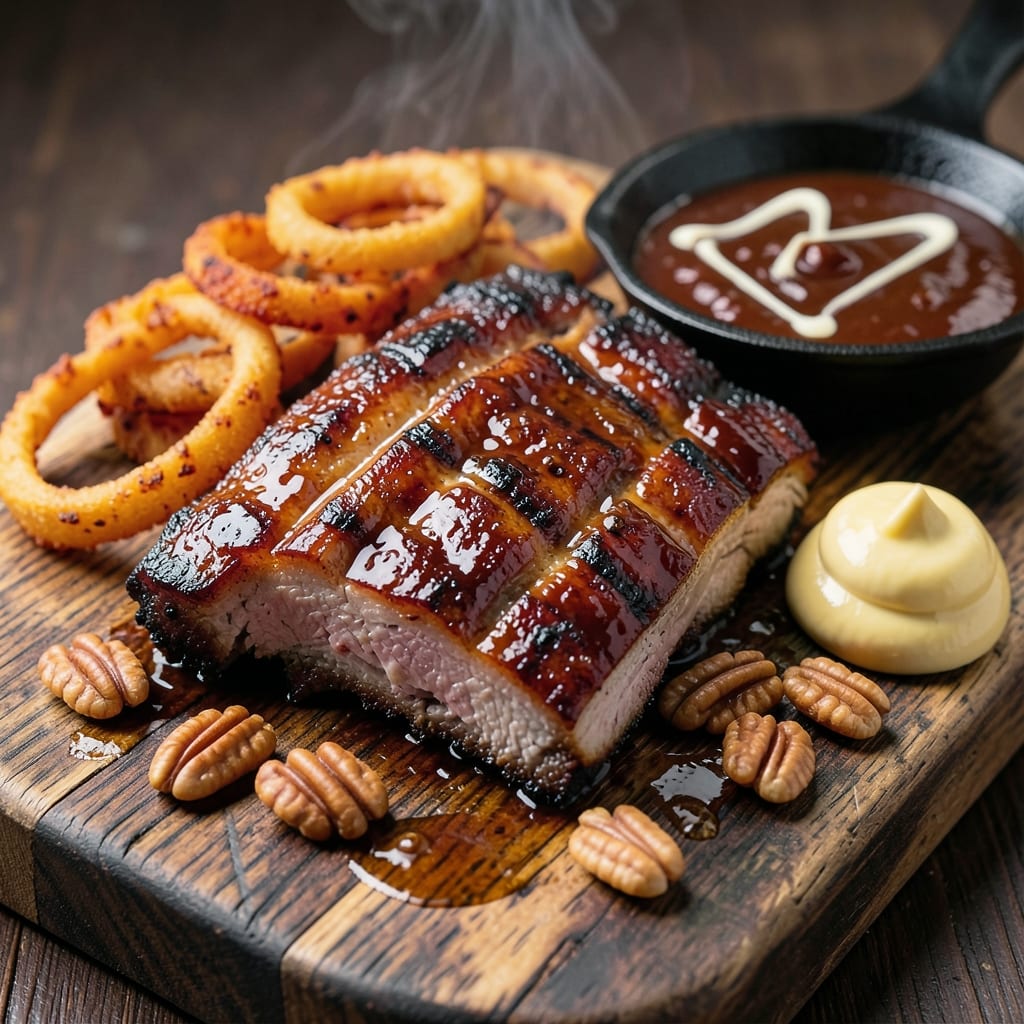
This BBQ pork spare ribs recipe grill delivers restaurant-quality results with smokehouse bark and melt-in-your-mouth tenderness—no smoker needed. After years of experimenting with backyard grilling, I’ve perfected a method that transforms tough ribs into fall-off-the-bone perfection using just a charcoal or gas grill and a few key techniques. The secret? Low-and-slow cooking with a dry rub that develops deep, caramelized flavor while keeping the meat juicy.
What sets this recipe apart is the balance between crispy bark and tender meat—something I struggled with until I discovered the right timing and temperature. We’ll start with a simple dry rub (no messy marinades to spill on the grill), then focus on maintaining consistent heat (around 250°F) for hours, basting occasionally with apple cider vinegar to keep the ribs moist. The result? Ribs with a dark, sticky bark that crackles when you bite in, and meat so tender it practically slides off the bone.
By the time you’re done, you’ll have ribs that taste like they came from a pitmaster’s smoker—rich, smoky, and deeply flavorful—without needing specialized equipment. The best part? These ribs reheat beautifully for leftovers, making them perfect for feeding a crowd or meal prepping. Serve with classic BBQ sides like coleslaw or cornbread for a complete meal that’ll have everyone asking for seconds.
Confession: I’ve burned through more ribs than I’d like to admit (Lily still teases me about the "smoke incident" last Fourth of July), but this method is foolproof—once you master the timing and heat control. Let’s get to the step-by-step instructions so you can achieve the same results without the trial-and-error.
Ingredients for bbq pork spare ribs recipe grill
Six ingredients for the dry rub plus ribs that'll transform your grill into a smoker.
| Ingredient | Amount | Notes |
|---|---|---|
| Pork Spare Ribs 🍖 | 4 lb | Bone-in, meaty spare ribs |
| Yellow Mustard 🍯 | ¼ cup | For sticky bark base |
| Brown Sugar 🍚 | ½ cup | Packed firmly |
| Smoked Paprika 🌶️ | 2 tbsp | For smoky depth |
| Garlic Powder 🧄 | 1 tbsp | Freshly ground preferred |
| Onion Powder 🧅 | 1 tbsp | For sweet base |
| Ground Black Pepper 🌶️ | 1 tbsp | Freshly cracked |
| Apple Cider Vinegar 🍎 | ¼ cup | For basting |
| Charcoal or Lump Charcoal 🔥 | 4 lb | For consistent heat |
| Apple Wood Chips 🌳 | 1 package | For subtle smoke |
| Kosher Salt 🧂 | 1 tbsp | Diamond Crystal preferred |
| Cayenne Pepper 🔥 | ½ tsp | Adjust for heat |
| Olive Oil 🫒 | 1 tbsp | For rib prep |
The ribs are the star here—meaty spare ribs with good meat-to-bone ratio make all the difference. Costco or your butcher shop usually have the best selection; look for ribs with plenty of meat on the bones. Trim any excess fat but leave the membrane intact—it helps protect the meat during cooking. I always buy extra because ribs shrink dramatically during the process. Apple wood chips are key for that authentic smoky flavor; Traeger or Cooks Wood brands work best if you want consistency.
No yellow mustard? Dijon mustard works too—just add a splash of water to thin it if needed. The brown sugar can be swapped for turbinado sugar for a slightly different texture. Running short on smoked paprika? Regular paprika plus a pinch of liquid smoke gets you close. For the vinegar, apple cider vinegar is ideal, but white vinegar in a pinch works fine. The charcoal is non-negotiable—lump charcoal heats more evenly than briquettes. If you're using briquettes, soak them in water for 30 minutes first to prevent flare-ups.
Store your dry rub in an airtight container for up to 3 months—it's perfect for any grilled pork. The ribs reheat beautifully; wrap them in foil with a splash of apple cider vinegar and reheat at 300°F for 20 minutes. For leftovers, portion them into containers with some of the juices to keep them moist. These ribs are crowd-pleasers—double the batch if you're feeding more than six people.
Why You'll Love This Recipe
- No-Fuss Prep: I swear by this method—just slather the ribs with mustard, sprinkle that brown sugar and smoked paprika mix, and let the grill do the work. No brining, no fancy rubs, just you, a bowl, and 10 minutes of hands-on time.
- Sweet-Smoky Magic: That combo of brown sugar caramelizing with the smoky paprika? It’s like a hug for your taste buds. The mustard keeps it tangy while the garlic powder sneaks in that savory punch—every bite is addictive, not just "good."
- Tailgate to Tuesday: Between us, these ribs are my go-to for game days, lazy Sundays, or when I’m too tired to plan dinner. They’re hearty enough for a crowd but simple enough to make when it’s just me and a movie night.
- Leftovers That Win: Honestly, I always make extra. The ribs stay tender for days, and I repurpose them into tacos, sandwiches, or even a loaded baked potato. Plus, pork ribs are cheaper than beef—more flavor, less guilt.
Step-by-step instructions for BBQ pork spare ribs on the grill
Here's how to transform tough spare ribs into melt-in-your-mouth perfection with that coveted smokehouse bark.
Prepare the Ribs for Maximum Flavor
Start by removing the membrane from the bone side of the ribs. Slide your thumb or a butter knife under the thin, silvery membrane and peel it away from the bone—this ensures tender meat, not tough chew. Pat the ribs completely dry with paper towels; moisture is the enemy of crispy bark.
In a small bowl, combine the 0.25 cup yellow mustard, 0.5 cup packed brown sugar, 2 tbsp smoked paprika, 1 tbsp garlic powder, 1 tbsp onion powder, 1 tbsp freshly cracked black pepper, 0.5 tsp cayenne pepper, and 1 tbsp kosher salt. Mix until the sugar dissolves completely. This dry rub is your flavor foundation—don't skip the cayenne if you like heat.
Rub the mixture all over the ribs, pressing firmly so it adheres. Let them sit at room temperature for 30 minutes while you prep the grill. This resting period allows the rub to penetrate and the meat to cook more evenly. Here's the thing—if you rush this step, you'll miss out on that deep, caramelized bark that makes these ribs unforgettable.
Set Up the Two-Zone Grill for Indirect Heat
Fill your grill with 4 lb lump charcoal and arrange it to create a two-zone fire—one side with direct heat, the other with indirect. This setup lets you sear the ribs initially and then cook them low and slow without drying out. Add 1 package apple wood chips to the charcoal for that subtle, sweet smoke flavor.
Let the grill heat up for 15-20 minutes until it reaches 225-250°F on the indirect side. You want to see clean, blue smoke—thick white smoke means the wood isn't hot enough yet. Once the temperature is stable, place the ribs bone-side down on the cooler side of the grill, away from direct flames. Close the lid and resist the urge to peek—every time you open it, you lose heat and add 10-15 minutes to your cook time.
Smoke the Ribs Low and Slow
Cook the ribs for 2 hours before flipping them bone-side up. This initial hour allows the rub to crisp up and form that sticky bark. After 2 hours, flip the ribs and brush them with 0.25 cup apple cider vinegar mixed with 1 tbsp olive oil. This basting step adds moisture and helps break down collagen for tenderness.
Continue cooking for another 2-3 hours until the ribs reach an internal temperature of 195-203°F and the meat pulls away from the bone with just a gentle tug. Here's where patience pays off—if you rush this, you'll end up with tough meat instead of fork-tender perfection. The ribs are done when they're probe-tender and the bark is deep mahogany in color.
Rest and Serve for Maximum Juiciness
Once the ribs reach the target temperature, transfer them to a cutting board and tent loosely with aluminum foil. Let them rest for 15-20 minutes—this resting period allows the juices to redistribute throughout the meat. If you skip this, you'll lose all that precious moisture when you slice into them.
Slice the ribs between the bones into individual servings. Serve immediately with extra sauce if desired, but these ribs are so flavorful they practically sing on their own. The bark should be crispy enough to crackle when you bite into it, while the meat inside melts like butter. That's the magic of low-and-slow cooking—tender, juicy perfection with every bite.
Pro Tips For Making Bbq Pork Spare Ribs Recipe Grill
- CRANK THE HEAT FIRST: Start your grill at the hottest setting you can handle—at least 450°F—then let the ribs sear for 5 minutes on each side before lowering to 275°F. I learned this the hard way after serving ribs that were just cooked through instead of caramelized and smoky. That initial blistering crust locks in flavor and prevents them from drying out later.
- TRIM THE FAT, NOT THE FLAVOR: Use kitchen shears to snip away just the thickest layers of fat from the ribs, leaving the thin membrane intact. That membrane is where half the flavor hides—peeling it off (like some recipes say) weakens the meat. Skip the full fat-rendering step unless you’re cooking low-and-slow for hours; for grilled ribs, less is more.
- DON’T RUSH THE MUSTARD LAYER: Apply the yellow mustard after the ribs hit the grill, not before. Let them char for 10 minutes first—this creates a sticky, smoky base for the sugar to cling to. I used to slather it on raw ribs, and the sauce would just slide off, wasting that sweet-tangy depth.
- WRAP IN FOIL AT 195°F: Check your ribs’ internal temp with a meat thermometer—when they hit 195°F, wrap them in foil with a splash of apple cider vinegar (or even more mustard) to steam them gently. This isn’t about speed; it’s about tenderizing collagen without turning them to sawdust. I was skeptical until I tried it—now I never skip it.
Wine and beer pairings for this recipe
Red Wine Classics
For these rich, smoky ribs, a Cabernet Sauvignon from Napa Valley is my go-to. Its bold tannins and dark fruit flavors stand up to the caramelized bark while complementing the pork's natural sweetness. I love Louis M. Martini Cabernet—it's affordable yet complex enough to match the depth of these ribs. 🍷
If you prefer something lighter, a Pinot Noir from Oregon's Willamette Valley offers bright acidity that cuts through the fat. Look for bottles labeled "reserve" for extra depth. The Domaine Serene label is a Portland favorite and pairs beautifully with the ribs' smoky-sweet profile.
Craft Beer Pairings
A crisp, hoppy American Pale Ale like Deschutes Brewery Mirror Pond balances the ribs' richness with its citrusy bitterness. The carbonation also cleanses your palate between bites. I always keep a six-pack on hand when grilling—it's the perfect companion for these ribs. 🍺
For something smoother, try a Belgian Dubbel like Westmalle Tripel. The caramel and spice notes in the beer mirror the ribs' sweet-savory profile. The alcohol content is just enough to warm you up on chilly evenings, while the malt sweetness complements the ribs' natural sugars.
Cider and Lager Options
Don't overlook hard cider—a dry, apple-based variety like Angry Orchard Crisp Apple pairs surprisingly well. The acidity brightens the dish, while the apple notes echo the vinegar basting. It's a crowd-pleaser that doesn't overpower the ribs' smoky flavors. 🍎
For a lighter option, a German Helles Lager like Weihenstephaner Original provides crisp refreshment. The malt-forward profile lets the ribs' flavors shine without competing. I often serve this at backyard BBQs—it's the perfect sipper for long grilling sessions.
Non-Alcoholic Choices
Skip the alcohol? A sparkling apple cider like Martinelli's Sparkling Apple Cider delivers the same crisp acidity as hard cider. The bubbles enhance the meal's celebratory feel without the booze. It's my secret weapon for family gatherings where not everyone drinks. 💫
For something more substantial, try a ginger beer like Brew Dr. Brown's Original. The ginger's warmth complements the ribs' smoky depth, while the effervescence keeps your palate fresh. It's a surprising but delicious match that elevates the entire meal.
Nutrition facts
Frequently asked questions
How do I know when the ribs are fully cooked?
Your ribs are done when they reach an internal temperature of 195-203°F and the meat pulls away from the bone with just a gentle tug. Use a meat thermometer to check the thickest part of the meat—this ensures perfect tenderness without overcooking. The bark should also be deep mahogany in color with a crispy texture.
Can I use a gas grill instead of charcoal?
For gas grills, place a drip pan on one side and heat it to 225°F using only the back burners. Add wood chips soaked in water to a foil pouch with holes poked in it, then place it on the heat source for smoke. The two-zone method works just as well—just monitor the temperature closely.
Why did my ribs turn out tough?
Tough ribs usually mean the cooking temperature was too high or the ribs weren't cooked long enough. Aim for 225-250°F and cook until the meat probes like butter. If you rushed it, try wrapping the ribs in foil with apple cider vinegar for 30-60 minutes at 300°F—this "Texas crutch" can save even overcooked ribs!
How do I store leftovers?
Store ribs in an airtight container with some of their juices to keep them moist. They'll stay fresh in the fridge for 3-4 days or freeze for up to 3 months. To reheat, wrap them in foil with a splash of apple cider vinegar and bake at 300°F for 20 minutes. The bark might soften slightly, but the meat stays juicy!
Can I use baby back ribs instead of spare ribs?
Yes, but expect different results! Baby backs are leaner with less meat and more fat. They cook faster (2-2.5 hours) and don't need the same long cook time. For spare ribs, the dry rub and low-and-slow method creates that signature bark and tenderness. If using baby backs, reduce cook time by 30-45 minutes and watch closely for doneness.