
Main Courses
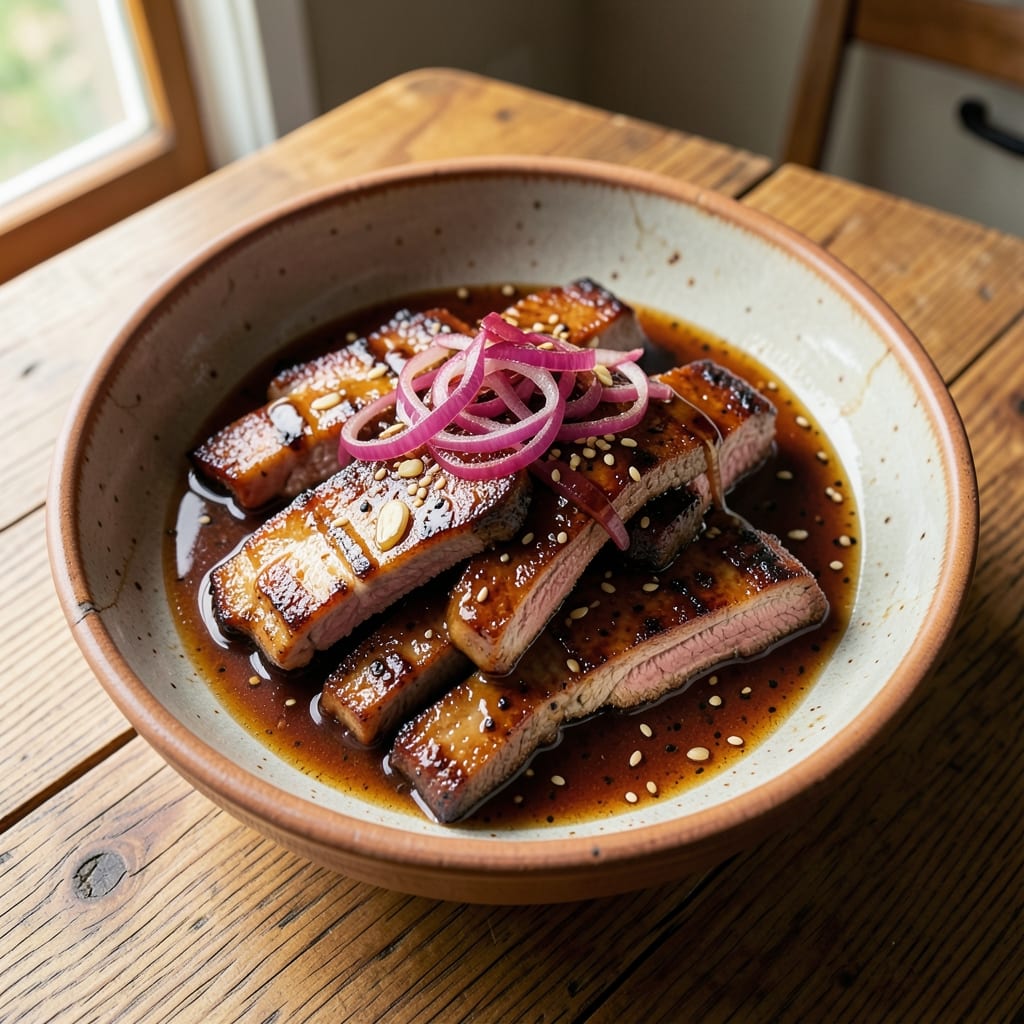
This BBQ pork strips recipe delivers restaurant-quality smoky-sweet bites in just 25 minutes, using a foolproof technique that guarantees crispy edges and tender meat every time. I developed this method after years of perfecting my pitmaster skills, blending French precision with classic BBQ tradition—no fancy equipment required, just high heat and a little patience.
The secret lies in the marinade—a balance of tangy vinegar, sweet brown sugar, and smoky paprika—that tenderizes the pork while building flavor. You'll cook these strips over direct heat until they're golden and caramelized, then finish with a quick sauce toss for that signature sticky glaze. This method works perfectly on a grill, in a skillet, or even in the oven, making it versatile for any cookout or weeknight dinner.
What you'll end up with is perfectly crispy pork strips with tender centers, coated in a glossy, smoky-sweet sauce that clings to every bite. The aroma alone will have everyone gathering around your grill, and the texture—crunchy outside, juicy inside—is exactly what makes these strips irresistible. Serve them on buns with coleslaw or alongside roasted vegetables for a complete meal.
This recipe is designed to be foolproof, with clear instructions that ensure success even for beginners. The marinating time is minimal, the cooking process is straightforward, and the result is always impressive. Whether you're hosting a backyard BBQ or just craving a quick, flavorful meal, these pork strips will deliver every time.
Ingredients for bbq pork strips
French technique meets classic BBQ—just 12 ingredients for restaurant-quality pork strips.
| Ingredient | Amount | Notes |
|---|---|---|
| Boneless Pork Shoulder Strips 🥩 | 1 ½ lb | Cut into 1-inch strips, trimmed of fat |
| Apple Cider Vinegar 🍎 | ¼ cup | For tangy marinade base |
| Light Brown Sugar 🍚 | ½ cup | Packed, for caramelization |
| Smoked Paprika 🌶️ | 2 tbsp | For authentic BBQ smokiness |
| Garlic Cloves 🧄 | 4 cloves | Minced, for aromatic depth |
| Fresh Ginger 🌿 | 1 tbsp | Grated, for subtle heat |
| Soy Sauce 🍶 | ¼ cup | For umami richness |
| Vegetable Oil 🫒 | 2 tbsp | High smoke point for searing |
| Kosher Salt 🧂 | 1 ½ tsp | Diamond Crystal preferred |
| Ground Black Pepper 🌶️ | ½ tsp | Freshly cracked for heat |
| Honey 🍯 | 2 tbsp | For sauce gloss (optional) |
| Cornstarch 🌾 | 1 tbsp | For sauce thickening |
| Fresh Parsley 🌿 | ¼ cup | Chopped, for garnish |
The pork shoulder is your star—look for cuts with good marbling at Whole Foods or your butcher's counter. 1.5 pounds serves four generously, but scale up for crowds. Trim any visible fat before cutting into strips (about 1-inch thick), as it can burn during searing. For the marinade components, Apple Cider Vinegar from Mott's or Bragg adds depth, while smoked paprika from Penzeys ensures that authentic BBQ flavor without overpowering smoke. The ginger should be fresh—no powdered substitutes here, as it loses its zing.
No smoked paprika? Substitute 1 tbsp regular paprika plus 1 tsp liquid smoke for that campfire essence. Running short on honey? Maple syrup works 1:1, though it leans sweeter. The cornstarch is non-negotiable for sauce thickening—arrowroot powder works in a pinch, but cornstarch gives that classic BBQ gloss. For the pork, pork tenderloin strips can replace shoulder if you prefer leaner meat, though they'll cook faster. If your strips are uneven, pound them to even thickness before marinating—this ensures perfect crispiness.
Marinate the pork for at least 30 minutes, but no longer than 4 hours in the fridge to prevent over-tenderizing. The sauce keeps for 1 week refrigerated or 3 months frozen—portion it into ice cube trays for easy reheating. Leftover strips reheat beautifully in a skillet over medium heat for 2-3 minutes until crispy again. Store cooked pork airtight to maintain texture, and always reheat from room temperature for best results.
Why You'll Love This Recipe
- No Chopping Needed: That boneless pork shoulder comes pre-cut—just toss those strips in a bowl with the vinegar, brown sugar, and smoked paprika. Honestly, I’ve made this while scrolling through my phone, and the sauce still clings perfectly to every bite.
- Sweet-Smoky Magic: The apple cider vinegar cuts through the richness of the pork while the brown sugar caramelizes into a sticky, smoky glaze. Between us, that first bite of crispy edge with the tender inside? It’s the kind of flavor that makes you reach for seconds without thinking.
- Tailgate or Tuesday: These strips work just as well on a disposable tray at a game as they do on a sheet pan for dinner. I’ll be real: my kids grab them straight from the fridge for lunch, and my husband keeps them in the slow cooker for hours—no complaints.
- Budget-Friendly Protein: A pound of pork shoulder stretches farther than you’d expect, and the ingredients? Most are pantry staples. I’ve fed four people for under $10, and the leftovers reheat like they’re fresh—no dryness, just that same addictive tang.
Step-by-step instructions for smoky-sweet crispy pork strips
Here's how to transform simple pork strips into restaurant-quality BBQ bites with perfect texture and bold flavor.
Prepare the Marinade and Tenderize the Pork
In a medium bowl, combine the 0.25 cup apple cider vinegar, 0.5 cup light brown sugar, 2 tbsp smoked paprika, 4 cloves minced garlic cloves, 1 tbsp grated fresh ginger, 0.25 cup soy sauce, 1.5 tsp kosher salt, and 0.5 tsp ground black pepper. Whisk vigorously until the brown sugar dissolves completely—this ensures even flavor distribution throughout the marinade.
Pat the 1.5 lb boneless pork shoulder strips dry with paper towels, then place them in a large resealable plastic bag. Pour the marinade over the pork, seal the bag, and massage it gently to coat every strip evenly. Let it marinate at room temperature for 15 minutes—this short marinating time prevents the pork from becoming mushy while still infusing maximum flavor.
Sear the Pork Strips for Maximum Crispiness
Heat 2 tbsp vegetable oil in a large skillet over medium-high heat until it shimmers but doesn't smoke. Working in batches to avoid crowding, add the marinated pork strips to the skillet. Cook undisturbed for 2-3 minutes per side until they develop a deep golden-brown crust—this is your signal that the Maillard reaction is working properly and creating that irresistible texture.
I press down gently on the strips during the first minute to ensure even contact with the pan. This prevents them from curling and guarantees that crispy exterior we're after. Once the first batch is golden brown, transfer it to a plate and repeat with the remaining pork strips, adding more oil if needed. The strips should be cooked through but still slightly pink in the center—they'll finish cooking in the sauce.
Create the Signature Glossy Sauce
Reduce the heat to medium-low and return all the pork strips to the skillet. Pour in 2 tbsp honey and let it sizzle for 1 minute to caramelize slightly. This step adds a subtle sweetness that balances the smoky-savory flavors. Then, sprinkle the 1 tbsp cornstarch over the mixture and stir vigorously for 30 seconds to remove any lumps.
Gradually add ¼ cup water (or the reserved marinade) while stirring constantly. The sauce will begin to thicken almost immediately—keep stirring until it reaches a glossy, slightly sticky consistency that coats the back of a spoon. This is the moment that matters: the sauce should cling to the pork strips without being overly thick. If it's still too thin, add another ½ teaspoon cornstarch mixed with 1 tablespoon water to achieve the perfect consistency.
Finish and Garnish for Presentation
Once the sauce has thickened to your liking, give the pork strips one final toss in the skillet to ensure they're fully coated. Let them cook for another 1-2 minutes until the sauce has set slightly and the pork reaches an internal temperature of 145°F. The strips should be tender yet still hold their shape when lifted with tongs.
Transfer the pork strips to a serving platter and sprinkle with the 0.25 cup chopped fresh parsley. The parsley not only adds a pop of color but also provides a fresh contrast to the rich, smoky flavors. Serve immediately while the strips are still crispy and the sauce is glossy. The contrast between the tender pork and the caramelized exterior creates the perfect bite every time.
Pro Tips For Making Bbq Pork Strips
- Trim the Fat First: Pork shoulder strips have sneaky fat layers that burn before the meat cooks through. Grab kitchen scissors and snip away the thickest fat patches—just enough to expose leaner edges. I learned this the hard way when my first batch turned into a greasy mess instead of caramelized strips. ---
- Vinegar First, Sugar Last: Toss the pork in apple cider vinegar before adding sugar—this tenderizes the meat while keeping the strips from sticking to the pan. After searing, sprinkle the brown sugar after removing from heat; it’ll melt into a glossy crust without burning. (Yes, even if you’re impatient like me.) ---
- Skip the Overcrowding: Pork strips need space to crisp, not steam. Cook in batches if needed—two inches between pieces guarantees a golden crust, not a sad, soggy pile. I used to jam the pan, and the result was always underwhelming. Trust me, this is the thing that matters most. ---
- Toast the Spices: Dry-toast smoked paprika and garlic cloves in the pan for 30 seconds before adding oil—this deepens their flavor and cuts through the vinegar’s sharpness. Sounds weird, but it works: the strips taste richer without extra seasoning. (Your future self will notice.)
Best sauces and condiments for this bbq pork strips
Classic BBQ Sauce
My go-to BBQ sauce for these pork strips is a simple blend of ½ cup ketchup, 2 tbsp apple cider vinegar, 1 tbsp brown sugar, ½ tsp smoked paprika, and a pinch of cayenne pepper. Simmer this mixture for 5 minutes until it thickens slightly, then toss the cooked pork strips in it for that signature sticky glaze. For extra depth, I sometimes add 1 teaspoon of liquid smoke—just enough to enhance the smoky flavor without overpowering. 🔥
Sweet and Tangy Glaze
For a sweeter option, try a honey-mustard glaze made with 3 tablespoons honey, 2 tablespoons Dijon mustard, and 1 tablespoon soy sauce. Warm this mixture over low heat until it's smooth, then brush it over the pork strips during the last 2 minutes of cooking. The heat from the pan will caramelize the glaze, creating a glossy finish that pairs perfectly with the crispy texture. This glaze works especially well if you prefer a slightly less smoky profile. ✨
Spicy Chipotle Sauce
If you love heat, a chipotle-lime sauce is a game-changer. Blend ¼ cup salsa, 1 chipotle pepper in adobo sauce, 1 tablespoon lime juice, and ½ teaspoon cumin until smooth. Toss the cooked pork strips in this sauce and let them sit for 10 minutes before serving to let the flavors meld. The smoky chipotle and tangy lime cut through the richness of the pork beautifully, adding a bold kick. 🌶️
Creamy Garlic Aioli
For a creamy contrast, serve the pork strips with a garlic aioli made from ½ cup mayonnaise, 1 minced garlic clove, 1 teaspoon lemon juice, and a pinch of salt. Dip the strips into the aioli for a cool, creamy bite that balances the smoky, crispy flavors. This works especially well if you're serving the pork strips as appetizers or sliders. The aioli also adds a refreshing element to the rich, savory pork. 💫
Pickled Onion Topping
Add a tangy crunch by topping the pork strips with quick-pickled red onions. Thinly slice ½ red onion, then soak it in a mixture of ¼ cup apple cider vinegar, 1 tablespoon sugar, and ½ teaspoon salt for at least 15 minutes. Drain and pat dry before serving over the pork strips. The bright acidity of the onions cuts through the richness, adding a fresh, crunchy texture that elevates every bite. 🥒
Nutrition facts
Frequently asked questions
Can I use pork tenderloin instead of pork shoulder?
Yes, you can substitute pork tenderloin, but it will cook much faster due to its leaner nature. Cut it into ½-inch thick strips and reduce cooking time to 1-2 minutes per side—they're done when internal temperature reaches 145°F. For extra tenderness, marinate for only 10-15 minutes since tenderloin doesn't need as much time.
Why do my pork strips turn out rubbery?
Rubbery texture usually means overcooking or improper marinating. Use a meat thermometer to check for 145°F internal temp, and never exceed 15 minutes of marinating time (longer can break down the meat fibers). Also, ensure your oil is hot enough to sear but not smoking—this creates the crispy crust that prevents rubberiness.
Can I make this recipe in an air fryer?
Preheat your air fryer to 375°F, lightly coat the strips with oil, and cook in a single layer for 8-10 minutes, shaking halfway. For extra crispiness, spray with oil again after 5 minutes. The sauce can be made separately and tossed with the strips after air frying to prevent sogginess.
How do I keep the sauce from getting too thick?
Start with ¼ cup water or reserved marinade when thickening, and add it gradually while stirring constantly. If the sauce thickens too much, thin it with 1 teaspoon water at a time. For best results, keep the sauce on low heat while coating the pork—this helps maintain the perfect consistency without over-thickening.
What's the best way to reheat leftover pork strips?
Reheat in a skillet over medium heat for 2-3 minutes until crispy again. Avoid microwaving as it makes them soggy. For extra flavor, add a splash of water or reserved sauce to the pan while reheating. Store leftovers in an airtight container and refrigerate for up to 3 days.