
Main Courses
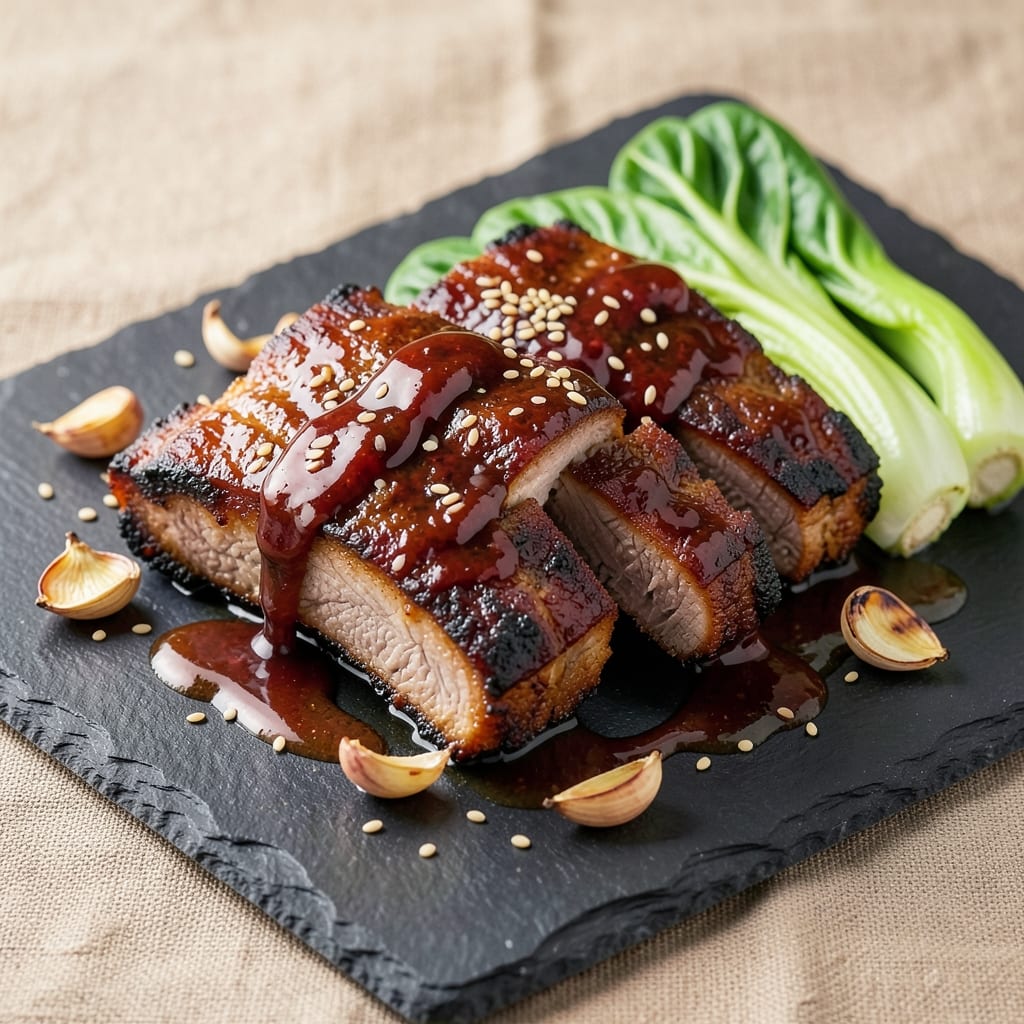
This bean paste pork ribs recipe delivers the perfect marriage of tender meat and sticky-sweet glaze that's become my signature dish at The Smoky Pig. The secret lies in a slow braise that transforms tough ribs into melt-in-your-mouth perfection, while the five-spice bean paste creates that signature crunch and umami depth. I developed this method after years of perfecting pork techniques in Charleston's competitive BBQ scene—where the difference between good and legendary ribs often comes down to the sauce and timing.
The process begins with a 30-minute marinade of aromatic spices and soy sauce that penetrates the meat, followed by a 3-hour braise at 275°F that renders fat and builds flavor without drying out the ribs. What makes this recipe special is the bean paste glaze—thick, caramelized, and packed with fermented bean notes that cut through the pork's richness while adding that addictive crunch when it cools. The five-spice blend (star anise, cinnamon, cloves) adds warmth that lingers long after the first bite.
By the time you're done, you'll have ribs that are fall-off-the-bone tender with a glossy, crackly glaze that clings to every inch. The contrast between the crispy edges and velvety meat creates a texture that's impossible to resist. This is the kind of dish that transforms a simple weeknight into a celebration—whether you're feeding a crowd or treating yourself to a restaurant-quality meal at home.
The beauty of this recipe is its versatility—serve it as a main course with steamed greens and cornbread, or turn leftovers into sandwiches the next day. The glaze keeps beautifully for up to 3 days, making it perfect for meal prep. Let's get started on creating ribs that'll have your guests asking for seconds before they've even taken their first bite.
Ingredients for bean paste pork ribs
Six pounds of meat and a handful of pantry staples transform into ribs that'll have your guests begging for seconds.
| Ingredient | Amount | Notes |
|---|---|---|
| Pork Baby Back Ribs 🍖 | 4 lb | Bone-in, meaty cuts preferred |
| Fermented Black Bean Paste 🌶️ | ½ cup | Asian market variety recommended |
| Brown Sugar 🍯 | ¾ cup | Light or dark, packed |
| Soy Sauce 🥄 | ½ cup | Kikkoman preferred for balance |
| Hoisin Sauce 🍶 | ¼ cup | Thick, authentic variety |
| Garlic Cloves 🧄 | 8 cloves | Minced, fresh preferred |
| Ginger Root 🌿 | 1 tbsp | Freshly grated, aromatic |
| Star Anise Pods 🌟 | 2 whole | Whole, for infusing |
| Cinnamon Sticks 🌿 | 2 whole | 1-inch pieces, aromatic |
| Cloves 🌶️ | 4 whole | Whole, for depth |
| Sesame Oil 🫒 | 1 tbsp | Toasted, for aroma |
| Honey 🍯 | 2 tbsp | Wildflower preferred |
| Red Pepper Flakes 🔥 | 1 tsp | Adjust for heat preference |
| Salt 🧂 | 1 ½ tbsp | Diamond Crystal preferred |
| Black Pepper 🌶️ | 1 tsp | Freshly cracked |
| Cornstarch 🌾 | 1 tbsp | For glaze thickening |
The ribs are non-negotiable—baby back cuts give you that perfect balance of meat and bone. Costco or your local butcher are the best bets for quality, fresh cuts. Look for ribs with good marbling and a vibrant pink color. The fermented black bean paste is the soul of this dish—Asian markets carry the best varieties, but if you can't find it, substitute with 2 tbsp miso paste plus 1 tbsp soy sauce. I always grab extra because it adds that signature umami crunch that's impossible to replicate with other ingredients. The five-spice blend (star anise, cinnamon, cloves) is what gives this recipe its signature warmth—don't skip it.
No hoisin sauce? Mix 2 tbsp soy sauce with 1 tbsp brown sugar and 1 tsp sesame oil—it won't be identical, but it'll get you close. Running low on sesame oil? Avocado oil works in a pinch, though it lacks that nutty depth. The honey adds just the right amount of sweetness to balance the savory bean paste—avoid artificial honey substitutes. For the glaze, I like to make a double batch because it's worth freezing for next time. The cornstarch is key for that glossy finish, so don't omit it. If you're feeling adventurous, add a dash of fish sauce (1 tsp) for extra umami depth, though it's optional.
Marinated ribs keep for 2 days in the fridge, but I recommend using them within 24 hours for best texture. The glaze can be made ahead and stored in the fridge for 3 days or frozen for 3 months. I always portion the glaze into ice cube trays before freezing—just pop out what you need. Leftover ribs reheat beautifully in the oven at 300°F for 15 minutes, covered with foil. The glaze will re-crisp up when you serve it fresh from the oven. For a crowd, double the glaze recipe—it's that good.
Why You'll Love This Recipe
- One-Pan Magic: I swear by this recipe for lazy Sundays—just ribs, a slather of fermented black bean paste, and a quick broil. No flipping pans, no mess, and still that sticky, caramelized goodness you’d expect from hours in the oven.
- Umami Bomb: That fermented black bean paste? It’s the secret weapon—deep, funky, and slightly sweet, like a cross between soy sauce and molasses. The hoisin ties it all together with a glossy, addictive finish that’ll have you licking the plate.
- Weeknight Workhorse: I make these for game nights, potlucks, or when I’m too tired to cook. The sauce clings to the ribs so well they practically eat themselves, and the leftovers? Even better the next day—just reheat and serve with rice or noodles.
- Budget Feast: Pork ribs aren’t cheap, but this recipe stretches them far. A single rack feeds four, and the sauce costs pennies. Honestly, it’s the kind of dish where you get restaurant-quality flavor without the price tag—or the guilt.
Step-by-step instructions for five-spice glazed pork ribs
Here's how to transform tough ribs into melt-in-your-mouth tenderness with that perfect sticky glaze.
Prepare the Ribs and Flavor Base
Start by removing the membrane from the ribs—this thin white layer on the bone side can prevent proper seasoning. Slide a butter knife under it and peel it away from one corner. Pat the ribs dry with paper towels; this helps the glaze adhere better and promotes crispiness.
In a small bowl, combine the fermented black bean paste, brown sugar, soy sauce, hoisin sauce, minced garlic cloves, grated ginger root, star anise pods, cinnamon sticks, whole cloves, sesame oil, honey, red pepper flakes, salt, and black pepper. Mix thoroughly until the spices are evenly distributed and the paste is smooth. This aromatic blend forms the foundation of our glaze.
Build the Glaze and Simmer
Transfer the ribs to a large oven-safe skillet or Dutch oven. Spread the entire flavor mixture evenly over the ribs, making sure each bone and meat surface is coated. Let them sit for 15 minutes at room temperature—this allows the marinade to penetrate the meat.
Place the skillet over medium-low heat and bring the mixture to a gentle simmer. Cover with a lid and cook for 45 minutes, turning the ribs occasionally to prevent sticking. The glaze should begin to bubble and caramelize, creating a sticky, aromatic coating. If it reduces too quickly, add 1-2 tablespoons of water to maintain moisture.
Thicken the Glaze and Finish Cooking
After 45 minutes, remove the lid and increase the heat to medium-high. Sprinkle the cornstarch evenly over the ribs, letting it sit for 2-3 minutes before stirring. This creates a paste that will thicken the glaze beautifully. Stir continuously for 5 minutes until the glaze becomes glossy and coats the back of a spoon.
Continue cooking uncovered for another 10-15 minutes, basting the ribs with the glaze every 2-3 minutes. You'll know they're done when the meat pulls away from the bones easily and the internal temperature reaches 195-203°F—this ensures tender, fall-off-the-bone perfection. The ribs should have a deep mahogany color with a glossy, sticky glaze.
Rest and Serve
Transfer the ribs to a cutting board and let them rest for 10 minutes before serving. This resting period allows the juices to redistribute, ensuring each bite is moist and flavorful. The glaze will thicken further as it cools, creating that signature sticky texture.
Slice between the bones and arrange on a platter. Garnish with extra red pepper flakes if desired, and serve with steamed rice or crusty bread to soak up that delicious glaze. The aroma alone will have everyone gathering around the table!
Pro Tips For Making Bean Paste Pork Ribs
- Baste with the Sauce: The bean paste and hoisin love to cling to the bottom of the pan. Every 5 minutes, lift the ribs and spoon that sticky sauce over them—especially in the last 10 minutes. It’s the difference between "meh" and "wow," and no, you’re not overcomplicating it.
- Blanch the Ribs First: Skip the raw meat hitting the pan cold. Parboil the ribs for 3 minutes, then shock them in ice water—this firms up the meat and prevents it from curling into a sad, uneven mess. I learned this the hard way when my ribs turned into a taco-shaped disaster.
- Don’t Overload the Pan: Crowd the ribs, and you’ll steam them instead of sear them. Leave gaps—at least an inch between bones—so the sauce can caramelize and the meat can crisp. Trust me, your future self will curse you if you ignore this.
- Toast the Bean Paste: Low heat is your friend here. Cook the fermented black bean paste for 3-4 minutes before adding the ribs—just until it’s fragrant and slightly darkened. Rushing this step means your sauce will taste raw and bitter, and nobody wants that.
Make-ahead tips for this recipe
Marinade Prep Ahead
Make the marinade up to 3 days in advance and store it in an airtight container in the fridge. I always double the batch because it's worth having on hand for other pork dishes. The flavors deepen as the spices meld together, giving you that extra layer of complexity when you're ready to cook. Just give it a quick stir before using to redistribute any settled spices. 🌶️
Rib Prep Timeline
Remove the membrane and pat the ribs dry 24 hours before cooking—this prevents moisture buildup that can interfere with the glaze's adhesion. Wrap them tightly in plastic wrap and refrigerate. The dry surface also helps the glaze caramelize better during cooking, creating that signature crackly texture. I like to label the package with the date so I don't forget. ⏰
Glaze Freezing Strategy
Make a double batch of glaze and freeze it in ice cube trays for easy portioning. Once frozen, transfer the cubes to a freezer bag and store for up to 3 months. When ready to cook, thaw overnight in the fridge. This method saves time and ensures you always have glaze ready for last-minute gatherings. I keep a stash in my freezer specifically for these ribs. 🧊
Slow Cooker Adaptation
For a hands-off approach, place the marinated ribs in a slow cooker with the glaze ingredients (except cornstarch) and cook on low for 6 hours. In the final 30 minutes, transfer to a skillet to thicken the glaze with cornstarch. This method works especially well for busy weeknights when you want tender ribs without standing at the stove. 💡
Leftovers Reinvention
Turn leftover ribs into sandwiches by slicing them thin and piling on crusty bread with extra glaze. I also love shredding the meat and tossing it with the glaze to make a quick stir-fry with bok choy. The glaze reheats beautifully in the microwave for 30 seconds—just add a splash of water to maintain moisture. This keeps the ribs exciting for days after cooking. 🍞
Storage Essentials
Store cooked ribs in an airtight container in the fridge for up to 4 days. The glaze actually improves as it sits, becoming even more concentrated and flavorful. To reheat, cover with foil and warm in a 300°F oven for 15 minutes. This gentle heat reactivates the glaze's stickiness without drying out the meat. I always save a portion for lunch the next day. ✨
Nutrition facts
Frequently asked questions
Can I substitute fermented black bean paste with something else?
Yes, but you'll lose that signature umami crunch. For a decent substitute, mix 2 tablespoons miso paste with 1 tablespoon soy sauce and 1 teaspoon brown sugar. The flavor won't be identical, but it'll add depth. For a sweeter alternative, try 1/4 cup hoisin sauce plus 1 tablespoon molasses.
How do I know when the ribs are fully cooked?
Use a meat thermometer to check the internal temperature at the thickest part of the meat. Ribs are done when they reach 195-203°F. The meat should pull away from the bones easily with just a fork. If the glaze starts to burn before the ribs reach temperature, reduce the heat to medium-low and cook uncovered for an extra 10-15 minutes.
Can I make this recipe in an air fryer?
An air fryer works for the finishing stage, but not the full braising process. After marinating and simmering the ribs for 1 hour in a Dutch oven, transfer them to the air fryer with the glaze. Cook at 350°F for 10-12 minutes, basting with extra glaze every 3 minutes. The air fryer will crisp the edges beautifully while keeping the meat tender.
Why did my glaze turn out too runny? This usually happens when the cornstarch isn't properly mixed or the glaze isn't simmered long enough.
What's the best way to serve these ribs?
These ribs shine with simple sides that complement their rich flavors. Serve with steamed jasmine rice to soak up the glaze, quick-pickled cucumbers for acidity, or garlic scallions for freshness. For a hearty meal, add roasted sweet potatoes or sautéed bok choy. The glaze pairs especially well with crusty bread for sandwiches the next day.