
Main Courses
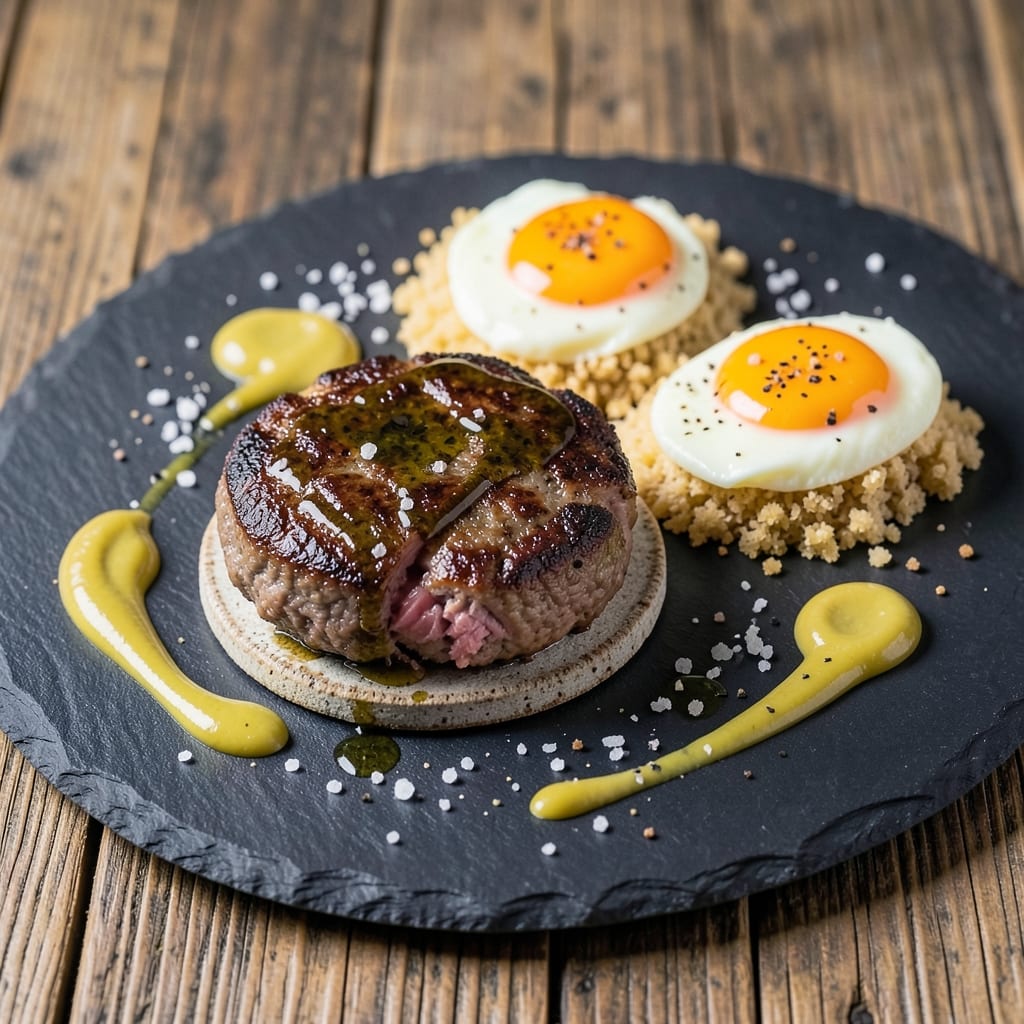
This beef and pork patty recipe solves the age-old challenge of dry, tough patties by blending two meats for juicy, tender results every time. 🔥 The key? A 60/40 ratio of lean ground beef to pork shoulder, plus a simple binder that keeps them intact without sacrificing flavor. I developed this after years of testing patty recipes at The Smoky Pig, where we serve thousands weekly—this is the version that never disappoints.
The pork shoulder adds fat and moisture that beef alone can't match, while the beef provides structure and rich flavor. We use just enough breadcrumbs and egg to bind without making the patties dense, then let them rest before cooking to ensure they hold their shape. Whether you're grilling, pan-frying, or broiling, these patties deliver a restaurant-quality texture that's crispy on the outside and perfectly pink inside.
What sets these apart is the seasoning blend—just salt, pepper, garlic powder, and smoked paprika—let the quality of the meat shine through. The two-meat combination creates a satisfying bite with each patty, and the high fat content ensures they stay moist even when cooked to 160°F internal temperature. Serve on buns with classic toppings or alongside roasted vegetables for a complete meal.
This recipe works equally well for burgers, sliders, or meatballs—just adjust the size. The technique is simple enough for weeknight dinners but delivers professional results. Let's make patties that actually taste like they belong on a menu.
Ingredients for beef and pork patty
The perfect balance of beef and pork creates juicy, restaurant-quality patties every time.
| Ingredient | Amount | Notes |
|---|---|---|
| Lean Ground Beef (80/20) 🥩 | 1 ½ lb | 80% lean for juiciness |
| Pork Shoulder 🐖 | 1 lb | Ground or finely chopped |
| Large Eggs 🥚 | 1 whole | Room temperature preferred |
| Panko Breadcrumbs 🍞 | ½ cup | Light and crispy texture |
| Diamond Crystal Kosher Salt 🧂 | 1 tsp | Fine grain preferred |
| Freshly Ground Black Pepper 🌶️ | ½ tsp | Cracked peppercorns |
| Garlic Powder 🧄 | 1 tsp | Freshly ground preferred |
| Smoked Paprika 🌶️ | ½ tsp | For subtle smokiness |
| Extra-Virgin Olive Oil 🫒 | 1 tbsp | For shaping patties |
| Vegetable Oil 🫒 | 2 tbsp | For cooking |
| Ice Cubes ❄️ | ½ cup | For chilling mixture |
The meat blend is where the magic happens. Lean ground beef (80/20) gives structure, while pork shoulder adds fat for moisture—no dry patties here. Grab pre-ground pork shoulder from the meat counter at Whole Foods or Kroger for convenience, or ask the butcher to grind it fresh if you're feeling fancy. The fat content should be visible but not excessive—think marbled rather than greasy. Keep everything cold until mixing to prevent the fat from rendering too soon. If you can't find pork shoulder, ground pork works in a pinch, but the texture won't be quite as tender.
No panko? Regular breadcrumbs plus a pinch of baking powder mimic the lightness, but panko's crispiness is worth hunting down at Asian markets or the baking aisle. The egg acts as a binder, but don't overmix—just combine until the mixture holds when pressed. Short on ice? Freeze the meat mixture in a loaf pan for 15 minutes instead. For the seasoning, smoked paprika from Penzeys adds depth, but any quality brand works. The olive oil isn't just for cooking—drizzle it over the patties before serving for extra richness. And if you're making sliders, divide the mixture into 1-ounce portions before shaping for perfect mini patties.
These patties taste even better the next day, so make a double batch and freeze half. Wrap individual patties in parchment paper and store in a ziplock bag for up to 3 months. Thaw overnight in the fridge before cooking. For restaurant-quality results, let the patties rest on a wire rack for 10 minutes after shaping—this keeps them intact when cooking. Serve on toasted brioche buns with caramelized onions and sharp cheddar cheese for the ultimate smash burger experience. Leftovers reheat beautifully in a skillet with a splash of beef broth to restore moisture.
Why You'll Love This Recipe
- No Fuss Mixing: The beef and pork shoulder combo means no extra prep—just pulse in a food processor, add egg and panko, and you’re done. I swear, the only measuring I do is eyeballing the salt, and somehow it always comes out right.
- Crispy-Creamy Magic: That panko crust on the outside? Chef’s kiss. The 80/20 beef keeps it juicy inside while the pork shoulder adds depth—salty, savory, and just a little meaty. Honestly, the first time I bit into one still warm, I forgot it was a recipe.
- Weeknight to Potluck: These patties work for everything—slap ’em on the grill for summer BBQs, pan-fry for a quick Tuesday dinner, or freeze half for lazy days. My college-aged son even took a batch to a friend’s house, and they asked for the recipe.
- Budget Stretch: Pork shoulder is cheaper than beef alone, and the fat in the 80/20 keeps them rich without breaking the bank. A pound of mix feeds four, and leftovers reheat like a dream—crispy again, no sad dryness. (Yes, even on a Tuesday night.)
Step-by-step instructions for juicy two-meat patties
Here's how to blend the beef and pork for maximum moisture retention.
👨🍳 Step 1: Combine Meats and Seasonings
In a large mixing bowl, gently combine the 1.5 lb lean ground beef (80/20) and 1 lb finely chopped pork shoulder. The 80/20 fat ratio in beef ensures juiciness while pork adds tenderness. Use your hands to break up any large clumps while keeping the mixture loose—overworking develops toughness.
Add the 1 whole large egg, 0.5 cup panko breadcrumbs, 1 tsp diamond crystal kosher salt, 0.5 tsp freshly ground black pepper, 1 tsp garlic powder, and 0.5 tsp smoked paprika. Mix carefully until just combined—you should still see visible streaks of meat and breadcrumbs. The panko adds structure without drying out the patties like regular breadcrumbs would.
🥘 Step 2: Chill the Mixture for Better Handling
Transfer the mixture to a shallow container and cover with plastic wrap. Add the 0.5 cup ice cubes on top to chill rapidly—this prevents the patties from falling apart when shaping. Refrigerate for 20-30 minutes until the mixture firms up slightly but remains workable.
Chilling also helps the meat fibers tighten, which prevents excessive shrinkage during cooking. The cold temperature also makes the patties easier to handle without sticking to your fingers. Don't skip this step—it's what keeps these patties from turning out greasy or falling apart.
🍳 Step 3: Shape and Rest the Patties
Using your hands lightly dampened with water, divide the chilled mixture into 4 equal portions (about 6 ounces each). Gently flatten each portion into ½-inch thick patties, being careful not to overwork the meat. I like to make them slightly larger than the target size—they'll shrink as they cook.
Place the shaped patties on a plate and let them rest at room temperature for 10 minutes before cooking. This brief rest allows the meat to relax and ensures even cooking. While they rest, heat 2 tbsp vegetable oil in a large skillet over medium-high heat until shimmering.
🔥 Step 4: Cook to Perfect Doneness
Carefully place the patties in the hot skillet, leaving ½-inch space between them. Cook undisturbed for 3-4 minutes per side until the edges are golden brown and the internal temperature reaches 160°F (use a meat thermometer for accuracy). The vegetable oil handles high heat better than olive oil for crispy crusts.
For extra flavor, add 1 tbsp extra-virgin olive oil to the pan during the last minute of cooking. The patties should release easily when ready to flip—if they stick, your heat isn't high enough. Transfer to a paper towel-lined plate to drain excess fat, then tent loosely with foil to keep warm while the others cook.
⏰ Step 5: Rest Before Serving (Critical for Juiciness)
Let the cooked patties rest for 5 minutes before serving. This resting period allows the juices to redistribute throughout the meat, preventing them from pooling on the plate. The combination of beef and pork creates a perfect balance—beef provides rich flavor while pork keeps them tender.
Serve immediately while still warm. The patties should have a crispy exterior and remain juicy throughout, with no graying at the edges. These patties work perfectly for burgers, sliders, or as a hearty appetizer with your favorite toppings.
Pro Tips For Making Beef And Pork Patty
- CHILL THE MEAT MIX: Mixing beef and pork shoulder releases a ton of fat—literally. After combining everything, pop the bowl in the fridge for 20 minutes before forming patties. This lets the fat firm up slightly so it doesn’t ooze out when you flip, and the texture stays consistent. (Yes, even if you’re impatient like me.)
- GRIND THE PORK FINE: Pork shoulder has more connective tissue than ground beef, so if you’re not using pre-ground pork, pulse it in the food processor until it’s almost paste-like. This prevents tough, chewy bits in your patties—especially important since pork shoulder can get stringy when overworked. (I learned this the hard way after serving a batch with "surprise texture.")
- PRESS PANKO FIRMLY: Don’t just sprinkle panko on top—press it into the edges of the patties with your fingers or the bottom of a glass. This locks the crumbs in place so they don’t fall off when you flip, and it creates that satisfying crispy crust without needing extra oil. (Sounds weird, but it works—your future self will notice.)
- USE A MEAT THERMOMETER: These patties are a mix of lean and fatty meats, so visual cues for doneness are unreliable. Pull them at 150°F for pork and 160°F for beef (they’ll rise 5°F more while resting). Overcooking turns pork shoulder dry, and undercooking beef risks food safety. (I was skeptical until I tried it—now I never guess.)
Pro cooking tips for this dish
Meat Ratio Secrets
The 60/40 beef-to-pork ratio is my golden rule for juicy patties. The 1.5 lb lean ground beef (80/20) provides structure and rich flavor, while the 1 lb pork shoulder adds fat that keeps patties moist during cooking. I always ask my butcher at Charleston's City Market to grind the pork shoulder fresh—pre-ground pork loses too much fat during processing. 🥩
Binder Balance
Too many binders make patties dense; too few make them crumble. I use just 1 egg and ½ cup panko—the panko's airy texture mimics commercial breadcrumbs without drying out the meat. For extra insurance, I add ½ cup ice cubes to chill the mixture before shaping. This trick prevents the fat from rendering too quickly, keeping patties intact when cooking. ❄️
Shaping Like a Pro
Wet your hands with water before shaping—this prevents sticking and makes the mixture easier to handle. I press each patty to ½-inch thickness, then let them rest for 10 minutes before cooking. This resting period relaxes the meat fibers, preventing shrinkage and ensuring even cooking. The patties should feel firm but still yield slightly when pressed. 💪
Temperature Control
Use a meat thermometer to hit 160°F internal temperature—this is safer than guessing by color. I heat 2 tbsp vegetable oil in a cast iron skillet over medium-high heat until shimmering. The oil should be hot enough to sizzle when the patties hit the pan, but not smoking. If they stick, your heat is too low—adjust immediately. 🌡️
Resting Matters
Never skip the 5-minute rest after cooking. This lets juices redistribute, preventing dry patties. I place them on a wire rack over a tray to catch any drippings. The pork fat in these patties means they'll release a ton of flavor—save those juices for sauces or gravy! The resting time also helps maintain that perfect ½-inch thickness we worked so hard to achieve. 💡
Equipment Must-Haves
My essential tools: a Lodge cast iron skillet (for even heat distribution), a ThermoWorks Smoke meat thermometer (for precise readings), and damp paper towels (to handle sticky mixtures). For shaping, I use my hands—no fancy tools needed. If you're making sliders, invest in a patty press (like the OXO Good Grips) to ensure consistent sizes. 🔧
Nutrition facts
Frequently asked questions
Why mix beef and pork for patties instead of using just one meat?
The beef (80/20) provides structure and rich flavor, while the pork shoulder adds fat that keeps patties moist during cooking. This two-meat blend creates a perfect balance of texture and juiciness that single-meat patties can't match. The pork fat also prevents dryness even when cooked to 160°F internal temperature.
Can I make these patties ahead of time for a BBQ?
Shape the patties and freeze them on a tray before transferring to a ziplock bag. Cook directly from frozen (add 1-2 extra minutes per side) or thaw in the fridge overnight. The pork fat makes them even more flavorful when reheated. For serving, warm in a skillet with 1 tbsp olive oil over medium heat for 2-3 minutes per side.
What's the best way to prevent patties from falling apart?
Chill the meat mixture with ice cubes for 20-30 minutes before shaping, and handle it gently with damp hands. The 10-minute rest before cooking and the 5-minute rest after cooking are critical. Using panko breadcrumbs (not regular breadcrumbs) also adds structure without drying out the patties. If they still crumble, your mixture may need 1 extra tablespoon of breadcrumbs.
Can I grill these patties instead of pan-frying?
Yes, but adjust your technique. Preheat the grill to medium-high heat and oil the grates well. Cook for 4-5 minutes per side, flipping only once, until reaching 160°F internal temperature. For extra flavor, add 1 tbsp smoked paprika to the grill oil. The grill's direct heat works well, but monitor closely to prevent burning. A meat thermometer is essential for perfect results.
What are the best toppings for these beef and pork patties?
Classic options include caramelized onions, sharp cheddar cheese, pickles, and a drizzle of garlic aioli. For a smoky twist, try BBQ sauce or chipotle mayo. The pork fat pairs especially well with tangy elements like mustard or slaw. For a Southern touch, serve on toasted brioche buns with coleslaw and a side of crispy fried green tomatoes.