
Main Courses
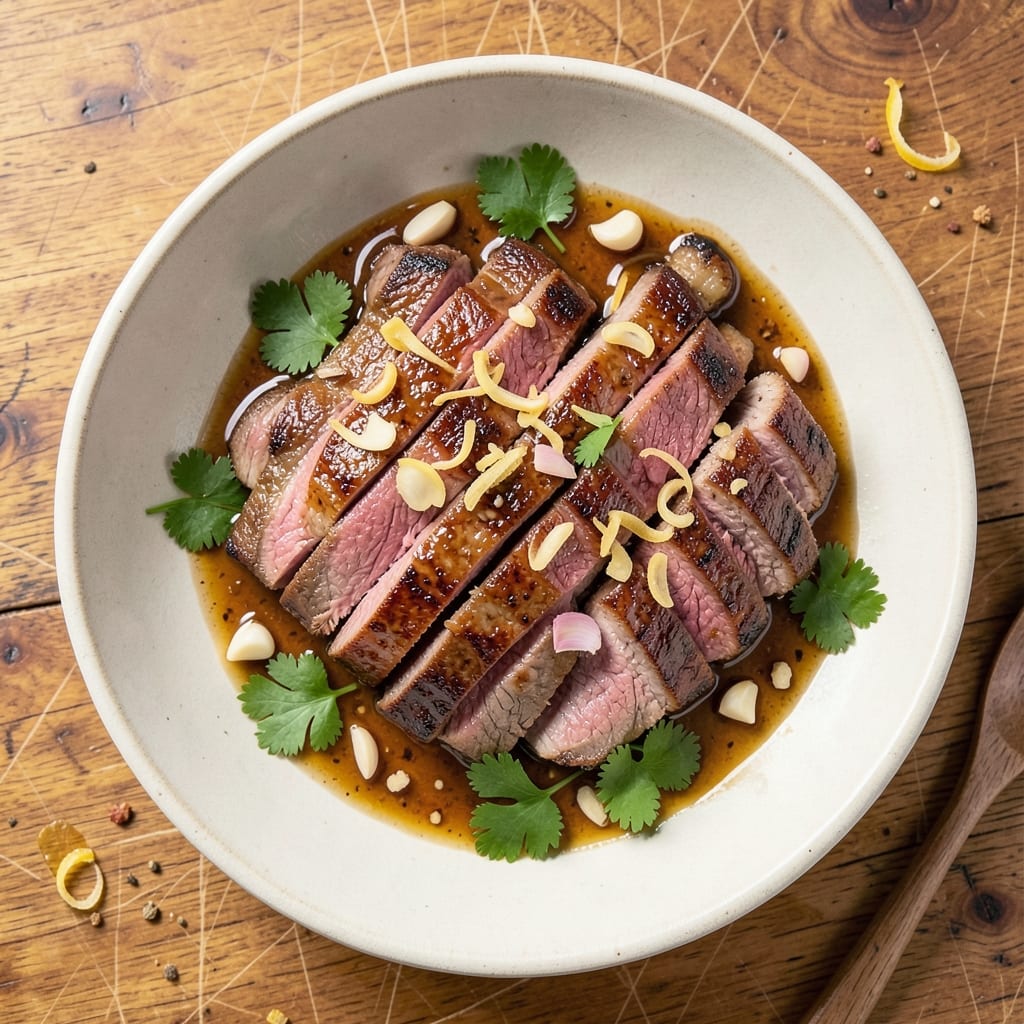
This beef and pork stir fry recipe delivers restaurant-quality wok-fired flavors in just 20 minutes, proving you don't need a wok to create that signature smoky aroma. The secret lies in high-heat searing and a marinade that transforms tough cuts into tender, flavor-packed bites. I developed this recipe during my time in Charleston, where quick, bold flavors were essential for busy weeknight dinners.
The magic happens with a simple marinade of soy sauce, garlic, ginger, and a touch of brown sugar that caramelizes beautifully during cooking. We'll use flank steak for the beef and pork shoulder for the pork—both budget-friendly cuts that become incredibly tender when sliced thin and seared properly. The key technique is cooking the proteins in batches to avoid overcrowding, which keeps everything crisp on the outside while staying juicy inside.
What you'll end up with is a vibrant stir fry bursting with caramelized edges, aromatic wok hei (breath of the wok) flavor, and a sauce that's perfectly balanced between sweet, salty, and umami. The beef remains slightly chewy for texture contrast, while the pork melts in your mouth. This dish is hearty enough to stand alone but pairs beautifully with steamed jasmine rice or noodles to soak up every last drop of that flavorful sauce.
Whether you're feeding a family or meal prepping for the week, this recipe scales effortlessly. The flavors actually improve the next day, making it perfect for lunches or leftovers. Let's get cooking—your taste buds will thank you for this quick, satisfying meal that feels like a restaurant experience at home.
Ingredients for beef and pork stir fry
Restaurant-quality stir-fry starts with these bold ingredients—flank steak, pork shoulder, and a marinade that packs umami punch.
| Ingredient | Amount | Notes |
|---|---|---|
| Flank Steak 🥩 | 1 lb | Thinly sliced against grain |
| Pork Shoulder 🐖 | 1 lb | Thinly sliced, fat cap removed |
| Soy Sauce 🥢 | ½ cup | Kikkoman preferred for depth |
| Garlic Cloves 🧄 | 6 cloves | Minced for marinade |
| Fresh Ginger 🌿 | 2 tbsp | Finely grated, aromatic |
| Brown Sugar 🍯 | 2 tbsp | Lightly packed |
| Sesame Oil 🫒 | 1 tbsp | Toasted, for aroma |
| Neutral Oil 🫒 | 3 tbsp | Avocado or vegetable oil |
| Green Onions 🧅 | 4 whole | Sliced, white and green parts |
| Red Bell Pepper 🌶️ | 1 whole | Thinly sliced, seeds removed |
| Diamond Crystal Kosher Salt 🧂 | 1 tsp | For seasoning |
| Black Pepper 🌶️ | ½ tsp | Freshly cracked |
| Cornstarch 🌾 | 1 tbsp | For tenderizing |
The proteins make or break this dish. Flank steak delivers that signature chew, while pork shoulder melts into tender perfection. Look for well-marbled cuts at Whole Foods or your local butcher—the marbling is what keeps everything juicy. I always buy the flank steak at Costco when I'm making a big batch, but single packages work fine for weeknight cooking. Slice both against the grain for maximum tenderness—use a sharp knife and don't rush it. The cornstarch isn't just for thickening; it helps break down the meat fibers during marinating.
No Kikkoman soy sauce? La Choy works in a pinch, but you'll lose some depth. Fresh ginger is ideal, but dried ginger at half the amount gets you close if you're in a hurry. The bell pepper adds color and crunch—red or yellow both work, but stay away from green if you want that classic stir-fry vibe. For the sesame oil, toasted is non-negotiable—it's what gives that authentic aroma. If you're missing cornstarch, arrowroot powder is a 1:1 substitute. And trust me on the brown sugar—it caramelizes beautifully during cooking, adding that perfect sweet-savory balance.
This marinade keeps for 3 days in the fridge, so make extra if you're prepping ahead. The proteins stay fresh for 2 days in the fridge, but slice them just before cooking for best texture. Store the sesame oil in a cool, dark place—it goes rancid fast. The cooked stir-fry reheats beautifully—2 minutes in a skillet over medium heat brings back that crisp-tender texture. Portion leftovers into airtight containers for easy lunches—just add steamed rice when you're ready to eat.
Why You'll Love This Recipe
- One-Pan Magic: I swear by this recipe when I’m too tired to wash dishes—just slice the flank steak and pork shoulder thin, toss them in the same wok with garlic and ginger, and let the soy sauce work its magic. No pans, no stress, just that satisfying sizzle.
- Umami Bomb: That combo of flank steak and pork shoulder? Rich, meaty, and deep—especially when you char the edges just right. The soy sauce ties it all together with this salty-sweet punch that makes me want to eat it straight from the wok.
- Lunchbox Hero: Between us, this stir fry is my go-to for meal prep. Cook a big batch on Sunday, and I’ve got four days of easy lunches—pack it in containers, and it reheats like a dream. (Yes, even my picky-eating coworker asks for seconds.)
- Budget Power Move: Flank steak and pork shoulder are affordable cuts that feed a crowd without breaking the bank. I stretch it further by adding frozen veggies or leftover rice, and suddenly, I’ve got dinner for six for under $30. Smart, right?
Step-by-step instructions for wok-fired beef and pork stir fry
Here's how to create a restaurant-quality stir fry with tender beef and pork, packed with umami flavor in just minutes.
Tenderize and Marinate the Meats
Place the 1 lb flank steak and 1 lb pork shoulder in separate bowls. Sprinkle each with 1 tablespoon cornstarch and gently massage it into the meat. This step is crucial—it creates a protective barrier that keeps the proteins tender during high-heat cooking. Let the meats sit for 10 minutes while you prep the other ingredients.
In a small bowl, combine 0.5 cup soy sauce, 2 tbsp brown sugar, 1 tbsp sesame oil, 1 tsp diamond crystal kosher salt, and 0.5 tsp black pepper. Stir until the sugar dissolves completely. Divide this marinade evenly between the two bowls of meat and coat thoroughly. The sugar will caramelize during cooking, adding depth to the stir fry, while the soy sauce infuses the proteins with umami.
Prep the Aromatics and Vegetables
Finely mince the 6 cloves garlic and grate the 2 tbsp fresh ginger using a microplane. These aromatics form the flavor foundation of the dish, so take your time to get them as fine as possible. Thinly slice the 1 whole red bell pepper and 4 whole green onions, separating the white and green parts of the onions. You'll use the whites first for cooking and the greens for garnish at the end.
Heat 2 tbsp neutral oil in a wok or large skillet over medium-high heat until shimmering. Add the garlic and ginger, stirring constantly for 30 seconds until fragrant but not browned—burnt aromatics will make the dish bitter. Immediately add the sliced red bell pepper and white parts of the green onions, cooking for 2 minutes until the vegetables soften slightly. Remove this mixture to a plate and set aside temporarily.
Cook the Meats Separately for Perfect Texture
Add the remaining 1 tbsp neutral oil to the wok and increase heat to high. Working in batches if needed, add the pork shoulder first and cook undisturbed for 2-3 minutes until the edges brown and the meat begins to pull away from the pan. This high-heat sear locks in juices while creating a caramelized crust. Transfer the pork to a plate and set aside.
Repeat with the flank steak, cooking for 1-2 minutes per side until it develops a deep brown crust. The steak should be cooked to medium-rare—it will finish cooking when combined with the other ingredients. Transfer the steak to the plate with the pork and reserved vegetables. Don't overcrowd the pan, or the meats will steam instead of sear.
Combine and Finish the Stir Fry
Return the wok to high heat and add the pork and steak back to the pan along with the reserved vegetables. Pour any accumulated juices from the plate into the wok as well—this adds extra flavor. Stir-fry everything together for 1-2 minutes until the meats are heated through and the sauce begins to thicken slightly.
Taste and adjust seasoning if needed. The stir fry should be perfectly balanced—sweet from the caramelized sugar, salty from the soy sauce, and aromatic from the garlic and ginger. Garnish with the green onion tops and drizzle with an additional ½ teaspoon sesame oil for extra depth. Serve immediately over steamed rice, where the juices will soak in for maximum flavor impact.
Pro Tips For Making Beef And Pork Stir Fry
- Slice Against the Grain: Flank steak and pork shoulder are stubborn—they chew like boot leather if you don’t slice properly. Cut the flank steak perpendicular to the grain (you’ll see the long muscle fibers), and slice the pork shoulder with the grain for tenderness. I used to ignore this and ended up with a mouthful of rubber—now I mark the grain with a knife first.
- Salt the Meat First: Toss both the flank steak and pork shoulder with soy sauce before cooking, but wait 10 minutes. This lets the salt break down the proteins, so they stay juicy instead of drying out in the hot wok. I learned this the hard way after serving dry beef to my in-laws—no second invitations that night.
- Don’t Overcrowd the Pan: If you pile all the meat and veggies in at once, you’ll steam instead of sear. Cook the beef and pork in batches—start with half the meat, get it browned and pushed to the side, then add the rest. My first attempt turned into a sad, greasy mess; now I treat the wok like a crowded subway and give everything space.
- Ginger-Garlic Paste Saves Time: Peeling and mincing fresh ginger and garlic takes forever, and it burns faster than you’d think. Make a quick paste by blending them with a splash of water—it sticks to the meat better and cooks more evenly. I was skeptical until I tried it; now I keep a jar in the fridge for stir-fries. (Yes, even if you’re impatient like me.)
Creative variations of beef and pork stir fry
Southern BBQ Fusion
Take this stir fry to the next level by adding a Carolina-style BBQ twist. After searing the meats, toss them in ¼ cup vinegar-based BBQ sauce (I love Sweet Baby Ray's) along with 1 tbsp apple cider vinegar and 1 tsp smoked paprika. The tangy sweetness cuts through the richness while adding that smoky depth we love in the Southeast. Serve over buttery cornbread instead of rice for a true Southern fusion experience. 🔥
Spicy Thai Kick
Transform this into a fiery Thai-inspired dish by adding 1 tbsp red curry paste, 1 tsp fish sauce, and ½ tsp chili flakes to the marinade. Swap the bell pepper for thinly sliced Thai eggplant and finish with fresh cilantro and lime wedges. The heat from the curry paste will make your taste buds dance while keeping that signature wok hei aroma. I like to serve this with jasmine rice and a side of peanut sauce for dipping.
Breakfast Stir Fry
Make this dish a hearty breakfast by adding 4 scrambled eggs at the end of cooking. Use 2 tbsp of the pork marinade to season the eggs before cooking them in the same wok where the stir fry finished. Top with crumbled bacon and sautéed mushrooms for extra richness. The eggs soak up all that delicious sauce while adding protein to start your day right. Serve with toasted brioche for dipping - trust me, it's a game changer. 🍳
Vegetarian Adaptation
For a plant-based version, swap the meats for extra-firm tofu and shiitake mushrooms. Press the tofu for 30 minutes to remove excess water, then cube and pan-fry until crispy. Add 1 tbsp of soy sauce and 1 tsp of maple syrup to the marinade for extra depth. The mushrooms will give you that meaty texture while keeping the dish packed with umami flavor. Garnish with sesame seeds and scallions for that classic stir fry finish.
Meal Prep Version
Double the recipe and store the cooked stir fry in airtight containers for up to 4 days in the fridge. When reheating, add 1 tbsp water or broth to the pan and cover for 2-3 minutes on medium heat. The extra liquid prevents drying out. Pack with steamed rice in separate containers to keep everything fresh. I like to portion the stir fry into single-serving containers with a small side of rice for easy grab-and-go lunches. 📅
Korean-Inspired Kimchi Twist
Add ½ cup chopped kimchi to the stir fry during the final 2 minutes of cooking. The tangy, spicy fermented cabbage brings a whole new dimension to the dish. Balance the flavors with 1 tbsp of gochujang (Korean chili paste) mixed into the marinade. Serve with steamed white rice and a side of quick-pickled cucumbers to cut through the richness. This version is perfect for when you're craving something bold and different. 🌶️
Nutrition facts
Frequently asked questions
Can I substitute other cuts of beef or pork?
For beef, skirt steak or sirloin work well—just slice thinly against the grain. For pork, pork tenderloin or ribeye pork chops (cut into strips) are great alternatives. The key is to use cuts with good marbling and slice them thinly for quick cooking. Avoid lean cuts like top sirloin as they can dry out during stir-frying.
Why do the meats need to cook separately?
Cooking the beef and pork separately prevents steaming and ensures a perfect sear. Pork cooks faster than beef, so separating them lets you control doneness. The high heat creates that signature wok hei aroma and caramelized crust that makes this dish taste restaurant-quality. Overcrowding the pan would lower the temperature and turn your stir fry into a sad, soggy mess!
What's the best way to reheat leftovers?
Add 1 tablespoon water or broth to the pan, cover, and heat over medium heat for 2-3 minutes. This prevents drying out while restoring that crisp-tender texture. For microwave reheating, use 30-second bursts on medium power, stirring between each interval. The stir fry actually tastes better the next day as flavors meld!
Can I make this gluten-free?
Yes! Swap regular soy sauce for tamari or coconut aminos (1:1 ratio). Use gluten-free cornstarch if needed, though arrowroot powder works just as well. Double-check all ingredients like sesame oil (usually gluten-free) and check labels on any added sauces. The flavor profile remains rich and umami-packed without the gluten.
How do I get that smoky wok hei flavor without a wok?
Use a heavy-bottomed cast iron skillet or carbon steel pan on maximum heat. Preheat the pan until it's smoking hot, then work quickly with small batches. The residual heat in the pan mimics wok hei. For extra aroma, add a crushed dried chili or half a teaspoon of smoked paprika during the final stir.