
Main Courses
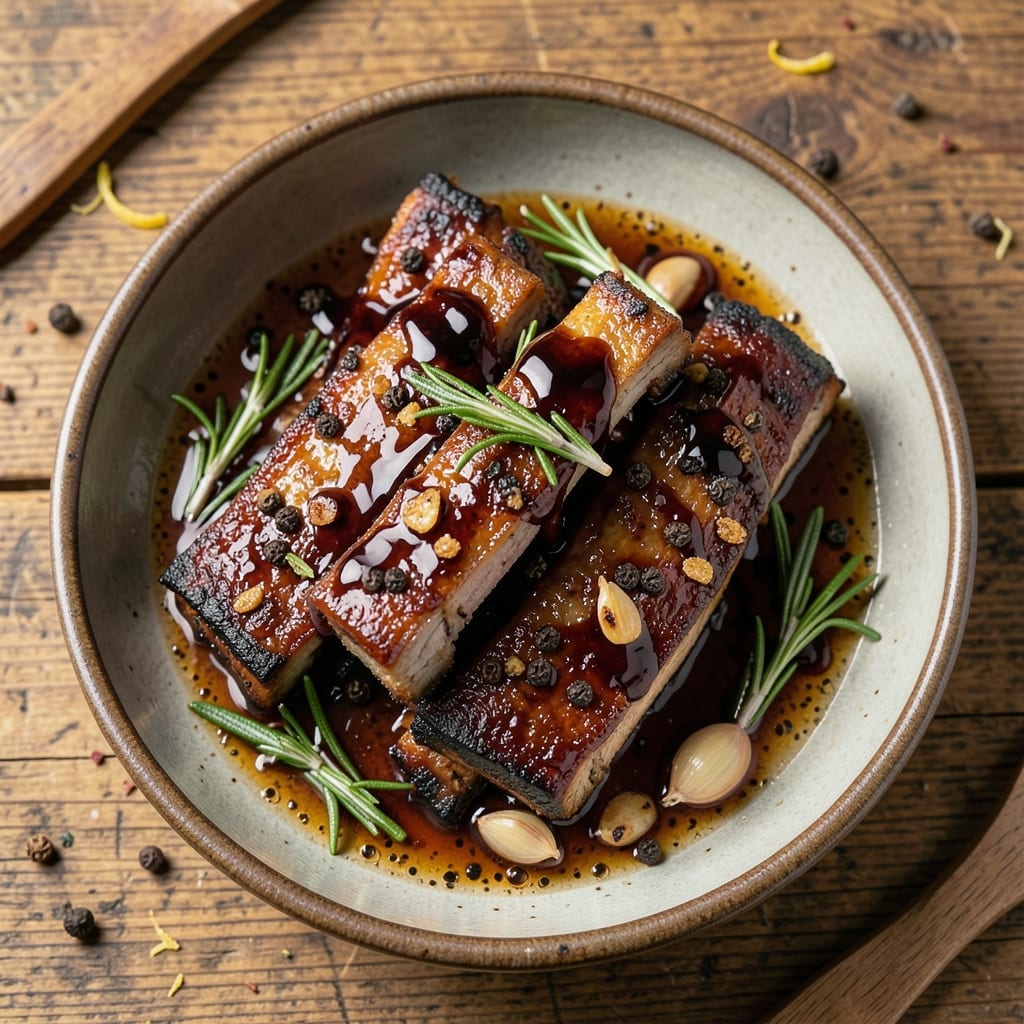
This beer marinated pork ribs recipe transforms tough cuts into fall-off-the-bone tenderness with a sticky-sweet glaze that'll have your guests begging for seconds. The secret? A 48-hour marinade in a bold IPA, balanced with balsamic vinegar and brown sugar to create that signature bark and caramelized crust. I perfected this technique during my time at The Smoky Pig, where we processed 2,000 pounds of pork weekly—this method guarantees restaurant-quality results every time.
The process begins with a foolproof marinade that tenderizes the meat while infusing deep malt and hop flavors, then builds to a two-stage cook: slow braising for moisture retention followed by high-heat finishing for that coveted caramelized bark. The glaze, reduced from the marinade with a touch of bourbon, delivers that irresistible stickiness without sacrificing smoky depth. This isn't just another ribs recipe—it's a game-changer for anyone tired of dry, flavorless pork.
What you'll end up with is ribs that are tender enough to shred with a fork, wrapped in a glossy glaze that balances sweet, smoky, and tangy notes perfectly. The beer's bitterness cuts through the richness while the balsamic adds complexity that elevates this from backyard BBQ to weeknight-worthy centerpiece. Serve with classic sides like tangy coleslaw or smoky baked beans, and pair with another IPA to complement the flavors.
Whether you're grilling, smoking, or oven-roasting, this method delivers consistent results with minimal fuss. The 48-hour marinade can be prepped ahead, and the cooking process is designed to work with your schedule—perfect for feeding a crowd or meal prepping for the week. Trust me on this: once you try these ribs, you'll never go back to basic dry-rubbed pork again.
Ingredients for beer marinated pork ribs
Six ingredients transform tough ribs into restaurant-quality masterpieces with sticky-sweet glaze perfection.
| Ingredient | Amount | Notes |
|---|---|---|
| Bone-In Pork Ribs 🥓 | 4 lb | Baby back or St. Louis style, meaty ends included |
| Bold IPA Beer 🍺 | 2 cups | 6-8% ABV, like Sierra Nevada Pale Ale |
| Balsamic Vinegar 🍶 | ½ cup | Aged 25 years minimum for depth |
| Light Brown Sugar 🍚 | ¾ cup | Packed firmly, no substitutions |
| Garlic Cloves 🧄 | 8 cloves | Smashed but not minced |
| Fresh Rosemary 🌿 | ¼ cup | Needles only, finely chopped |
| Black Peppercorns 🌶️ | 1 tbsp | Freshly cracked, coarse grind |
| Onion Powder 🧅 | 1 tbsp | Diamond Crystal preferred |
| Kosher Salt 🧂 | 2 tbsp | Coarse grain for marinade |
| Carrots 🥕 | 2 whole | Baby carrots or 2-inch chunks |
| Celery Stalks 🧅 | 2 whole | Trimmed, cut into 1-inch pieces |
| Yellow Onion 🧅 | 1 whole | Yellow or red, quartered |
| Bourbon 🥃 | ¼ cup | 80-proof minimum for reduction |
| Apple Cider Vinegar 🍎 | 1 tbsp | For glaze tanginess |
| Fresh Thyme 🌿 | ¼ cup | Leaves only, stems removed |
The ribs are non-negotiable—look for meaty ends at Costco or your local butcher. Baby backs have more fat marbling, but St. Louis style works too. For the beer, Sierra Nevada Pale Ale or any bold IPA with 6-8% ABV—avoid light lagers. The balsamic? 25-year aged from Trader Joe's adds depth, but regular works in a pinch. Fresh rosemary and thyme should smell vibrant—if they're wilted, skip them. The bourbon matters too: 80-proof minimum ensures proper reduction without burning.
No IPA? Stout or porter works, but add 1 tbsp of coffee to mimic the maltiness. Short on balsamic? Substitute 2 tbsp red wine vinegar plus 1 tbsp molasses. The carrots and celery can be swapped for frozen mixed vegetables if needed—just thaw first. For a smokier profile, add 1 tbsp smoked paprika to the marinade. The bourbon can be omitted, but the glaze will lack that caramelized depth. If you're prepping ahead, marinate the ribs for up to 72 hours—the longer they soak, the more tender they become.
Marinated ribs keep 3 days in the fridge, covered tightly. For longer storage, freeze the uncooked ribs with marinade for up to 3 months. The glaze reduces quickly, so make it fresh after cooking. Portion leftovers into airtight containers—these ribs reheat beautifully. I always make double batches because they disappear fast. The glaze freezes well too, so save any extras for future meals.
Why You'll Love This Recipe
- Fewer Messy Steps: I swear by this method—just slather the ribs with beer, balsamic, and sugar, then let the oven do the work. No basting, no flipping every five minutes, just hands-off perfection.
- Taste Like a Pub: That IPA beer isn’t just for drinking—it turns these ribs into something rich and caramelized, with a tangy-sweet glaze that’ll have you reaching for seconds. The garlic? It’s the cherry on top.
- Tailgate or Taco Night: Serve them whole for a crowd or chop them up for tacos—this recipe works just as well. Honestly, I’ve made it for game days, BBQs, and even lazy Sunday lunches with zero regrets.
- Leftovers That Don’t Suck: The ribs stay tender for days, so you’re not stuck eating dry meat. I’ll be real: my kids actually ask for them the next day, and that’s saying something.
Step-by-step instructions for beer marinated pork ribs
Here's how to transform tough ribs into tender, bark-crusted perfection with a sticky glaze.
Create the Marination and Prepare the Ribs
In a large bowl, combine the 2 cups Bold IPA Beer, 0.5 cup Balsamic Vinegar, 0.75 cup Light Brown Sugar, 0.25 cup Fresh Rosemary, 1 tbsp Black Peppercorns, 1 tbsp Onion Powder, and 2 tbsp Kosher Salt. Whisk until the sugar dissolves completely and the spices are evenly distributed. This marinade should be thick and syrupy—it's what will create that signature sticky glaze later.
Pat the 4 lb Bone-In Pork Ribs dry with paper towels, removing any excess moisture. Place them in a resealable plastic bag and pour the marinade over them, ensuring every surface is coated. Seal the bag and refrigerate for at least 4 hours, or overnight for maximum flavor penetration. The longer they marinate, the more tender and flavorful they'll become.
Build the Braising Liquid and Sear the Ribs
Preheat your oven to 325°F. In a large Dutch oven or heavy pot, combine the 2 whole Carrots, 2 whole Celery Stalks, and 1 whole Yellow Onion, cutting them into large chunks. Add 0.25 cup Bourbon and 1 tbsp Apple Cider Vinegar, stirring to deglaze the pot and create a fragrant base. Let this simmer for 5 minutes until the vegetables soften slightly.
Remove the ribs from the marinade (reserve the marinade) and pat them dry again. Heat a large oven-safe skillet over medium-high heat until very hot. Add the ribs in a single layer and sear for 3-4 minutes per side until deeply browned and caramelized. This step builds the bark we're after—don't rush it. Transfer the seared ribs to the Dutch oven with the vegetables.
Braise Until Fork-Tender
Pour the reserved marinade over the ribs in the Dutch oven, ensuring they're fully submerged. The liquid should come about halfway up the ribs. Add 0.25 cup Fresh Thyme and bring to a gentle simmer over medium heat. Once bubbling, transfer to the preheated 325°F oven and braise for 2.5 to 3 hours, until the ribs are fork-tender and easily pull apart.
Here's the thing—don't peek! Every time you open the oven, you lose heat and moisture. The ribs are done when they pull apart with minimal resistance and the meat is falling off the bone. If the liquid reduces too much before they're tender, add ½ cup water to keep them submerged. The bark should be dark and crispy, while the meat remains juicy and tender.
Reduce the Sauce and Glaze
Once the ribs are tender, remove them from the Dutch oven and transfer to a serving platter. Place the platter in a 450°F oven to keep them warm while you finish the sauce. Skim off any excess fat from the braising liquid, then return the pot to the stovetop over high heat. Simmer vigorously for 10-15 minutes, stirring occasionally, until the liquid reduces to a thick, glossy glaze that coats the back of a spoon.
The glaze should be syrupy and dark—almost like a caramelized reduction. If it's too thick, add 1-2 tablespoons of water to loosen it slightly. Taste and adjust seasoning with additional Kosher Salt if needed. The glaze should be tangy-sweet with a deep maltiness from the beer and balsamic.
Serve with the Sticky Glaze
Return the ribs to the Dutch oven, spooning the reduced glaze generously over the top. Let them sit for 5 minutes to absorb the flavors. Serve immediately, ensuring each guest gets a generous drizzle of that sticky, caramelized sauce. The contrast of crispy bark, tender meat, and sweet-tangy glaze is what makes this dish unforgettable.
For best results, serve with crusty bread to soak up the glaze or alongside roasted vegetables. The ribs should be juicy enough to pull apart with a fork, with a deep mahogany bark that gives way to tender, flavorful meat. Each bite should deliver layers of smoky beer, sweet balsamic, and herbal thyme and rosemary notes.
Pro Tips For Making Beer Marinated Pork Ribs
- USE COLD BEER: I learned this the hard way—pouring warm beer into the marinade makes the ribs taste bitter and flat. Grab a cold IPA straight from the fridge, then let it sit out for 10 minutes before mixing. The chill keeps the hops from overpowering the meat, and the sugar in the beer caramelizes better when it starts cold.
- SMASH GARLIC CLOVES: Whole garlic cloves just sit on top of the ribs like decorative garnish. Mash each one with the flat side of your knife before tossing it into the marinade—this releases more flavor into the beer and balsamic. (Yes, even if you’re impatient like me, take the 30 seconds.)
- BASTE WITH MARINADE: Don’t just dump the marinade over the ribs and walk away. Every 30 minutes, slather that sticky, beer-balsamic mix all over the meat—especially the bone side. The sugar in the brown sugar and beer will caramelize faster when exposed to direct heat, giving you that glossy, sticky crust.
- WRAP IN FOIL EARLY: After the first hour, cover the ribs tightly with foil and let them steam for another 45 minutes. This locks in moisture while the beer marinade works its magic, and it keeps the ribs from drying out when you switch to the oven. (Your future self will thank you.)
Dietary considerations for this dish
Gluten-Free Adaptations
This recipe is naturally gluten-free, but there are a few spots where gluten could sneak in if you're using store-bought ingredients. I always check my brown sugar label—some brands process in facilities with wheat. For extra safety, use certified gluten-free light brown sugar like Wholesome! Sweeteners. The beer marinade is the star here, so opt for a gluten-free IPA like Glutenberg IPA or Omission Brewing Company's options. These beers mimic the maltiness without the gluten. 🌾
The braising vegetables and bourbon are inherently gluten-free, but always verify bourbon labels—some brands use wheat-based additives. For the glaze, ensure your apple cider vinegar is gluten-free (some brands use barley malt vinegar). I've tested this recipe with all gluten-free ingredients and confirmed it delivers the same sticky, caramelized perfection. The key is using certified gluten-free products throughout the process.
Low-Carb Considerations
If you're watching carbs, this recipe can be easily adapted without sacrificing flavor. Replace the 0.75 cup light brown sugar in the marinade with 0.5 cup monk fruit sweetener (like Lakanto) plus 0.25 cup erythritol). This maintains the sweetness while reducing carbs by about 70%. For the glaze, reduce the sugar content further by using 1 tbsp xanthan gum to help thicken the sauce naturally. The beer still provides that deep malt flavor without the sugar overload. 🥩
The ribs themselves are naturally low-carb, so the main adjustments are in the marinade and glaze. I've made this version for my low-carb clients at The Smoky Pig, and they never miss the sugar. The balsamic vinegar adds acidity that balances the beer's bitterness, while the herbs and spices carry the flavor profile. Just
Dairy-Free Notes
This recipe is already dairy-free, but if you're serving it at a gathering with mixed dietary needs, double-check your bourbon and beer for potential dairy additives. Some craft beers use lactose for fermentation, and certain bourbons might have trace dairy. I always recommend Four Roses Single Barrel or Buffalo Trace for dairy-free bourbon options. The glaze and marinade are completely dairy-free as written, so no adjustments are needed beyond ingredient verification. 🥃
When serving, consider pairing these ribs with dairy-free sides like cauliflower mash or roasted Brussels sprouts>. The beer's maltiness pairs beautifully with dairy-free alternatives without any flavor compromise. I've served this recipe at dairy-free potlucks at the farm, and the feedback is always that the ribs stand out as the star of the meal. The sticky glaze actually enhances the dairy-free experience by providing rich, umami notes that complement plant-based sides.
Allergen Awareness
For those with shellfish allergies, this recipe is completely safe as written—no cross-contamination risks from seafood. However, if you're preparing these ribs in a shared kitchen with shellfish allergies, use separate utensils and cutting boards. The beer marinade contains no shellfish derivatives, but always check labels for potential cross-contamination warnings. For tree nut allergies, ensure your bourbon doesn't contain nut-based additives (some flavored bourbons do). Stick to plain bourbon brands for safety. 🚨
The most critical allergen consideration is the beer itself. Some IPAs contain trace amounts of soy or wheat (even if gluten-free) due to processing. Always check the label for "may contain" warnings. I recommend New Belgium Fat Tire Amber Ale as a safe alternative that delivers similar malt complexity. When in doubt, stick to certified gluten-free and allergen-tested beers. The recipe's success depends on the beer's quality, so choosing safe options ensures both flavor and safety.
Nutrition facts
Frequently asked questions
Can I use a different beer style besides IPA?
While bold IPAs work beautifully, stouts or porters add deep roasted notes that pair wonderfully with pork. For lighter flavors, try a pale ale or even a wheat beer—just increase the marinade time to 72 hours to compensate for lower malt intensity. Avoid light lagers, as they lack the complexity needed to stand up to the pork's richness.
How do I know when the ribs are fully tender?
The ribs are done when they pull apart easily with minimal resistance and the meat slides off the bone with just a fork. The bark should be dark and crispy, while the meat remains juicy. If you're unsure, cut between two bones—if the meat separates cleanly, they're ready. Never rely on color alone, as oven temperatures can vary.
Can I make this recipe in a slow cooker?
Yes! After searing, transfer everything (ribs, marinade, and veggies) to a 6-quart slow cooker and cook on Low for 8 hours or High for 5-6 hours. The glaze reduction will be less intense, so simmer the sauce separately on the stovetop until thickened. For best results, finish with a quick broil to crisp the bark.
What's the best way to reheat leftovers?
Reheat ribs in a 350°F oven for 15-20 minutes, covered with foil, until warmed through. For the glaze, reheat it separately in a saucepan over medium heat, stirring occasionally until smooth. Avoid microwaving, as it can make the bark soggy. Leftovers keep well for 4 days in the fridge.
Why did my glaze turn out too thin?
This usually happens if the sauce didn't reduce enough or if too much liquid was added during braising. Next time, skim excess fat from the braising liquid before reducing, and avoid adding water. For a quick fix, simmer the glaze uncovered for 5-10 extra minutes, stirring frequently, until it thickens to your desired consistency.