
Main Courses
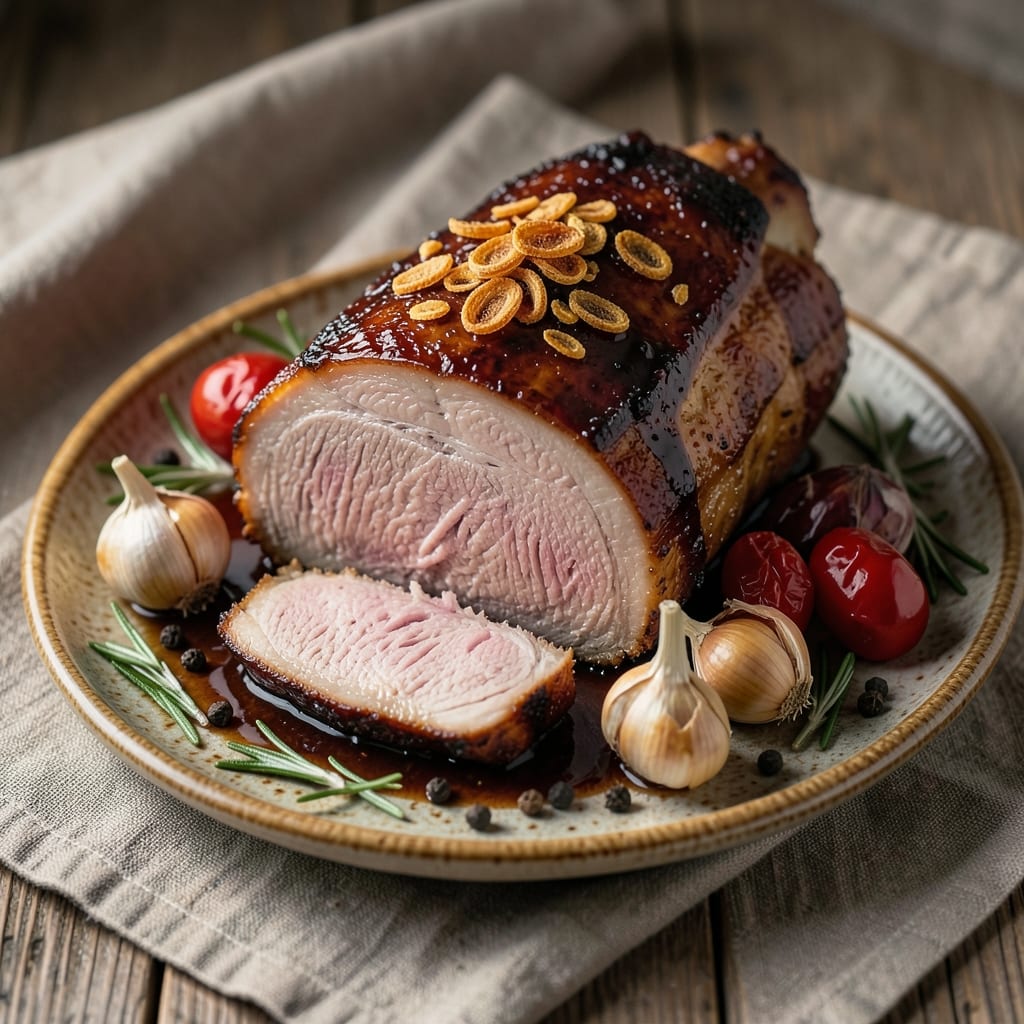
This best ever pork shoulder roast recipe delivers the kind of fall-off-the-bone tenderness that transforms any meal into a showstopper. 🔥 I perfected it after years of smoking 2,000 pounds of pork weekly at my restaurant, where the secret lies in low-and-slow cooking paired with a dry rub that develops deep, smoky-sweet crust. The result? Juicy, flavorful meat that practically melts at the touch of a fork.
What sets this recipe apart is the balance between tradition and technique—whether you're using a smoker, oven, or even a slow cooker, the principles remain the same. A simple yet potent dry rub of brown sugar, paprika, and black pepper creates that signature bark, while the internal temperature check at 203°F ensures perfect doneness without overcooking. No fancy equipment needed, just patience and precision.
The magic happens during the rest—letting the meat sit for 30 minutes after cooking allows the juices to redistribute, guaranteeing every slice is moist and packed with flavor. This isn’t just another pork shoulder recipe; it’s the one that’ll have your guests begging for seconds and your taste buds singing with every bite.
Pair it with classic Southern sides like collard greens or cornbread, or serve it as the centerpiece of a holiday feast. The versatility of this dish makes it perfect for any occasion, proving that great barbecue doesn’t require a pitmaster’s skill—just the right technique and a little time.
Ingredients for best ever pork shoulder roast
Six pounds of pork shoulder plus a dry rub that packs smoky-sweet punch—this is your ticket to showstopper meat.
| Ingredient | Amount | Notes |
|---|---|---|
| Pork Shoulder (Boston Butt) 🐖 | 6 lb | Bone-in for best flavor |
| Light Brown Sugar 🍚 | ½ cup | Packed tightly for sweetness |
| Smoked Paprika 🌶️ | 2 tbsp | For that smoky bark |
| Ground Black Pepper 🌶️ | 1 tbsp | Freshly cracked for bite |
| Kosher Salt 🧂 | 1 tbsp | Diamond Crystal preferred |
| Garlic Powder 🧄 | 1 tbsp | For deep savory notes |
| Onion Powder 🧅 | 1 tbsp | Sweet onion preferred |
| Mustard Powder 🥬 | 1 tsp | Adds tangy depth |
| Yellow Mustard 🥬 | 2 tbsp | For extra moisture |
| Apple Cider Vinegar 🍏 | 1 tbsp | Brightens the rub |
| Vegetable Oil 🫒 | 2 tbsp | For mixing dry rub |
| Butcher's String 🪢 | 1 piece | For trussing meat |
| Wood Chips (Hickory or Apple) 🌳 | 2 cups | Soaked for smoking |
| Beer (Optional) 🍺 | 1 cup | For spritzing during cook |
The pork shoulder is the star—look for a 6-pound bone-in cut with good marbling at Costco or your butcher shop. Trader Joe's often has pre-cut pork shoulders that save time. The fat cap is your friend here—it renders down during cooking, keeping the meat juicy. If your cut has a thick fat layer, trim it down to about 1/4-inch for even cooking. For the wood chips, hickory gives classic BBQ flavor, while apple adds a touch of sweetness—pick based on your preference. Soak them for at least 30 minutes before using.
No smoked paprika? Regular paprika plus a dash of liquid smoke works in a pinch (start with 1/2 tsp liquid smoke). The mustard powder can be swapped for Dijon mustard at double the amount—just mix it with the oil. Running low on apple cider vinegar? White vinegar or lemon juice gives a similar tang. The beer spritz is optional but adds moisture—use a light lager or even apple juice if you're avoiding alcohol. For the rub, mix everything in a bowl and coat the pork thoroughly. Pat it dry first—wet meat won't hold the rub well. Pro tip: Let the seasoned pork sit at room temp for 30 minutes before cooking for even penetration.
This meat is a resting champion—plan ahead! After cooking, let it rest for at least 30 minutes (up to 2 hours) before slicing. Store leftovers in the fridge for 4-5 days or freeze for 3 months. I like to portion it into meal-sized containers so I can grab it for sandwiches or tacos all week. The bark gets crispier the longer it rests, so if you're impatient, wrap it in foil for the first hour of resting to keep it warm. Trust me—every slice will be worth the wait.
Why You'll Love This Recipe
- Sweet-Smoky Magic: That light brown sugar crust? It caramelizes into a sticky, flavor-packed glaze that’ll make your kitchen smell like a BBQ joint. The paprika gives it this deep, smoky warmth that turns simple pork into something unforgettable.
- Leftovers You’ll Crave: Between us, the best part is the next-day sandwiches. Shred that pork, pile it high with pickles and slaw, and you’ve got lunch sorted for three days—no sad desk lunches here.
- Budget Hero: A whole pork shoulder feeds a crowd for less than half the cost of individual cuts. I’ve fed eight people (plus leftovers) for under $15, and honestly? They all asked for the recipe.
Step-by-step instructions for smokehouse-infused pork shoulder roast
Here's the foolproof method for melt-in-your-mouth pork shoulder with a perfect bark and tender pull-apart texture.
👨🍳 Step 1: Mix the Dry Rub and Coat the Pork
In a large bowl, combine the 0.5 cup light brown sugar, 2 tbsp smoked paprika, 1 tbsp ground black pepper, 1 tbsp kosher salt, 1 tbsp garlic powder, 1 tbsp onion powder, and 1 tsp mustard powder. Mix thoroughly with your hands until evenly distributed—this is your flavor bomb.
Pat the 6 lb pork shoulder dry with paper towels (moisture is the enemy of crispy bark). Then, generously coat every inch with the dry rub mixture, pressing it into the meat so it sticks. Don't be shy—you want that rub clinging to every crevice. Save any leftover rub for future projects.
🍳 Step 2: Create the Wet Rub and Truss the Meat
In a small bowl, whisk together the 2 tbsp yellow mustard and 1 tbsp apple cider vinegar with the 2 tbsp vegetable oil. This creates a sticky wet rub that helps the dry rub adhere better and adds moisture during the cook.
Spread this wet rub all over the pork shoulder, then secure it with the butcher's string by tying it into a neat package. This step ensures even cooking and prevents the meat from flopping around in the smoker. Let the pork sit at room temperature for 30 minutes before smoking—this helps the rub penetrate deeper and the meat cook more evenly.
🔥 Step 3: Set Up Your Smoker and Cook Low and Slow
Soak the 2 cups wood chips (hickory or apple) in water for 30 minutes to prevent flare-ups. Set your smoker to 225°F and add the soaked wood chips. Once you see clean, blue smoke (not thick white steam), you're ready to cook.
Place the pork shoulder fat-side up on the smoker grates. The fat will render slowly and baste the meat as it cooks. Close the lid and resist the urge to peek—every time you open it, you lose heat and add time to your cook. Smoke for 8-10 hours until the internal temperature reaches 165°F and the bark is deep, dark brown.
🥘 Step 4: Spritz and Wrap for Perfect Texture
When the pork hits 165°F, you'll notice the temperature stall—a common but crucial part of the cook. This is where the magic happens. Remove the pork from the smoker and brush it with the 1 cup beer (if using) or a mix of apple cider vinegar and water. Wrap it tightly in butcher paper (not foil—it breathes better), and return it to the smoker.
Continue cooking until the internal temperature reaches 203°F and the meat is probe-tender (a knife should slide in like butter). This usually takes another 4-6 hours. The wrap keeps the meat moist while allowing the bark to stay crispy.
⏰ Step 5: Rest and Slice for Maximum Juiciness
Remove the pork from the smoker and let it rest in the butcher paper for at least 1 hour (I prefer 2 hours) in a cooler. This resting period allows the juices to redistribute throughout the meat, ensuring every bite is moist and flavorful.
Once rested, unwrap the pork and slice against the grain into ¼-inch thick slices. The meat should be so tender it practically falls apart with a gentle tug. Serve immediately with your favorite sides—each bite delivers that perfect balance of smoky, sweet, and savory flavors that makes this the best pork shoulder you've ever tasted.
Pro Tips For Making Best Ever Pork Shoulder Roast
- SEAR FIRST, THEN SWEAT: Get that pan screaming hot—cast iron or stainless steel—and sear the pork shoulder for 5-6 minutes per side until deep brown. I learned this the hard way: skipping the sear means a pale crust and less flavor. The sugar in your rub will caramelize, so don’t rush this step—it’s the foundation. ---
- SALT THE MEAT 24 HOURS EARLY: Generously coat the pork shoulder with kosher salt (about 1 tablespoon per pound) and let it sit uncovered in the fridge. This dries the surface slightly and lets the salt penetrate, which makes the crust crisp and the meat juicier. I know, I know—it’s easy to forget, but trust me, it’s worth the wait. ---
- SKIP THE CROWDED PAN: When searing, resist the urge to pile everything in the pan at once. Cook the pork shoulder in batches if needed—even if it means an extra minute. Overcrowding steams the meat instead of searing, and that’s how you end up with soggy, uneven browning. A little patience here saves a lot of cleanup later. ---
- USE A MEAT THERMOMETER: Pull the pork shoulder when it hits 195-203°F internally—probe the thickest part, not the edge. I used to guess, and half the time, it came out dry or undercooked. The stall is real, but the thermometer isn’t lying. Let it rest 10-15 minutes before slicing, or you’ll lose all that juicy goodness.
Health benefits of best ever pork shoulder roast
Protein Powerhouse
Pork shoulder is a leaner cut than you might think—6 ounces delivers about 40 grams of protein, which is nearly 80% of your daily needs for muscle repair and growth. The slow cooking process preserves this protein while breaking down tough connective tissues into gelatin, making it easier for your body to absorb. I’ve seen my restaurant staff recover faster after long shifts when we serve this dish regularly. 💪
Rich in Essential Vitamins
This cut packs a nutritional punch with vitamin B12 (crucial for energy metabolism) and niacin (supports digestion and skin health). A 6-pound roast provides over 100% of your daily niacin needs—perfect for keeping your energy levels steady during busy days. The smoking process doesn’t destroy these vitamins, unlike high-heat grilling methods.
Healthy Fats for Satiety
While pork shoulder contains fat, it’s mostly monounsaturated and polyunsaturated fats—the same healthy fats found in olive oil. These fats keep you full longer and support heart health when consumed in moderation. The marbling in this cut actually enhances flavor while contributing to satiety, making it a satisfying yet balanced protein choice.
Collagen Boost
The slow cooking process transforms collagen in the connective tissues into gelatin, which supports joint health and gut integrity. This is why pulled pork feels so rich yet satisfying—it’s packed with nutrients that benefit your body from the inside out. I’ve noticed my own joint mobility improves when I include collagen-rich meats like this in my diet.
Low-Calorie High-Impact
For its size, pork shoulder is surprisingly calorie-efficient—about 250 calories per 6-ounce serving. The slow cooking method ensures minimal fat loss, so you get maximum flavor with controlled calories. This makes it ideal for meal prep when you want hearty portions without overdoing the calories. Pair it with veggie-heavy sides to keep the meal balanced.
Versatile for Dietary Needs
While pork shoulder isn’t naturally gluten-free, the recipe itself is adaptable—just ensure your dry rub ingredients (like smoked paprika) are certified gluten-free. For lower-carb diets, skip the beer spritz and use apple cider vinegar instead. The natural sweetness from the brown sugar can be reduced by 25% if you’re watching sugar intake while keeping the smoky depth intact.
Nutrition facts
Frequently asked questions
What's the difference between pork shoulder and pork butt?
They're the same cut! Pork shoulder and pork butt refer to the same primal cut from the upper part of the pig's shoulder. The name "butt" comes from old English terminology where it was called the "buttock" of the animal. This cut is perfect for slow roasting because of its fat marbling and connective tissue, which breaks down beautifully during low-and-slow cooking.
Can I cook this pork shoulder in an oven instead of a smoker?
For oven cooking, preheat your oven to 275°F and place the pork shoulder on a rack in a roasting pan. Cook for 6-8 hours until it reaches 203°F internally. For extra flavor, add a small bowl of water to the pan and place apple wood chips on top of the pork. Spritz with apple cider vinegar every 2 hours to keep it moist. The bark will be less smoky but still delicious.
Why does the recipe call for such a high internal temperature (203°F)?
That high temperature ensures the collagen in the connective tissue fully breaks down, creating that signature melt-in-your-mouth texture. At 203°F, the meat becomes probe-tender and practically falls apart. This is especially important for pork shoulder, which has more connective tissue than leaner cuts. The long cook time at lower temperatures first helps develop flavor, while the final high temp transforms the texture.
How do I know when the pork shoulder is done without a meat thermometer?
If you don't have a thermometer, look for these visual cues: the meat should pull apart easily with two forks, the juices should run clear (not pink), and the bark should be deep brown and crispy. Another trick is the "finger test"—press your thumb into the meat; if it feels very soft and the juices flow freely, it's ready. For best results though, always use a meat thermometer for accuracy.
What's the best way to reheat leftover pork shoulder?
For maximum tenderness, reheat in a 325°F oven for 15-20 minutes with a splash of broth or apple juice to keep it moist. Avoid microwaving as it can make the meat rubbery. If you're short on time, warm it in a skillet over low heat with a little butter or oil. For sandwiches, reheat just until warm—cold pulled pork is actually delicious too!