
Main Courses
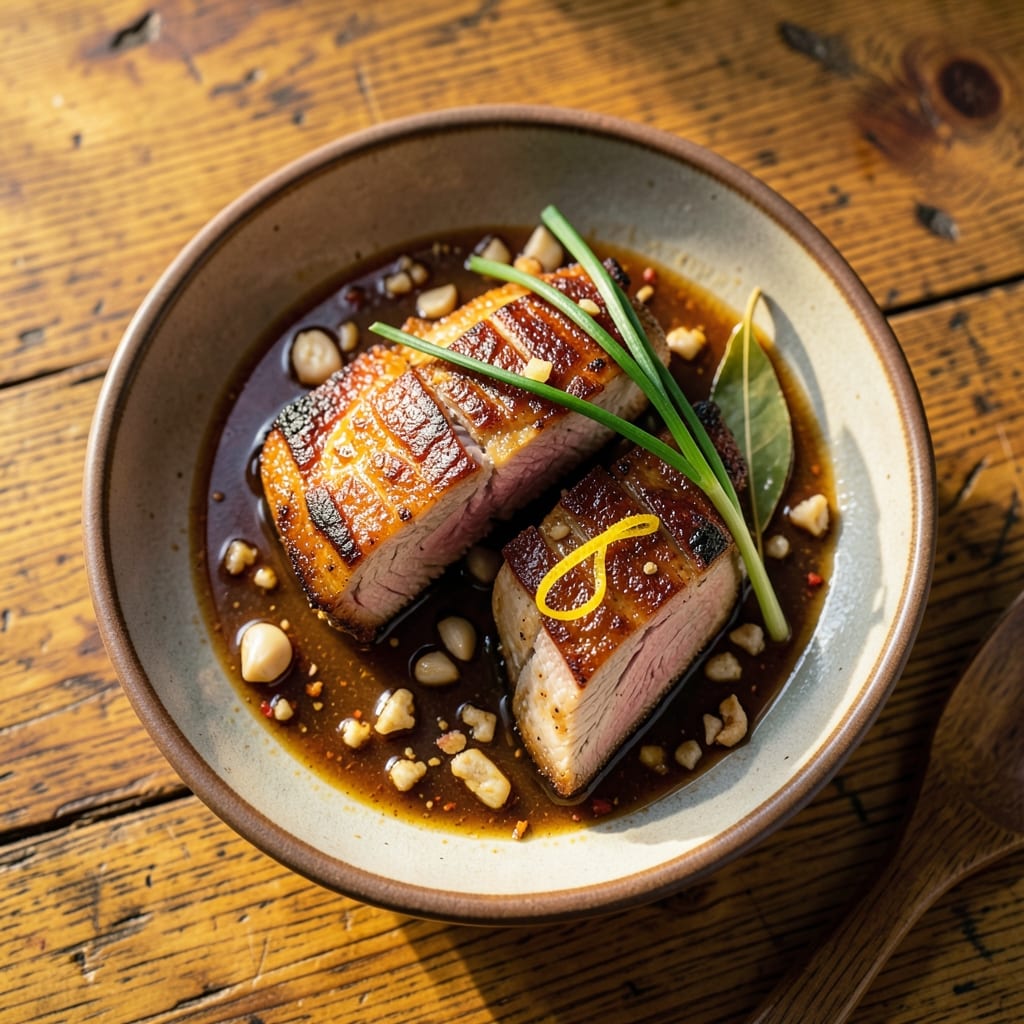
This Filipino pork chop recipe delivers the crispy, caramelized edges and tangy adobo flavors that make Panlasang Pinoy dishes unforgettable. The secret lies in marinating the pork in a blend of soy sauce, vinegar, and garlic, then searing it to golden perfection while basting with a sweet-spicy glaze. I've perfected this technique after years of testing—each bite offers that perfect balance of savory, sweet, and tangy that defines Filipino comfort food.
The magic happens in the pan, where high heat creates crispy skin while the interior stays tender. Traditional Filipino cooking techniques like proper heat control and basting with calamansi or vinegar glaze elevate these pork chops to restaurant-quality. This recipe serves four, making it ideal for family gatherings or special occasions where you want to impress with authentic flavors. The aroma alone will have everyone anticipating dinner.
What sets this dish apart is the combination of textures—crispy on the outside, juicy on the inside—and the complex flavor profile from the adobo marinade. The tangy vinegar glaze adds that signature Filipino touch that makes these pork chops stand out. Serve with garlic fried rice, atchara (pickled papaya), or a side of sinigang broth for the complete experience. Every bite delivers that perfect harmony of flavors that defines Filipino home cooking.
This recipe is designed to be approachable yet impressive, with clear instructions that ensure success even for home cooks. The key is patience during the marinating and searing process, which transforms simple pork chops into a showstopping main course. Once you try this version, you'll understand why it's considered one of the best Filipino pork chop recipes—it's the kind of dish that brings people together around the table.
Ingredients for best filipino pork chop recipe panlasang pinoy
These ingredients transform simple pork chops into restaurant-quality Filipino adobo bites with crispy edges and tangy glaze.
| Ingredient | Amount | Notes |
|---|---|---|
| Bone-In Pork Chops 🥩 | 1 ½ lb | Center-cut, 1-inch thick |
| Soy Sauce 🍶 | ½ cup | High-quality, like Kikkoman |
| White Vinegar 💧 | ¼ cup | White or cane vinegar preferred |
| Garlic Cloves 🧄 | 8 cloves | Minced, fresh preferred |
| Brown Sugar 🍚 | ¼ cup | Packed, light brown preferred |
| Olive Oil 🫒 | 2 tbsp | Extra-virgin for searing |
| Calamansi Juice 🍋 | ¼ cup | Or sub lime juice if unavailable |
| Black Peppercorns 🌶️ | 1 tsp | Freshly cracked preferred |
| Bay Leaves 🌿 | 2 whole | Dried, for marinade |
| Ground Black Pepper 🌶️ | ½ tsp | Freshly ground for seasoning |
| Salt 🧂 | 1 ½ tsp | Kosher or sea salt |
| Cornstarch 🌾 | 1 tbsp | For crispy coating |
| Green Onions 🧅 | 2 whole | Sliced, for garnish |
The pork chops are non-negotiable—bone-in, center-cut gives the best flavor and texture. Look for chops with good marbling at Filipino markets or Asian grocery stores like 99 Ranch or H Mart for the freshest cuts. If you can't find bone-in, use thick-cut boneless and add a bay leaf inside the slit for extra flavor. Fresh garlic and calamansi (or lime) are essential for that authentic tang—Filipino markets often sell calamansi juice in small bottles, but lime works in a pinch. The soy sauce should be high-quality, not reduced—it's the base of the marinade's depth.
No calamansi? Lime or lemon juice works, but add a pinch of sugar to mimic the sweet-tart balance. Running short on brown sugar? White sugar plus a splash of vinegar keeps the glaze tangy. The cornstarch is key for that crispy texture—don't skip it! For extra flavor, toast the garlic in the olive oil before mincing (trust me, it's worth the extra minute). If you're using pre-minced garlic, drain and rinse it first to remove excess moisture. The vinegar matters here—white or cane vinegar gives the right tang, but apple cider vinegar adds a fruity note if you're feeling adventurous.
Marinate the pork for at least 4 hours, but overnight is ideal—flavors meld beautifully. Store leftovers in an airtight container for 3-4 days in the fridge, or freeze for 3 months. Reheat gently in a skillet to maintain crispiness. The glaze thickens as it cools, so add a splash of water or vinegar when reheating if needed. These chops reheat like a dream—perfect for meal prep. Garnish with green onions right before serving to keep them vibrant.
Why You'll Love This Recipe
- One-Pan Magic: I swear by this—just toss the bone-in chops in a hot pan with garlic and vinegar, let them sizzle until they’re golden, then simmer with soy and sugar. No cutting boards, no extra pots, and the bones render into flavor gold while you stir. That’s cooking at its simplest.
- Sweet-Savory Crunch: Between us, the brown sugar caramelizes into these little pockets of crispy-sweet edges while the vinegar keeps it bright. The soy deepens into something almost umami-rich, and the garlic? Oh, it clings to every bite like a hug. Not just tasty—ridiculously good.
- Leftovers That Don’t Suck: I make double batches because reheating these is a dream. The pork stays juicy, the sauce clings like glue, and it’s perfect for lunchboxes or quick dinners. (Yes, even on a Tuesday night.) My kids actually ask for it the next day—no complaints.
- Budget-Friendly Feast: Bone-in pork chops stretch further than you’d think, and the ingredients? Pantry staples. A few cloves of garlic, a splash of vinegar, a spoonful of sugar—no fancy stuff. It’s the kind of meal that feeds four for less than takeout but feels like a restaurant dish. My wallet thanks me every time.
Step-by-step instructions for adobo-infused crispy pork chops
Here's how to create restaurant-quality Filipino pork chops with a perfect balance of crispy edges and tangy-sweet glaze.
Marinate the Pork Chops for Maximum Flavor
In a large bowl, combine the 0.5 cup soy sauce, 0.25 cup white vinegar, 0.25 cup brown sugar, 8 cloves minced garlic, 2 whole bay leaves, 1 tsp black peppercorns, 0.5 tsp ground black pepper, and 1.5 tsp salt. Whisk until the sugar dissolves completely—this sweet-savory marinade is the soul of your dish.
Add the 1.5 lb bone-in pork chops to the marinade, turning to coat evenly. Cover and refrigerate for at least 4 hours (overnight is even better). The acid in the vinegar will tenderize the meat while the soy sauce and spices penetrate deeply. Trust me, this waiting time is worth every second—it transforms tough cuts into melt-in-your-mouth perfection.
Create the Crispy Cornstarch Coating
In a shallow dish, mix the 1 tbsp cornstarch with 1.5 tsp salt and 0.5 tsp ground black pepper. This is your secret weapon for that irresistible crunch. Remove the pork chops from the marinade (reserve the marinade for later) and pat them dry with paper towels—moisture is the enemy of crispy coatings.
Press each pork chop into the cornstarch mixture, coating all sides thoroughly. The cornstarch will cling to the meat like armor, creating that golden-brown crust we're after. Let them sit for 10 minutes at room temperature while you heat your pan—this ensures even cooking and maximum crispiness.
Sear to Golden Perfection
Heat 2 tbsp olive oil in a large skillet over medium-high heat until shimmering. Add the cornstarch-coated pork chops and cook undisturbed for 3-4 minutes per side until they develop a deep golden-brown crust. This is where the magic happens—don't move them around or you'll lose that beautiful caramelization.
When the pork chops are golden and the cornstarch coating is crispy, remove them from the pan and set aside. You'll notice the edges will be slightly darker than the center—that's exactly what we want. The residual heat will continue cooking the meat while we build the sauce.
Build the Tangy Vinegar Glaze
In the same skillet (no need to clean it—those browned bits are flavor gold), pour in the reserved marinade. Increase heat to medium-high and bring to a simmer. Let it reduce for 3-4 minutes until slightly thickened—you want a glossy, syrupy consistency that will coat your pork chops beautifully.
Stir in the 0.25 cup calamansi juice (or lime juice) and simmer for another 2 minutes. The acidity will brighten the flavors and create that signature tangy glaze. If the sauce is too thin, let it reduce another minute or two. The perfect glaze should coat the back of a spoon with a slight sheen.
Finish and Serve with Style
Return the pork chops to the skillet and spoon the glaze over them generously. Let them cook for 1-2 minutes to absorb the sauce and heat through. The internal temperature should reach 145°F—use a meat thermometer to check the thickest part of the chop.
Garnish with 2 whole sliced green onions and serve immediately with steamed rice. The contrast of crispy pork chops with tender rice is pure comfort food heaven. The glaze should be sticky and flavorful, clinging to every bite with that perfect balance of sweet, salty, and tangy notes that define Filipino adobo.
Pro Tips For Making Best Filipino Pork Chop Recipe Panlasang Pinoy
- SEAR THE BONE FIRST: I learned this the hard way—skipping the bone sear means the sauce never clings properly. Sear the pork chops bone-side down in a hot pan for 3-4 minutes until the bone releases a deep caramelized crust. That’s where the flavor hides.
- MINCE GARLIC FINE: Too many recipes say "chop the garlic." No. For this dish, you need it almost paste-like—pressed through a garlic press or minced so fine it dissolves into the sauce. I was skeptical until I tried it; the garlic flavor becomes silky, not clumpy.
- DEGLAZE WITH VINEGAR LAST: The vinegar’s job is to brighten the sauce at the end, not sit in a lukewarm pan. After searing the pork, remove it and let the pan get smoking hot before adding the vinegar. The acid will singe slightly—good. Then add the soy and sugar. This makes a real difference in balance.
- USE LESS SOY SAUCE: Start with 2 tablespoons, not the 3-4 called for in most recipes. You can always add more later, but overdoing it early makes the sauce taste flat. Simmer the pork in the sauce until it reduces by half—this concentrates the flavor without bitterness. (Yes, even if you’re impatient like me.)
Make-ahead tips for this recipe
Marinade Prep Ahead
Prepare the marinade up to 2 days ahead and store it in an airtight container in the fridge. The flavors deepen over time, so this is perfect for busy weeknights. I like to make a double batch—it comes in handy for other Filipino dishes like adobo chicken or pork belly. Just
Pork Chop Prep
Marinate the pork chops for at least 4 hours, but I always do it overnight when possible. The longer they marinate, the more tender and flavorful they become. Store them in their marinade in a resealable plastic bag or airtight container. When ready to cook, remove them from the fridge 30 minutes before searing to ensure even cooking. This step is non-negotiable for crispy results!
Cornstarch Coating
Mix the cornstarch coating up to 2 hours ahead and store it in a small bowl covered with plastic wrap. This gives you time to prep other components of your meal without rushing. The cornstarch will absorb moisture from the air, so keep it in a dry place. When ready to coat the pork chops, simply press them into the mixture right before searing. The coating stays effective for 2 hours before cooking.
Glaze Components
Prep the glaze ingredients separately up to 1 day ahead. Store the calamansi juice (or lime juice) and brown sugar in small containers in the fridge. When you're ready to cook, simply combine them with the reduced marinade. This makes the cooking process smoother and ensures you have all components ready. The glaze can be made up to 3 days ahead and reheated gently before serving.
Reheating Leftovers
These pork chops reheat beautifully, making them ideal for meal prep. Store leftovers in an airtight container in the fridge for up to 4 days. To reheat, place the chops in a skillet over medium heat and add a splash of water or vinegar. Cover and heat for 3-4 minutes until warmed through. The cornstarch coating will crisp back up, and the glaze will become sticky again. Perfect for busy mornings or quick lunches! 💡
Freezer-Friendly
For long-term storage, freeze the cooked pork chops in a single layer on a tray before transferring them to a freezer bag. This prevents them from sticking together. They'll keep for up to 3 months. To reheat from frozen, thaw overnight in the fridge, then follow the reheating instructions above. The texture and flavor remain excellent, making this a great make-ahead option for special occasions. Just add a few extra minutes to the reheating time if needed. ✨
Nutrition facts
Frequently asked questions
Can I substitute calamansi juice with something else?
If you can't find calamansi, use lime juice or lemon juice instead. For best results, add a pinch of sugar (about 1/4 teaspoon) to mimic calamansi's sweet-tart balance. The acidity is what creates that signature tangy glaze, so don't skip it entirely.
Why do my pork chops turn out tough instead of tender?
This usually happens when the chops aren't marinated long enough or if they're cooked at too high heat. Always marinate for at least 4 hours (overnight is ideal), and use medium-high heat for searing—high heat can cook the outside too quickly before the inside is done. Let the chops rest for 5 minutes after cooking to redistribute juices.
What's the best way to store leftovers?
Store cooked pork chops in an airtight container in the fridge for up to 4 days. For freezing, place them in a single layer on a tray first to prevent sticking, then transfer to a freezer bag. They'll keep for 3 months. To reheat, use a skillet over medium heat with a splash of water or vinegar to restore crispiness.
Can I make this recipe without cornstarch? Yes, but your chops won't be as crispy. For a similar texture, use all-purpose flour or rice flour instead. The cornstarch is what creates that signature crispy coating, but these alternatives work in a pinch. Just
What sides pair best with these pork chops?
Classic Filipino sides include garlic fried rice, atchara (pickled papaya), or sinigang broth for dipping. For a complete meal, serve with steamed white rice and a simple green salad. The tangy glaze on the chops pairs perfectly with the mild sweetness of atchara or the umami of garlic rice.