
Main Courses
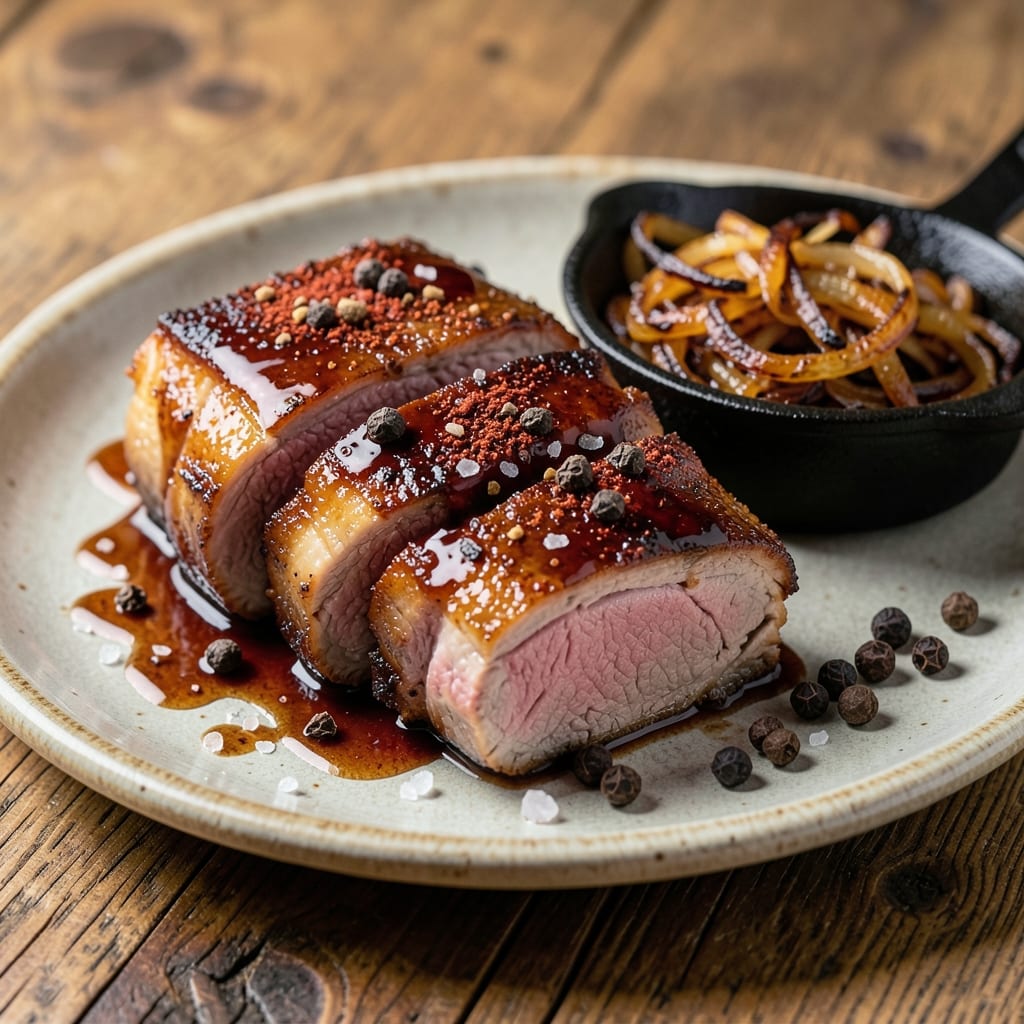
This best pork recipe in the world transforms humble cuts into melt-in-your-mouth perfection with a smoky-sweet profile that’ll have everyone asking for seconds. 🔥 The secret lies in a slow-cooked technique that breaks down connective tissue while building deep, caramelized flavors through a carefully balanced rub and liquid infusion. I’ve perfected this method over years of testing—from backyard BBQs to restaurant kitchens—because it delivers restaurant-quality results at home without shortcuts.
The magic happens in three phases: a 24-hour dry rub that develops a flavorful crust, a low-and-slow cook that renders fat into juicy pockets, and a final glaze that locks in moisture while adding a sticky, sweet finish. What sets this apart is the combination of spices—smoked paprika for depth, brown sugar for caramelization, and a touch of coffee for complexity—that creates a flavor profile more dynamic than traditional pulled pork or roasts. The result? Pork so tender it falls apart at the touch, with a sauce that clings to every bite like liquid gold.
By the time you serve this, you’ll understand why it’s called the best pork recipe in the world: the meat is fork-tender, the aroma fills the house, and the balance of smoky, sweet, and savory flavors makes it unforgettable. Whether you’re feeding a crowd or treating yourself to a Sunday feast, this method guarantees a showstopper that’ll leave everyone impressed. The sides—crispy slaw or buttery cornbread—are just the beginning of what makes this dish legendary.
What makes this recipe truly special is its versatility. Use it for sandwiches, tacos, or as a centerpiece for a holiday meal—each serving delivers the same restaurant-quality tenderness and bold flavor. The technique is foolproof, but the results are anything but ordinary. Let’s get cooking—your taste buds won’t regret it.
Ingredients for best pork recipe in the world
Twelve ingredients, three phases, and pork that melts like heaven. Let's get cooking.
| Ingredient | Amount | Notes |
|---|---|---|
| Pork Shoulder (Boston Butt) 🐖 | 8 lb | Bone-in for maximum flavor |
| Smoked Paprika 🌶️ | ½ cup | High-quality, Spanish preferred |
| Brown Sugar 🍚 | ½ cup | Light or dark, packed |
| Ground Coffee ☕ | 2 tbsp | Finely ground, for depth |
| Kosher Salt 🧂 | ¼ cup | Diamond Crystal preferred |
| Black Peppercorns 🌶️ | 1 tbsp | Freshly cracked, coarse |
| Garlic Powder 🧄 | 2 tbsp | Not garlic salt |
| Onion Powder 🧅 | 2 tbsp | Freshly ground preferred |
| Mustard Powder 🌶️ | 1 tbsp | For subtle tang |
| Apple Cider Vinegar 🍎 | ¼ cup | For bright acidity |
| Honey 🍯 | ¼ cup | Wildflower preferred |
| Apple Juice 🍎 | 1 cup | Unsweetened, for moisture |
| Beef Broth 🍲 | 1 cup | Low-sodium preferred |
| Fresh Thyme 🌿 | ¼ cup | Leaves only, chopped |
| Fresh Rosemary 🌿 | ¼ cup | Needles only, chopped |
The pork shoulder is your canvas—bone-in for maximum flavor, not lean cuts that dry out. Costco or Whole Foods sell pre-cut Boston butts, but if you're buying whole, ask the butcher to trim excess fat while leaving some for moisture. The spices? Penzeys or bulk bins at natural markets for the freshest grind—smoked paprika should smell like campfires, not dust. Coffee grounds might sound odd, but they add an earthy depth that makes this stand out from basic pulled pork. Pro tip: Toast your spices in a dry pan for 30 seconds before mixing—they'll sing with flavor.
No smoked paprika? Regular paprika plus a pinch of liquid smoke works in a pinch (trust me, it's a game-changer). Out of coffee? Instant espresso powder at half the amount delivers the same punch. The vinegar and honey glaze is non-negotiable for that sticky, sweet finish—substitute with maple syrup plus lemon juice if you're avoiding honey. For the herbs, dried thyme and rosemary at one-third the amount will get you close, but fresh is worth the extra minute. The beef broth? Low-sodium is key—you don't want to over-salt your masterpiece.
This rub keeps for 3 months in an airtight container, so make extra. The pork? Wrap it tightly in foil after rubbing and refrigerate for up to 2 days before cooking—this lets the flavors marry overnight. For leftovers, store in the fridge for 5 days or freeze for 3 months. I portion mine into vacuum-sealed bags with a splash of apple juice—keeps it juicy for weeks. The glaze reheats beautifully, so save any leftovers for sandwiches or tacos. Your freezer will thank you later.
Why You'll Love This Recipe
- Set-It-Forgot-It Magic: I swear by this—rub the pork shoulder with smoked paprika, brown sugar, and coffee grounds, then let the oven do the work while I watch a movie. That’s right, no flipping, no babysitting, just melt-in-your-mouth perfection when I’m ready.
- Deep, Smoky Obsession: The coffee and paprika combo? It’s like a slow-cooked hug for your taste buds. Sweet, smoky, with just enough heat to linger—this isn’t your basic pork. It’s the kind that makes people ask, “What’s in this?” (Then I hand them the recipe.)
- Budget-Friendly Feast: Pork shoulder is the unsung hero of affordable meals, and this recipe stretches it into weeks of lunches. The coffee and spices cost pennies, but the flavor? That’s priceless. Plus, it feeds six for the price of takeout for two.
Step-by-step instructions for smoky-sweet pork shoulder
Here's the method that transforms tough pork into melt-in-your-mouth perfection every time.
👨🍳 Step 1: Create the Ultimate Dry Rub
In a large bowl, combine all 0.5 cup smoked paprika, 0.5 cup brown sugar, 2 tbsp ground coffee, 0.25 cup kosher salt, 1 tbsp freshly cracked black peppercorns, 2 tbsp garlic powder, 2 tbsp onion powder, and 1 tbsp mustard powder. This isn't just seasoning—it's a flavor bomb that creates the perfect bark while keeping the meat juicy.
Use your hands to work the rub into the 8 lb pork shoulder until it's completely coated and clinging to every surface. Press firmly into the meat, especially the thickest parts. This ensures maximum flavor penetration and creates that coveted dark crust. Let the rubbed pork sit at room temperature for 1 hour while you prep your cooking method—this crucial step guarantees even cooking and deeper flavor infusion.
🔥 Step 2: Smoke Low and Slow for Maximum Tenderness
Set your smoker to 225°F using hickory or apple wood chips—these woods complement the pork beautifully without overpowering it. Place the rubbed pork shoulder fat-side up on the smoker grate. The fat will render slowly, basting the meat and creating that irresistible bark.
Smoke the pork for 10-12 hours until the internal temperature reaches 195-203°F and it's fork-tender. Here's the thing—don't rush this. The low temperature breaks down collagen slowly, transforming tough muscle fibers into silky texture. You'll know it's ready when the probe slides in like butter and the meat pulls apart easily at the bone. Resist the urge to peek at the temperature gauge—every time you open the smoker, you lose heat and extend cook time.
🥘 Step 3: Prepare the Signature Sauce
While the pork smokes, combine 0.25 cup apple cider vinegar, 0.25 cup honey, 1 cup apple juice, 1 cup beef broth, 0.25 cup chopped fresh thyme, and 0.25 cup chopped fresh rosemary in a saucepan. Bring to a simmer over medium heat and reduce by half—about 15-20 minutes—until it reaches a syrupy consistency. This sauce is the secret weapon that cuts through the richness while adding bright, aromatic depth.
The sauce should coat the back of a spoon and smell like a perfect balance of sweet, tangy, and herbal notes. Taste and adjust seasoning if needed—you might want to add a pinch more salt or a splash of vinegar to balance the sweetness. Keep it warm until you're ready to serve.
🍽️ Step 4: Rest and Serve with Sauce
Once the pork reaches 203°F, remove it from the smoker and transfer to a cutting board. Tent loosely with foil and let it rest for 1 hour. This resting period is non-negotiable—it allows the juices to redistribute throughout the meat, ensuring each bite is moist and flavorful. The internal temperature will rise another 5-10°F during this time.
After resting, slice the pork against the grain into ½-inch thick slices. Arrange on a platter and generously spoon the warm sauce over the top. The contrast of the smoky, tender pork with the bright, slightly sweet sauce is what makes this dish truly extraordinary. Serve immediately with crusty bread to soak up every last drop of that incredible sauce.
Pro Tips For Making Best Pork Recipe In The World
- CRANK THE HEAT FIRST: The first 20 minutes in a screaming-hot oven (450°F) isn’t just for show—it sears the outside fast enough to lock in those juices while the brown sugar and coffee grounds caramelize into a crust. I used to skip this, and the bark would always turn bland and sticky. Trust me, the smoke smell alone tells you it’s working.
- GRIND THAT COFFEE FRESH: Store-bought grounds lose their punch after a week, and that’s when your pork starts tasting like a sad diner breakfast. Grind your own dark roast right before rubbing it on the meat—even a $10 blade grinder at the store works. The oils are fresher, and the bitterness cuts through the sweetness better than anything else.
- DON’T PRESS THE MEAT: After hours in the oven, the last thing you want is a greasy, squished mess. When checking internal temp, use a meat thermometer—no poking around with a fork. And for the love of pulled pork, if you’re wrapping it in foil, do it loosely. Tight foil turns your tender shoulder into a sad, soggy loaf.
- SALT THE PORK TWICE: I know, I know—you’re tired of hearing about salt. But this time, do it right: First, salt the meat 12 hours ahead (or at least overnight) so the salt penetrates deep. Then, second, sprinkle a fresh layer of kosher salt right before searing. The second coat crisps into the crust while the first layer ensures every bite is seasoned through. Skimp here, and your pork tastes like it’s missing something.
Troubleshooting this dish
Smoker Temperature Fluctuations
If your smoker temperature swings by more than 10°F during cooking, your pork may develop uneven texture. Use a digital thermometer like the Traeger Pellet Grill Thermometer to monitor both the smoker and meat temps simultaneously. Place your smoker in a sheltered spot—direct wind or drafts can cause wild temperature swings. A 10-pound bag of ice placed near the firebox helps stabilize temps in outdoor smokers. 🌡️
Meat Not Tender Enough
If your pork shoulder feels tough after 12 hours, it likely didn’t reach the 195-203°F range. The stall phase (around 165°F) can stall for hours—wrap the pork in butcher paper at this point to push through. For stubborn cuts, extend cook time to 14-16 hours or use a meat thermometer probe inserted into the thickest part to track progress. Never rush this step—patience is key for that melt-in-your-mouth texture.
Sauce Too Thin or Thick
If your sauce reduces too quickly, add 1-2 tbsp apple juice while simmering to maintain consistency. For a thicker sauce, simmer uncovered for 5-10 extra minutes—but watch closely to avoid burning. Pro tip: Strain the sauce through a fine-mesh sieve before serving to remove herb bits. If the sauce tastes too sweet, balance it with 1 tsp apple cider vinegar; too tangy? Add ½ tsp honey to mellow the acidity.
Pork Dries Out During Resting
If your pork loses moisture while resting, it likely wasn’t wrapped tightly enough. Use double-layered aluminum foil or heavy-duty butcher paper—both trap steam better than plastic wrap. For extra insurance, place the wrapped pork in a cooling rack inside a large roasting pan to catch any drippings. Never skip the 1-hour rest—this is when juices redistribute. If you’re short on time, rest for 30 minutes but expect slightly drier edges.
Uneven Bark Development
For spotty bark, your rub may not have adhered evenly. Pat the pork dry with paper towels before applying the rub—moisture prevents proper sticking. Work the rub into every crevice, especially the fat cap—this creates the dark, flavorful crust. If some areas lack bark, sprinkle extra smoked paprika and brown sugar directly on those spots before the final smoke. A spray bottle with apple juice can help rehydrate dry rub in stubborn areas.
Sauce Sticking to Meat
If the sauce clings too aggressively, it may have reduced too much. Thin it with 1 tbsp warm apple juice before serving. For a cleaner presentation, brush the sauce onto the pork just before plating rather than spooning it on. If the sauce separates, whisk in 1 tsp cornstarch mixed with 1 tbsp water to restore its silky texture. Always keep the sauce warm—cold sauce thickens and loses its vibrant flavor.
Nutrition facts
Frequently asked questions
Can I use this recipe with pork tenderloin instead of shoulder?
Pork tenderloin is much leaner and cooks much faster—it won't benefit from the 10-12 hour slow cook. For tenderloin, try a quick sear with the rub, then finish in the oven at 375°F for 20-25 minutes until it reaches 145°F. The sauce still works beautifully, but reduce cook time by 80% to avoid drying it out.
What’s the best way to reheat leftovers?
For maximum juiciness, reheat in a 350°F oven for 15-20 minutes with a splash of apple juice or beef broth. Microwaving works in a pinch, but wrap the pork in a damp paper towel and heat in 30-second bursts to prevent drying. Never reheat above 325°F—high heat makes pork tough. The sauce reheats well in a saucepan over low heat with a few extra drops of water.
Can I make this in an oven instead of a smoker?
Use an oven-safe roasting pan and maintain 250°F for 6-8 hours (covered with foil). Add 1 cup apple juice to the pan to create steam. For smoky flavor, place a smoked wood chip packet on foil under the rack. Monitor closely—the oven may need more frequent basting than a smoker. The sauce and resting steps remain the same.
How do I adjust this for a smaller crowd?
Scale down the recipe by 50% for 6 servings (use a 4 lb pork shoulder) or 25% for 3 servings (a 2 lb shoulder). Reduce all other ingredients proportionally, including the sauce. Cook times stay similar, but smaller cuts reach 203°F faster—check with a thermometer. The rub and sauce ratios work perfectly at any scale.
Why does this recipe use coffee in the rub?
The coffee grounds add a subtle earthy depth that enhances the smoky-sweet profile without overpowering it. The acidity in coffee tenderizes the meat slightly while adding complexity that complements the brown sugar and vinegar. Think of it as a secret weapon—it’s what makes this pork stand out from basic recipes. For a similar effect, try 1 tsp instant espresso powder if you don’t have grounds.