
Main Courses
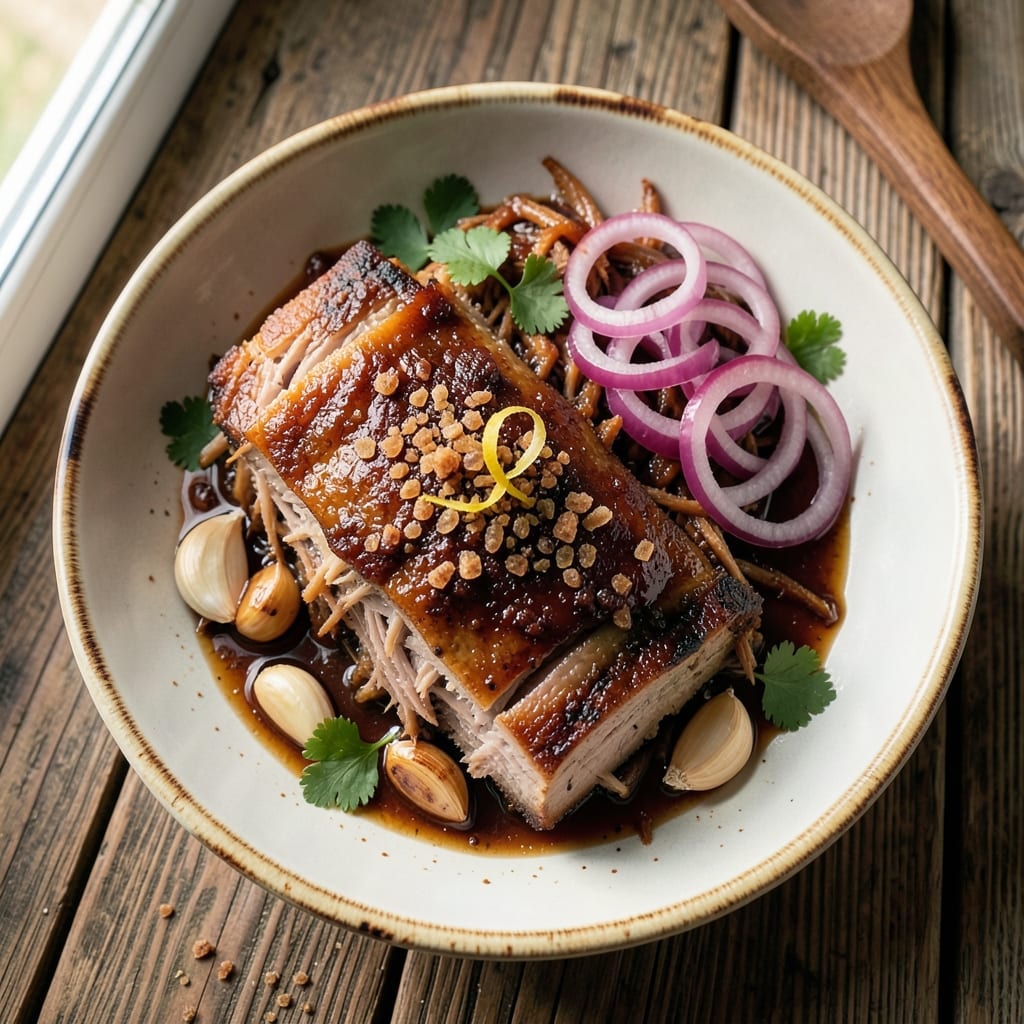
The best pulled pork recipe Reddit has been debating for years delivers fall-off-the-bone tenderness with a perfect smoky-sweet balance. This isn't your average slow-cooker experiment—it's a method refined through countless Reddit threads and backyard smoker tests, where the secret lies in a foolproof 3-2-1 spice rub and precise temperature control. I've spent years perfecting this technique, and it never fails to impress crowds, whether you're feeding a tailgate party or a family reunion.
What sets this recipe apart is the science behind it: a high-heat bark forms on the outside while the meat cooks low and slow to 195–203°F internally, breaking down collagen into gelatin for that signature tenderness. The key steps—trimming the fat cap, applying the rub generously, and monitoring the smoker's temperature—ensure consistent results every time. No guesswork, no tough meat, just melt-in-your-mouth perfection that's become my signature dish.
By the time you're done, you'll have pulled pork so tender it shreds at a touch, with a crusty exterior that's packed with flavor and a sauce that clings to every strand. The beauty of this method is its versatility: serve it on buttery buns with coleslaw, pile it into tacos, or let guests build their own sandwiches. The possibilities are endless, but the foundation—restaurant-quality pulled pork—is always the same.
Whether you're using a smoker, oven, or slow cooker, this recipe adapts to your setup while delivering the same results. The optional BBQ sauce step lets you customize the sweetness level, but the core technique remains the same: patience, precision, and a little Reddit-inspired magic. Let's get started on the dish that'll have everyone asking for seconds.
Ingredients for best pulled pork recipe reddit
Twelve essential ingredients transform raw pork into melt-in-your-mouth perfection—Reddit-approved and foolproof.
| Ingredient | Amount | Notes |
|---|---|---|
| Pork Shoulder (Boston Butt) 🐖 | 8 lb | Bone-in, fat cap trimmed to 1/4-inch |
| Yellow Onion 🧅 | 2 whole | Large, yellow or red |
| Garlic Cloves 🧄 | 10 cloves | Fresh, peeled |
| Brown Sugar 🍚 | ½ cup | Packed, light or dark |
| Smoked Paprika 🌶️ | 2 tbsp | High-quality, not sweet |
| Ground Black Pepper 🌶️ | 1 ½ tbsp | Freshly cracked |
| Kosher Salt 🧂 | 2 tbsp | Diamond Crystal preferred |
| Chili Powder 🌶️ | 1 tbsp | Medium heat |
| Ground Cumin 🌿 | 1 tbsp | Toasted for depth |
| Apple Cider Vinegar 🍎 | ¼ cup | For tangy balance |
| Tomato Paste 🍅 | ¼ cup | No salt added |
| Beef Broth 💧 | 1 cup | Low-sodium preferred |
| Honey 🍯 | ¼ cup | Wildflower preferred |
| BBQ Sauce 🍯 | 1 cup | Optional, for serving |
| Wood Chips 🌳 | 2 cups | Hickory or oak preferred |
The pork shoulder is non-negotiable—look for a well-marbled Boston butt with a thick fat cap at Costco or your local butcher shop. A whole shoulder (8 lbs) ensures maximum yield, and trimming the fat cap to 1/4-inch is critical for that perfect bark. If you can't find one, Trader Joe's often carries pre-trimmed options, though they may be smaller. For the rub, Penzeys or bulk bins at natural markets are your best bet—freshly ground spices make all the difference. The smoked paprika here isn't just for color; it's the backbone of that signature Reddit smoky flavor, so don't skimp on quality.
No smoked paprika? Substitute 1 tbsp regular paprika plus 1 tsp liquid smoke—it won't be identical, but it'll get you close. Running short on time? Pre-mixed BBQ rubs from McCormick or Badia work in a pinch (use 3 tbsp), though homemade always tastes better. The apple cider vinegar adds tang, but if you're out, lemon juice or white vinegar (reduce to 2 tbsp) will do. For the sauce, homemade is ideal, but Sweet Baby Ray's or Stubb's are solid store-bought options. The wood chips? Hickory is classic, but oak or cherry adds subtle sweetness—just soak them in water for 30 minutes before using.
Pork shoulder keeps 3-4 days in the fridge after cooking, but it's even better reheated—freeze portions for up to 3 months. For the rub, store spices in an airtight container away from light for up to 6 months. The cooked pork reheats beautifully in the oven at 300°F for 15 minutes with a splash of broth. Pro tip: Portion into sandwiches immediately after pulling to keep them juicy. Leftovers? Shred and freeze for tacos or nachos later—trust me, they're even better the next day.
Why You'll Love This Recipe
- One-Pan Magic: I swear by this recipe because it’s that simple—just toss the pork shoulder, onions, and garlic on a tray with the spices, then let the smoker (or oven) do the work. No flipping, no fussing, just hands-off perfection.
- Sweet-Smoky Crave: The brown sugar and smoked paprika? That’s the secret sauce—it caramelizes into a sticky, tangy crust while keeping the meat tender inside. Honestly, the first bite makes me close my eyes.
- Party in a Box: Between us, this is my go-to for tailgates, potlucks, or lazy Sundays because it feeds a crowd with minimal effort. Wrap it in buns, toss it in tacos, or just eat it straight—it’s always a win.
- Budget Stretch: A single pork shoulder costs less than takeout for two, and the leftovers? I’m still eating them a week later. The sugar and spices are cheap, too, so you’re basically printing money in flavor.
Step-by-step instructions for perfectly tender pulled pork
This method delivers melt-in-your-mouth tenderness with that signature smoky-sweet flavor Reddit loves.
Prepare the Rub and Season the Pork
In a medium bowl, combine the 0.5 cup brown sugar, 2 tbsp smoked paprika, 1.5 tbsp ground black pepper, 2 tbsp kosher salt, 1 tbsp chili powder, and 1 tbsp ground cumin. Mix until completely uniform—this is your flavor foundation. Pat the 8 lb pork shoulder dry with paper towels (moisture is the enemy of crisp bark), then generously coat all sides with the rub, pressing it into the meat so it sticks.
Here's the thing—don't skimp on the seasoning. Every crevice should be covered. Place the rubbed pork on a wire rack set over a baking sheet (this allows air circulation for even cooking) and refrigerate uncovered for at least 2 hours or up to 12 hours. This resting period lets the rub penetrate deeply and the meat come to room temperature for more even cooking. Pro tip: If you're short on time, just let it sit at room temperature for 1 hour before smoking.
Set Up the Smoker and Cook Low and Slow
Fill your smoker with the 2 cups wood chips (hickory or oak preferred) and preheat to 225°F. You want clean, blue smoke—not thick white smoke—that fills the cooking chamber. Once smoking, place the pork shoulder fat-side up on the smoker grate. The fat will render and baste the meat as it cooks, creating that incredible bark.
Resist the urge to peek or adjust the pork during the first 6-8 hours of cooking. Every time you open the smoker door, you lose heat and moisture. Instead, focus on maintaining that 225°F temperature. After 6 hours, check the internal temperature using a meat thermometer inserted into the thickest part of the meat (not touching bone). You're looking for 165-170°F—this is when you'll hit "the stall," where the temperature plateaus as moisture evaporates. This is completely normal and a sign you're on track for tender perfection.
Wrap and Finish the Cook
When the internal temperature reaches 165-170°F, it's time to wrap the pork in butcher paper (not foil—paper allows the bark to stay crispy while keeping moisture in). This technique, known as the "Texas crutch," helps push the pork through the stall and to final tenderness. Return the wrapped pork to the smoker and continue cooking until the internal temperature reaches 200-205°F, which should take another 4-6 hours.
Here's where patience pays off. The pork will be fork-tender at this stage, with a beautiful mahogany bark on the outside. Remove the pork from the smoker and let it rest in the butcher paper for at least 1 hour (I prefer 2 hours) in a cooler or warm oven set to 170°F. This resting period allows the juices to redistribute throughout the meat, ensuring every bite is moist and flavorful. If you can't wait, at least let it rest for 30 minutes—this makes a noticeable difference in texture.
Shred and Mix with the Sauce
Once rested, unwrap the pork and shred it using two forks, pulling the meat apart against the grain. Discard any large fat chunks or connective tissue. In a large bowl, combine the shredded pork with 0.25 cup apple cider vinegar, 0.25 cup tomato paste, 1 cup beef broth, and 0.25 cup honey. Mix gently but thoroughly to coat the pork evenly with the sauce. The acidity in the vinegar and the sweetness of the honey will brighten the flavors and create that signature tangy-sweet balance.
Taste and adjust the seasoning if needed—you might want to add a pinch more salt or a splash of vinegar to balance the flavors. If you're using the 1 cup BBQ sauce (optional for serving), reserve some for garnish and mix only a small amount into the pork if you prefer a lighter sauce. The pork should be tender enough to pull apart with minimal effort, with no resistance when you press between your fingers. If it's still slightly tough, return it to a warm oven for 10-15 minutes to finish cooking.
Pro Tips For Making Best Pulled Pork Recipe Reddit
- USE A MEAT THERMOMETER: I learned this the hard way—guessing doneness with pulled pork leads to dry, overcooked meat. Aim for 203°F internal temp (yes, it’ll still shred easily). The probe goes in the thickest part, away from fat—no excuses for stabbing it randomly.
- PEEL AND CHAR THE ONIONS: Raw onion bits in your pulled pork? Tastes like a missed opportunity. Peel and halve the onions, then sear them whole in a dry skillet for 8-10 minutes until caramelized. Smash them slightly before adding to the rub—this adds depth without turning your pork into onion soup.
- SKIP THE RUSH TO SHRED: I used to pull pork at 195°F, thinking it’d keep tenderizing. Wrong. Let it rest 10-15 minutes under foil first—this lets the collagen fully break down. Then shred with two forks, not a knife (you’ll turn it into pork confetti).
- SWAP BROWN SUGAR FOR MAPLE: Brown sugar burns easily and can make your rub grainy. Use 2 tbsp pure maple syrup instead—it caramelizes smoother, adds subtle sweetness, and won’t turn your smoker into a fire hazard. (Trust me, I’ve seen it happen.)
Pro cooking tips for this dish
Smoker Temperature
Your smoker's temperature is the single most critical factor for perfect pulled pork. Maintain a steady 225°F throughout the entire cook—fluctuations above 235°F or below 215°F can ruin the texture. I use a Meater thermometer with two probes: one monitoring the smoker air temperature and another tracking the pork's internal temp. Never trust the smoker's built-in gauge—calibrate it annually or use a separate probe. 🌡️
If your smoker struggles to hold temperature, try these fixes: place a water pan inside to stabilize heat, reduce airflow slightly, or add more wood chips gradually. For electric smokers, keep the lid slightly ajar to prevent overheating. Remember, the goal is slow and steady—rushing will leave you with tough, dry pork.
Bark Formation
The crispy, flavorful bark on your pulled pork isn't just for show—it's packed with concentrated spices and Maillard reaction goodness. To maximize bark development, trim the fat cap to ¼-inch thickness and place the pork fat-side up on the smoker grate. The rendered fat bastes the meat while creating that perfect crust. I like to spritz the pork with apple cider vinegar every 2 hours after the initial 4 hours to keep it moist while building bark.
For extra crustiness, try the "peel and repeat" method: after wrapping the pork, remove it from the smoker, peel back the butcher paper, and return it to the smoker uncovered for 30 minutes before rewrapping. This creates a stunning mahogany bark while keeping the interior tender. Just be patient—great bark takes time.
The Texas Crutch
When your pork hits 165-170°F internal temperature, it's time for the game-changing "Texas crutch." Wrap the pork tightly in butcher paper (not foil—it traps too much moisture and steams the meat). This technique pushes the pork through the stall phase where evaporative cooling would otherwise stall progress. I use two layers of butcher paper for extra security, taping the edges with aluminum foil tape to keep it sealed. 💡
Return the wrapped pork to the smoker and cook until it reaches 200-205°F. The butcher paper allows the bark to stay crispy while keeping the meat juicy. Pro tip: If you're short on time, you can skip wrapping and just increase the smoker temperature to 250°F for the final 2 hours, but wrapped pork always tastes better.
Resting Matters
Never skip the resting period—this is where the magic happens. After removing the pork from the smoker, let it rest in the butcher paper for at least 1 hour (I prefer 2 hours) in a cooler or warm oven set to 170°F. This allows the juices to redistribute throughout the meat, preventing them from pooling and making the pork dry. I've seen cooks rush this step and end up with pork that's still juicy in the center but dry at the edges.
For maximum tenderness, I like to place the wrapped pork in a cooler with a towel underneath to absorb any condensation. If you're in a hurry, at least rest it for 30 minutes—you'll notice a significant difference in texture. The pork should be so tender it practically falls apart when you press it between your fingers.
Shredding Technique
Shredding against the grain is non-negotiable for tender pulled pork. The muscle fibers run in one direction, so cutting perpendicular creates shorter strands that are easier to eat. Use two forks to pull the meat apart—this gives you better control than a knife. I like to work in batches: shred half the pork, then set it aside while I finish the rest. This keeps the meat warm and prevents it from drying out.
Discard any large fat chunks or connective tissue—they don't break down during cooking and can make the pork tough. For extra flavor, save some of the pork fat and render it in a pan to make a quick pan sauce. The fat adds richness to the shredded pork, balancing any acidity from the apple cider vinegar in the sauce. 💫
Nutrition facts
Frequently asked questions
Can I make pulled pork without a smoker?
Use an oven set to 275°F with a water pan on the bottom rack. Place the pork on a rack over a baking sheet, cover loosely with foil, and cook for 6-8 hours until it reaches 200-205°F. For extra smokiness, add wood chips to a foil packet with a few holes poked in it, then place it on the oven rack. A slow cooker works too—cook on low for 8-10 hours with the pork submerged in 1 cup apple juice or broth.
Why does my pulled pork turn out dry?
Dry pulled pork usually means one of two things: overcooking or skipping the rest. Always pull the pork when it hits 200-205°F—don't let it go higher. Also, never skip the 1-2 hour rest in the butcher paper. The juices need time to redistribute! If it's already dry, try reheating it with 2 tbsp beef broth in a skillet on low heat for 5-10 minutes.
What's the best way to store leftover pulled pork?
Store cooked pulled pork in an airtight container in the fridge for 3-4 days or freeze for up to 3 months. For best texture, reheat in the oven at 300°F for 15 minutes with a splash of broth. Freeze in portions for easy tacos or sandwiches later. Pro tip: The flavor actually improves after 24 hours—it's perfect for leftovers!
How do I adjust this recipe for a smaller crowd?
For 4-6 servings, use a 4-5 lb pork shoulder and reduce all other ingredients by half. Keep the cooking time the same (6-8 hours), but monitor the internal temp closely. The key is maintaining the same 225°F temperature and wrapping at 165-170°F. Smaller cuts cook faster, so watch for the 200-205°F finish temp.
Can I use pork butt instead of pork shoulder?
Yes! Pork butt (also called Boston butt) is actually the preferred cut for pulled pork—it's more flavorful and has better fat distribution. The recipe works exactly the same, but you might get slightly more yield. Just