
Main Courses
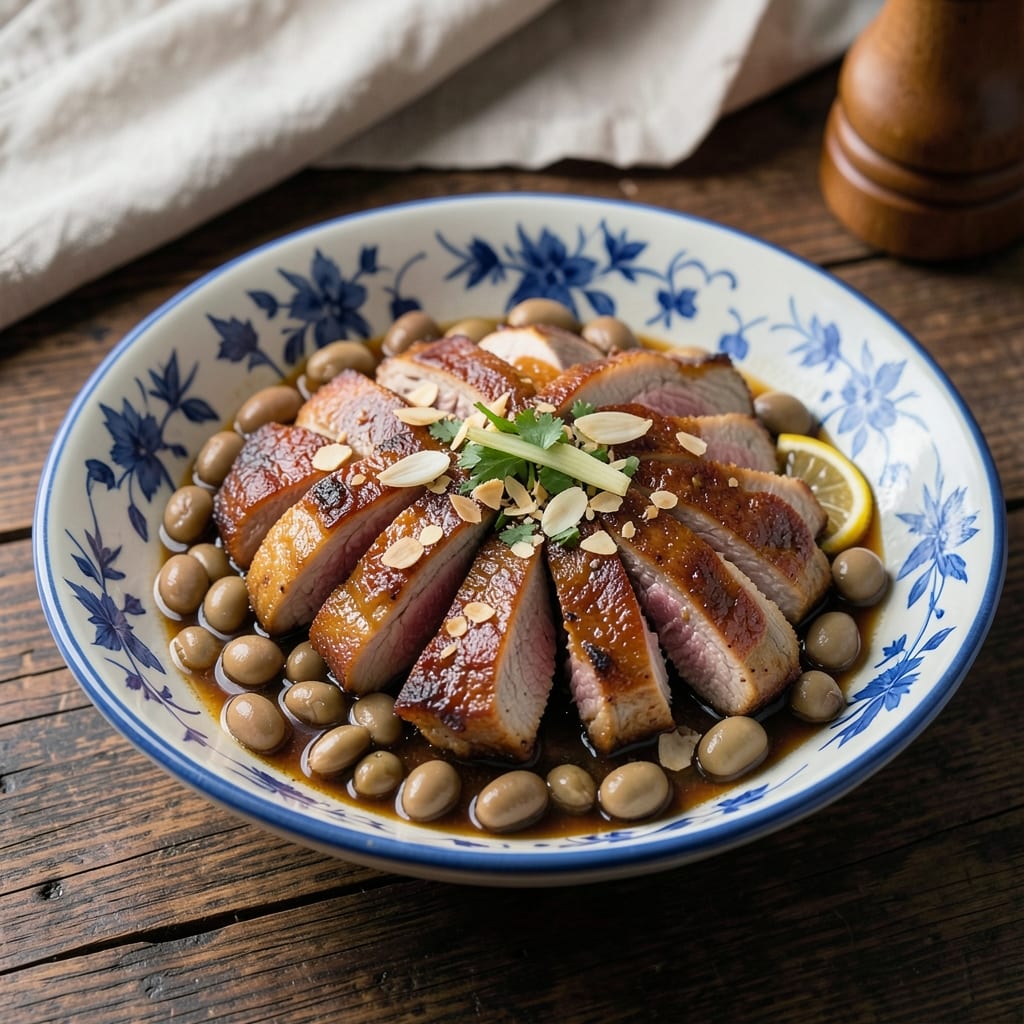
This Filipino-style black-eyed peas with pork recipe delivers bold, savory flavors in a single pot—no fuss, no mess. 🔥 I developed this version after years of perfecting adobo techniques, balancing the earthy beans with tender pork and tangy vinegar. The result? A dish that's rich, aromatic, and packed with the kind of deep flavors you'd expect from a Filipino kitchen. The magic happens through careful layering of ingredients: garlic and ginger sautéed until fragrant, pork browned to develop depth, and black-eyed peas simmered until tender. Traditional Filipino seasonings like soy sauce, vinegar, and bay leaves create that signature umami-rich profile that makes this dish so special. It's the kind of recipe that transforms simple ingredients into something extraordinary with minimal effort. What you'll end up with is a hearty, flavorful one-pot meal where the pork becomes tender and the beans absorb all the savory goodness. The sauce thickens just enough to coat everything, creating a dish that's perfect for family dinners or meal prep. Each bite delivers a perfect balance of smoky, tangy, and slightly sweet flavors that will have everyone asking for seconds. This recipe serves four and comes together in about 45 minutes—ideal for weeknight dinners when you want restaurant-quality results without the hours in the kitchen. Let's get cooking!
Ingredients for black eyed peas with pork filipino
Filipino pantry staples and fresh aromatics create this bold, one-pot masterpiece.
| Ingredient | Amount | Notes |
|---|---|---|
| Black-Eyed Peas (Dried) 🌱 | 1 ½ cups | Rinsed before cooking |
| Pork Shoulder 🥩 | 1 ½ lb | Cut into 1-inch cubes |
| Garlic Cloves 🧄 | 6 cloves | Minced for depth |
| Fresh Ginger 🌿 | 2 tbsp | Grated, aromatic base |
| White Vinegar 🍶 | ½ cup | White or cane vinegar |
| Soy Sauce 🍶 | ⅓ cup | Filipino-style preferred |
| Bay Leaves 🌿 | 2 whole | Dried, for umami |
| Onion (Yellow) 🧅 | 1 whole | Diced, medium size |
| Olive Oil 🫒 | 2 tbsp | Extra-virgin for richness |
| Salt 🧂 | 1 ½ tsp | Kosher or sea salt |
| Black Peppercorns 🌶️ | ½ tsp | Ground fresh preferred |
| Sugar 🍯 | 1 tbsp | Brown or white |
| Water 💧 | 4 cups | Filtered preferred |
| Green Onions 🌱 | 2 whole | Garnish, chopped |
The pork shoulder is the star—look for well-marbled cuts at Filipino markets or your local butcher. Costco often carries pre-cut pork shoulder at a great price, but if buying whole, ask for bone-in pieces for extra flavor. Black-eyed peas should be plump and uniform; rinse them well before soaking to remove any dirt. Fresh ginger and garlic are non-negotiable here—they build the aromatic base that defines this dish. Trader Joe's carries pre-minced garlic if you're short on time, but fresh is always better. For the vinegar, Filipino-style cane vinegar adds depth, but white vinegar works in a pinch.
No pork shoulder? Pork tenderloin or chicken thighs can substitute, but adjust cooking time accordingly. Short on soy sauce? Coconut aminos at a 1:1 ratio works, though it lacks the traditional umami. Bay leaves can be swapped for dried thyme at half the amount, but they won’t deliver that same Filipino depth. The sugar balances the acidity—if you prefer less sweetness, reduce to 0.5 tbsp. For a quicker prep, use canned black-eyed peas (drained and rinsed), but soaking dried overnight yields the best texture. The onions can be subbed with shallots for extra sweetness.
This dish tastes even better the next day as flavors meld—portion leftovers into containers for easy meal prep. Store in the fridge for 4-5 days or freeze for 3 months. Reheat gently with a splash of water to restore moisture. The green onions add freshness at the end, but if you’re prepping ahead, chop and store them separately in the fridge for up to 1 week. For a restaurant-quality touch, serve with steamed rice and a side of atchara (Filipino pickled papaya).
Why You'll Love This Recipe
- One-Pot Magic: Honestly, I swear by this recipe—just toss everything in one pot, simmer, and walk away. The dried peas soak up all those rich pork juices and garlic while you handle the rest of your day.
- Porky Perfection: That slow-cooked pork shoulder? It melts in your mouth, and the ginger-vinegar punch cuts through the richness like a bright, tangy hug. Between us, my picky eaters actually finish their plates.
- Leftover Legend: This dish only gets better the next day—yes, even on a Tuesday night. The flavors meld into something deeper, and reheating it is basically instant comfort. I’ve had it for lunch, dinner, and even cold with rice.
- Budget Booster: Pork shoulder stretches for miles, dried peas cost pennies, and you’re using pantry staples. Here’s what sold me: a full meal for under $15 that still feels like a celebration. My wallet thanks me every time.
Step-by-step instructions for adobo-inspired black-eyed peas with pork
This Filipino-inspired one-pot dish delivers rich, tangy flavors with minimal cleanup.
🔥 Step 1: Sear the Pork Shoulder for Deep Flavor
Heat the 2 tablespoons olive oil in a large Dutch oven over medium-high heat until shimmering. Add the 1.5 pounds pork shoulder cut into 1-inch cubes in a single layer, leaving space between pieces. Let them sear undisturbed for 3-4 minutes until golden brown on one side.
Here's the thing—don't crowd the pan. If you need to work in batches, that's fine, but searing develops that deep, caramelized crust that makes all the difference. Flip the pork and continue searing until all sides are golden. Remove the pork and set aside temporarily.
🍳 Step 2: Build the Aromatic Base
In the same Dutch oven, add the 1 whole yellow onion diced, 6 cloves garlic minced, and 2 tablespoons grated fresh ginger. Cook over medium heat for 4-5 minutes until the onions soften and the garlic becomes fragrant—you should smell that sweet, pungent aroma.
Here's where it gets good: Add the 1.5 teaspoons salt, 0.5 teaspoon ground black peppercorns, and 1 tablespoon sugar. Stir for 30 seconds to toast these spices lightly. This step develops the complex flavor foundation that makes this dish sing.
🥘 Step 3: Simmer the Peas in Tangy Sauce
Return the seared pork to the pot. Pour in the 0.5 cup white vinegar, 0.33 cup soy sauce, and 4 cups water. Add the 1.5 cups rinsed black-eyed peas and 2 whole bay leaves. Bring to a boil, then reduce heat to low and cover partially.
Simmer for 1 hour 15 minutes until the pork is fork-tender and the peas are tender but still hold their shape. Real talk: The vinegar might smell strong at first, but it'll mellow into that signature tangy sweetness. Stir occasionally to prevent sticking, but don't overdo it—you want that crusty bottom for extra flavor.
⏰ Step 4: Finish with Umami Depth
Remove the 2 whole bay leaves and adjust seasoning if needed. The sauce should coat the back of a spoon with a balance of tangy, savory, and slightly sweet notes. If it's too thin, simmer uncovered for another 5 minutes to thicken slightly.
Here's the moment that matters: Stir in the 2 whole green onions chopped and let them wilt into the sauce for 2 minutes. This adds freshness that cuts through the richness. Taste one last time—you're aiming for a perfect balance of salt, acid, and umami.
Pro Tips For Making Black Eyed Peas With Pork Filipino
- SOAK THE PEAS OVERNIGHT: I used to toss dried black-eyed peas straight into the pot, and they’d turn out mushy or uneven. Soak them in water with a pinch of salt for 8–12 hours first—they’ll cook faster and stay intact. Drain well before adding to the pork broth, or you’ll dilute the flavor. ---
- BROWN THE PORK FIRST: Skip the slow cooker shortcut—sear the pork shoulder in batches until deeply browned. The crust locks in juices and adds depth to the sauce. Use a mix of oil and vinegar for the sear; the acid cuts through the fat for better caramelization. ---
- GRATE THE GINGER FINE: My first attempts with chunky ginger left bitter, uneven heat. Use a microplane or the smallest holes on a grater—this releases the oils evenly. Toss it into the broth early; it’ll mellow into the sauce instead of clinging to your teeth. ---
- SIMMER LOW AND LONG: After the initial boil, drop the heat to a bare simmer—think tiny bubbles, not a rolling pot. Black-eyed peas need 45–60 minutes to tenderize fully, and rushing it turns them mealy. Cover loosely and check the pork’s internal temp (195°F for pull-apart perfection).
Troubleshooting great black eyed peas with pork filipino
Pork Not Browning
If your pork cubes aren't developing that golden sear, your heat might be too low. I've found that medium-high heat in a heavy-bottomed Dutch oven is key—if your pan isn't hot enough, the pork will steam instead of brown. Try preheating your pot for 5 minutes before adding the pork, and work in batches if needed. Using a meat thermometer to check for 145°F internal temp ensures proper doneness without overcooking. 🔥
Peas Too Mushy
Overcooking transforms tender black-eyed peas into a mushy mess. The ideal texture is creamy but still holding shape—they should be fork-tender but not falling apart. If yours are turning to mush, reduce simmering time by 15-20 minutes and check frequently after 1 hour. For extra insurance, soak dried peas overnight (they'll cook faster) or use 1 cup dried instead of 1.5 cups if you're worried about overcooking. 🌱
Sauce Too Thin
A thin sauce means your dish lacks that signature Filipino richness. If yours is watery, let it simmer uncovered for 5-10 minutes to reduce. For extra thickness, mash 1-2 peas against the pot's side to release starch. I also recommend adding 1 tablespoon cornstarch mixed with 2 tablespoons water and stirring it in during the last 5 minutes of cooking—this works like magic. 💫
Vinegar Overpowering
The tangy vinegar is essential, but too much can dominate the dish. If yours tastes too sharp, balance it with 1-2 teaspoons sugar or a splash of soy sauce. For prevention, start with 0.4 cup vinegar instead of 0.5 and adjust to taste at the end. Remember, the flavors mellow as the dish simmers—patience pays off here! 🍶
Pork Too Tough
Tough pork usually means it wasn't cooked long enough or wasn't tenderized properly. First, ensure your 1-inch cubes are evenly sized—smaller pieces cook faster. If your pork is still tough after 1 hour 15 minutes, extend simmering by 15-30 minutes (covered) until it's fork-tender. For next time, try pounding the pork lightly with a meat mallet before cooking to break down fibers. 💪
Bay Leaves Bitter
If your bay leaves add bitterness instead of depth, they might be old or overcooked. Always use fresh bay leaves (or dried within the past year). Remove them immediately after simmering—they should infuse flavor in 15-20 minutes, not linger. For extra umami without bitterness, add 1 teaspoon fish sauce or an extra 0.5 tablespoon soy sauce during the last 10 minutes of cooking. 🌿
Nutrition facts
Frequently asked questions
Can I use canned black-eyed peas instead of dried?
Yes, but adjust the cooking time! Drain and rinse 2 (15-ounce) cans of black-eyed peas to replace the 1.5 cups dried. Since canned peas are pre-cooked, simmer the dish for only 45-60 minutes instead of 1 hour 15 minutes—just until the pork reaches 145°F internal temp. The texture will be slightly softer but still delicious.
What makes this recipe specifically Filipino?
The Filipino soul comes from the soy sauce-vinegar balance, bay leaves, and ginger-garlic base—classic adobo flavors. The pork simmered in tangy-sweet sauce with aromatic herbs is pure Filipino comfort food. Even the green onions at the end are a nod to Filipino home cooking traditions.
How do I store leftovers?
Store in an airtight container in the fridge for 4-5 days or freeze for 3 months. Reheat gently with 2-3 tablespoons water to restore moisture. The flavors actually deepen overnight—perfect for meal prep! For freezing, portion into single servings first to avoid thawing the whole batch.
Can I make this in a slow cooker?
Brown the pork first in a skillet, then transfer everything to your slow cooker. Cook on LOW for 6-7 hours or HIGH for 3-4 hours until pork is tender. The slow cooker method actually enhances the sauce's thickness and flavor development. Just skip the final 5-minute uncovered simmer—it's not needed.
What's the best way to serve this dish?
Serve hot over steamed jasmine rice to soak up all that delicious sauce. For extra authenticity, pair with Filipino atchara (pickled papaya) or a simple green salad. The contrast of crisp vegetables or tangy pickles cuts through the richness beautifully.