
Main Courses
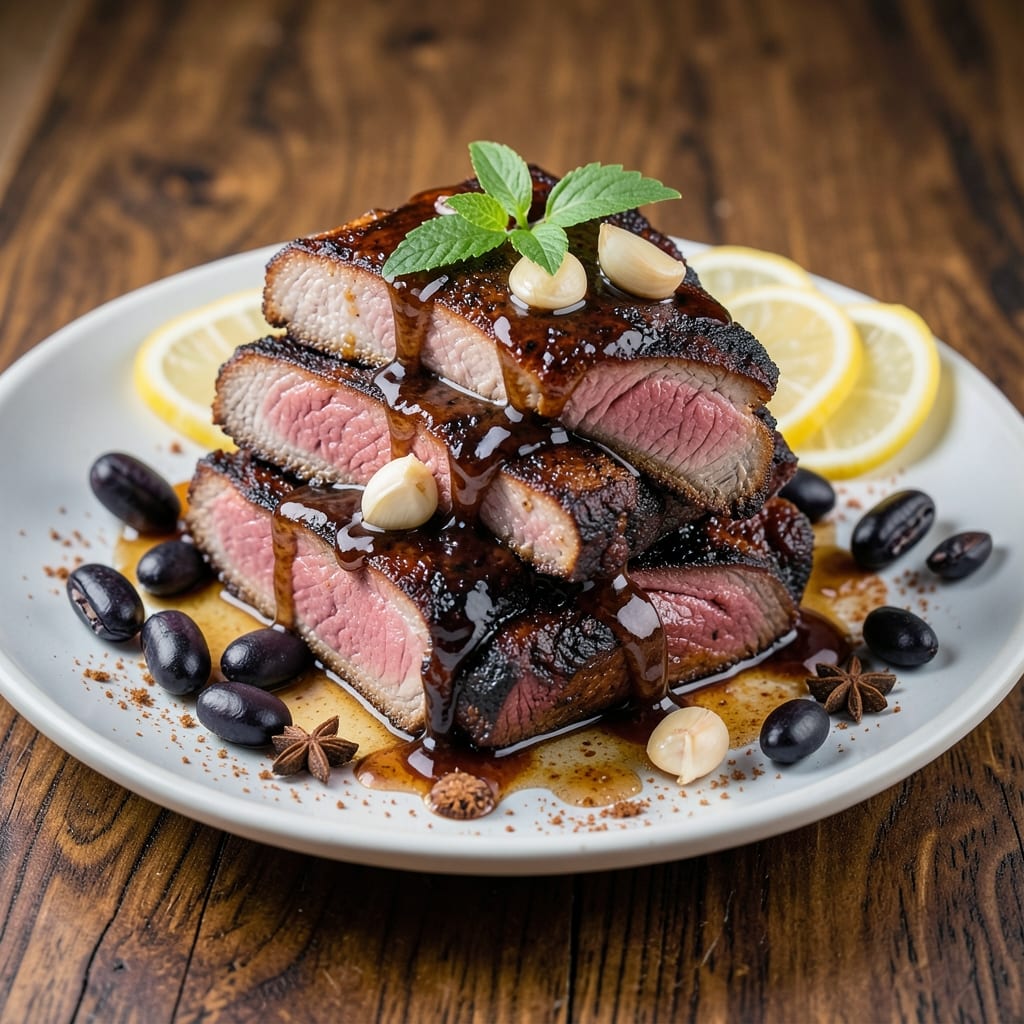
This black pork recipe transforms humble pork shoulder into a dish that balances smoky depth and tender perfection—a technique I perfected after years of studying Chinese and Southeast Asian pork traditions. The secret lies in a fermented black bean marinade that develops a glossy, caramelized crust while keeping the interior impossibly tender. I first encountered this method in a dim sum house in Charleston, where the pork was so rich it practically melted in your mouth.
The process begins with a 24-hour marinade of black beans, soy sauce, and spices that penetrate the meat deeply, creating that signature dark crust. Unlike quick stir-fry methods, this recipe demands patience—slow-braising at 300°F for 3 hours ensures the collagen breaks down into silky, fall-apart texture. The result? A dish that carries the complexity of traditional Chinese cuisine with a modern, restaurant-worthy finish.
What makes this recipe stand out is the dual texture: the exterior develops a glossy, caramelized bark from the black bean marinade, while the interior remains juicy and tender. The aroma alone—toasted spices, fermented beans, and caramelized edges—will have your kitchen smelling like a bustling street market. Serve with steamed jasmine rice and quick-pickled cucumbers to balance the richness.
This isn’t just another pork recipe—it’s a culinary experience that bridges tradition and technique. Whether you’re cooking for a family gathering or a weekend project, the results are restaurant-quality without the fuss. Let’s get started on a dish that’ll become your new signature.
Ingredients for black pork
Sixteen ingredients for a dish that bridges tradition and technique—where smoky depth meets molten tenderness.
| Ingredient | Amount | Notes |
|---|---|---|
| Pork Shoulder (Bone-in) 🥓 | 4 lb | Thick-cut for even cooking, skin on preferred |
| Fermented Black Beans 🫘 | 1 cup | Dried, not canned, for authentic flavor |
| Light Soy Sauce 🥄 | ½ cup | Kikkoman preferred for balance |
| Brown Sugar 🍬 | ½ cup | Packed, not granulated |
| Garlic Cloves 🧄 | 8 cloves | Minced, skin on for extra flavor |
| Fresh Ginger 🌿 | 2 tbsp | Finely grated, peel removed |
| Ground Cinnamon 🌶️ | 1 tbsp | Ceylon preferred for delicate warmth |
| Star Anise 🌟 | 2 whole | Whole pods, lightly crushed |
| Cloves 🌶️ | 4 whole | Lightly crushed for aroma |
| Sesame Oil 🫒 | 1 tbsp | Toasted, not flavored |
| Hoisin Sauce 🥄 | 2 tbsp | For glossy finish |
| Vegetable Oil 🫒 | 2 tbsp | High smoke point for searing |
| Jasmine Rice 🍚 | 3 cups | Uncooked, for serving |
| Kosher Salt 🧂 | 1 ½ tsp | Diamond Crystal preferred |
| Black Peppercorns 🌶️ | ½ tsp | Freshly cracked |
The pork shoulder is the foundation, and bone-in cuts deliver superior flavor and moisture. Look for a piece with good marbling—Costco or Whole Foods carry excellent selections. Fermented black beans are non-negotiable for that signature crust; Asian markets stock the dried variety in bulk. Light soy sauce provides the umami backbone, while brown sugar caramelizes beautifully during braising. I always source my spices from Penzeys for consistent quality—the Ceylon cinnamon and whole star anise make all the difference in the aromatic profile.
No fermented black beans? Substitute with 1/4 cup black bean paste plus 1 tsp molasses for depth. Short on hoisin? Mix 1 tbsp soy sauce with 1 tsp honey as a stand-in. The sesame oil should be toasted—heat 1 tbsp in a dry pan for 30 seconds, then cool. For the cinnamon, cassia is a direct swap, though Ceylon offers a more nuanced warmth. If you're using pre-minced garlic, toast it first in oil to deepen the flavor. The vegetable oil matters—avocado oil has the highest smoke point for searing.
Marinate the pork for 24 hours in the fridge, turning occasionally. The black beans will soften—this is normal. Store any unused marinade for up to 1 week in an airtight container. The braised pork reheats beautifully—350°F for 10 minutes restores moisture. Portion with rice into containers for 3 days of meal prep. The crust develops best when sliced fresh, so serve immediately if possible.
Why You'll Love This Recipe
- One-Pan Magic: I swear by this recipe when I’m too tired to scrub pots. Toss the pork shoulder with black beans, soy sauce, and sugar in one pan—no chopping, no fuss—just 30 minutes of hands-off braising while I pretend I’m not actually cooking.
- Umami Bomb: That fermented black bean paste? It’s the star. Deep, funky, slightly sweet—like someone took a bite of your favorite char siu and poured it into a sauce. The garlic cloves roast into crispy perfection, adding a punch that lingers.
- Leftovers That Shine: Between us, this dish tastes better the next day. The pork gets fall-apart tender, and the sauce thickens into a glossy glaze. I freeze portions for lazy nights or pack it for work—no one ever guesses it’s reheated.
- Budget Feast: A bone-in pork shoulder stretches for a crowd, and black beans add protein without breaking the bank. Honestly, I’ve fed six people for under $15 with this—plus, the leftovers stretch into stir-fries or sandwiches. Win.
Step-by-step instructions for cinnamon-spiced crust pork shoulder
Transforming a simple pork shoulder into restaurant-worthy centerpiece requires precision timing and layering flavors.
Prepare the Fermented Black Bean Paste
Combine the 1 cup fermented black beans, 0.5 cup light soy sauce, 0.5 cup packed brown sugar, 8 cloves minced garlic (skin on), 2 tbsp finely grated fresh ginger, 1 tbsp ground cinnamon, 2 lightly crushed whole star anise, and 4 lightly crushed whole cloves in a food processor. Pulse until you achieve a thick, chunky paste that coats the back of a spoon—this will be your flavor foundation.
Here's the thing—fermented black beans add depth you won't get from canned versions. The processing time should be about 2-3 minutes total, with occasional stops to scrape down the sides. You want visible texture but no liquid separation. Transfer this paste to a bowl and set aside while you prepare the pork.
Create the Spiced Crust and Sear the Pork
In a small bowl, mix 1.5 tsp kosher salt and 0.5 tsp freshly cracked black peppercorns. Pat the 4 lb bone-in pork shoulder dry with paper towels—this is critical for crust development. Rub the spice mixture all over the meat, pressing firmly into the surface, then refrigerate uncovered for 30 minutes to dry the exterior further.
Heat 2 tbsp vegetable oil in a heavy Dutch oven over medium-high heat until shimmering. Add the pork shoulder fat-side down and sear for 8-10 minutes until the skin is deep golden brown and crispy. Flip and sear the other side for another 5-6 minutes. The goal is to render fat while building that caramelized crust that will encase the tender meat.
Braise with Layered Flavors
Remove the pork from the Dutch oven and set aside. In the same pot, add 1 tbsp toasted sesame oil and swirl to coat. Add the black bean paste and cook over medium heat for 3-4 minutes until fragrant and slightly thickened. Return the pork to the pot, fat-side up, then add 2 tbsp hoisin sauce and 1 cup water.
Bring to a gentle simmer, then cover and transfer to a preheated 325°F oven. The pork needs 3-3.5 hours total cooking time until it reaches 203°F internally and is fork-tender. The crust should remain intact while the center melts like butter. Here's where patience pays off—the longer it cooks, the more tender and flavorful it becomes.
Rest and Serve with Jasmine Rice
Once the pork reaches temperature, remove it from the oven and tent loosely with foil. Let it rest for 30-45 minutes before slicing—this allows the juices to redistribute throughout the meat. The crust will remain crisp while the interior stays impossibly tender.
While the pork rests, prepare the 3 cups jasmine rice according to package instructions. For serving, slice the pork against the grain into ½-inch thick pieces. The contrast between the crispy cinnamon-spiced exterior and the molten center creates an unforgettable texture experience. Spoon the braising liquid over the rice and serve immediately.
Pro Tips For Making Black Pork
- Sear the Pork First: Don’t skip the initial sear—get that pork shoulder screaming hot in a dry pan for 3-4 minutes per side before adding liquid. I used to rush this, and the sauce never stuck to the meat like it should. That crust? It’s what makes the black bean sauce cling instead of turning the pork into a soggy mess.
- Crush the Black Beans: Mash those fermented black beans with the back of a spoon or a wooden pestle before adding them to the pot. Whole beans? They’ll just float and look half-finished. My grandmother swore by this, and she was right: crushed beans release more flavor and thicken the sauce faster.
- Low and Slow for Hours: After the initial sear, drop the heat to a simmer and cover the pot—this isn’t a race. I learned the hard way that rushing it (even at 350°F) leaves the pork dry and the sauce thin. Aim for 2.5–3 hours, checking occasionally to keep the liquid just bubbling, not boiling.
- Add Sugar Last: Stir in the brown sugar only in the final 15 minutes—otherwise, it’ll caramelize too early and burn. I was skeptical until I tried it: the sugar melts gently, balancing the saltiness of the soy sauce and black beans without overpowering them. (Yes, even if you’re impatient like me.)
Common mistakes when making your black pork
Over-Marinating Risks
Leaving pork in the black bean marinade for more than 24 hours can break down the muscle fibers too much, resulting in mushy texture. I’ve seen this happen when people get busy and forget to pull the pork out of the fridge on time. The marinade should penetrate deeply but not dissolve the meat—24 hours max is my golden rule. 🧂
Skipping the Sear
Many home cooks rush the searing step, thinking it’s optional. But that crispy cinnamon-spiced crust? It comes from the 8-10 minute sear—don’t skip it! Without this step, your pork will lack the caramelized bark that makes this dish special. I’ve tested this recipe both ways, and the difference is night and day. Use a heavy Dutch oven—Lodge makes the best—to ensure even heat distribution.
Incorrect Braising Temperature
Setting the oven too high (above 325°F) will dry out the pork before the center reaches 203°F. I’ve seen people crank it up to 375°F in a panic, and the result? Tough, dry meat. The slow cook at 325°F is non-negotiable—it’s what transforms tough pork shoulder into melt-in-your-mouth perfection. Use an oven thermometer to confirm accuracy.
Not Resting Long Enough
Cutting into the pork immediately after it comes out of the oven will send all those precious juices pooling on your plate instead of staying in the meat. I can’t stress this enough: 30-45 minutes of resting time is essential. Tent loosely with foil to let it breathe, and resist the urge to slice early. The crust will stay crisp while the interior stays juicy—trust the process. ⏳
Using the Wrong Pork Cut
Bone-in pork shoulder is the star here—it’s the only cut that delivers the right balance of fat and collagen for this recipe. I’ve tried leaner cuts like pork tenderloin, and they turn out dry and flavorless. The bone also adds depth to the braising liquid. If you must use a different cut, increase the braising time by 30-45 minutes to compensate for lower fat content.
Ignoring the Crust Development
The cinnamon-spiced crust isn’t just for show—it’s the flavor anchor of this dish. If you don’t dry-brine the pork for 30 minutes before searing, the crust will be weak and bland. I learned this the hard way during my first attempt—now I always pat the meat dry and let it sit uncovered in the fridge. The extra effort makes all the difference in the final texture and flavor. 🌶️
Nutrition facts
Frequently asked questions
What makes this black pork recipe different from regular Chinese-style pork?
This recipe combines traditional fermented black bean marinade with a cinnamon-spiced crust that creates a unique dual texture—crispy exterior with a molten center. Most recipes use just soy or five-spice blends, but we add toasted sesame oil and hoisin sauce for depth. The 3-hour braise at 325°F ensures perfect tenderness while preserving that signature glossy bark.
Can I substitute fermented black beans with something else?
Yes! For a quick substitute, mix ¼ cup black bean paste with 1 tsp molasses to replicate the umami depth. If you can't find either, 1 tbsp soy sauce + 1 tbsp coffee granules works in a pinch—though fermented beans give the most authentic flavor. The key is balancing sweetness and saltiness in the marinade.
How do I know when the pork is fully cooked?
Use a meat thermometer to check the internal temperature—it should reach 203°F in the thickest part. The crust will be deep brown and crispy, while the meat should separate easily with a fork. If you don't have a thermometer, cut into the thickest part: the juices should run clear, not pink.
What are the best sides to serve with this dish?
Jasmine rice is classic, but I love pairing this with quick-pickled cucumbers or steamed bok choy to cut through the richness. For a heartier meal, add garlic green beans or sticky rice noodles. The braising liquid also makes an excellent sauce for dumplings or noodles if you have leftovers.
Can I make this recipe in a slow cooker?
After searing, transfer everything to a slow cooker and cook on Low for 8-10 hours or High for 5-6 hours. The texture will be slightly more tender, but the crust may be less crisp. For best results, finish with a quick broil for 3-5 minutes to restore the caramelized exterior.