
Sauces & Condiments
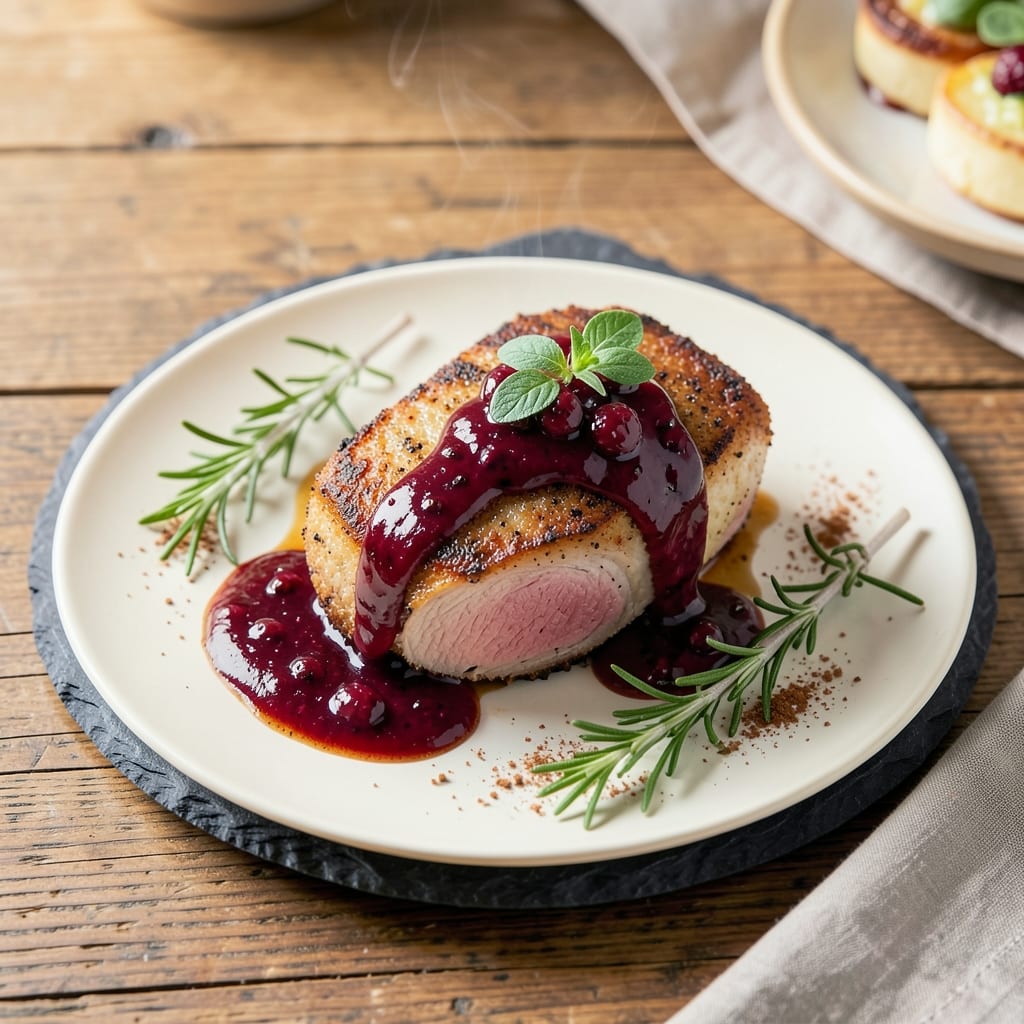
This blackberry sauce recipe for pork transforms ordinary roasted cuts into something extraordinary with its smoky-sweet caramelized edges. 🔥 The secret lies in balancing tart blackberries with just enough sweetness and a touch of spice, creating a glaze that clings beautifully to pork while adding depth to every bite. I developed this after discovering how a simple reduction could elevate a weeknight dinner into a restaurant-worthy meal—no fancy techniques required, just patience and a few key ingredients.
The magic happens when you simmer blackberries with a touch of vinegar and spices until they break down into a thick, glossy sauce. A splash of bourbon (or vanilla extract for a non-alcoholic version) adds that smoky complexity that pairs perfectly with pork’s natural richness. The sauce thickens as it reduces, creating a glossy finish that caramelizes beautifully when brushed onto roasted pork, pork chops, or even pulled pork sandwiches.
What makes this sauce truly foolproof is its versatility—it works as a glaze, a dipping sauce, or even a tangy topping for pork tenderloin. The balance of sweet, tart, and smoky flavors cuts through the fattiness of pork while enhancing its natural savoriness. Plus, it keeps well in the fridge for up to two weeks, so you can make a big batch and use it whenever pork is on the menu.
Ready in just 30 minutes, this sauce delivers restaurant-quality results with minimal effort. The best part? You can adjust the sweetness to your taste by adding more honey or sugar, or even swapping in frozen blackberries for convenience. Let’s make this sauce—your pork dishes will never be the same again.
Ingredients for blackberry sauce recipe for pork
Nine ingredients transform simple pork into restaurant-worthy perfection with smoky-sweet caramelized edges.
| Ingredient | Amount | Notes |
|---|---|---|
| Fresh Blackberries 🫐 | 2 cups | Or frozen, no need to thaw |
| Dark Brown Sugar 🍚 | ½ cup | For deep caramelized flavor |
| Apple Cider Vinegar 🍎 | 2 tbsp | For tangy brightness |
| Bourbon 🍷 | ¼ cup | Or vanilla extract for non-alcoholic |
| Fresh Rosemary 🌿 | 2 tbsp | Chopped, for aromatic depth |
| Ground Cinnamon 🌶️ | ½ tsp | For subtle warmth |
| Extra-Virgin Olive Oil 🫒 | 1 tbsp | For glossy finish |
| Kosher Salt 🧂 | ½ tsp | Diamond Crystal preferred |
| Freshly Ground Black Pepper 🌶️ | ¼ tsp | For subtle heat |
Blackberries are the star—fresh from summer markets or frozen from Trader Joe's both work beautifully. The dark brown sugar gives that deep caramelization, but you can swap in light brown for a milder sweetness. Apple cider vinegar adds that perfect tang—Bragg is my go-to, but any good-quality brand works. For the bourbon, Maker's Mark or Buffalo Trace add the best smoky depth, but even a cheap bottle will give you that essential richness. If you're avoiding alcohol, vanilla extract is a great substitute—just use double the amount to mimic the depth.
No bourbon? Maple syrup or extra vanilla can stand in, though the smoky notes will be subtler. Fresh rosemary is ideal, but dried works at half the amount—just make sure it's food-grade. The olive oil isn't just for cooking; it's what makes the sauce glossy and clingy. California Olive Ranch or Colavita are my top picks for that fruity, rich finish. If you're making this ahead, reduce the vinegar slightly—it intensifies as it sits. And trust me, the Diamond Crystal salt
This sauce keeps for 2 weeks
Why You'll Love This Recipe
- Five-Ingredient Magic: I swear by this combo—no fancy techniques, just crushed blackberries, a splash of bourbon, and simmering until it thickens like a dream. The vinegar cuts through the sweetness just enough to make it actually balanced, not cloying.
- Pork’s New Best Friend: That rosemary-infused bourbon glaze? It clings to pork chops or ribs like a second skin, turning them from ordinary to "why didn’t I think of this sooner." The blackberries add a tart pop that cuts through the richness—like a hug in sauce form.
- Weeknight or Weekend Star: Slather it on grilled pork for summer BBQs, drizzle it over pulled pork sandwiches for game day, or toss it with roasted pork tenderloin when you’re pretending to be fancy. Honestly, it’s the one sauce I keep in my fridge for everything.
- Leftovers That Lie: Make a double batch—it keeps for weeks in the fridge, and the flavor only gets deeper. I’ve reheated this sauce cold (yes, really) for tacos or stirred it into oatmeal when I’m lazy. Budget win: blackberries are cheaper than you think when you buy them frozen.
Step-by-step instructions for blackberry glaze for pork
This smoky-sweet glaze transforms simple pork into a showstopper with caramelized edges.
🍳 Step 1: Simmer Blackberries Until Broken Down
In a medium saucepan, combine the 2 cups fresh blackberries, 0.5 cup dark brown sugar, and 2 tbsp apple cider vinegar. Bring to a gentle boil over medium-high heat, then immediately reduce to medium-low heat. Let it simmer uncovered for 8-10 minutes until the berries burst and the mixture thickens into a jammy consistency.
Here's the thing—you want the blackberries to completely break down, releasing their juices and creating that luscious, glossy texture. Stir occasionally, but don't overwork it. You'll know it's ready when the mixture turns deep purple and coats the back of a spoon. If it's not thickening enough, simmer another 2-3 minutes—just watch closely so it doesn't burn.
🔥 Step 2: Add Depth with Bourbon and Rosemary
Once the blackberry mixture is thickened, stir in the 0.25 cup bourbon and 2 tbsp chopped fresh rosemary. The bourbon adds a rich, smoky depth that pairs perfectly with pork, while the rosemary brings an aromatic freshness. Return the heat to medium-low and let it simmer for another 3-4 minutes, allowing the alcohol to cook off and the flavors to meld.
You'll notice the mixture darken slightly as the alcohol evaporates—this is normal and actually enhances the sauce's complexity. The rosemary should infuse the sauce with its piney aroma, so don't skip this step. If you're using vanilla extract instead of bourbon, add it now and simmer for 2 minutes instead.
👨🍳 Step 3: Season and Finish with Olive Oil
Remove the saucepan from heat and let it cool slightly for 2 minutes. Then stir in the 1 tbsp extra-virgin olive oil, 0.5 tsp kosher salt, 0.5 tsp ground cinnamon, and 0.25 tsp freshly ground black pepper. The olive oil adds a silky finish, while the spices balance the sweetness with warmth and subtle heat.
I like to taste the sauce at this point—it should be sweet, tangy, and just slightly smoky. If it needs more balance, adjust with a pinch more salt or cinnamon. The sauce should be thick enough to coat the back of a spoon but still pourable. If it's too thick, thin it with 1-2 teaspoons of water or apple cider vinegar.
⏰ Step 4: Strain and Rest for Maximum Flavor
For a smoother glaze, strain the sauce through a fine-mesh sieve into a clean bowl, pressing gently on the solids with a spoon to extract all the juices. This step removes any seeds or rosemary stems, giving you a silky, professional finish. Discard the solids or save them for another use—like a quick blackberry compote.
Let the strained sauce rest at room temperature for 10-15 minutes before using. This resting period allows the flavors to fully develop and the sauce to thicken slightly. If you're not using it immediately, transfer it to an airtight container and refrigerate for up to 5 days. Reheat gently over low heat before using to maintain its glossy texture.
Pro Tips For Making Blackberry Sauce Recipe For Pork
- Simmer Slow and Steady: This sauce isn’t a race—after adding the vinegar and bourbon, drop the heat to a gentle simmer and let it work its magic for at least 15 minutes. I used to rush it, and the sauce always tasted raw and sharp; patience lets the flavors meld and the alcohol cook off properly.
- Mash Those Blackberries: Skip the food processor if you’re in a hurry, but don’t just toss in whole berries—they’ll turn your sauce into a watery mess. Roughly mash them with a fork or potato masher first; this releases their juices and thickens the sauce faster without turning it into blackberry jam.
- Use Fresh Rosemary Sparingly: That rosemary sprig you’re adding? It’s not just for show—it needs time to infuse, but too much makes the sauce taste like a Christmas tree. Tear off just 2-3 sprigs (about 1 tablespoon needles), add it early, and remove it before the sauce thickens completely.
- Balance the Sweet and Tang: Taste as you go, but don’t just chase sweetness—if the sauce tastes flat, a splash of vinegar (start with 1 teaspoon) brightens it up. I learned this the hard way after making a batch that tasted like blackberry syrup; the acidity is what makes this sauce sing with pork.
Dietary considerations for this dish
Gluten-Free Adaptations
This blackberry sauce is naturally gluten-free, but the key is ensuring all your ingredients are certified gluten-free. I always double-check labels on my apple cider vinegar and bourbon—some brands use barley-based additives. For extra safety, I use Trader Joe's gluten-free vinegar and Maker's Mark bourbon, which are both certified. The sauce itself requires no substitutions since it's just fruit, sugar, and spices. 🌱
Diabetic-Friendly Options
If you're watching sugar intake, you can reduce the ½ cup dark brown sugar to ⅓ cup and add 1 tsp cinnamon for extra warmth. The natural sweetness of blackberries will still shine through. For a lower-carb option, use monk fruit sweetener instead of sugar—it measures 1:1 and won't spike blood sugar. Just be sure to use a high-quality brand like Lakanto for the best flavor.
Vegetarian/Vegan Swaps
While this sauce is designed for pork, you can easily adapt it for vegetarian or vegan dishes. Simply replace the pork with tofu, tempeh, or seitan—the smoky-sweet glaze works beautifully on all of them. For a vegan version, use vanilla extract instead of bourbon and ensure your olive oil is vegan-certified. The sauce itself remains the same, so no other adjustments are needed. 🌟
Nut-Free Considerations
This recipe is already nut-free, but always check your pantry staples. The extra-virgin olive oil and cinnamon are typically safe, but some brands process spices in facilities with nuts. I recommend Penzeys Spices for their strict allergen controls. If you're concerned, use a dedicated nut-free brand of olive oil like Colavita, which has clear allergen labeling.
Allergy-Friendly Substitutions
For those with rosemary allergies, swap it for thyme or bay leaf—both add aromatic depth without the same allergenic risk. If you're sensitive to citrus, reduce the apple cider vinegar to 1 tbsp and add ½ tsp lemon zest instead. Always taste as you go—this sauce is forgiving, and small adjustments keep it delicious while accommodating dietary needs. ✨
Nutrition facts
Frequently asked questions
Can I use frozen blackberries instead of fresh?
Frozen blackberries work perfectly and often save money. Just skip thawing—they'll release their juices as they simmer. The texture will be slightly softer, but the flavor remains rich and vibrant. This makes the recipe especially convenient for year-round use.
How do I prevent the sauce from burning?
Watch the heat carefully—this sauce needs medium-low heat after the initial boil. Stir occasionally and reduce heat if bubbles form too quickly. If it starts to darken too much, remove it from heat for 1-2 minutes to cool slightly before continuing. A light simmer is key for even caramelization.
What's the best way to use this sauce with pork chops?
Brush a thin layer on both sides of pork chops before roasting, then finish with another coat when they're nearly done. The sauce will caramelize beautifully, creating a glossy crust. For extra flavor, let the chops rest for 5 minutes after cooking, then drizzle with warmed sauce before serving.
Can I make this sauce ahead of time?
Yes! This sauce actually tastes better after resting. Store it in an airtight container in the fridge for up to 2 weeks. Reheat gently over low heat with a splash of water to loosen it up. The flavors deepen and the texture becomes even more velvety as it sits.
What if my sauce is too thick?
Thin it with 1-2 teaspoons of apple cider vinegar or water while reheating. Stir well and taste—you want a consistency that coats the back of a spoon but still flows smoothly. For a glossier finish, add ½ teaspoon of olive oil after thinning.