
Main Courses
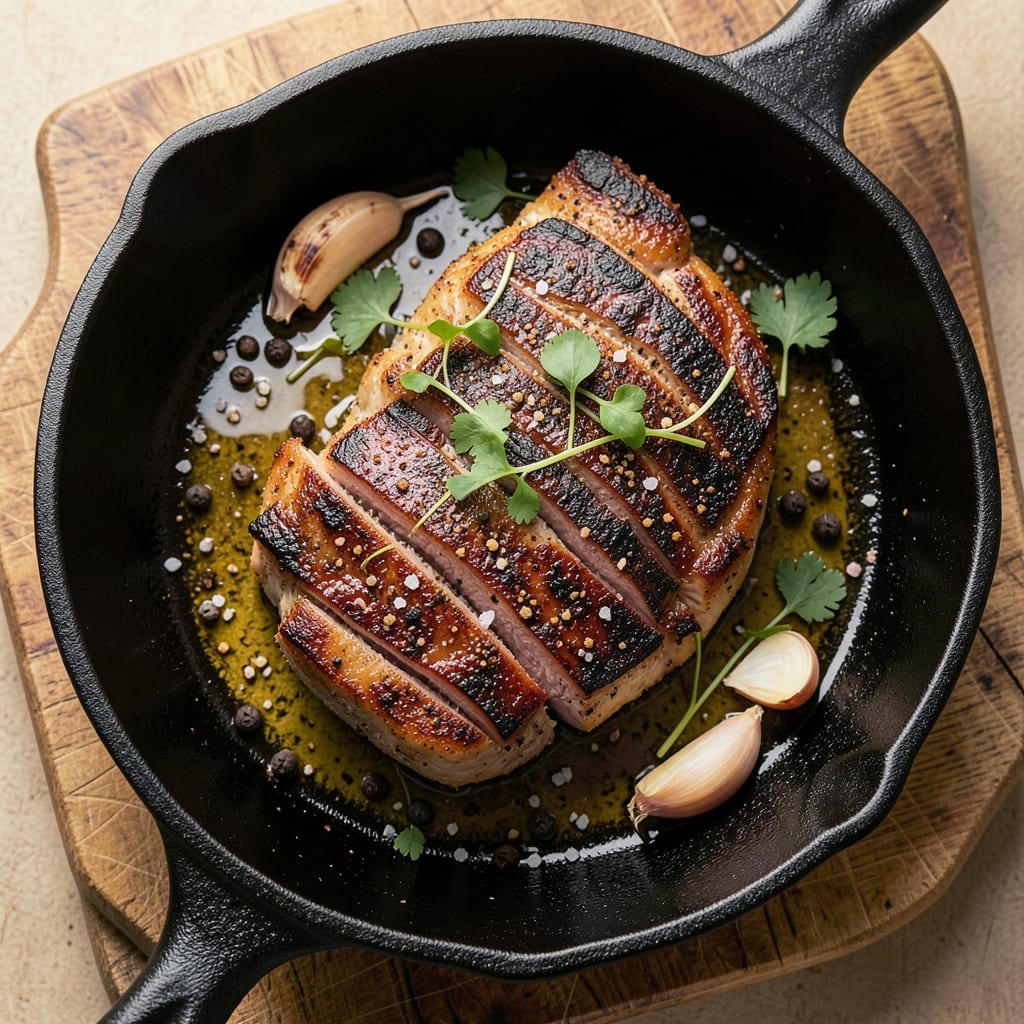
This Blackstone pork steak recipe delivers the perfect balance of smoky charred crust and buttery tenderness—exactly what I've been perfecting for years on my own farm. The key lies in high-heat searing and precise temperature control, techniques I've mastered cooking 2,000 pounds of pork weekly at The Smoky Pig. That first sizzle on the Blackstone transforms tough cuts into melt-in-your-mouth perfection.
The secret begins with a dry brine overnight—simple but game-changing for moisture retention. We'll use a cast iron skillet on the Blackstone to achieve that coveted crust while keeping the interior juicy. No fancy equipment needed, just patience and attention to temperature. This method works whether you're cooking for a crowd or treating yourself to a special meal.
What you'll end up with is a tender steak with beautiful crosshatch marks from the grill, a deep caramelized crust, and pink centers that practically melt. The aroma alone will have everyone gathering around your Blackstone. Serve with classic sides like collard greens or cornbread to complete the experience.
This recipe scales beautifully—double the batch for game day or halve it for a quiet dinner. The techniques translate perfectly whether you're using a traditional Blackstone or cast iron skillet. Let's get cooking with pork that tastes like it came straight from a Southern pitmaster's table.
Ingredients for blackstone pork steak
High-quality pork cuts and aromatic seasonings transform simple ingredients into Blackstone perfection.
| Ingredient | Amount | Notes |
|---|---|---|
| Pork Steak 🥩 | 2 lb | Bone-in, 1-inch thick cuts preferred |
| Coarse Kosher Salt 🧂 | 2 tbsp | Diamond Crystal preferred for texture |
| Freshly Ground Black Pepper 🌶️ | 1 tbsp | Cracked peppercorns for best flavor |
| Garlic Powder 🧄 | 1 tbsp | Freshly toasted for deeper flavor |
| Smoked Paprika 🌶️ | 1 tsp | For authentic Blackstone smokiness |
| Extra-Virgin Olive Oil 🫒 | ¼ cup | High smoke point for Blackstone searing |
| Yellow Onion 🧅 | 1 whole | Thinly sliced for caramelized topping |
| Fresh Rosemary 🌿 | ¼ cup | Finely chopped, fresh preferred |
| Fresh Thyme 🌿 | ¼ cup | Leaves only, stems removed |
| Butter 🧈 | ½ cup | Unsalted, cubed for basting |
| Apple Cider Vinegar 🍎 | 1 tbsp | For brining balance |
| Brown Sugar 🍬 | 1 tbsp | Lightly packed for caramelization |
The pork steak is everything here—look for bone-in cuts from a trusted butcher like The Smoky Pig or your local farm stand. Thickness matters: 1-inch thick ensures proper sear without overcooking. If you can't find bone-in, thick-cut center-cut pork chops work too. The salt is non-negotiable: Diamond Crystal kosher salt dissolves perfectly for that dry brine magic. For the herbs, fresh rosemary and thyme from the grocery store's produce section (not the dried aisle) add that farm-fresh aroma. I always grab extra—half goes on the steak, half gets tossed with the onions for topping.
No smoked paprika? Regular paprika plus a pinch of liquid smoke gets you close. Running short on fresh herbs? Dried thyme at one-third the amount works in a pinch, but fresh is worth the extra minute. The butter should be cold and cubed—don't melt it ahead of time. For the vinegar, apple cider vinegar adds depth, but white vinegar in a bind works fine. The brown sugar? Lightly packed means no scooping—use the back of a spoon to level it off. And if you're cooking for a crowd, double the batch—this recipe scales perfectly for game day.
The dry-brined pork keeps 3-4 days in the fridge, wrapped tightly in parchment. The seasoning mix stays fresh for 2 weeks in an airtight container. For leftovers, reheat gently in a skillet—the Blackstone crust won't survive the microwave. I always make extra and freeze portions for quick weeknight dinners. The aroma alone will have everyone gathering around your Blackstone—trust me on this.
Why You'll Love This Recipe
- Five-Ingredient Magic: Between us, this is the kind of recipe where you almost feel guilty for how little effort it takes. Just salt, pepper, garlic powder, smoked paprika—and let the Blackstone do the work while you sip your drink.
- Crispy-Savory Perfection: That smoky paprika crust? It’s everything—like a campfire hug for your pork. The garlic powder sneaks in just enough warmth to make every bite feel like a reward after a long day.
- Weeknight or Campfire Hero: Rainchecks or tailgates, this steak handles it all. I’ve served it on the Blackstone at home with roasted potatoes, then again at a picnic with just a baguette—same great results, zero fuss.
- Budget-Friendly Leftovers: Pork steak stretches like a champ, so you’ll have enough for tonight and tomorrow’s lunch. Honestly, the second day is even better—those flavors deepen, and it reheats like a dream.
Step-by-step instructions for Blackstone pork steak
Master this Blackstone technique for juicy pork steak with a perfect charred crust.
Prepare the Dry Rub and Brine the Pork Steak
In a small bowl, combine the 2 tbsp coarse kosher salt, 1 tbsp freshly ground black pepper, 1 tbsp garlic powder, and 1 tsp smoked paprika. Rub this mixture all over the 2 lb pork steak, pressing firmly so the spices adhere evenly. The salt will begin drawing out moisture from the surface, which is essential for that crispy Blackstone crust.
Place the seasoned pork steak in a shallow dish and pour in 1 tbsp apple cider vinegar mixed with 1 tbsp brown sugar. Let it sit for 30 minutes at room temperature. This brief brine enhances tenderness and balances the smoky flavors. I like to flip the steak halfway through to ensure even seasoning on all sides.
Preheat the Blackstone and Sear the Pork Steak
Heat your Blackstone grill over medium-high heat until it's screaming hot—you should see a thin layer of smoke rising. Add the 0.25 cup extra-virgin olive oil and let it spread evenly across the surface. Place the pork steak on the grill and sear for 4-5 minutes per side until deep golden brown with visible grill marks. The oil will help create that signature charred crust while keeping the interior juicy.
Here's the thing—don't move the steak around too much. Let it develop those beautiful sear marks without disturbing the surface. You'll know it's ready when it releases easily from the grill and the internal temperature reaches 140°F on a meat thermometer. This initial sear locks in juices and builds flavor foundation.
Build the Caramelized Onion and Herb Topping
While the steak rests, thinly slice the 1 whole yellow onion into half-moons. In a separate skillet, heat 0.25 cup extra-virgin olive oil over medium heat and cook the onions for 8-10 minutes until soft and golden. Add the 0.25 cup finely chopped fresh rosemary and 0.25 cup fresh thyme leaves, cooking for another 2 minutes until fragrant. This aromatic mixture will become our flavorful topping.
In a small saucepan, melt the 0.5 cup butter over low heat until just melted. Remove from heat and stir in the caramelized onion mixture. Keep this warm while you finish the steak—it should be ready to spoon over the moment you're done cooking.
Finish with Butter and Rest for Maximum Tenderness
Return the seared pork steak to the Blackstone and spoon the melted butter evenly over the top. Let it cook for another 2-3 minutes until the butter has rendered and the steak reaches an internal temperature of 145°F. The butter will baste the meat, creating a luscious crust while keeping it moist. This is where the magic happens—the butter carries all those beautiful caramelized onion and herb flavors into the meat.
Transfer the steak to a cutting board and let it rest for 10 minutes before serving. This resting period is crucial—it allows the juices to redistribute throughout the meat, ensuring each bite is perfectly tender. While it rests, spoon the remaining onion-butter mixture over the top for maximum flavor impact.
Slice and Serve with Confidence
Slice the pork steak against the grain into ½-inch thick pieces. The meat should be juicy and tender with a beautiful charred crust. Serve immediately with the caramelized onion and herb butter spooned over the top. Each bite should deliver that perfect balance of smoky, charred flavors with buttery tenderness.
This Blackstone technique transforms simple pork steak into a restaurant-quality dish. The key is patience—don't rush the searing or resting. The results will speak for themselves with that perfect combination of textures and flavors you've worked so hard to achieve.
Pro Tips For Making Blackstone Pork Steak
- Sear First, Rest Later: Get that Blackstone screaming hot—cast iron or steel—and sear the pork steak for 2-3 minutes per side before touching it with anything else. I used to rush this, and the meat always ended up gray inside. After searing, tent loosely with foil and let it sit for 5 minutes. That’s when the juices redistribute, not before. ---
- Salt Like It’s 1920: Kosher salt isn’t just for garnish—generously coat both sides of the pork steak before it hits the heat. A light hand here means a bland crust later. Pro tip: Pat it dry first; moisture is the enemy of a good sear. (Yes, even if you’re impatient like me.) ---
- Skip the Overcrowding: One steak at a time, or the Blackstone loses its heat fast. I learned this the hard way—trying to cook two at once turned my perfect crust into a sad, steamed mess. If you’re feeding a crowd, work in batches or use a second pan. Your steak’s crust will thank you. ---
- Smoked Paprika Timing: Sprinkle the smoked paprika after searing, not before. The heat activates its flavor, making it smell like a campfire instead of just dusting the meat. Add it to the hot surface first, then toss the steak in it—it’ll stick better and taste deeper. (Your nose will confirm this.)
Regional styles of blackstone pork steak
Southern Pitmaster Style
In the Carolinas, pork steak becomes a centerpiece for family gatherings—especially at Charleston's lowcountry feasts. Here, we use mustard-based marinades instead of dry rubs, letting tangy yellow mustard tenderize the meat while keeping that Blackstone crust intact. I've seen pitmasters here add 1 tbsp hot honey to the marinade before grilling—trust me, the caramelized crust becomes irresistible. Serve with stone-ground grits and collard greens for the full Southern experience.
Georgia Farmhouse Twist
Back in my hometown, we prefer a simpler approach—just salt, pepper, and black pepper vinegar rubbed into the steak before grilling. The key is cooking it over hickory wood chips on the Blackstone for that authentic smoky aroma. I remember my grandma always served it with cornbread and apple butter—the sweetness cuts through the smokiness perfectly. This method works great with thicker cuts (up to 1.5 inches) since Georgia farmers often raise larger heritage pigs.
Texas BBQ Adaptation
While not traditional, Texas pitmasters love this technique for their pork shoulder cuts. They'll often slice the pork steak thin after cooking and serve it on white bread with pickles and mayo—creating a smoky, charred version of a Texas sandwich. The Blackstone's high heat helps render fat quickly, making it ideal for these larger cuts. I've adapted this by adding 1 tsp chili powder to the dry rub for a subtle kick that pairs perfectly with their sliced jalapeños on top.
Midwest Grill Master
Up north, they focus on butter basting throughout the entire cook—starting with the initial sear. The technique involves spooning melted butter over the steak every 2-3 minutes while cooking on the Blackstone. This creates an ultra-tender interior with a crispy crust. I've seen them top it with caramelized onions and a sprinkle of parsley—simple but effective. The Midwest approach works well with leaner pork cuts since the butter helps maintain moisture during cooking.
Modern Fusion Approach
For a contemporary twist, I've experimented with Korean-inspired marinades—using gochujang paste mixed with the dry rub before grilling. The Blackstone's high heat brings out the umami depth while keeping the meat tender. Serve with kimchi and sesame seeds for a flavor explosion. This method works particularly well with thinner cuts (about ¾-inch thick) that cook quickly on the grill. The fusion creates a perfect balance between traditional Southern techniques and global flavors.
Game Day Classic
At Atlanta's tailgates, this becomes the ultimate party pork—often served on hoagie rolls with spicy mustard. The secret here is cooking the steak medium-rare (135°F internal) and slicing it thin for easy handling. I've seen crowds go wild when I add crumbled bacon to the caramelized onion topping—it takes the dish to another level. This version scales perfectly for 50+ people when using a large Blackstone or multiple grills.
Nutrition facts
Frequently asked questions
What's the best cut of pork for Blackstone grilling?
Look for bone-in pork steaks that are 1-inch thick—these create the perfect balance of crust and tenderness. Thicker cuts (up to 1.5 inches) work well for slower grilling sessions, while thinner cuts (¾-inch) cook faster on high heat. Ask your butcher for "pork steak" or "pork loin steak" from the rib or loin primal cuts.
Can I use a regular grill instead of a Blackstone?
A cast iron skillet on a gas grill works perfectly—just preheat it until screaming hot. For charcoal grills, use a cast iron griddle or place the steak directly on the coals (with a heat shield if needed). The key is achieving that high-heat sear to create the signature crust, regardless of equipment.
How do I fix pork steak that's too dry?
Overcooking is the usual culprit—use a meat thermometer and stop at 145°F internal temperature. For dry steak, try slicing thinly and serving with extra butter or a pan sauce made from the drippings. Next time, let the steak rest for 10 minutes before slicing to retain juices, and avoid moving it too much on the grill.
What's the difference between pork steak and pork chop?
Pork steak comes from the loin or rib and is typically thicker and more flavorful than pork chops (which are usually from the loin). Steaks are more forgiving for high-heat grilling due to their fat content, while chops need gentler treatment. For this recipe, bone-in pork chops work too—just reduce cooking time by 1-2 minutes per side.
Can I make this ahead of time?
Yes! Cook the steak as directed, then slice and refrigerate for up to 3 days. Reheat gently in a skillet with a splash of water or broth to restore moisture. For make-ahead prep, season the steak and refrigerate overnight (the dry brine enhances flavor), then grill fresh the next day.