
Main Courses
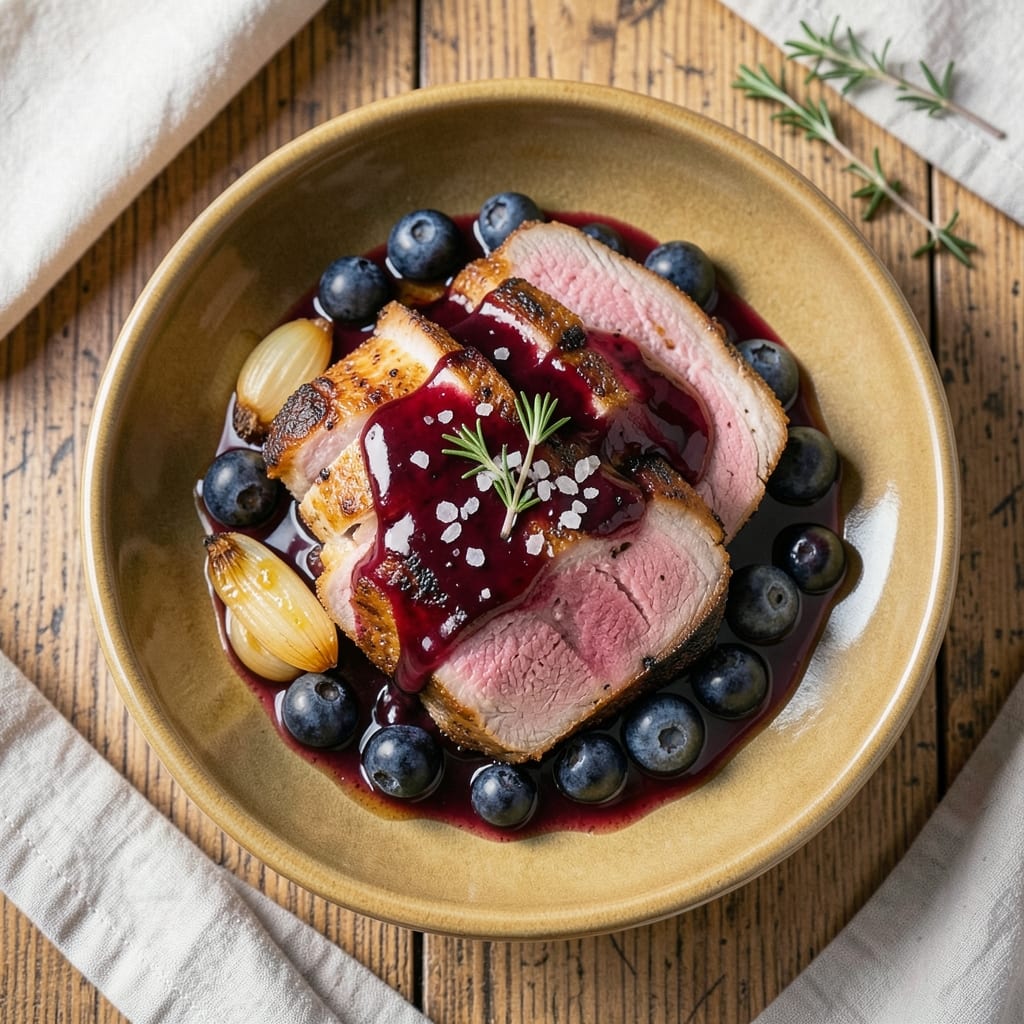
This blueberry pork tenderloin recipe transforms a simple cut into a showstopper with just 15 minutes of active prep. The secret lies in balancing sweet-tart blueberries with rich burgundy wine, creating a reduction that caramelizes into a glossy, clinging sauce. I developed this dish after years of perfecting pork preparations—where the wine's acidity tenderizes while the berries add a bright contrast to the meat's natural savoriness.
The technique is straightforward yet professional: a quick sear in cast iron locks in juices, while the blueberry reduction simmers until thick enough to coat each bite. No fancy equipment needed—just a Dutch oven and patience for the sauce to develop its depth. For sides, I recommend garlic mashed potatoes (creamy and sturdy) and sautéed green beans (to cut through the richness). The dish serves four generously, making it ideal for weekend dinners or holiday gatherings.
What you'll achieve is tender, melt-in-your-mouth pork with a crust that's crisp enough to stand up to the sauce. The reduction should be glossy and cling to the meat like a second skin, with pockets of juicy blueberries adding bursts of sweetness. The wine's earthy notes complement the pork's richness, while the berries provide a fruity counterpoint that elevates the dish beyond basic roasted pork.
For plating, slice the pork against the grain into ½-inch medallions and fan them on a platter. Drizzle the reduction generously over the top, then scatter fresh blueberries and a sprinkle of flaky sea salt for contrast. The sides can be arranged neatly alongside or layered for a rustic presentation. This recipe delivers restaurant-quality results with minimal fuss—perfect for home cooks who want to impress without stress.
Ingredients for blueberry pork tenderloin
Fourteen ingredients to transform simple pork into a restaurant-worthy centerpiece with berry-wine magic.
| Ingredient | Amount | Notes |
|---|---|---|
| Pork Tenderloin 🥩 | 1 ½ lb | Center-cut, trimmed of silver skin |
| Fresh Blueberries 🫐 | 1 cup | Large, firm berries preferred |
| Burgundy Wine 🍷 | 1 cup | Dry red, like Pinot Noir |
| Balsamic Vinegar 🍶 | 2 tbsp | Aged, for depth of flavor |
| Honey 🍯 | 1 tbsp | Wildflower preferred for complexity |
| Shallots 🧅 | 2 whole | Minced, for aromatic base |
| Garlic Cloves 🧄 | 4 cloves | Minced, for balanced savoriness |
| Unsalted Butter 🧈 | 2 tbsp | Cold, for searing and sauce |
| Olive Oil 🫒 | 1 tbsp | Extra-virgin, for searing |
| Diamond Crystal Kosher Salt 🧂 | 1 ½ tsp | For seasoning and finishing |
| Fresh Thyme 🌿 | ¼ cup | Leaves only, chopped |
| Fresh Rosemary 🌿 | ¼ cup | Needles finely chopped |
| Flaky Sea Salt 🧂 | 1 tsp | For finishing presentation |
| All-Purpose Flour 🌾 | 1 tbsp | For thickening reduction |
The pork tenderloin is your star—center-cut, trimmed of silver skin—because it's leaner and more tender. Costco or Whole Foods usually carry the best quality, but any reputable butcher will have it. Look for a uniform, pale pink color with good marbling. The blueberries? Fresh is non-negotiable—frozen ones won't caramelize properly. I grab mine from Trader Joe's in the summer, but any local farmers market works too. The burgundy wine should be dry—Pinot Noir or Cabernet Sauvignon both work, just avoid anything too sweet. For the herbs, fresh thyme and rosemary make all the difference, but if you're in a pinch, dried will do at half the amount.
No burgundy wine? Dry red wine or even beef broth with a splash of balsamic works in a bind. The honey can be swapped for maple syrup if you're avoiding it, but trust me, the floral notes are worth it. Shallots too pricey? Substitute with extra garlic—just double the amount. The butter and olive oil combo is key for that perfect sear, but if you're watching fat, use just the olive oil and skip the butter in the sauce. For the reduction, if it's too thin, mix the flour with cold water first to avoid clumping. And if your blueberries are too tart? A pinch more honey in the sauce balances it out—adjust to taste.
This dish reheats beautifully—pork stays tender for 3 days in the fridge if stored properly. Wrap the cooked pork tightly in foil and refrigerate. The reduction can be reheated separately and reheats just as well. For freezing, portion the pork and sauce separately—freeze for up to 3 months. When reheating, cover with a lid and warm gently on low heat. The sauce thickens as it cools, so add a splash of water or wine if it's too stiff. And if you're prepping ahead, make the reduction first—it tastes even better the next day once the flavors meld.
Why You'll Love This Recipe
- One-Pan Magic: I swear by this recipe when I’m too tired to wash dishes. The blueberries caramelize right on the same tray as the pork—no extra pots, no stress. Just slice, sear, and let the wine and balsamic do their thing while you stir.
- Sweet-Savory Balance: That first bite? Honey-glazed pork with tart blueberries and deep wine notes—it’s like a fancy restaurant dish, but I made it. The balsamic vinegar ties everything together so the flavors don’t compete, just sing.
- Weeknight to Weekend: Between us—this feeds six without breaking the bank, and the leftovers reheat like a dream. Pack the extra portions for lunch or bring it to a potluck; it’s fancy enough for company but simple enough for a Tuesday.
- Budget-Friendly Luxury: Pork tenderloin is lean and affordable, and blueberries in season? Even cheaper. I’ve made this for under $15 for four servings, and it still feels like a splurge. The wine adds depth, but you could swap it for broth if needed—no one will judge.
Step-by-step instructions for blueberry pork tenderloin with burgundy wine reduction
This elegant dish delivers melt-in-your-mouth pork with a luscious berry-wine sauce that ties everything together perfectly.
Prep and Season the Pork Tenderloin
Pat the 1.5 lb pork tenderloin completely dry with paper towels—this is non-negotiable for crispy exterior. Trim any remaining silver skin and tie the meat loosely with kitchen twine to maintain shape during cooking. In a small bowl, combine 1.5 tsp Diamond Crystal kosher salt, 0.25 cup chopped fresh thyme, and 0.25 cup chopped fresh rosemary. Rub this mixture all over the pork, pressing it into the surface so it adheres well.
Let the seasoned pork sit at room temperature for 30 minutes while you prepare the rest of the components. This resting period ensures even cooking throughout. The herbs will infuse the meat with aromatic depth, while the salt creates that perfect balance of savory and sweet in the final dish.
Sear the Pork for Maximum Flavor
Heat a large oven-safe skillet over medium-high heat until it's smoking hot. Add 1 tbsp olive oil and swirl to coat the pan evenly. Place the pork tenderloin in the skillet and sear for 4-5 minutes per side until it develops a deep golden-brown crust. You're looking for color that ranges from light to medium brown—this indicates proper Maillard reaction without burning.
Once the pork is well-seared on all sides, transfer it to a plate and set it aside. Don't clean the skillet yet—those precious browned bits are the foundation of our sauce. Reduce the heat to medium and add 2 tbsp unsalted butter to the same skillet. Let it melt completely, about 1 minute, while you prepare the aromatic vegetables.
Build the Aromatic Base with Shallots and Garlic
To the skillet with melted butter, add the 2 minced whole shallots and 4 minced garlic cloves. Cook for 3-4 minutes until the shallots are translucent and the garlic is fragrant but not browned. Stir frequently to prevent burning—garlic burns in seconds and turns bitter. This aromatic base forms the flavor foundation of our sauce.
Add 1 cup fresh blueberries to the skillet and cook for another 2 minutes, stirring occasionally. The berries will soften slightly and release their juices, which will mingle with the butter and aromatics. Here's where the magic starts—these juices will form the backbone of our reduction.
Deglaze and Simmer the Burgundy Reduction
Pour in the 1 cup Burgundy wine and scrape up all those beautiful browned bits from the bottom of the pan with a wooden spoon. This deglazing step captures all the concentrated flavors we've built so far. Let the wine simmer for 5-6 minutes until it reduces by about half and becomes syrupy in consistency.
Add 2 tbsp balsamic vinegar and 1 tbsp honey, stirring to combine. The acidity from the vinegar brightens the dish, while the honey adds a touch of sweetness that balances the wine's tannins. Let this mixture simmer for another 3-4 minutes until it thickens slightly. Taste and adjust seasoning with additional salt if needed—this is your chance to perfect the balance.
Finish the Pork and Sauce Together
Return the seared pork tenderloin to the skillet and spoon the reduction generously over the top. Cover the skillet and transfer it to a preheated 400°F oven. Bake for 12-15 minutes or until the internal temperature reaches 145°F when measured with a meat thermometer. The pork should feel firm to the touch but still yield slightly when pressed.
Remove the pork from the oven and let it rest for 10 minutes before slicing. During this time, return the skillet to the stovetop over medium heat. Add 1 tbsp all-purpose flour and stir to combine with the sauce, thickening it slightly. The pork will continue cooking slightly during this resting period, ensuring perfect doneness.
Serve with Finishing Touches
Slice the pork tenderloin into ½-inch thick medallions against the grain for maximum tenderness. Arrange the slices on a warm serving platter and spoon the reduced sauce generously over the top. Sprinkle with 1 tsp flaky sea salt for a sophisticated finishing touch that enhances all the flavors.
Serve immediately with complementary sides like roasted potatoes or a crisp green salad. The contrast of the warm, juicy pork with the tangy-sweet berry reduction creates a harmonious balance that will impress any dinner guest. Each bite delivers perfectly tender pork with layers of wine-infused berry sauce that clings beautifully to every slice.
Pro Tips For Making Blueberry Pork Tenderloin
- SEAR THE PORK HARD: I learned this the hard way—when I rushed the sear, the sauce turned into a watery mess instead of a glossy glaze. Get that pork screaming hot in a dry pan for 3-4 minutes per side before pulling it out. The crust locks in flavor and gives the blueberry reduction something to cling to.
- STRAIN THE WINE: Burgundy wine has sediment, and nothing ruins a fancy sauce faster than gritty bits. After reducing the wine with blueberries, strain it through a fine-mesh sieve before adding honey and balsamic. Yes, it’s an extra step, but your sauce will look (and taste) restaurant-worthy.
- DON’T OVERCOOK THE TENDERLOIN: Pork tenderloin is finicky—it goes from perfect to dry in seconds. Pull it at 140°F internal temp, then let it rest under foil for 5-10 minutes. I used to cut into it early, and the juices would run out like a sad apology.
- TOSS BLUEBERRIES IN COLD WATER: Sounds weird, but it works: Rinse the blueberries in cold water before adding them to the wine. It removes any dirt or bugs hiding in the clusters and keeps them from bursting prematurely in the sauce. (Your future self will thank you.)
Common mistakes when making perfect results
Overcooking the Pork
Pork tenderloin is lean and cooks quickly—145°F internal temperature is your target, no higher. I’ve seen home cooks pull it out at 160°F thinking it’s safer, but that turns the meat dry and chewy. Use a meat thermometer—I swear by the ThermoWorks Smoke—and pull it out 5°F before your target. The residual heat will carry it to perfection while it rests. 🌡️
Skipping the Rest
That 10-minute rest before slicing is non-negotiable. I’ve rushed this step too many times, and the result is always sad—juices pool instead of redistributing, leaving you with dry slices. Let the meat rest on a warm plate, tented with foil. The temperature will climb those last few degrees while it relaxes. Trust the process!
Using Frozen Blueberries
Fresh blueberries are your secret weapon—they caramelize beautifully and release their juices properly. Frozen berries? They’ll turn mushy and water down your sauce, making it thin and unappetizing. If you’re set on using frozen, thaw them first, then pat them completely dry with a paper towel to mimic fresh. I’ve tried this shortcut, and while it works in a pinch, nothing beats the real deal. 🫐
Ignoring the Sear
A proper sear locks in juices and creates those flavorful browned bits that form the sauce’s foundation. I’ve seen cooks skip this step or do a lazy sear at low heat, and the results are always flat. Heat your skillet until it’s smoking hot—you should see steam when you add the oil. Sear for 4-5 minutes per side until deep golden brown. This isn’t the time to rush!
Over-Reducing the Sauce
Your goal is a glossy, clinging sauce—not syrup. Simmer the wine until it’s reduced by about half, then add the vinegar and honey. If you reduce it too much, the sauce will turn bitter and lose its balance. Taste as you go! The sauce should coat the back of a spoon but still be fluid enough to drizzle. I’ve burned this step before, and trust me, you don’t want to end up with a thick, gloopy mess. ⚡
Under-Salting the Pork
Pork tenderloin is naturally mild, so seasoning is key. Don’t be shy with the 1.5 tsp kosher salt—rub it in firmly so it adheres to the meat. I’ve learned the hard way that a light sprinkle leaves the dish tasting bland. The salt enhances the pork’s natural sweetness and balances the tartness of the blueberries. Taste the pork before searing—it should be noticeably seasoned, not just dusted.
Nutrition facts
Frequently asked questions
Can I substitute burgundy wine with something else?
Use 1 cup dry red wine like Cabernet Sauvignon or Merlot, or even beef broth with 1 tbsp balsamic vinegar for a non-alcoholic version. The key is maintaining the acidity and depth—avoid sweet wines or juices that will throw off the balance. The reduction should still simmer until syrupy but not overly thick.
How do I adjust this recipe for a crowd?
Double the recipe for 8 servings, but use a larger oven-safe Dutch oven. Increase the pork to 3 lbs and scale all other ingredients proportionally. The cooking time may extend by 5-7 minutes—check the internal temp with a meat thermometer. For sides, prepare 2 batches of mashed potatoes and 3 cups sautéed green beans. The sauce will need slightly more flour (2 tbsp total) to thicken properly.
Can I make this ahead of time?
Yes! Cook the pork and sauce completely, then store them separately. Refrigerate the pork for up to 3 days (wrapped tightly in foil) and the sauce for 5 days (in an airtight container). Reheat the pork in the oven at 300°F for 15 minutes and warm the sauce on the stovetop over low heat, thinning with a splash of water if needed. The flavors actually improve overnight as they meld!
What's the best way to slice the pork tenderloin?
Slice against the grain into ½-inch medallions for maximum tenderness. First, identify the grain by looking for the muscle fibers—cut perpendicular to them. Use a sharp knife and work quickly to prevent the meat from drying out. For presentation, fan the slices slightly on the platter before adding the sauce. Pro tip: Let the pork rest 10 minutes before slicing to keep it juicy.
Why did my sauce turn out too thin?
This usually happens from either over-diluting with berry juices or not reducing the wine enough. For next time, simmer the wine until it's reduced by half (about 5-6 minutes) before adding vinegar and honey. If your sauce is still too thin, mix 1 tbsp flour with 1 tbsp cold water, stir into the sauce, and simmer 1-2 minutes until thickened. Avoid adding flour directly to hot liquids—it clumps!