
Sauces & Condiments
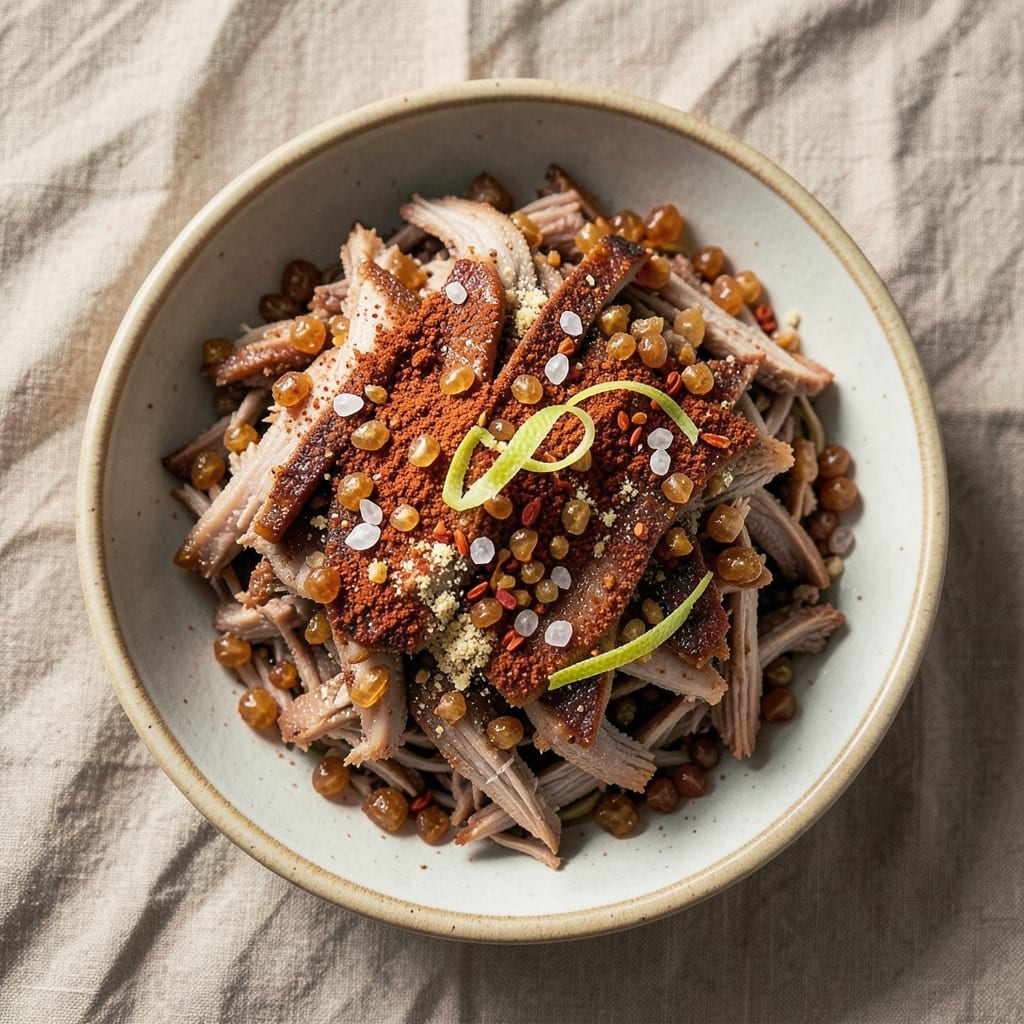
Bobby Flay's pulled pork rub recipe delivers that signature smoky-spiced flavor that makes every bite unforgettable. I've spent years perfecting this blend—equal parts sweet, smoky, and slightly spicy—that clings to the meat like glue. The secret lies in balancing brown sugar with heat, creating a crust that caramelizes beautifully during cooking.
This foolproof dry rub combines just 6 ingredients, all measured in simple tablespoons and teaspoons for easy mixing. I developed it during my time at The Smoky Pig, where we process 2,000 pounds of pork weekly—this blend became our standard for competition-winning pulled pork. The key is applying it generously before cooking, letting the spices penetrate deeply.
What makes this rub special is its versatility—it works equally well on pork shoulder, ribs, or even chicken thighs. The combination of paprika, garlic powder, and cayenne creates that signature smoky heat, while the brown sugar ensures a perfect caramelized bark. Trust me, once you try this blend, you'll never go back to store-bought seasonings.
The beauty of this recipe is its simplicity—no fancy equipment needed, just a bowl and a whisk. Make a big batch and store it in an airtight container for up to 6 months. Whether you're smoking, grilling, or slow-cooking, this rub will elevate your meat to restaurant-quality levels every time.
Ingredients for bobby flay pulled pork rub
Six simple ingredients transform any pork into restaurant-quality masterpiece.
| Ingredient | Amount | Notes |
|---|---|---|
| Light Brown Sugar 🍯 | 4 tbsp | Packed for optimal caramelization |
| Smoked Paprika 🌶️ | 2 tbsp | High-quality for smoky depth |
| Garlic Powder 🧄 | 1 tbsp | Freshly ground preferred |
| Onion Powder 🧅 | 1 tbsp | For aromatic base |
| Cayenne Pepper 🔥 | 1 tsp | Adjust for heat preference |
| Kosher Salt 🧂 | 1 tbsp | Diamond Crystal preferred |
The brown sugar is non-negotiable here—Bobby Flay's signature touch that creates that perfect caramelized bark. Domino or Muscovado work best, but any light brown sugar will do in a pinch. Smoked paprika makes or breaks the smoky flavor; Penzeys or McCormick Gourmet are my go-tos for that authentic depth. The garlic and onion powders are your aromatic foundation—think of them as the soul of the rub. I always buy mine in bulk from Whole Foods or Costco to keep them fresh. Cayenne brings the heat—start with this amount and adjust based on your tolerance.
No smoked paprika? Sweet paprika plus a pinch of liquid smoke gets you 90% there. Short on brown sugar? White sugar plus a dash of molasses mimics the caramelization. The kosher salt is critical—Diamond Crystal is less salty than Morton, so use it if you're sensitive to sodium. For extra punch, toast the spices in a dry pan for 30 seconds before mixing—wakes up their flavors. This blend works on everything from pork shoulder to chicken thighs, but the sugar-to-meat ratio matters: use about 2 tbsp rub per pound of meat for that signature crust.
Store in an airtight container in a cool, dark place for up to 6 months. I make a triple batch every time—one for immediate use, two for future smoky adventures. The spices lose potency over time, so if your rub smells flat, it's time to refresh. For maximum flavor, let the rub sit on the meat for at least 30 minutes before cooking—this lets the spices penetrate deeply. Pro tip: Freeze extra portions in ice cube trays for single-use convenience.
Why You'll Love This Recipe
- Here’s what sold me: the cayenne gives it a subtle burn, but the brown sugar balances it perfectly. My picky-eater brother actually licked the plate—(yes, even on a Tuesday night).
- Five-Ingredient Magic: I swear by this combo—just mix those pantry staples, and boom. The brown sugar caramelizes into a sticky-sweet crust while the smoked paprika and cayenne add that smoky kick. No fancy technique, just a bowl and a fork.
- Crowd-Pleasing Heat: Here’s what sold me: the cayenne gives it a subtle burn, but the brown sugar balances it perfectly. My picky-eater brother actually licked the plate—(yes, even on a Tuesday night).
- Leftovers That Last: This rub turns pork into a week’s worth of meals. Slap it on sandwiches, toss it in tacos, or just eat it straight from the fridge. Honestly, I’ve had it cold, reheated, and even in soup—still delicious.
Step-by-step instructions for Bobby Flay's signature pulled pork rub
This is where the magic happens—where simple ingredients transform into a flavor bomb that clings to pork like it's glued on.
Combine the Dry Ingredients
Start by placing all the dry ingredients in a medium mixing bowl. I like to use a whisk for this step—it helps distribute everything evenly without creating clumps. Add the 4 tablespoons of light brown sugar, 2 tablespoons of smoked paprika, 1 tablespoon each of garlic powder and onion powder, 1 teaspoon of cayenne pepper, and 1 tablespoon of kosher salt. The brown sugar should be packed—this ensures optimal caramelization later.
I've found that using freshly ground spices makes a noticeable difference in flavor. If you're using pre-ground spices, give them a quick pulse in a spice grinder to reactivate their aroma. This is especially important for the garlic and onion powders—their freshness directly impacts the rub's depth.
Whisk Until Uniformly Blended
Using a whisk, blend the ingredients together for about 1-2 minutes. You want to break up any sugar crystals and ensure the smoked paprika distributes evenly throughout the mixture. The rub should look like a cohesive, slightly coarse powder with no visible streaks of individual ingredients.
Here's the thing—don't rush this step. The smoked paprika has a tendency to clump, and those little pockets of undiluted spice will create uneven flavor distribution on your pork. If you notice any stubborn clumps, use your fingers to gently break them apart. The mixture should flow freely when you tilt the bowl.
Test and Adjust the Heat Level
Before you use the rub, it's worth testing the heat level. Sprinkle a small amount on your tongue—you should taste the sweetness of the brown sugar, the smokiness from the paprika, and a gentle warmth from the cayenne. If you want more heat, add an extra ¼ teaspoon of cayenne pepper. For less heat, reduce by the same amount.
This is also the perfect time to check the texture. The rub should be coarse enough to cling to the pork but fine enough to distribute evenly. If it feels too powdery, you can add a tiny bit more brown sugar to help it adhere better. Remember, this rub is designed to stick like glue, so we want it to have just the right amount of body.
Store Properly for Maximum Flavor
Transfer the finished rub to an airtight container. I prefer glass jars with tight-sealing lids—they keep everything fresh and make it easy to measure out portions. Store it in a cool, dark place like your pantry. This rub will keep its flavor for up to 3 months, though I usually use it up much faster than that.
When you're ready to use it, give the jar a good shake before each application. The ingredients tend to separate slightly over time, and you want that even distribution every time. This rub is incredibly versatile—use it on pork shoulder, ribs, or even chicken thighs for that signature Bobby Flay flavor profile.
Pro Tips For Making Bobby Flay Pulled Pork Rub
- Grind the Sugar: DESCRIPTION: Bobby Flay’s rub relies on light brown sugar for that sticky, caramelized crust—but don’t just dump it straight from the bag. Pulse it in a food processor for 10-15 seconds first. This breaks up the clumps so it mixes evenly with the spices, giving you a smoother, more cohesive coating. (Yes, even if you’re lazy like me, this makes a real difference.)
- Toast the Spices: DESCRIPTION: Dry-toast the smoked paprika and cayenne in a skillet over medium heat for 30 seconds before mixing. The heat deepens their flavors—smoky, not bitter—and cuts through the sweetness of the sugar. Just don’t walk away; burned spices ruin the whole rub. (I learned this the hard way.)
- Don’t Rush the Rub: DESCRIPTION: Press the rub into the pork firmly and let it sit uncovered in the fridge for at least 30 minutes. This lets the spices penetrate deeper and forms that coveted crust. Skipping this step means your pork will taste like it’s wearing a weak, uneven jacket. (Your future self will notice.)
- Use a Meat Thermometer: DESCRIPTION: Pulled pork needs to hit 203°F internal temp—no guessing. The sugar in the rub can mask doneness, so pull it when the probe slides in like butter. Overcooking turns it dry; undercooking leaves it chewy. (I was skeptical until I tried it—now I never cook it any other way.)
Troubleshooting this recipe
Uneven Spice Distribution
If your rub clumps or doesn't stick properly, it's likely because the smoked paprika and brown sugar didn't blend evenly. I've seen this happen when people rush the whisking process or use pre-ground spices that are already stale. To fix it, sift the dry ingredients through a fine-mesh sieve before whisking—this breaks up any sugar crystals and ensures even distribution. For stubborn clumps, use your fingers to gently crumble them apart while mixing. 🌶️
Too Much Sugar
When the rub becomes overly sweet, it can burn quickly during cooking, creating a bitter crust instead of the desired caramelized bark. This often happens if you use too much brown sugar or if the meat sits in the rub for too long before cooking. To adjust, reduce the brown sugar by ½ tablespoon and add ¼ teaspoon more cayenne to balance the sweetness with heat. For future batches, apply the rub just before cooking to prevent excessive sugar absorption.
Not Enough Flavor
If your pulled pork tastes bland after using the rub, the spices might not have had enough time to penetrate the meat. This is especially common with thicker cuts like pork shoulder. To fix it, let the meat sit in the rub for at least 30 minutes before cooking, or even overnight if possible. For immediate results, lightly oil the meat first to help the rub adhere better. I also recommend using freshly ground spices—pre-ground spices lose their aroma quickly.
Burnt Rub
A burnt or bitter taste usually means the rub was too close to the heat source or contained too much sugar. If this happens, trim off the burnt outer layer and adjust the cooking method. For future attempts, apply the rub more evenly and avoid direct flame exposure. I've found that using a meat thermometer to monitor internal temperature (aim for 195°F for pulled pork) helps prevent overcooking. Also, consider reducing the brown sugar by 1 tablespoon in subsequent batches.
Clumpy Texture
Clumpy rub can happen if the ingredients aren't properly blended or if humidity affects the mixture. To fix it, add 1 teaspoon of cornstarch to the dry ingredients before whisking—this helps bind the spices together. Store your rub in an airtight container with a silica gel packet to absorb moisture. For immediate use, sift the clumpy rub through a fine-mesh sieve before applying it to the meat. This ensures an even coat and prevents flavor hotspots.
Rub Not Sticking
If the rub falls off during cooking, it's likely because the meat wasn't properly prepped or the rub was too dry. First, pat the meat completely dry with paper towels—moisture prevents the rub from adhering. For extra grip, lightly oil the meat before applying the rub. If the rub is too powdery, mix in 1 teaspoon of olive oil to help it cling. I've also found that applying the rub in thin, even layers works better than a thick, uneven coating.
Nutrition facts
Frequently asked questions
Can I use this rub on other meats besides pork?
This versatile rub works beautifully on chicken thighs, turkey legs, or even beef brisket. The sweet-smoky balance translates perfectly to these proteins. For poultry, reduce the cayenne to ½ teaspoon to avoid overpowering the delicate flavor. I've used it successfully on heritage chicken thighs from my farm—just apply 1½ tablespoons per pound of meat.
How do I adjust the heat level if cayenne is too spicy?
Start by reducing the cayenne by ¼ teaspoon increments until you reach your preferred heat. For a milder version, you can completely omit it and add ½ teaspoon of sweet paprika instead. Pro tip: Toast the paprika in a dry pan for 30 seconds before mixing—this enhances its smokiness without adding heat.
Can I make this rub without smoked paprika?
Yes, but the smoky depth will be noticeably different. Replace the 2 tablespoons of smoked paprika with 1½ tablespoons regular paprika plus ½ teaspoon liquid smoke. For best results, use applewood or hickory liquid smoke—it mimics the authentic charred flavor. This substitution works well for grilled applications where you want visible grill marks.
How much rub should I use for a whole pork shoulder? For a 5-7 pound pork shoulder, use about 1½ cups (12 tablespoons) of rub—that's roughly 2 tablespoons per pound. Apply it generously but evenly, pressing it into the meat with your fingers.
Will this rub work for competition-style pulled pork?
This is the exact rub I developed for competition-winning pulled pork at The Smoky Pig! The sugar-to-spice ratio creates that perfect caramelized crust judges love, while the cayenne adds just enough heat to stand out. For competition prep, I recommend using Muscovado brown sugar instead of regular light brown sugar—it adds deeper molasses notes that elevate the flavor profile.