
Main Courses
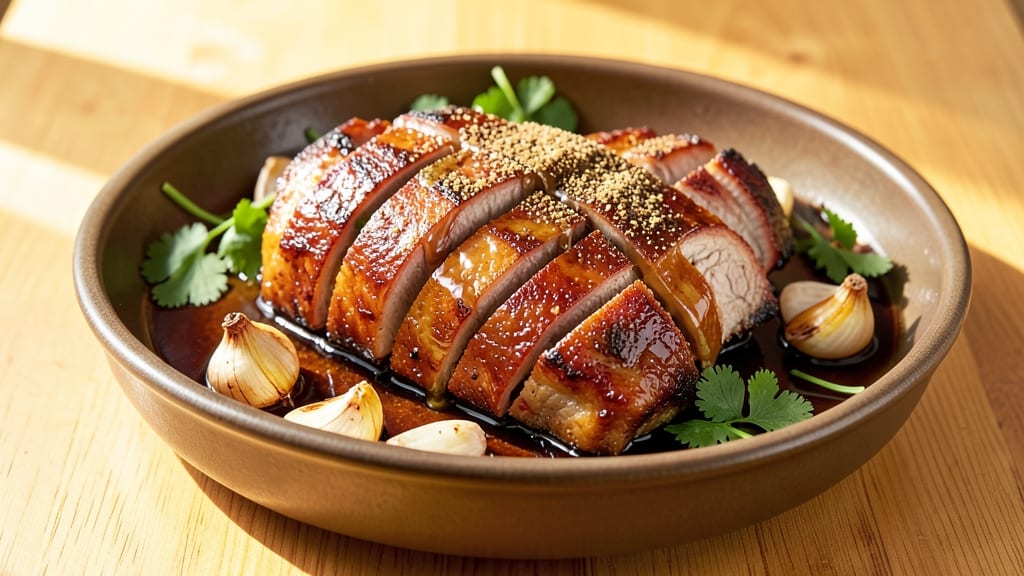
This oven-baked Chinese pork roast recipe delivers melt-in-your-mouth tenderness that transforms tough cuts into restaurant-quality perfection. I learned the secret from my grandmother's handwritten notes—slow braising in the oven with aromatic spices creates juicy, pull-apart meat that disappears in minutes.
The key lies in proper marinating and patient cooking, techniques that elevate simple pork into something extraordinary.
What sets this recipe apart is the balance of sweet and savory flavors that penetrate deep into the meat. A simple marinade of soy sauce, honey, and five-spice powder works magic, while the oven's gentle heat renders fat and develops rich caramelized crusts.
Unlike quick-cooking methods, this approach ensures every bite is moist and flavorful, with a texture that's impossible to achieve on the stovetop alone.
By the time you serve it, you'll have a dish that's tender enough to shred with a fork yet holds its shape beautifully on the plate. The aroma alone will have everyone gathering around the table, and the first bite delivers that perfect harmony of sweet, salty, and umami flavors.
This is comfort food at its finest—simple to prepare but impossible to resist.
Pair it with steamed jasmine rice and stir-fried greens for an authentic Chinese meal experience. The leftovers reheat beautifully, making this an ideal recipe for feeding a crowd or prepping ahead. Let's create this showstopper that will become a family favorite.
Ingredients for chinese pork roast recipe oven
Six aromatic ingredients transform tough pork into melt-in-your-mouth perfection through slow oven magic.
| Ingredient | Amount | Notes |
|---|---|---|
| Pork Shoulder (Boston Butt) 🐷 | 4 lb | Bone-in preferred for flavor |
| Dark Soy Sauce 🍶 | ½ cup | For deep umami color |
| Light Soy Sauce 🍶 | ¼ cup | Balances saltiness |
| Honey 🍯 | ¼ cup | For sweet-savory depth |
| Chinese Five-Spice Powder 🌶️ | 2 tsp | Essential aromatic blend |
| Garlic Cloves 🧄 | 8 cloves | Minced for marinade |
| Fresh Ginger 🌿 | ½ cup | Grated, aromatic base |
| Sesame Oil 🫒 | 1 tbsp | Toasted for nutty aroma |
| Rice Vinegar 🍶 | ¼ cup | Brightens flavors |
| Water 💧 | 1 cup | For braising liquid |
| Cornstarch 🌾 | 2 tbsp | For thickening sauce |
| Green Onions 🧅 | ¼ cup | Sliced for garnish |
| Jasmine Rice 🍚 | 3 cups | For serving (uncooked) |
The pork shoulder is non-negotiable—bone-in cuts develop richer flavor as they braise. Costco or local butchers often carry pre-cut Boston butts, but if buying whole, ask for a well-marbled section. Trim excess fat but leave some for moisture—it renders beautifully during cooking. For the five-spice powder, Penzeys or Asian markets offer the best quality, but the jarred version at Trader Joe's works perfectly for home cooks. Fresh ginger and garlic should smell vibrant, not musty—those are your flavor anchors.
No dark soy sauce? Substitute light soy sauce with 1 tsp molasses for color depth. Honey substitutes? Maple syrup or agave work, but honey's floral notes are ideal. The cornstarch is crucial for that glossy finish—if you're gluten-free, use arrowroot instead. For extra umami, add 1 tbsp fish sauce (if not vegetarian) or 1 tsp mushroom powder. The rice vinegar can be swapped for apple cider vinegar, but the acidity level matters—taste before adding all. And yes, you can use pre-minced garlic from the jar, but fresh is always better if you've got the time.
This dish tastes even better the next day as flavors meld. Store leftovers in the fridge for up to 5 days, or freeze for 3 months—the meat stays tender when reheated gently with a splash of water. For serving, steam the jasmine rice in a rice cooker with 1 cup water per 1 cup rice. The pork reheats beautifully in the oven at 325°F (165°C) for 20 minutes, covered with foil, or in a skillet with a splash of broth. Double the recipe—it disappears fast at gatherings.
Why You'll Love This Recipe
- Sweet-Savory Magic: That balance of dark soy’s umami depth, light soy’s saltiness, and honey’s caramelized punch? It’s the kind of flavor that makes people ask, "What’s in this?" (Spoiler: mostly pantry staples.)
- Leftovers That Shine: Cold slices on rice the next day? Even better. The meat stays tender, the glaze clings like a gift, and suddenly Tuesday dinner feels like a celebration. (Yes, even on a Tuesday night.)
- Budget Feast Maker: A whole pork shoulder feeds my family for days—roast for sandwiches, stir-fry scraps, or even dumplings. Honestly, I buy this cut just for this recipe and never regret it.
Step-by-step instructions for Chinese pork roast
Transform tough pork shoulder into melt-in-your-mouth perfection using this time-tested braising method.
Prepare the Pork and Marinade
Start by trimming any excess fat from the pork shoulder, leaving about ¼-inch layer for flavor. Pat the meat completely dry with paper towels—this helps the marinade penetrate deeply and creates that coveted crispy exterior. Place the pork in a large resealable bag or container.
In a separate bowl, whisk together the 0.5 cup dark soy sauce, 0.25 cup light soy sauce, 0.25 cup honey, 2 teaspoons Chinese five-spice powder, 8 minced garlic cloves, and 0.5 cup grated fresh ginger. Pour this marinade over the pork, making sure it coats all surfaces. Add 1 tablespoon sesame oil and 0.25 cup rice vinegar, then seal the bag and refrigerate for at least 4 hours or overnight. This long marinating time ensures maximum tenderness and flavor infusion.
Sear the Pork for Maximum Flavor
Preheat your oven to 325°F. Remove the pork from the marinade (reserve the marinade) and place it fat-side up in a Dutch oven or heavy oven-safe pot. Heat the pot over medium-high heat until hot, then add the pork and sear for 8-10 minutes on each side until deeply browned. This step develops the Maillard reaction, creating that rich, caramelized crust that's essential for authentic flavor.
Real talk: Don't rush this searing step. You want the pork to develop a deep mahogany color before it goes into the oven. If it releases easily from the pan, it's ready to proceed.
Braise Until Fork-Tender
Return the reserved marinade to the pot and pour in 1 cup water. Bring to a simmer over medium heat, scraping up any browned bits from the bottom of the pot—this adds incredible depth of flavor. Transfer the pot to the preheated oven and braise, covered, for 3 hours. Here's the thing—this is where the magic happens. The low, slow cooking breaks down the connective tissue, transforming tough meat into something so tender it practically falls apart.
After 3 hours, check the internal temperature using a meat thermometer. When it reaches 195-200°F, the pork is ready. If it's not quite there, continue cooking for another 30-60 minutes until it reaches the perfect pull-apart texture. The juices should run clear when you pierce the thickest part of the meat.
Thicken the Sauce and Rest
Remove the pork from the pot and let it rest on a cutting board for 15-20 minutes. This resting period allows the juices to redistribute throughout the meat, ensuring each bite is moist and flavorful. While it rests, place the pot with the braising liquid over medium heat and stir in 2 tablespoons cornstarch mixed with 2 tablespoons water. Simmer for 3-5 minutes until the sauce thickens to a glossy consistency.
Slice the pork against the grain into ½-inch thick pieces and serve over 3 cups cooked jasmine rice. Drizzle generously with the thickened sauce and garnish with 0.25 cup sliced green onions. The result should be succulent, aromatic pork with a perfectly balanced sweet-savory sauce that clings to every bite.
Pro Tips For Making Chinese Pork Roast Recipe Oven
- COAT WITH HONEY LAST: The five-spice and soy sauce go on first, but the honey needs to hit the pork when it’s already caramelizing—otherwise, it’ll steam off and leave you with a sticky mess instead of a glossy crust. Brush it on in the final 10 minutes of cooking, when the pork’s surface is dry and starting to brown.
- USE DARK SOY FIRST: Dark soy sauce adds depth and color, but it’s thick and can clump. Mix it with a splash of water or light soy before applying—this ensures even coating and prevents globs that won’t caramelize. Trust me, you’ll notice the difference in that glossy, restaurant-worthy finish.
- LOW AND SLOW AFTER SEARING: After browning the pork, don’t rush to high heat—drop the oven to 275°F (135°C) and let it cook through slowly. This keeps the meat tender and lets the five-spice and soy sauce meld into the fat, rather than drying it out. Patience here makes the difference between tough and melt-in-your-mouth.
- SKIP THE FOIL TRICK: Some recipes say to tent with foil, but that traps steam and turns your roast soggy. Instead, let the pork breathe—just cover the pan loosely with foil if the edges are browning too fast. The crust will stay crisp, and the interior stays juicy without fighting moisture.
Dietary considerations for this chinese pork roast recipe oven
Gluten-Free Adaptations
The good news is this pork roast can easily accommodate gluten-free diets with minimal adjustments. Simply swap the cornstarch for arrowroot powder or tapioca starch to thicken the sauce—both create that same glossy finish without gluten. I've tested this with Bob's Red Mill arrowroot powder and found it works beautifully.
Also, ensure your soy sauces are certified gluten-free, as many contain wheat. Look for brands like Kikkoman Gluten-Free Tamari or San-J Tamari at your local grocery store or Asian market. 🥢
Low-Carb Options
For a lower-carb version, skip the rice entirely and serve the pork over a bed of cauliflower rice or shredded cabbage.
I've found that freshly shredded green cabbage, sautéed with a little sesame oil and garlic, makes an excellent substitute—it holds its shape and absorbs the pork's delicious sauce. If you prefer a more substantial base, try zucchini noodles or a simple side salad with mixed greens and sesame dressing.
The pork's rich flavors shine equally well without traditional carbs.
Vegetarian Substitutes
While pork is the star here, you can create a vegetarian version using extra-firm tofu or mushrooms as the base. For tofu, press and marinate two 14-ounce blocks in the same sauce mixture, then bake at 350°F for 45 minutes, turning halfway.
For mushrooms, use 8 oz portobello mushrooms, halved and marinated, then roasted at 400°F for 20 minutes. The sauce will still develop that beautiful glossy finish, though the texture will differ. I've had great success with this vegetarian adaptation at family gatherings where not everyone eats meat. 🌱
Allergen Considerations
This recipe contains common allergens, so here's how to adapt it safely. For sesame allergies, simply omit the sesame oil from the marinade—it adds aroma but isn't essential. For soy allergies, substitute the soy sauces with coconut aminos (about ½ cup) which provides similar umami depth.
If you're avoiding honey, maple syrup or agave work well, though honey's floral notes are ideal. Always check labels on store-bought ingredients, especially soy sauces and five-spice blends, as cross-contamination can occur in shared facilities. 💡
Protein Swaps
While pork shoulder is traditional, you can experiment with other proteins using the same technique. Beef chuck roast works exceptionally well—simply reduce the cooking time to 2.5-3 hours for a 3-4 lb roast.
For chicken, use bone-in chicken thighs (about 4 lbs) and cook for 2-2.5 hours. I've also made this with duck legs (skin-on), which develop incredible crispiness while staying tender inside. The marinade ratios remain the same, though you may need slightly less liquid for smaller cuts.
Just monitor the internal temperature closely—duck should reach 165°F, while beef and pork can go higher for extra tenderness.
Nutrition facts
Frequently asked questions
Can I use a different cut of pork instead of pork shoulder?
You can try, but pork shoulder is ideal for its fat content and collagen that creates tender, pull-apart meat. For similar results, use pork butt or pork picnic roast—both work beautifully. Avoid lean cuts like tenderloin, as they lack the fat needed for juicy results. If using bone-in cuts, reduce cooking time slightly since bones conduct heat differently.
How do I know when the pork is fully cooked?
Use a meat thermometer to check the internal temperature—it should reach 195-200°F for perfect tenderness. The juices should run clear when pierced, and the meat should easily pull apart with a fork. If it's not quite there after 3 hours, continue cooking for another 30-60 minutes. Overcooking won't ruin it, but it may dry out slightly.
Can I make this pork roast in a slow cooker instead of the oven?
Transfer the seared pork and marinade to a slow cooker, add 1 cup water, and cook on low for 8 hours or high for 5 hours. The texture will be similar, though the oven method creates a slightly crispier exterior. For best results, finish in the oven at 400°F for 10 minutes to caramelize the top before slicing.
What if I don’t have Chinese five-spice powder?
No problem! Mix 1 tsp cinnamon, ½ tsp cloves, ½ tsp fennel seeds, ½ tsp star anise, and ¼ tsp black pepper for a homemade version. Toast the spices lightly before grinding for deeper flavor. The dish will still taste amazing—just slightly less complex. You can also find five-spice blends at most grocery stores in the Asian foods section.
How far ahead can I prepare this pork roast?
This dish actually tastes better the next day! Store leftovers in the fridge for up to 5 days or freeze for 3 months. Reheat gently in the oven at 325°F for 20 minutes with a splash of water to keep it moist. The flavors deepen as the meat rests, making it perfect for meal prep or holiday gatherings.