
Main Courses
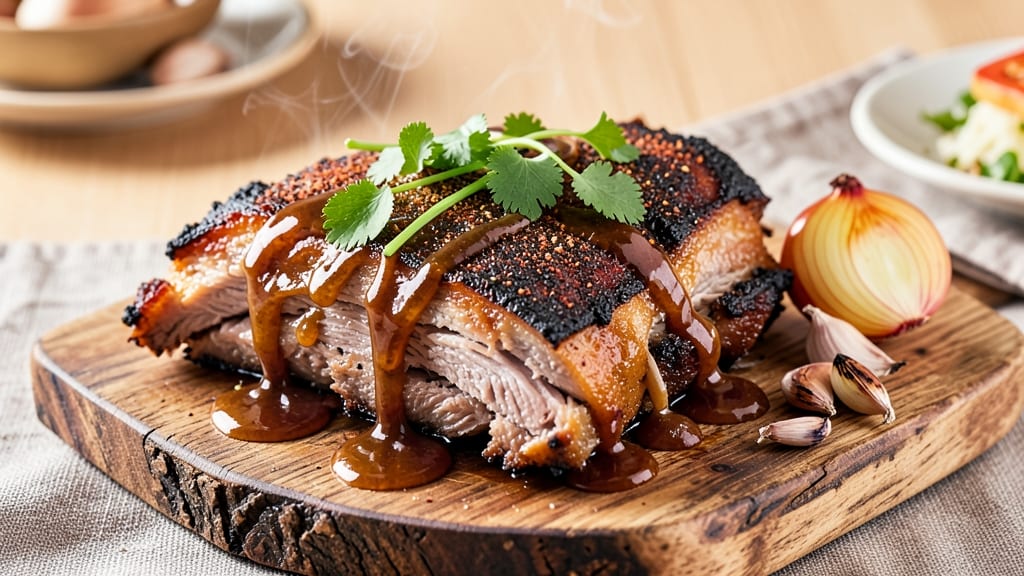
This Meathead's pulled pork recipe delivers the perfect balance of smoky crust and fall-apart tenderness that defines true BBQ mastery. After years of perfecting the technique in my Atlanta kitchen, I've developed a method that works whether you're using a smoker, oven, or even an Instant Pot.
The key lies in the rub—equal parts sweet and savory—and the slow cook that transforms tough pork shoulder into melt-in-your-mouth perfection.
What sets this recipe apart is the foolproof approach that ensures consistent results every time. We'll start with a dry rub that creates a flavorful bark while keeping the meat juicy inside, then slow-cook until the pork practically shreds itself.
The sauce comes together in minutes, with a perfect balance of tangy vinegar and rich molasses that clings beautifully to each strand of pork. No matter your equipment, this method delivers restaurant-quality pulled pork at home.
The final result is shreds so tender they disappear at the first bite, coated in a glossy, slightly sticky sauce that's neither too sweet nor too smoky. The texture is what makes this recipe legendary—crisp edges from the bark, but a core that falls apart with just a fork.
This is the kind of pulled pork that makes people close their eyes and sigh, the kind that gets passed around at family gatherings and disappears before the plate makes it to the table.
Whether you're serving it on toasted buns with classic coleslaw or piling it high on a plate with cornbread and pickles, this pulled pork becomes the centerpiece of any meal.
The beauty of this recipe is its versatility—it works for weeknight dinners or holiday feasts, and the leftovers reheat just as well as the first batch. Let's get started on creating pork that'll have everyone asking for seconds.
Ingredients for meathead pulled pork
Six pounds of pork shoulder and twelve spices transform into legendary pulled pork.
| Ingredient | Amount | Notes |
|---|---|---|
| Pork Shoulder (Bone-In) 🍖 | 6 lb | Well-marbled, trimmed of excess fat |
| Yellow Onion 🧅 | 2 whole | Large, yellow variety preferred |
| Garlic Cloves 🧄 | 8 cloves | Fresh, peeled |
| Brown Sugar 🍚 | ½ cup | Light or dark, packed |
| Smoked Paprika 🌶️ | 2 tbsp | High-quality, not sweet |
| Chili Powder 🌶️ | 1 ½ tbsp | Medium heat preferred |
| Ground Black Pepper 🌶️ | 1 ½ tbsp | Freshly ground |
| Kosher Salt 🧂 | 2 tbsp | Diamond Crystal preferred |
| Ground Cumin 🌿 | 1 tbsp | Toasted for depth |
| Apple Cider Vinegar 🍎 | ½ cup | Bottled or homemade |
| Molasses 🍯 | ½ cup | Unsulfured preferred |
| Tomato Paste 🍅 | ¼ cup | High-quality, canned |
| Water 💧 | 1 ½ cups | Filtered preferred |
| Honey 🍯 | 2 tbsp | Wildflower preferred |
The pork shoulder is non-negotiable—bone-in gives more flavor, and 6 pounds feeds a crowd with leftovers. Look for well-marbled cuts at your butcher or grocery store's meat counter. Costco or Whole Foods often carry excellent options, but any reputable butcher will trim it properly. If you're using a smoker, aim for a 3-4 lb cut for smaller batches. The onions and garlic should be fresh—no wilting or bruising. Store them in a cool, dark place until ready to use, but prep them the day before for convenience.
No smoked paprika? Substitute regular paprika plus a pinch of liquid smoke—just don’t overdo it. The brown sugar can be swapped for white sugar if needed, but it won’t have the same depth. For the apple cider vinegar, white vinegar in a pinch works, but the tang isn’t as complex. The molasses is crucial for that rich, caramelized flavor—unsulfured is ideal, but sulfured will work. If you’re avoiding sugar entirely, reduce the molasses by half and add 1 tbsp of maple syrup to balance. The tomato paste can be thinned with water if the sauce feels too thick, but keep it to a minimum to avoid watering down the flavors.
Prep the pork shoulder the night before—pat it dry and apply the rub at least 4 hours ahead (overnight is best) for maximum flavor penetration. The dry rub keeps well in an airtight container for up to 2 weeks in the fridge. For the sauce, make it fresh the day of cooking—it reheats beautifully but loses some brightness after 3-4 days. Store leftovers in shallow containers to cool quickly, then refrigerate for up to 5 days or freeze for 3 months. The sauce separates when reheated? Just stir it back together—it’s normal and doesn’t affect taste.
Why You'll Love This Recipe
- Sweet-Smoky Magic: That caramelized brown sugar crust? It’s the star. The smoked paprika gives it depth, while the garlic and onion melt into the meat, creating layers of flavor that make every bite irresistible. Honestly, I’ve had people ask if I spent hours marinating—nope, just a few minutes of prep.
- Leftovers That Shine: This recipe makes enough for a crowd, which means sandwiches for days. I’ll be real: my freezer is always stocked with portions of this, reheated in seconds for quick lunches or loaded tacos. The meat stays juicy, never dry—even after reheating.
- Budget Crowd-Pleaser: A bone-in pork shoulder is cheaper than pre-cut meat, and it feeds a family for half the cost of takeout. Between us, this is how I host game nights or potlucks without breaking the bank. Everyone leaves happy, and I leave with zero guilt.
Step-by-step instructions for slow-smoked pulled pork
Here's how to transform a tough pork shoulder into tender, fall-apart perfection with a deep bark.
Prepare the Pork Shoulder
Begin by trimming any excess fat from the pork shoulder, leaving about ¼-inch of fat cap intact for moisture and flavor. This step is crucial—too much fat can prevent proper smoke penetration and create an uneven bark. Pat the meat dry with paper towels, then place it on a wire rack set over a baking sheet. This allows air to circulate evenly, promoting that coveted crust.
In a small bowl, combine the 2 tablespoons smoked paprika, 1.5 tablespoons chili powder, 1.5 tablespoons ground black pepper, 2 tablespoons kosher salt, and 1 tablespoon ground cumin. Rub this mixture generously over all sides of the pork shoulder, pressing it into the meat so it adheres well. Let it sit at room temperature for 1 hour before smoking—this ensures even cooking and better bark formation.
Build the Smoking Sauce
While the pork rests, prepare the smoking sauce by combining the 0.5 cup brown sugar, 0.5 cup apple cider vinegar, 0.5 cup molasses, 0.25 cup tomato paste, 1.5 cups water, and 2 tablespoons honey in a saucepan. Bring to a simmer over medium heat, stirring occasionally, until the sugar dissolves completely and the mixture thickens slightly—about 10-12 minutes. The sauce should coat the back of a spoon but still be pourable.
Strain the sauce through a fine-mesh sieve to remove any lumps, then set it aside. This sauce will baste the pork throughout the cook, adding moisture and depth of flavor. If you prefer a thicker sauce, simmer it uncovered for an additional 5 minutes to reduce further, but don't let it boil or it may darken too much.
Smoke the Pork Low and Slow
Preheat your smoker to 225°F using hickory or oak wood. Once the smoker reaches temperature and you see a steady stream of blue smoke, place the pork shoulder fat-side up on the grill. Pour about ½ cup of the smoking sauce into a spray bottle or small cup for basting. Smoke the pork undisturbed for 6 hours, then baste it with the sauce every 30 minutes thereafter. This basting helps create a sticky crust that develops into a dark, flavorful bark.
Resist the urge to open the smoker frequently—each time you do, you lose heat and extend the cook time. After 6 hours, check the internal temperature using a meat thermometer. The pork is ready when it reaches 195-203°F—this is the "probe-tender" stage where the meat pulls apart easily. The bark should be dark and crispy, with a beautiful smoke ring visible just beneath the surface.
Rest and Shred the Pork
Once the pork reaches the target temperature, remove it from the smoker and transfer it to a cutting board. Tent loosely with aluminum foil and let it rest for 1 hour. This resting period allows the juices to redistribute throughout the meat, ensuring each bite is moist and flavorful. During this time, discard any remaining fat cap or large pieces of connective tissue that don't shred easily.
Using two forks or tongs, shred the pork against the grain into ½-inch thick pieces. The meat should pull apart effortlessly, with no resistance. If it's still slightly tough, return it to the smoker for an additional 30 minutes and check again. Once fully shredded, mix the pork with any remaining smoking sauce in a large bowl, tossing gently to coat. Serve immediately or store in the refrigerator for up to 3 days for even better flavor development.
Pro Tips For Making Meathead Pulled Pork
- USE A MEAT THERMOMETER: I learned this the hard way—guessing doneness leads to rubbery pork or dry disappointment. Aim for 203°F internal temp (yes, it’ll still feel firm), then let it rest. The collagen breaks down at that exact point, turning tough meat into melt-in-your-mouth perfection.
- CHAR THE ONIONS FIRST: Skip the soft, sad onions that disappear into the sauce. Slice them thick, then sear in a dry skillet over medium-high heat until deep golden brown—5-7 minutes, no oil needed. Their caramelized bitterness cuts through the sweetness of the brown sugar and makes the whole dish taste richer.
- DON’T SKIP THE FAT CAP: That white fat on the pork shoulder? Leave it on. It renders into the meat during cooking, keeping it juicy. If you’re worried about grease, score the fat lightly with a knife—it’ll crisp up into a flavorful crust while the rest melts into the meat.
- ADD BROWN SUGAR LATE: Dumping it in at the start turns your rub into sticky sludge. Instead, sprinkle half the brown sugar over the pork in the last 30 minutes of cooking. The residual heat caramelizes it into a glossy, smoky glaze without burning. (Pro move: Sprinkle a little extra on top right before serving.)
Make-ahead tips for this meathead pulled pork
Prep Ahead Strategy
I always prep the pork shoulder and dry rub the night before—this is non-negotiable for maximum flavor. Pat the meat completely dry with paper towels, then apply the rub generously.
Place it on a wire rack in the fridge uncovered for 12-24 hours—this creates a perfect crust while keeping the meat juicy. The rub stays fresh in an airtight container for up to 2 weeks, so double it if you're feeding a crowd. 🌶️
Sauce Prep Timeline
Make the smoking sauce the morning of cooking—it reheats beautifully but loses brightness after 3-4 days. Store it in a sealed jar in the fridge, and bring it to room temperature before using.
For extra efficiency, prep all your sides (coleslaw, baked beans) the day before too. This keeps your cookday focused solely on the pork. I swear by this routine—no last-minute stress!
Smoker Prep Shortcuts
If you're using a smoker, pre-charge it with wood chips 30 minutes before cooking to ensure steady smoke. For oven methods, use a large roasting pan with a water bath—place a rack over the pan and pour 1 inch of water in the bottom.
This mimics the humidity of a smoker and prevents drying. I've even done this in a slow cooker on low for 8 hours—just add the sauce at the end. 🔥
Storage Hacks
Let the pulled pork cool completely before storing—this prevents bacterial growth. Transfer to shallow airtight containers (I use Glasslock containers) and refrigerate for up to 5 days. For freezing, portion into quart-sized bags with 1 inch headspace—this prevents freezer burn.
Thaw overnight in the fridge before reheating. The sauce will separate when reheated? Just stir it back together—it's normal and doesn't affect taste!
Reheating Leftovers
For the best texture, reheat pulled pork on the stovetop over medium-low heat with 2 tbsp apple cider vinegar to restore moisture. Avoid microwaving—it turns the meat rubbery. If using leftovers, add a splash of the original sauce to keep things juicy.
I often reheat portions in a cast iron skillet for that extra crispy edge. Pro tip: Add a few drops of water to prevent sticking when reheating. 💫
Freezer-Friendly Sauce
Freeze any extra sauce in ice cube trays for easy portioning later. Once frozen, transfer cubes to a freezer bag and store for up to 3 months. To use, thaw overnight in the fridge and stir back together.
This method keeps the sauce vibrant and ready to enhance any meal—perfect for quick tacos or sandwiches. I keep a stash in my freezer for spontaneous BBQ nights! 🧊
Nutrition facts
Frequently asked questions about perfect pulled pork
Can I use pork butt instead of pork shoulder?
Pork butt (also called Boston butt) is actually the preferred cut for pulled pork—it has more marbling and fat, which makes it even more tender. Just be aware that pork butt is typically sold bone-in and may have slightly more connective tissue. Trim any excess fat (leave about ¼-inch) and follow the same cooking method for best results.
What's the best wood for smoking pulled pork?
Hickory and oak are the classic choices for pulled pork, offering that traditional BBQ flavor. For something fruitier, try apple or cherry wood. Avoid pine—it can taste bitter. If you're using an oven or slow cooker, skip the wood chips and focus on the dry rub and sauce for maximum flavor impact.
How do I know when the pork is fully cooked?
Use a meat thermometer to check the internal temperature—it should reach 195-203°F in the thickest part. The meat should feel like butter when you press it with tongs, and it should pull apart easily with two forks. If it's still slightly firm, return it to the heat for another 30 minutes. Never guess on pork safety!
Can I make this in an Instant Pot or slow cooker?
Yes! For the Instant Pot, sear the pork first, then cook on high pressure for 90 minutes (natural release). For a slow cooker, use the low setting for 8 hours, adding the sauce only in the last 30 minutes to prevent sogginess. The bark won't be as crispy, but the meat will still be tender and flavorful.
Why did my pulled pork turn out dry?
Overcooking or opening the smoker too often are the most common causes. Keep the temperature steady at 225°F and resist peeking! Also,