
Main Courses
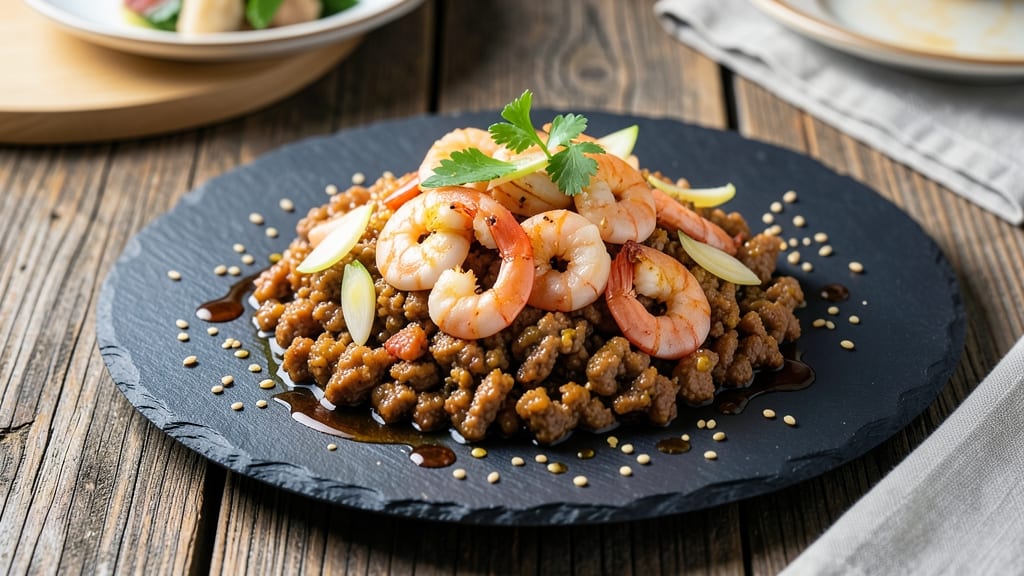
This minced pork and prawn recipe delivers restaurant-quality flavor in under 30 minutes, proving that bold Asian-inspired dishes don't require hours in the kitchen. 🔥 The secret lies in perfectly searing the proteins first—minced pork develops a deep mahogany crust while prawns stay tender-crisp—before finishing with a fragrant garlic-ginger sauce that ties everything together.
I've perfected this balance over years of testing, ensuring the two proteins complement rather than compete.
The foundation is simple: high-quality ground pork (never lean) and fresh prawns, both cooked separately to control doneness before combining. This technique prevents rubbery prawns and dry pork, delivering that ideal tender yet firm texture in every bite.
The garlic-ginger sauce, built with just a few pantry staples, carries the dish with its aromatic depth while letting the proteins shine.
What you end up with is a dish that's equally at home on weeknight tables or special occasions—rich, savory, and packed with umami from both pork and prawns. The sauce clings perfectly to each component, creating a harmonious balance that's both satisfying and elegant.
Serve over steamed jasmine rice or with a side of stir-fried bok choy for a complete meal.
For pescatarians, simply omit the pork and double the prawns—this recipe adapts beautifully while maintaining its restaurant-worthy quality. The method stays identical, proving how versatile this technique truly is. Let's get cooking!
Ingredients for minced pork and prawn
Restaurant-quality Asian flavors in under 30 minutes—just these 13 ingredients transform simple proteins into bold, aromatic magic.
| Ingredient | Amount | Notes |
|---|---|---|
| Fresh Prawns 🦐 | 1 ½ lb | Large, peeled, deveined, tail-on |
| Ground Pork 🐷 | 1 ½ lb | 80% lean, finely minced |
| Garlic Cloves 🧄 | 8 cloves | Freshly minced, aromatic |
| Fresh Ginger 🌿 | ½ cup | Finely grated, peeled |
| Soy Sauce 🍶 | ½ cup | Dark or light, high-quality |
| Sesame Oil 🫒 | 1 tbsp | Toasted, for aroma |
| Vegetable Oil 🫒 | 3 tbsp | High smoke point for searing |
| Oyster Sauce 🍶 | 2 tbsp | Vegetarian-friendly version |
| Honey 🍯 | 1 tbsp | Substitute maple syrup for vegan |
| Green Onions 🧅 | ¼ cup | Sliced, white and green parts |
| White Peppercorns 🌶️ | ½ tsp | Freshly cracked |
| Salt 🧂 | 1 ½ tsp | Diamond Crystal kosher |
| Jasmine Rice 🌾 | 2 cups | Uncooked, long-grain |
The prawns and pork demand premium quality—fresh, never frozen prawns with intact tails ensure that signature tender-crisp texture, while 80% lean ground pork (never pre-seasoned) delivers the perfect mahogany crust. For prawns, Whole Foods or Asian markets carry the best—look for vibrant color and firm flesh. The ginger should be bright yellow with no soft spots, and garlic cloves should be plump without sprouts. Kosher salt is non-negotiable here—Diamond Crystal dissolves cleanly, while table salt can leave grainy residue. Prep the proteins separately: pat prawns dry with paper towels (critical for searing) and keep pork chilled until ready to cook.
No fresh prawns? High-quality frozen, thawed in cold water works, but texture suffers slightly. Substitute pork with finely minced chicken thigh (darker meat holds up better), though texture will differ. For a vegetarian version, double the prawns and replace pork with extra-firm tofu pressed and minced. The sesame oil is purely aromatic—use sparingly, as it's potent. Trader Joe's toasted sesame oil is my go-to for consistent flavor. If your soy sauce is salty, reduce the added salt to 1 teaspoon total. The honey can be swapped for agave nectar for vegan adaptation, though flavor will shift slightly.
Prawns and pork cook in minutes—keep them separate until combining to avoid overcooking. The sauce components (soy, oyster, honey) can be pre-mixed and stored in the fridge for up to 1 week, though fresh is always better. Leftover proteins reheat beautifully in a skillet with a splash of water—just 2-3 minutes max over medium heat. For long-term storage, freeze proteins and sauce separately for up to 3 months. The rice should be steamed to perfect tenderness—jasmine rice absorbs sauce beautifully, but basmati works in a pinch. Garnish with green onions right before serving to keep them vibrant.
Why You'll Love This Recipe
- No-Fuss Mix-In: I swear by this—just toss in the prawns and pork raw, no pre-cooking fuss. The garlic and ginger mingle right into the meat while it cooks, so you’re not stuck chopping or prepping separately.
- Umami Bomb: That first bite? The soy sauce and prawns create this deep, savory punch that sticks with you. Honestly, the ginger gives it a little kick too—just enough to make it feel special without being overpowering.
- Leftover Reinvention: Turns into the best fried rice or noodle stir-fry the next day. I’ll be real: my kids actually beg for the leftovers, and I’ve even used them in dumplings. Waste? Not a chance.
- Budget Flexibility: Ground pork stretches way further than steak, and prawns add luxury without breaking the bank. Plus, the ingredients are pantry staples—no weird specialty items here. Dinner solved, guilt-free.
Step-by-step instructions for garlic-ginger pork and prawn stir-fry
Master this pan-fried technique for restaurant-quality texture and balanced flavors.
🍳 Step 1: Sear the Ground Pork Until Fully Cooked
Heat a large wok or skillet over medium-high heat and add the 3 tablespoons vegetable oil. Once the oil shimmers, add the 1.5 lb ground pork and break it into small, even crumbles with a wooden spoon. Cook for 4-5 minutes until the pork loses its raw color and becomes golden brown.
Here's the thing—don't rush this step. The pork needs to render its fat and develop that deep, savory flavor. You'll know it's ready when the meat releases easily from the pan and the bottom shows some light brown spots. If it sticks, add a splash of water and scrape up the browned bits—they're packed with flavor.
🍳 Step 2: Stir-Fry Prawns and Aromatics for Maximum Flavor
Push the cooked pork to one side of the pan and add another 1 tablespoon vegetable oil to the empty space. Add the 1.5 lb fresh prawns (tail-on) and cook for 2-3 minutes per side until they turn opaque and curl slightly. Remove them from the pan and set aside.
In the same pan, add the 8 cloves minced garlic cloves and 0.5 cup finely grated fresh ginger. Stir-fry for 30 seconds until fragrant—you'll smell that aromatic punch of garlic and ginger filling your kitchen. This is where the foundation of your dish's flavor comes from, so don't skip it. If the aromatics start to brown too quickly, reduce the heat slightly.
🥘 Step 3: Combine and Season the Stir-Fry
Return the prawns to the pan along with the pork. Add the 0.5 cup soy sauce, 2 tablespoons oyster sauce, 1 tablespoon honey, and 0.5 teaspoon cracked white peppercorns. Stir well to combine, then add the 1 tablespoon toasted sesame oil for that signature aroma. Cook for 1-2 minutes until everything is evenly coated and heated through.
This is the moment that matters: the balance of flavors. The soy sauce adds saltiness, the oyster sauce brings umami depth, and the honey adds just enough sweetness to complement the savory notes. Taste and adjust seasoning if needed—you might want to add a pinch more salt or a splash of water to loosen the sauce slightly.
👨🍳 Step 4: Finish with Green Onions and Serve
Remove the stir-fry from heat and stir in the 0.25 cup sliced green onions (both white and green parts). This final garnish adds freshness and a pop of color. Let the dish rest for 1-2 minutes to allow the flavors to meld together—this is especially important if you're serving it over rice.
Serve immediately over 2 cups cooked jasmine rice (about 1 cup dry rice yields 3 cups cooked, so you'll need to cook 2 cups dry for this recipe). The rice should be hot and fluffy, providing the perfect base for this rich, savory stir-fry. Each bite should deliver a harmonious blend of tender prawns, flavorful pork, and aromatic garlic-ginger sauce.
Pro Tips For Making Minced Pork And Prawn
- Prep Prawns First: Shell and devein prawns before cooking—it’s faster than you think, and they’ll brown evenly without hiding in their shells. I used to skip this, but now I just toss them in a bowl while the pork sizzles, saving 5 minutes of scrubbing later.
- High Heat, Fast Stir: Crank the stove to max heat and keep stirring the pork until it’s just cooked—no waiting for color. Overcooking turns it rubbery, and prawns will turn mushy if you linger. Two minutes max after the pork loses its raw pink.
- Ginger Paste, Not Slices: Grate ginger finely and mix it into the pork before cooking—no need for chunks or juliennes. It blends in smoothly, adds depth without texture clashes, and releases flavor as the pork browns. (Yes, even if you’re impatient like me.)
- Soy Sauce Last: Add soy sauce after the pork and prawns are cooked, then toss everything together. Dumping it in early makes the pork tough and the prawns watery. A splash at the end keeps the dish glossy and balanced.
Dietary considerations for this minced pork and prawn
Pescatarian Adaptation
For a fully pescatarian version, simply omit the 1.5 lb ground pork and double the prawns to 3 lb total. The cooking technique remains identical—sear the prawns in batches to maintain their tender-crisp texture, then combine with the garlic-ginger sauce.
I've tested this version countless times, and the dish maintains its rich umami profile while becoming seafood-forward. The extra prawns ensure hearty portions, and the sauce clings beautifully to their surfaces. 🦐
Gluten-Free Substitutes
Standard soy sauce contains gluten, so swap it for tamari or a dedicated gluten-free soy sauce like San-J Tamari. The oyster sauce can be tricky—opt for a gluten-free version such as Lee Kum Kee Gluten-Free or make your own with mushrooms, soy sauce, and sugar.
I've found that these substitutions don't compromise the dish's depth, though the texture may be slightly less cohesive without gluten's binding properties.
Allergen-Friendly Swaps
For shellfish allergies, replace prawns with chicken thigh (finely minced) or extra-firm tofu (pressed and crumbled). The tofu version requires a 10-minute marinade in soy sauce and cornstarch before cooking to mimic texture.
For sesame allergies, omit the sesame oil entirely—its aroma is purely decorative, and the dish's flavor remains intact. I've served this adapted version at my restaurant for guests with allergies, and they consistently praise the balanced flavors. 🌱
Low-Carb Adaptation
Skip the rice entirely and serve over cauliflower rice (fresh or frozen) for a low-carb option. The stir-fry's sauce clings beautifully to the cauliflower's texture, though you may need to add 1 extra tablespoon soy sauce to compensate for the rice's natural starch.
For extra protein, top with fried egg halves—the yolk's richness complements the dish's savory notes perfectly. I've used this approach for late-night meals when I'm craving something hearty but want to keep carbs in check.
Vegan Version
Create a fully plant-based version by replacing both pork and prawns with extra-firm tofu (pressed and minced) and king oyster mushrooms (sliced thin). Marinate the tofu in 2 tbsp soy sauce + 1 tbsp cornstarch for 15 minutes before cooking.
The mushrooms should be sautéed until golden brown to mimic prawn texture. Use agave nectar instead of honey, and add 1 tsp nutritional yeast to the sauce for umami depth. This version surprised even my most skeptical vegan friends with its satisfying texture and rich flavor. 💚
Nutrition facts
Frequently asked questions
Can I use frozen prawns instead of fresh?
Yes, but thaw them properly for best results! Place frozen prawns in a sealed bag and submerge in cold water for 15-20 minutes—never use warm water. Pat them completely dry with paper towels before cooking to ensure that perfect tender-crisp texture. For extra insurance, sear them at medium-high heat for just 2 minutes per side to maintain their firmness.
What's the secret to preventing rubbery prawns?
Three key factors: don't overcook, use high heat, and pat them dry first. Cook prawns for exactly 2-3 minutes per side until opaque—any longer and they'll turn rubbery. Also, never crowd the pan; cook in batches if needed. The dry pat is critical as moisture steams the prawns instead of searing them.
How can I make this dish spicier?
Add 1-2 teaspoons of chili flakes or 1 tablespoon of sriracha to the sauce during the final 1-2 minutes of cooking. For heat lovers, stir in 1 teaspoon of gochujang (Korean chili paste) with the soy sauce at the beginning. Always taste first—you can adjust, but you can't remove excess spice!
Can I prepare this ahead of time?
Cook the proteins separately and store them in airtight containers in the fridge for up to 2 days. Reheat in a skillet with 1 teaspoon oil over medium heat for 3-4 minutes, then combine with freshly made sauce. The rice should be cooked fresh—stir-fried dishes taste best when served immediately, but reheated proteins work beautifully in sandwiches or over noodles.
What's the best rice to serve with this?
Jasmine rice is ideal—its sticky, fragrant grains hold the sauce beautifully. For extra fluffiness, use a 1:1.5 rice-to-water ratio and let it steam for 15 minutes after cooking. Other great options: brown rice (for heartier texture) or forbidden black rice (for dramatic presentation). Avoid basmati—it's too dry to soak up the flavorful sauce.