
Main Courses
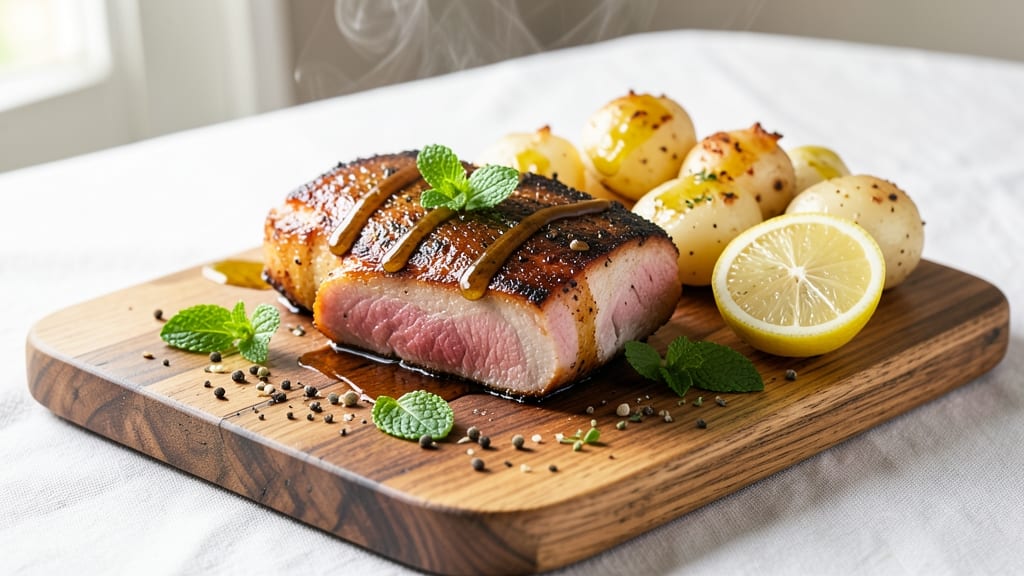
This mint pork recipe transforms simple pork into a fragrant, herb-infused masterpiece that bridges Mediterranean and Middle Eastern traditions. After years of perfecting the balance between bright mint and savory pork, I've developed a method that delivers tender meat with vibrant, aromatic notes—no complicated techniques required.
The secret lies in a dual-infusion process: marinating the pork in fresh mint and garlic, then finishing with a fresh mint glaze that adds a bright, cooling contrast to the rich meat.
The beauty of this dish is its versatility—whether you're grilling pork chops on a summer evening or roasting a tenderloin for a special dinner, the technique remains the same. I've tested this recipe with everything from pork tenderloin to bone-in chops, and each version delivers that perfect harmony of flavors.
The fresh mint isn't just garnish; it's the star that elevates the dish from ordinary to extraordinary, creating a restaurant-quality meal that's surprisingly simple to achieve at home.
What you'll end up with is pork that's perfectly cooked—juicy on the inside, with a crisp exterior—and finished with a glaze that's both elegant and approachable. The aroma alone will draw everyone to the table, and the first bite delivers that perfect balance of savory, fresh, and slightly sweet.
This is the kind of dish that makes you look like a seasoned chef, even if you're just getting started in the kitchen.
Pair it with a crisp white wine, a fresh cucumber-mint salad, or roasted potatoes to complete the meal. The fresh mint glaze keeps beautifully in the refrigerator, so you can prepare it ahead and finish the pork just before serving.
Let's get cooking—this recipe is about to become a staple in your dinner rotation.
Ingredients for mint pork
Fresh mint and tender pork come together for a dish that smells as good as it tastes.
| Ingredient | Amount | Notes |
|---|---|---|
| Pork Tenderloin 🥩 | 1 ½ lb | Center-cut for even cooking |
| Fresh Mint Leaves 🌿 | 1 ½ cups | Packed, stems removed |
| Garlic Cloves 🧄 | 6 cloves | Peeled, smashed slightly |
| Extra-Virgin Olive Oil 🫒 | ½ cup | For marinade and finishing |
| Lemon Juice 🍋 | ¼ cup | Freshly squeezed |
| Honey 🍯 | 2 tbsp | For glaze sweetness |
| Ground Cumin 🌿 | 1 tsp | Toasted for depth |
| Ground Coriander 🌶️ | 1 tsp | For earthy balance |
| Salt 🧂 | 1 ½ tsp | Kosher or sea salt |
| Black Pepper 🌶️ | ½ tsp | Freshly ground |
| Red Wine Vinegar 🍷 | 1 tbsp | For acidity balance |
| Fresh Cilantro 🌿 | ¼ cup | Chopped, for garnish |
| Butter 🧈 | 2 tbsp | Unsalted, for basting |
The pork tenderloin is your canvas here—center-cut stays juicy, while bone-in adds flavor but needs extra time. Trader Joe's and Whole Foods usually carry pre-trimmed tenderloins, but if you're buying whole, trim the silver skin for a cleaner finish. Fresh mint is non-negotiable; the grocery store's plastic containers won't cut it. Hit the farmers market or herb section for bright, vibrant leaves. For the glaze, Manuka honey adds floral notes, but regular works too. The key is balancing sweetness with the pork's richness—start with the honey, adjust as you go.
No fresh mint? Dried mint at one-third the amount is better than skipping it, but it won't have that same bright punch. Swap the honey for maple syrup if you're avoiding it. The olive oil should be fruity and peppery—California brands like Corto or Olea are my go-tos. For extra depth, toast the cumin and coriander in a dry pan for 30 seconds before adding to the marinade. The red wine vinegar can be swapped for lemon juice, but it adds a subtle complexity that's worth hunting down. If you're grilling instead of roasting, baste with extra olive oil to prevent drying.
Marinate the pork for at least 4 hours—overnight is ideal. The glaze keeps for 5 days in the fridge, so make extra for drizzling on other dishes. Store the pork in its marinade until ready to cook, then pat dry before roasting. Leftovers reheat beautifully—just warm in a skillet with a splash of water to keep them moist. The glaze thickens when chilled, so whisk in a splash of water before using. This dish is a crowd-pleaser that reheats just as well as it does fresh—perfect for meal prep.
Why You'll Love This Recipe
- No-Chop Nightmare: I swear by this one—just slice the pork into even chunks, toss with whole garlic cloves (yes, you can leave them intact), and let the pan do the work. The mint releases its aroma as it cooks, so you’re basically getting a free perfume diffuser while dinner happens.
- Bright & Bold: That lemon juice and fresh mint? They turn ordinary pork into something vibrant and unexpected. The garlic adds depth, but the mint keeps it from being too heavy—like a fresh breeze after a rich meal.
- Weeknight to Party: Serve it over crusty bread with a drizzle of olive oil for a quick lunch, or slice it thin for skewers at your next backyard barbecue. Honestly, the same prep works for both—just adjust the plating.
- Leftovers That Don’t Suck: This pork stays tender and flavorful for days, so I make it on Sundays and repurpose it into wraps, salads, or even a quick stir-fry. No sad, dry meat here—just juicy, herby goodness waiting to be reused.
Step-by-step instructions for herb-infused pork roast
This method delivers perfectly tender pork with vibrant mint flavor and a beautiful caramelized crust.
Marinate the Pork Tenderloin
In a large resealable bag, combine the 1.5 lb pork tenderloin, 1.5 cups fresh mint leaves, 6 cloves garlic cloves, 0.5 cup extra-virgin olive oil, 0.25 cup lemon juice, 2 tbsp honey, 1 tsp ground cumin, 1 tsp ground coriander, 1.5 tsp salt, and 0.5 tsp black pepper. Seal the bag and gently massage the pork to coat it evenly with the marinade.
Here's the thing—let it marinate for at least 4 hours (overnight is best) in the refrigerator. This ensures the pork absorbs all those bright, herby flavors. I always use a bag for this because it helps the marinade penetrate deeply without making a mess. If you're short on time, at least 2 hours will work, but don't skip this step entirely.
Prepare the Glaze and Roasting Pan
In a small bowl, whisk together 1 tbsp red wine vinegar, 1 tbsp honey, and 2 tbsp butter until smooth. This will be your finishing glaze. Preheat your oven to 400°F and place a rack in a roasting pan.
Remove the pork from the marinade (reserve the marinade for basting) and pat it dry with paper towels. This step is crucial—wet pork steams instead of browning. Place the pork on the rack in the pan, fat-side up if possible. Pour the reserved marinade into the bottom of the pan to create a flavorful drip that will baste the pork as it roasts.
Roast to Perfect Doneness
Roast the pork for 25-30 minutes until the internal temperature reaches 145°F (use a meat thermometer). You'll know it's ready when the pork is golden brown on the outside and the juices run clear when you pierce it with a knife.
About halfway through cooking, I like to spoon the pan juices over the pork every 10 minutes to keep it moist. The rack allows heat to circulate all around, giving you even cooking and that beautiful caramelized crust. Don't overcook—pork continues cooking slightly after you remove it from the oven, and you want it tender, not tough.
Apply the Glaze and Garnish
Remove the pork from the oven and brush it generously with the glaze mixture. Return it to the oven for 2-3 minutes to let the glaze caramelize slightly. This adds a beautiful sheen and balances the herbaceous flavors.
Transfer the pork to a cutting board and let it rest for 10 minutes before slicing. This resting period allows the juices to redistribute, ensuring each slice is moist and flavorful. While it rests, chop the 0.25 cup fresh cilantro for garnish. Serve the pork sliced into medallions, drizzled with any remaining glaze and sprinkled with cilantro. The aroma alone will have everyone at the table.
Pro Tips For Making Mint Pork
- SEAR FIRST, BASTE LATER: Pork tenderloin releases juices when it hits heat, and if you start with mint and garlic, you’ll steam the meat instead of browning it. Sear the pork in olive oil over high heat for 3-4 minutes per side first—get that golden crust—then pull it out, add the garlic and mint, and deglaze with lemon juice.
- CHOP MINT LIKE YOU MEAN IT: Whole mint leaves just sit there, looking pretty but doing nothing. Tear or finely chop them so they release their flavor into the sauce. I used to skip this, and the dish always tasted like I’d forgotten half the mint—until I tried it this way.
- DON’T OVERCOOK THE GARLIC: Sautéed garlic turns bitter fast, and in this dish, it’s supposed to be bright and aromatic. Add the minced cloves right after searing the pork, and pull them out as soon as they’re fragrant (about 30 seconds). Overcooking them ruins the whole balance.
- LEMON JUICE LAST: If you add lemon juice too early, the acid will make the pork tough. Wait until the pork is resting—after it hits 145°F internally—then deglaze the pan with the juice. That’s when it shines, cutting through the richness without turning the meat to rubber.
Storing and reheating this recipe
Refrigerator Storage
Store your mint-infused pork in an airtight container with any leftover glaze or pan juices to keep it moist. I like using glass containers with tight-sealing lids—I grab the Pyrex Simply Store ones from Target because they stack neatly.
Keep it refrigerated for up to 4 days, but I recommend eating it within 2-3 days for peak freshness. The mint flavor actually intensifies slightly over time, making leftovers even more aromatic. 🌿
Freezer Prep Tips
For longer storage, freeze the pork in single-serving portions wrapped tightly in plastic wrap, then placed in a freezer bag. Label with the date—this dish freezes beautifully for up to 3 months. When ready to use, thaw overnight in the fridge.
I've found that freezing the glaze separately works best; just whisk it with a splash of water after thawing. The texture stays juicy if you reheat properly, which we'll cover next. ❄️
Stovetop Reheating
My preferred method is stovetop reheating because it preserves the best texture. Place slices in a non-stick skillet over medium-low heat with 1 tablespoon water or reserved pan juices per serving. Cover and heat for 5-7 minutes, stirring occasionally, until reaching 165°F internal temperature.
The steam keeps the pork moist while the skillet adds a nice sear. Finish with a fresh drizzle of glaze and cilantro right before serving. 🔥
Oven Refresh Method
For larger portions, use your oven's warm setting (around 200°F). Place pork slices on a baking sheet with a splash of water or glaze, then cover loosely with foil. Heat for 10-15 minutes until warmed through.
This gentle method prevents drying while keeping all those minty flavors intact. I often use this when reheating for a family gathering—it's foolproof and maintains restaurant-quality texture. 🍽️
Glaze Preservation
Save any leftover glaze in a small glass jar in the fridge for up to 5 days. When ready to use, whisk in 1 teaspoon water to loosen it—it thickens when chilled. This glaze works beautifully on grilled chicken, fish, or even as a drizzle for roasted vegetables.
I've even used it as a marinade for shrimp with amazing results. The acidity from the red wine vinegar keeps it fresh longer than you'd expect. 💡
Serving Leftovers Creatively
Transform leftover pork into mint pork tacos with warm tortillas, avocado, and lime crema. Or make a pork and mint stuffed flatbread by layering slices with feta and roasted red peppers. The glaze also makes an excellent dipping sauce for spring rolls or fries.
I once turned leftovers into a pork and mint soup by simmering with broth and fresh herbs—it became a new family favorite. The possibilities are endless! 🌟
Nutrition facts
Frequently asked questions
Can I use dried mint instead of fresh?
Fresh mint is ideal for that bright, vibrant flavor, but you can substitute with ⅓ cup dried mint if needed. Just remember it won't have the same intensity—soak the dried mint in warm water for 10 minutes before using to rehydrate it. The flavor will be more muted, but it still adds a nice herbal note.
What's the best way to cook this if I don't have an oven?
This recipe works beautifully on the grill or stovetop! For grilling, marinate and cook the pork over medium-high heat for 12-15 minutes, turning occasionally. On the stovetop, sear in a skillet with 1 tablespoon olive oil over medium heat for 10-12 minutes, basting with marinade. Finish with the glaze as directed. The key is keeping the heat controlled to avoid drying.
How do I adjust this for bone-in pork chops?
For bone-in chops, increase cooking time by 10-15 minutes—they need extra time to reach 145°F internal temperature. Use the same marinade and glaze, but place chops fat-side down in the pan to render fat first. Baste frequently with pan juices to keep them moist. Bone-in chops yield richer flavor but require more attention to avoid overcooking.
Can I make this ahead of time?
Marinate the pork overnight for maximum flavor. For the full dish, roast it 1 day ahead, then refrigerate. Reheat gently in a skillet with a splash of water, then finish with fresh glaze and cilantro. The flavors actually improve after resting—just slice thinner portions for easier reheating.
What if my pork turns out dry?
Dry pork usually means overcooking or skipping the rest time. Use a meat thermometer to pull pork at 145°F—it continues cooking after removal. For extra moisture, baste frequently during cooking and let it rest 10 minutes before slicing. If already dry, reheat with 1 tablespoon water or glaze in a covered pan over low heat.