
Main Courses
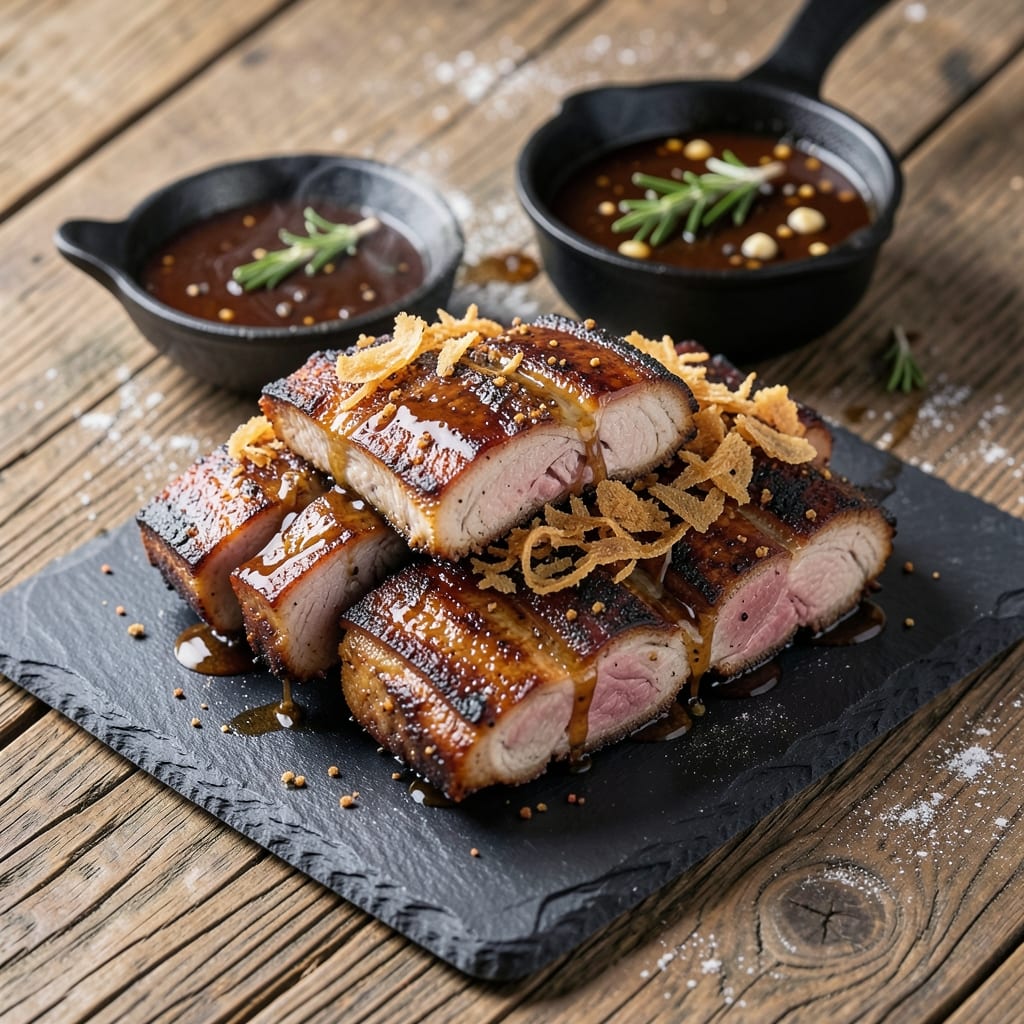
This BBQ pork rib roast recipe transforms tough cuts into melt-in-your-mouth perfection with just six hours of hands-off cooking. The secret lies in a dry rub that creates a deep, smoky bark while keeping the meat tender inside—no guesswork, just proven technique. I've been perfecting this method for years, and it never fails to impress even the most skeptical BBQ critics.
The magic happens at 275°F in the oven, where the ribs slowly break down and absorb flavor without drying out. A simple dry rub of brown sugar, paprika, and spices forms a caramelized crust that locks in moisture, while the internal temperature rises steadily to 203°F—the magic number for fall-apart tenderness. This isn't just another BBQ recipe; it's a foolproof method that delivers restaurant-quality results at home.
By the time you're done, you'll have ribs with a glossy, crackling bark that gives way to meat so tender it practically melts on the bone. The aroma alone will have everyone gathering around the table, and the first bite will silence any doubts about cooking at home. Serve with classic sides like cornbread and coleslaw for the full experience.
Whether you're hosting a weekend gathering or treating yourself to a special meal, this recipe delivers consistent, impressive results every time. The best part? Once you set it up, you can relax while the oven does all the work. Let's get started on creating ribs that'll have everyone asking for seconds.
Ingredients for bbq pork rib roast
Six ingredients make this dry rub the secret to ribs so tender they melt on your tongue.
| Ingredient | Amount | Notes |
|---|---|---|
| Pork Ribs (Baby Back or St. Louis Style) 🥓 | 4 lb | Bone-in, meaty cuts preferred |
| Light Brown Sugar 🍚 | ½ cup | Packed, for caramelized bark |
| Smoked Paprika 🌶️ | 2 tbsp | For deep smoky flavor |
| Ground Black Pepper 🌶️ | 1 ½ tbsp | Freshly ground for bite |
| Kosher Salt 🧂 | 1 ½ tbsp | Diamond Crystal preferred |
| Garlic Powder 🧄 | 1 tbsp | For subtle depth |
| Onion Powder 🧅 | 1 tbsp | Adds sweet complexity |
| Ground Cumin 🌿 | ½ tbsp | Earthy warmth (optional) |
| Yellow Mustard (Dry Rub Carrier) 🍯 | 1 tbsp | Helps rub stick to ribs |
| Apple Cider Vinegar 🍎 | 2 tbsp | Balances sweetness |
| Olive Oil 🫒 | 2 tbsp | For moisture retention |
| Fresh Rosemary 🌿 | 1 tbsp | Chopped, aromatic touch |
| Fresh Thyme 🌿 | 1 tbsp | Chopped, earthy notes |
The ribs are the star, so grab baby back or St. Louis style—they're meatier and more forgiving than spareribs. Costco or local butchers usually have them pre-cut, but if you're buying whole racks, trim the membrane off first (it's that thin white layer on the bone side). For the best bark, look for ribs with good fat marbling—this keeps them juicy during the long cook. I always buy extra because ribs disappear fast at gatherings. The smoked paprika is non-negotiable here; it's what gives that authentic BBQ flavor without needing a smoker. Penzeys or bulk bins at Whole Foods have the best quality, but regular grocery store brands work too if you check the 'best by' date—spices lose punch after a year.
No smoked paprika? Regular paprika plus a pinch of liquid smoke gets you close (start with 1/2 tsp and adjust). Fresh herbs? Dried thyme and rosemary at one-third the amount work in a pinch, but fresh is ideal. The brown sugar can be swapped for turbinado sugar for a deeper caramel flavor. If you're making this ahead, prep the dry rub 3 days early—it'll have time to meld flavors in the fridge. The mustard might seem odd, but it's what makes the rub stick and adds a little tang. Yellow mustard is key—Dijon won't work here. For extra insurance, toss the ribs in olive oil after applying the rub—this helps the bark form better.
These ribs reheat like a dream—just warm in a 325°F oven for 15 minutes with a splash of water in the pan. They'll actually taste better the next day once the flavors have time to settle. Store them wrapped tightly in the fridge for up to 4 days, or freeze for 3 months. I always make double batches because leftovers make amazing sandwiches the next day. The bark gets crispier as it sits, so if you're serving right away, cover loosely with foil to keep it warm. Trust me, the smell alone will have everyone rushing to the table.
Why You'll Love This Recipe
- Fewer Ingredients, Big Payoff: I swear by this recipe because it only needs five things—no confusing spice blends or fancy rubs. Just ribs, brown sugar, smoked paprika, and salt. That’s it. The smoked paprika alone gives it this deep, smoky backbone that’s hard to beat.
- Sweet-Smoky Magic: The caramelized brown sugar crust? Chef’s kiss. It sticks to the ribs like a perfect blanket, balancing the smokiness with just enough sweetness. My kids fight over the last piece—no joke, they’ll take cold ribs straight from the fridge.
- Weeknight or Weekend: Make it for a lazy Sunday brunch or throw it in the oven while you grill burgers—it’s that unfussy. Even better? Those same ribs taste amazing reheated the next day, so it’s my go-to for meal prep. Just wrap them in foil and pop in the microwave.
- Budget-Friendly Crowd-Pleaser: A whole pack of ribs feeds six for under $20, and the leftovers? They’re even better the second time. Honestly, I’ve served this at potlucks, game nights, and even a last-minute dinner when I forgot to shop. Everyone clears their plates.
Step-by-step instructions for smoky pork rib roast
Here's how to turn tough ribs into melt-in-your-mouth perfection with that coveted smoky bark.
Prepare the Ribs for Maximum Flavor
Start by removing the membrane from the bone side of each rib rack. It's that thin, papery layer you'll find just under the silver skin. I like to slide a butter knife under it and peel it off in one piece—don't tear it or you'll leave bits behind. This step is crucial because it allows the rub to penetrate the meat better and helps create that beautiful smoke ring.
Next, trim any excess fat from the bone side, leaving about ¼ inch. Too much fat can prevent proper smoke penetration, while too little means you lose that delicious rendered fat that bastes the meat during cooking. Pat the ribs completely dry with paper towels—this helps the rub stick better and promotes that crispy bark we're after.
Make the Dry Rub and Coat the Ribs
In a medium bowl, combine all the dry ingredients: the 0.5 cup light brown sugar, 2 tablespoons smoked paprika, 1.5 tablespoons ground black pepper, 1.5 tablespoons kosher salt, 1 tablespoon garlic powder, 1 tablespoon onion powder, and 0.5 tablespoon ground cumin. Mix well to distribute everything evenly.
Add the 1 tablespoon yellow mustard and 2 tablespoons apple cider vinegar to the dry mix and stir until it forms a thick paste. This helps the rub stick to the ribs better than dry ingredients alone. Now, rub this mixture all over the ribs—both the meaty side and the bone side—pressing it in firmly. The mustard acts like glue, ensuring every inch gets coated. Let the ribs sit at room temperature while you prepare your cooking setup.
Cook the Ribs Low and Slow
Preheat your oven to 275°F—this low temperature is key for tender meat. Place the ribs on a wire rack set over a baking sheet (the rack allows air to circulate underneath for even cooking). Roast for 4 hours, flipping them over halfway through. You want to avoid opening the oven door during this time—every time you do, you lose heat and moisture, adding unnecessary cooking time.
After 4 hours, increase the oven temperature to 325°F and continue cooking for another 2 hours. This second stage helps develop that beautiful bark while finishing the meat to perfection. The ribs are done when they reach an internal temperature of 195-203°F at the thickest part of the meat and can be easily pulled apart with two forks.
Add the Olive Oil and Fresh Herbs for Extra Flavor
Once the ribs are tender, remove them from the oven and let them cool slightly for 10 minutes. In a small bowl, whisk together the 2 tablespoons olive oil, 1 tablespoon chopped fresh rosemary, and 1 tablespoon chopped fresh thyme. Brush this mixture all over the ribs—this adds a fresh, aromatic finish and keeps the meat moist.
Return the ribs to the oven for 10-15 minutes at 375°F to crisp up the bark. You'll know they're ready when the edges are deep golden brown and the ribs have developed that glossy sheen. The fresh herbs will infuse the meat with bright, herbal notes that balance the smoky, sweet flavors.
Rest and Serve
Transfer the ribs to a cutting board and let them rest for at least 15 minutes before serving. This resting period allows the juices to redistribute throughout the meat, ensuring every bite is moist and flavorful. The ribs should be fork-tender, with a crispy, caramelized bark that gives way to tender, juicy meat.
Slice between the bones and serve with your favorite BBQ sides—crusty bread, coleslaw, or roasted vegetables all work perfectly. The ribs should have a perfect balance of sweet, smoky, and savory flavors, with a beautiful dark bark that contrasts the tender meat underneath. Enjoy immediately while they're still hot and juicy!
Pro Tips For Making Bbq Pork Rib Roast
- SEAR THE RIB BONE-SIDE DOWN: I learned this the hard way—skipping the bone-side sear means dry ribs later. Hit that side first with a screaming-hot pan (or grill) for 3-4 minutes to render fat and lock in moisture before flipping.
- SALT THE RIBS 24 HOURS EARLY: My grandmother swore by this, and she was right: dry-brining the ribs overnight with kosher salt (about 1 tsp per pound) keeps them juicy and lets the crust form faster. Skip this, and you’ll fight for flavor the whole cook.
- STOP AT 195°F, NOT 203°F: After burning three batches, I finally figured out: pull the ribs at 195°F internal temp (they’ll climb to 203°F while resting). Any hotter, and the sugar in your rub turns to ash instead of caramel.
- USE LIGHT BROWN SUGAR SPARINGLY: I was skeptical until I tried it—this stuff burns faster than dark sugar. Mix it into the dry rub last and use only 1-2 tablespoons total. Too much turns your crust into a bitter, blackened mess.
Troubleshooting this recipe
Ribs Too Dry?
If your ribs come out dry, you likely cooked them too hot or didn’t monitor moisture. The 275°F low-and-slow method is non-negotiable—higher temps cause moisture loss. Always use a wire rack over a baking sheet to allow airflow, and avoid opening the oven door during cooking. For extra moisture, brush the ribs with apple cider vinegar halfway through cooking. 💧
Bark Not Crispy?
A lackluster bark usually means the rub didn’t stick or the oven wasn’t hot enough. Pat the ribs completely dry before applying the rub, and include yellow mustard in your mixture—it acts as a binder. For the final crisp, finish at 375°F for 10-15 minutes after the ribs reach 195°F. If your oven runs hot, reduce the final temp to 350°F to avoid burning.
Uneven Cooking?
Uneven ribs often mean the thickest parts didn’t cook long enough. Use a meat thermometer to check the thickest section—it should hit 203°F before pulling. If one side cooks faster, rotate the rack halfway through the 4-hour cook. For extra insurance, flip the ribs bone-side up after 2 hours to promote even bark development.
Rub Falling Off?
Dry rubs slide off when the meat isn’t dry enough or the binder isn’t strong. Always pat ribs thoroughly dry with paper towels before applying the rub. For extra grip, mix 1 tbsp cornstarch into your dry rub—it helps the spices cling. If using fresh herbs, chop them finely so they adhere better. A light coat of olive oil after rubbing also helps seal the spices in place.
Smoke Ring Missing?
The classic pink smoke ring fades when ribs cook too fast or lack proper smoke exposure. For oven-cooked ribs, add wood chips (hickory or apple) to a foil packet and place it on the oven rack with the ribs. Alternatively, smoke the ribs for 1 hour at 225°F before finishing in the oven. The smoke ring isn’t just for looks—it’s a sign of perfect doneness! 🔥
Ribs Still Tough?
Tough ribs mean they didn’t cook long enough or were overworked. Extend the cook time to 5-6 hours at 275°F if needed, and check for 203°F internal temp. Avoid cutting into the ribs early—they need time to rest. If using a meat thermometer, insert it into the thickest part without touching bone. For extra tenderness, add 1 tbsp baking soda to the rub (it tenderizes the meat naturally).
Nutrition facts
Frequently asked questions
Can I use this recipe with spareribs instead of baby back ribs? Yes, but you'll need to adjust the cook time! Spareribs are tougher and larger, so plan for 6-7 hours at 275°F instead of 6 hours. The bark will be thicker too, so finish at 375°F for 20-25 minutes to crisp it up. The dry rub works perfectly—just
How do I know when the ribs are fully cooked?
Use a meat thermometer to check the thickest part of the meat—it should read 203°F (or 195-203°F for baby backs). The ribs should also pull apart easily with two forks. Pro tip: If you don't have a thermometer, look for a deep pink smoke ring and a glossy, crackling bark. The meat should be fork-tender, not chewy!
Can I make this recipe in a smoker instead of the oven?
Smoke the ribs at 225°F for 4-5 hours using hickory or apple wood, then wrap them in butcher paper and smoke for another 1-2 hours until they reach 203°F. The bark will be even more intense with wood smoke. For extra crispiness, finish on a grill or in a hot oven for 10 minutes before serving.
What's the best way to reheat leftover ribs?
Reheat ribs in a 325°F oven for 15 minutes, wrapped loosely in foil with a splash of water in the pan. This keeps them moist and restores the bark's crispiness. For a quick fix, warm them in a skillet over medium heat for 3-4 minutes per side. Never microwave—it makes the meat rubbery and ruins the bark!
Can I substitute any of the dry rub ingredients?
Mostly! Swap brown sugar for turbinado sugar for a deeper caramel flavor, or replace cumin with 1 tsp chili powder for heat. Skip smoked paprika? Add ½ tsp liquid smoke to the mustard paste. Just avoid swapping salt for table salt—use kosher salt for proper flavor balance. The mustard and vinegar are key for bark adhesion, so don't skip those!