
Main Courses
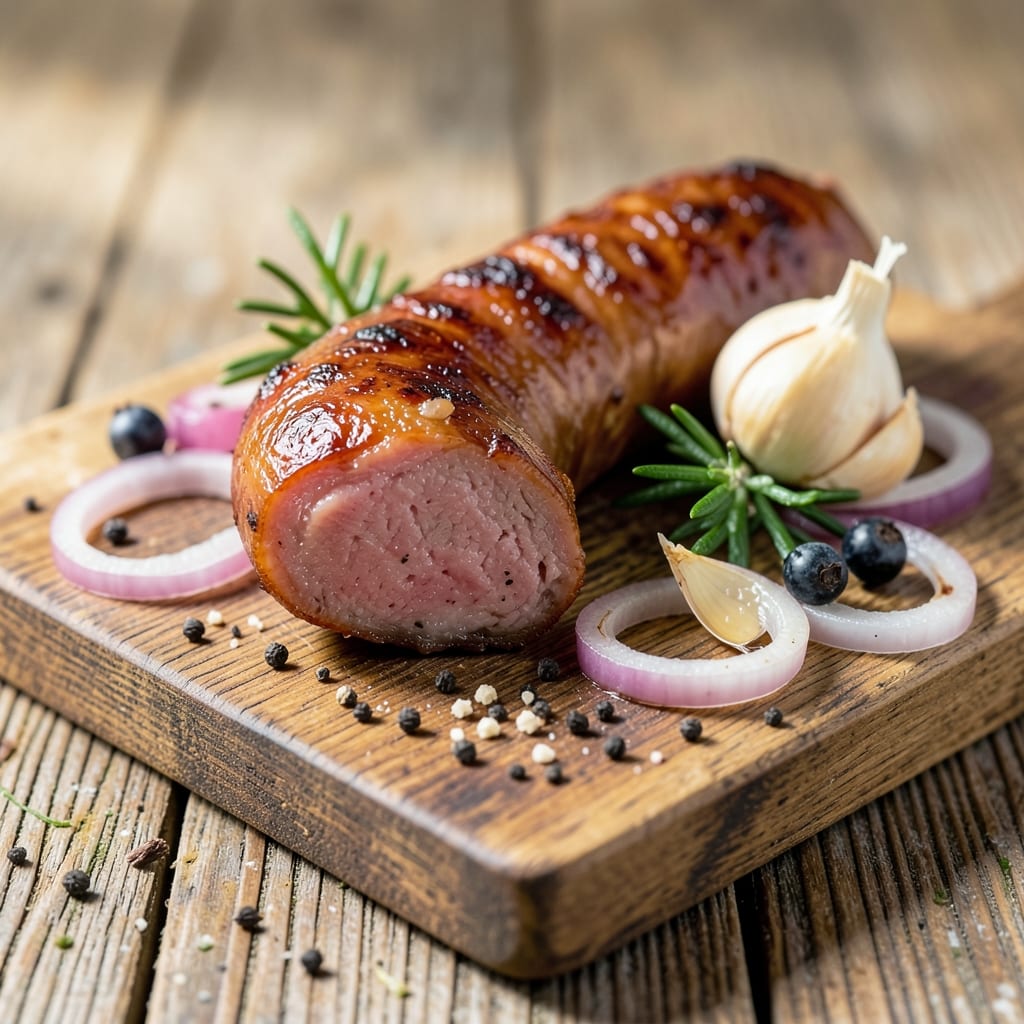
This beef and pork summer sausage recipe brings the bold, smoky flavors of traditional European charcuterie to your kitchen with a modern twist. 🔥 After years of perfecting the balance between freshness and depth, I've developed a method that delivers restaurant-quality results without the complexity. The secret lies in the careful blend of spices and proper curing time—transforming simple ingredients into something truly special.
What sets this recipe apart is the combination of beef and pork, which creates a rich, complex flavor profile that's both tender and satisfying. We'll focus on a straightforward curing process using traditional methods, ensuring safety while building robust flavor. The spices—black pepper, nutmeg, and a touch of juniper—are the backbone of summer sausage, delivering that signature aromatic punch that makes it unforgettable.
The result is a sausage with a perfect texture—juicy inside, slightly firm on the outside—packed with layers of smoky, spiced flavor that lingers. This recipe is designed to be approachable yet impressive, making it ideal for those who want to elevate their home cooking without spending hours in the kitchen. Whether you're serving it at a backyard gathering or enjoying it with crusty bread and mustard, this sausage will be the star.
We'll cover everything from ingredient selection to the final curing process, including tips for achieving the best texture and flavor. This is a recipe that builds on tradition while offering flexibility—perfect for both beginners and seasoned cooks looking to refine their skills. Let's get started on creating something truly remarkable.
Ingredients for beef and pork summer sausage
Bold flavors start with these 14 essential ingredients—where tradition meets modern convenience for perfect summer sausage.
| Ingredient | Amount | Notes |
|---|---|---|
| Ground Beef (80% lean) 🥩 | 3 lb | Coarse grind preferred |
| Ground Pork (80% lean) 🐷 | 3 lb | Freshly ground for texture |
| Yellow Onion 🧅 | 1 whole | Coarsely chopped |
| Garlic Cloves 🧄 | 6 cloves | Freshly minced |
| Fresh Juniper Berries 🌿 | 1 tbsp | Crushed lightly |
| Ground Black Pepper 🌶️ | 2 tbsp | Freshly cracked |
| Ground Nutmeg 🌿 | 1 tsp | Freshly grated |
| Ground Ginger 🌶️ | 1 tbsp | Freshly grated |
| Coarse Kosher Salt 🧂 | 1 ½ tbsp | Diamond Crystal preferred |
| Ground Coriander 🌿 | 1 tbsp | Toasted for depth |
| Ground Fennel Seeds 🌿 | 1 tbsp | Toasted lightly |
| Apple Cider Vinegar 🍎 | ½ cup | For curing |
| Natural Hog Casings 🐖 | 1 package | Size 22-24mm |
| Ice Water ❄️ | 2 cups | For curing bath |
The meat is everything here. Butcher shops often have freshly ground beef and pork blends—ask for 80% lean for that perfect balance of richness and texture. If you're buying pre-ground, Trader Joe's or Costco have solid options, but nothing beats the butcher counter. Look for good marbling—it's what gives summer sausage that melt-in-your-mouth quality. Freshly ground spices make all the difference too: Penzeys or local spice shops are worth the trip for juniper berries and whole spices you can toast yourself. The casings? Charcutepedia sells them online if your local butcher doesn't carry them.
No fresh juniper? Substitute 1 tsp juniper extract—it's potent, so start small. Running short on pork? Swap 1 lb for ground lamb—it adds earthy depth. For the vinegar, apple cider vinegar is non-negotiable—it's what builds that signature tang. The spices can be toasted in a dry pan for 30 seconds before grinding—game-changer for aroma. No casings? Use silicone sausage molds instead, but the texture won't be traditional. And if you're making a big batch, double the curing bath ice water—keeps everything chilled while stuffing.
This sausage keeps beautifully—1 week refrigerated or 3 months frozen. For freezing, wrap each link individually in parchment, then foil. The curing bath water? Save it for marinades—it's packed with flavor. Slice thin for charcuterie boards or grill whole for sandwiches. Pro tip: Let it rest 10 minutes after cooking—the flavors meld like magic. And if you make extra? Gift it. People will think you're a charcuterie magician.
Why You'll Love This Recipe
- Fewer Ingredients, More Impact: I swear by this combo—just beef, pork, onion, garlic, and those little juniper berries. No fancy lists, no last-minute scrambling for obscure spices. The magic happens in the slow cook or oven while you sip coffee and pretend you’re not cooking.
- Juniper Magic: Honestly, I didn’t believe it either—until I tasted it. Those tiny juniper berries add this earthy, piney depth that makes store-bought sausage taste like a sad afterthought. Crumble one between your fingers, toss it in, and watch the flavor pop.
- Picnic to Potluck: Between us, this recipe is my secret weapon for anything. Wrap it in puff pastry for a weekend brunch, slice it for charcuterie, or just eat it straight with mustard and pickles. It’s the one thing I can make ahead that never lets me down—even when I forget to thaw the meat first.
- Budget-Friendly Protein: I buy the 80% lean ground beef and pork in bulk, and this recipe stretches it further than any other I’ve tried. Leftovers? They’re not leftovers—they’re future meals. Freeze half, and you’ve got a backup for when the kids “forget” to text they’re coming home for dinner.
Step-by-step instructions for beef and pork summer sausage
Here's how to craft bold, smoky summer sausage with perfect texture and flavor.
👨🍳 Step 1: Combine the Meat Mixture
In a large mixing bowl, combine the 3 lb ground beef (80% lean) and 3 lb ground pork (80% lean). Use your hands to break up any large clumps and distribute the meat evenly. This step ensures uniform texture throughout your sausage. I like to work the meat until it's cool to the touch—this prevents premature cooking during mixing.
While working the meat, add the coarsely chopped yellow onion and freshly minced garlic cloves (6 cloves). Distribute them evenly through the meat mixture. The onion and garlic will infuse the meat with sweet, aromatic depth as they cook. Don't worry if some pieces remain slightly chunky—this adds texture to the finished sausage.
👨🍳 Step 2: Create the Spice Blend
In a separate bowl, combine all the spices: 1 tbsp fresh juniper berries (lightly crushed), 2 tbsp freshly cracked ground black pepper, 1 tsp freshly grated ground nutmeg, 1 tbsp freshly grated ground ginger, 1.5 tbsp coarse kosher salt, 1 tbsp toasted ground coriander, and 1 tbsp toasted ground fennel seeds. Mix these thoroughly to create a fragrant, aromatic blend.
Here's the thing—freshly toasted spices make all the difference. If you have time, lightly toast the coriander and fennel seeds in a dry skillet over medium heat for 1-2 minutes until fragrant. This enhances their flavor dramatically. Add the 0.5 cup apple cider vinegar to the spice mixture and stir well. The vinegar acts as a natural tenderizer and helps preserve the meat.
🥘 Step 3: Mix and Cure the Sausage
Gradually add the spice mixture to the meat, mixing thoroughly with your hands. Work the spices into the meat until the mixture is completely uniform in color and texture. This should take about 5-7 minutes of active mixing. The goal is to distribute the spices evenly throughout the meat—this ensures consistent flavor in every bite.
Now for the curing step: transfer the meat mixture to a clean, non-reactive container. Pour the 2 cups ice water over the meat and mix gently but thoroughly. The ice water helps set the proteins and creates a more stable emulsion. Cover the container and refrigerate for 24 hours—this curing time is crucial for developing deep flavor and proper texture. Don't skip this step, even if it's tempting!
🔪 Step 4: Stuff the Casings
After the curing period, remove the meat mixture from the refrigerator and let it sit at room temperature for 10-15 minutes to soften slightly. This makes it easier to handle. Rinse and soak the natural hog casings (size 22-24mm) in warm water for 30 minutes to make them pliable.
Attach the casing to a sausage stuffer or funnel. I like to use a sausage stuffer with a ½-inch tube for this recipe. Start stuffing the meat mixture into the casings, working in a steady motion. Don't overfill—the casings should be about 80% full to allow for expansion during cooking. As you stuff, twist the sausage links every 6-8 inches to create individual links. You should end up with about 12 links total, each roughly 6-8 inches long.
🔥 Step 5: Cook the Sausage
Preheat your smoker, grill, or oven to 325°F. If using a smoker, maintain a consistent temperature—fluctuations can lead to uneven cooking. Smoke the sausages for 1.5 hours, turning occasionally to ensure even browning. You'll know they're ready when the internal temperature reaches 160°F and the casings have a deep, mahogany color.
For a more traditional approach, you can also pan-fry the sausages in a skillet over medium heat for 10-12 minutes, turning occasionally, until they're evenly browned and cooked through. The key is to monitor the internal temperature closely—undercooked sausage can be unsafe, while overcooking leads to dry, tough results. Once cooked, let the sausages rest for 5 minutes before serving to allow the juices to redistribute.
Pro Tips For Making Beef And Pork Summer Sausage
- Chill the Meat First: Pop both the beef and pork into the fridge for 20-30 minutes before mixing—it tightens the fibers so the sausage holds together better when you stuff it. I learned this the hard way after watching my first batch fall apart when I jumped straight to grinding. ---
- Toast the Juniper: Lightly toast the fresh juniper berries in a dry pan for 30 seconds until fragrant—this deepens their piney flavor without bitterness. Crush them afterward with the flat of your knife (no mortar needed) for even distribution in the mix. ---
- Don’t Overmix the Batch: Combine the meats, onions, and garlic, then stop stirring after 2-3 minutes—overworking makes the sausage dense and chewy. Use your hands to gently fold in the juniper and any herbs, just until everything clumps loosely. ---
- Sear the Casings: Before stuffing, sear the empty casings in a dry skillet for 10 seconds per side—this removes any factory residue and gives the finished sausage a cleaner taste. Works for both natural and synthetic casings.
Pro cooking tips for beef and pork summer sausage
Meat Temperature Control
Start with meat that's cold to the touch—never warm or room temperature. I learned this the hard way when my first batch turned out greasy from rendered fat. Keep your beef and pork in the freezer until just before mixing, then let them sit in the fridge for 30 minutes to firm up slightly. This prevents the spices from cooking the meat prematurely during mixing. 🌡️
After stuffing, never let the sausages sit at room temperature for more than 2 hours before cooking. Use an instant-read thermometer to check internal temps—160°F is your target. I swear by the ThermoWorks Smoke for this; it's accurate and built to handle smoky environments. If you're grilling, keep a spray bottle handy to mist the sausages occasionally—they'll brown better and won't dry out.
Spice Toasting Secrets
Toast your coriander and fennel seeds in a dry skillet over medium heat for 1-2 minutes until fragrant. This step unlocks their full potential—untosted spices will make your sausage taste bland by comparison. I use a cast iron skillet (one of my vintage pieces) and shake it gently to prevent burning. The moment they release their aroma, remove them immediately and let them cool before grinding. 🌿
For the juniper berries, crush them lightly with a mortar and pestle—just enough to break the skins, not pulverize them. Whole berries add texture, while crushed ones release more flavor. If you can't find fresh juniper, Penzeys sells high-quality dried berries that work in a pinch. Just soak them in warm water for 10 minutes before crushing to soften.
Curing Bath Precision
The 2 cups ice water in the curing bath isn't just for chilling—it's what creates that signature summer sausage texture. Use distilled or filtered water to avoid mineral buildup that can alter flavor. I like to chill the water in the freezer for 10 minutes before adding it to the meat mixture. This keeps everything cold longer during the 24-hour cure. 💧
After mixing, press the meat mixture down firmly in the container to eliminate air pockets. This ensures even curing and prevents uneven texture in the final product. Cover with plastic wrap pressed directly onto the surface to minimize oxidation. Pro tip: Place a small weight (like a plate) on top to keep the meat submerged—this prevents a dry top layer.
Stuffing Like a Pro
Soak your natural hog casings in warm water (not hot) for 30 minutes—this makes them pliable without over-stretching. I use a sausage stuffer with a ½-inch tube attached to a funnel for clean, even filling. Work slowly and steadily—rushing leads to air pockets or uneven links. If the meat mixture feels too firm to stuff, let it sit at room temperature for 5-10 minutes longer. 🐖
Twist your sausages every 6-8 inches using a twisting tool or your fingers. For even links, measure each section against a ruler before twisting. I aim for 6-8 inch lengths—this size cooks perfectly without drying out. If you're new to stuffing, practice with silicone molds first; they're forgiving and help build confidence before working with casings.
Smoking vs. Pan-Frying
For smoking, maintain 325°F with hickory or applewood chips—avoid strong woods like mesquite that can overpower the delicate spice blend. I use a Traeger pellet grill for consistency, but a charcoal smoker works too. The sausages are done when they reach 160°F internally and develop a deep mahogany crust. Let them rest 5 minutes before slicing—this lets the juices redistribute. 🔥
For pan-frying, use a cast iron skillet over medium heat with 1 tbsp rendered pork fat (or neutral oil). Cook 10-12 minutes, turning occasionally, until the casings are crisp and the internal temp hits 160°F. The fat should sizzle but not smoke—if it smokes, reduce the heat. This method gives a slightly crispier exterior while keeping the interior juicy. Serve immediately for the best texture.
Nutrition facts
Frequently asked questions
Why does the recipe call for both beef and pork?
The combination creates a perfect balance of flavors and textures. Beef adds depth and richness while pork contributes juiciness and tenderness. Together, they create a sausage with complex layers that's more interesting than either meat alone. This blend is especially popular in European-style summer sausages where meat quality and texture are paramount.
Can I make this sausage without casings?
Yes! Use silicone sausage molds or form into patties for a casing-free version. The texture will be slightly different—more like a loaf or patty rather than traditional links—but still delicious. For best results, press the mixture firmly into molds and cook as directed. This method works well for beginners practicing the technique.
How long can I store homemade summer sausage?
Unopened links keep for 1 week refrigerated or 3 months frozen. For freezing, wrap each link individually in parchment paper, then foil. Thaw overnight in the fridge before cooking. The curing process actually extends shelf life compared to fresh sausages, making this an excellent make-ahead option for gatherings.
What's the best way to serve these sausages?
Slice thin for charcuterie boards with crackers and mustard, or grill whole for sandwiches. The rich flavor pairs beautifully with sharp cheddar, apples, and dark bread. For a Southern twist, serve with collard greens or cornbread. The smoky spices make it versatile enough for both casual meals and special occasions.
Can I adjust the spice level?
For milder flavor, reduce the black pepper to 1 tbsp. For extra heat, add ½ tsp cayenne pepper or 1 tsp smoked paprika. The juniper berries provide natural depth, so keep them unless you prefer a sweeter profile. Always taste the spice blend before mixing with meat to ensure balance.