
Soups & Stews
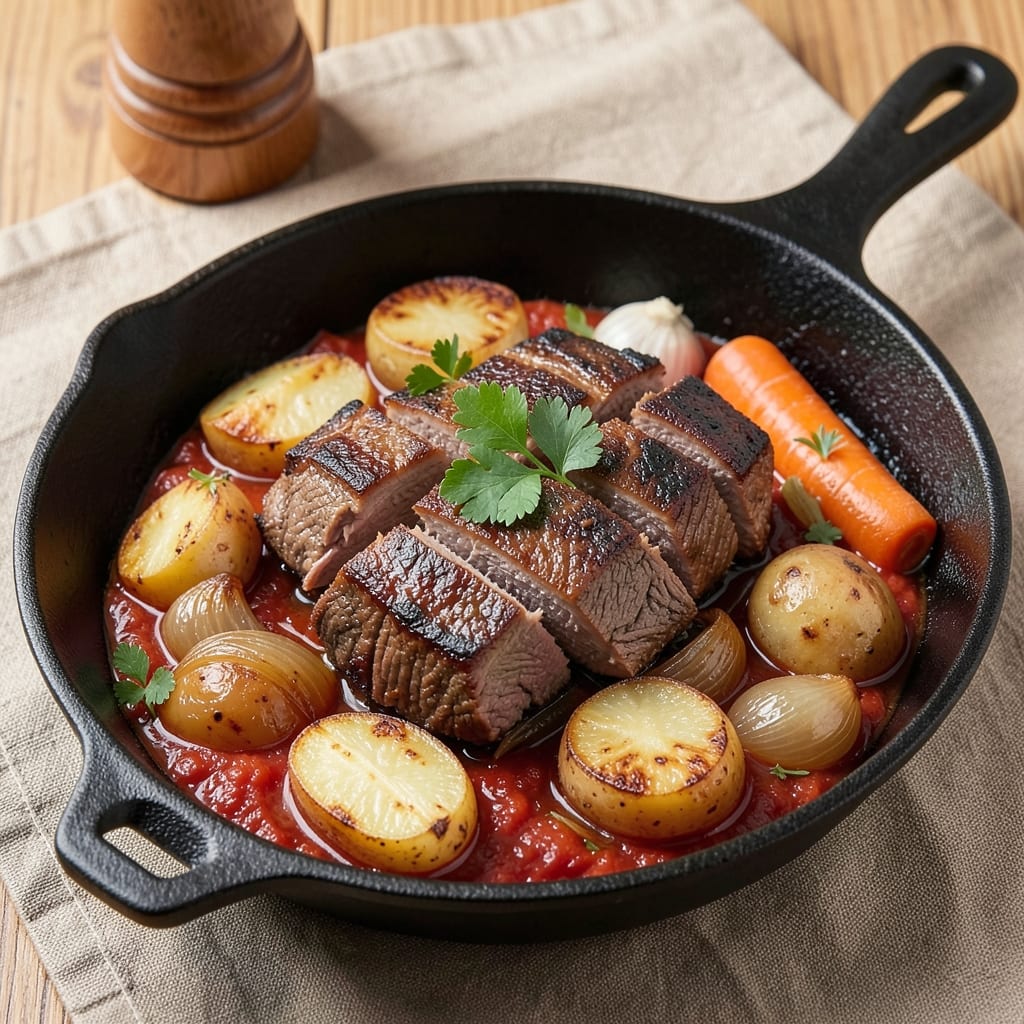
This beef porkolt recipe delivers the rich, slow-simmered umami depth Filipino families have cherished for generations. The secret lies in tender beef that melts in your mouth after hours of gentle simmering, while potatoes and carrots soak up the deeply savory broth. I've perfected this version to balance traditional techniques with modern convenience—no shortcuts, just restaurant-quality results at home.
The beauty of porkolt is in its simplicity: just a few core ingredients—beef, potatoes, carrots, and a carefully built broth—transformed through time and heat. The key is patience; letting the meat tenderize and flavors meld creates that signature umami bomb that makes every bite unforgettable. This isn't just a stew—it's a comforting embrace in bowl form, perfect for cold evenings or family gatherings.
What you'll end up with is a steaming pot of golden-brown beef swimming in a velvety sauce, surrounded by perfectly cooked vegetables. The aroma alone will have everyone gathering around the table, while the first spoonful delivers that perfect balance of meaty richness and vegetable sweetness. It's the kind of dish that transforms an ordinary dinner into a celebration.
Serve it with steamed rice to soak up every last drop of that flavorful broth, or pair with crusty bread for dipping. The leftovers? Even better the next day as flavors deepen further. Let's get cooking—your taste buds (and your family) will thank you.
Ingredients for beef porkolt
Six core ingredients transform into a deeply satisfying slow-simmered beef porkolt feast.
| Ingredient | Amount | Notes |
|---|---|---|
| Beef Chuck Roast 🥩 | 3 lb | Cut into 2-inch cubes, bone-in preferred |
| Yellow Onions 🧅 | 3 whole | Thickly sliced, about 3 cups |
| Carrots 🥕 | 1 ½ lb | Whole, peeled, cut into 2-inch chunks |
| Russet Potatoes 🥔 | 3 lb | Cut into 2-inch chunks, skin on |
| Garlic Cloves 🧄 | 8 cloves | Minced, about 2 tbsp |
| Tomato Paste 🍅 | ½ cup | High-quality, no added salt |
| Beef Broth 💧 | 4 cups | Low-sodium preferred, homemade if possible |
| White Wine 🍷 | 1 cup | Dry, like Sauvignon Blanc |
| Soy Sauce 🍜 | ¼ cup | Light or regular, not low-sodium |
| Olive Oil 🫒 | ¼ cup | Extra-virgin for richness |
| Bay Leaves 🌿 | 2 whole | Fresh preferred, dried works |
| Black Peppercorns 🌶️ | 1 tsp | Freshly cracked, about 10 whole |
| Salt 🧂 | 1 ½ tsp | Kosher or sea salt, adjust to taste |
| Fresh Thyme 🌿 | ¼ cup | Leaves only, stems removed |
| All-Purpose Flour 🌾 | 2 tbsp | For thickening sauce |
The beef is non-negotiable—chuck roast delivers that melt-in-your-mouth tenderness after hours of simmering. Look for well-marbled cuts at Whole Foods or your local butcher shop; the fat renders down to create that signature rich sauce. If you're buying a whole roast, ask for it to be cut into 2-inch cubes yourself—pre-cut pieces often vary in size, which means uneven cooking. For the onions, yellow onions have more sweetness than red, but either works. Carrots and potatoes should be firm with no soft spots—organic from Trader Joe's or the regular produce section both work fine. The key is consistency in cutting: aim for 2-inch chunks so everything cooks at the same rate.
No beef broth? Chicken broth with 1 tbsp soy sauce works in a pinch, though the flavor won't be as deep. White wine substitute? Dry vermouth or extra beef broth—just add a splash of vinegar if you're using broth to mimic the acidity. Fresh thyme wilt fast, so if you're prepping ahead, dried thyme at one-third the amount keeps things simple. The tomato paste is where the umami magic happens—Rao's or Mutti brands are my go-tos, but any high-quality paste will do. For the flour, King Arthur or Gold Medal work perfectly for thickening, but honestly, any all-purpose flour you've got will handle the job. If you're worried about lumps, whisk it with a little cold water first.
This dish tastes even better the next day as flavors meld further, so make a double batch if you can. Store leftovers in the fridge for up to 5 days or freeze for 3 months—portion into containers so you can reheat just what you need. The sauce thickens as it cools, so add a splash of beef broth when reheating. For serving, keep those bay leaves in until the very end—they add subtle aroma but get tough if cooked too long. The potatoes and carrots will soften beautifully, soaking up all that rich beefy broth like little flavor sponges.
Why You'll Love This Recipe
- One-Pot Magic: I swear by this recipe because it’s all in one pot—no chopping boards covered in veggie chaos. Toss in the beef, onions, carrots, and potatoes, add a splash of broth, and let the slow cooker do the work. Honestly, the only prep is peeling potatoes and crushing garlic.
- Garlic Bomb: That first bite when the beef pulls apart and you get a punch of garlic-infused oil? Chef’s kiss. The cloves caramelize right into the meat, turning this into a savory, aromatic dish that tastes like it simmered for hours (even if it didn’t).
- Leftover Goldmine: Between us, this recipe begs for leftovers—and they’re just as good the second day. Shred the beef for tacos, slice the potatoes into crispy hash, or toss everything into a hearty soup. My freezer’s always stocked with portions because it’s that reliable.
- Budget Feast: A chuck roast and a few veggies stretch into a meal that feeds six for under $20. It’s the kind of dish where you double the recipe just because you can, and no one questions the grocery bill when it’s this satisfying. (Yes, even on a Tuesday night.)
Step-by-step instructions for beef porkolt
Here's how to transform tough beef into melt-in-your-mouth perfection through slow simmering and layered flavors.
Sear the Beef Chuck Roast for Deep Flavor
Heat the 0.25 cup olive oil in a large Dutch oven over medium-high heat until shimmering. Working in batches to avoid crowding, sear the 3 lb beef chuck roast cut into 2-inch cubes until deeply browned on all sides—about 3-4 minutes per batch. This step creates the Maillard reaction that builds rich, caramelized flavor.
Transfer the browned beef to a plate and set aside. Don't drain the Dutch oven—those precious browned bits will form the base of your sauce. Here's the thing: if your beef releases easily from the pan, it's ready. If it sticks, let it cook a bit longer until you see that beautiful crust develop.
Build the Umami Base with Aromatics
In the same Dutch oven, add the 3 whole yellow onions thickly sliced and cook for 8-10 minutes until softened and golden. Stir in the 1.5 lb carrots cut into 2-inch chunks and 3 lb russet potatoes cut into similar pieces, cooking another 5 minutes until they begin to soften slightly.
Add the 8 cloves minced garlic, 0.5 cup tomato paste, 1 cup white wine, 0.25 cup soy sauce, 1.5 tsp salt, and 1 tsp cracked black peppercorns. Stir well to combine, scraping up any browned bits from the bottom. This mixture forms the flavor foundation that will infuse the beef as it simmers.
Simmer the Beef Until Fork-Tender
Return the beef to the Dutch oven and pour in the 4 cups beef broth. Add the 2 whole bay leaves and 0.25 cup fresh thyme leaves, then bring the mixture to a gentle simmer. Here's where patience pays off: cover the pot and simmer on low heat for 2.5 to 3 hours, stirring occasionally, until the beef is fork-tender with no resistance.
You'll know it's done when the beef pulls apart easily and the potatoes are soft enough to pierce with a fork. The sauce should have thickened slightly, coating the vegetables and beef in a rich, umami-infused glaze. I check doneness by testing a small piece of beef—it should be tender but not falling apart.
Thicken the Sauce for Perfect Consistency
Remove the beef and vegetables from the Dutch oven and set them aside. Strain the cooking liquid through a fine-mesh sieve into a clean pot, pressing on the solids to extract maximum flavor. Return the strained liquid to the Dutch oven and whisk in the 2 tbsp all-purpose flour to create a smooth paste.
Cook the flour mixture over medium heat for 3-5 minutes, stirring constantly, until it thickens into a glossy sauce. Taste and adjust seasoning with additional salt or soy sauce if needed. The sauce should coat the back of a spoon but still be pourable—this ensures it clings beautifully to each bite of beef.
Serve with Rich, Flavorful Sauce
Return the beef and vegetables to the Dutch oven and coat them thoroughly with the thickened sauce. Let everything sit together for 5 minutes to meld the flavors completely. Serve family-style with the beef, vegetables, and sauce distributed evenly among plates, allowing everyone to enjoy the hearty, umami-packed porkolt.
This dish tastes even better the next day as the flavors continue to develop. The beef should be so tender it practically melts in your mouth, while the sauce delivers layers of savory, slightly sweet, and tangy notes that make every bite unforgettable. Don't skip the resting time—it lets the juices redistribute for maximum tenderness.
Pro Tips For Making Beef Porkolt
- SEAR THE ROAST FIRST: Don’t skip the browning step—this isn’t just for looks. After trimming excess fat, hit the chuck roast with a hot Dutch oven (no oil needed; the fat will render). Let it sit 3-4 minutes per side until deep golden. I learned this the hard way—my first batch tasted bland because I rushed it into the braise too soon.
- CUT POTATOES UNEVENLY: Use a mix of sizes—some whole, some halved, some quartered—so they cook at different rates. Russets break down fast, and uniform chunks turn to mush. Toss them in the pot raw with the onions and carrots; they’ll soften perfectly while the beef tenderizes.
- DON’T OVERCROWD THE POT: If your Dutch oven is packed tight, the veggies will steam instead of caramelize. After searing the meat, spread onions, carrots, and potatoes in a single layer before adding liquid. I used to jam everything in, and the flavors stayed dull—now I rearrange them like puzzle pieces.
- BURN THE GARLIC (SERIOUSLY): Smash the garlic cloves flat with the side of your knife before adding them to the pot. Let them fry in the rendered fat until they’re dark brown and crispy—this adds a smoky depth that raw garlic can’t match. Sounds weird, but it works: skip this, and your porkolt tastes like it’s missing something.
Best sauces and condiments for this beef porkolt
Classic Soy-Garlic Glaze
This is the traditional sauce that elevates porkolt to restaurant-quality perfection. After simmering, strain 1 cup of the porkolt broth and reduce it by half in a saucepan over medium-high heat. Whisk in 2 tbsp soy sauce, 1 tbsp minced garlic, 1 tbsp brown sugar, and 1 tsp black pepper. Simmer for 5 minutes until thickened—this sauce should coat the back of a spoon. Drizzle generously over the finished porkolt just before serving. 💛
Creamy Coconut-Tomato Sauce
For a tropical twist, blend ½ cup coconut milk, ½ cup strained porkolt broth, 2 tbsp tomato paste, and 1 tsp fish sauce until smooth. Simmer the mixture in a small saucepan for 8-10 minutes until slightly thickened. The coconut adds a velvety texture that balances the hearty beef, while the tomato paste deepens the umami. Serve with a sprinkle of cilantro for freshness.
Spicy Chili-Lime Dressing
Brighten up your porkolt with a zesty topping that cuts through the richness. Mix ¼ cup lime juice, 2 tbsp chopped cilantro, 1 tbsp chopped jalapeño, 1 tsp chili powder, and 1 tsp honey. Let it sit for 10 minutes before drizzling over the finished dish. This dressing adds a refreshing kick that makes every bite feel special.
Garlic Butter Sauce
For a luxurious finish, melt 2 tbsp butter in a small pan over low heat, then add 3 minced garlic cloves and cook until fragrant (1-2 minutes). Pour this fragrant butter over individual servings just before eating—it adds a rich, buttery depth that complements the savory porkolt beautifully. Garnish with extra fresh thyme for an elegant touch.
Pickled Vegetable Topping
Add a tangy crunch with quick-pickled vegetables. Thinly slice ½ cup red onion and ½ cup carrots, then toss with ¼ cup rice vinegar, 1 tbsp sugar, and ½ tsp salt. Let sit for 30 minutes before draining and serving on top. The bright acidity cuts through the richness while adding texture contrast—trust me, it makes every bite more exciting. ✨
Nutrition facts
Frequently asked questions
Can I use a different cut of beef for porkolt?
While chuck roast is ideal for its marbling and tenderness, you can substitute with brisket or short ribs. Avoid lean cuts like sirloin—they won't become tender enough. If using brisket, cut it into 1.5-inch cubes and add 30 extra minutes to the simmering time. The key is fat content and collagen for that melt-in-your-mouth texture.
How do I make porkolt in a slow cooker?
Transfer the seared beef, onions, carrots, and potatoes to your slow cooker. Add all remaining ingredients (broth, wine, etc.) and cook on LOW for 7-8 hours or HIGH for 4-5 hours. The sauce will be thinner, so reduce it separately by simmering 1 cup broth with 2 tbsp cornstarch until thick. Stir this into the finished porkolt. The slow cooker method is perfect for busy days!
Why does my porkolt taste bland?
Most likely, you didn't build enough umami or didn't simmer long enough. Double-check your soy sauce (¼ cup is essential) and tomato paste. For extra depth, add 1 tbsp fish sauce or 1 tsp Worcestershire sauce during simmering. Also, ensure the beef cooked until fork-tender—2.5-3 hours minimum. If it's still tough, you didn't simmer long enough.
Can I make porkolt ahead of time?
This dish actually tastes better the next day! Store leftovers in the fridge for up to 5 days or freeze for 3 months. When reheating, add 2-3 tbsp beef broth to prevent thickening. The flavors deepen as the sauce reduces further. For serving, reheat gently on low heat to avoid breaking the meat. The potatoes will soften even more—this is normal!
What's the difference between porkolt and beef stew?
Porkolt is a Filipino stew with a distinct soy-wine broth and tomato paste base, while traditional beef stews often use more herbs like thyme and rosemary. Porkolt also typically includes potatoes and carrots as core vegetables, while stews might use a wider variety. The sauce is thicker and more concentrated in porkolt, thanks to the flour thickening at the end. Think of it as a cross between a stew and a braise.