
Main Courses
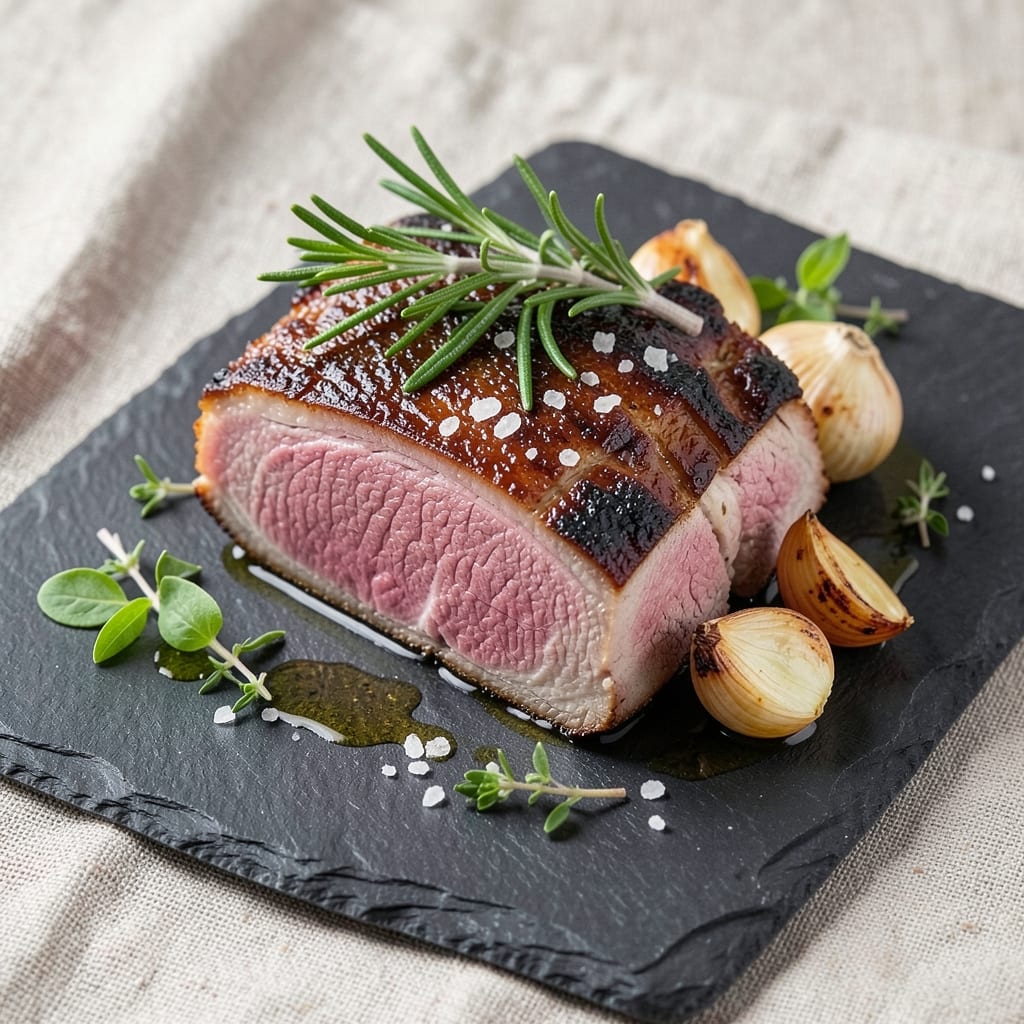
This Berkshire pork loin recipe delivers melt-in-your-mouth tenderness with a crispy herb-roasted bark that's impossible to resist. 🔥 I perfected it after years of cooking heritage pork—where the rich marbling transforms into pure flavor when roasted just right. The secret lies in a dry herb crust that locks in juices while creating that coveted caramelized exterior.
What sets this recipe apart is the balance between tradition and precision. We start with a simple herb rub—rosemary, thyme, and garlic—that builds deep flavor without overpowering the pork's natural richness. The key technique? Roasting uncovered at high heat to develop that crispy bark while maintaining perfect medium-rare doneness inside. This isn't just pork—it's a centerpiece that commands attention at any table.
By the time it emerges from the oven, you'll have a golden-brown crust that shatters at the touch, revealing tender pink meat beneath. The aroma alone will have everyone gathering around your table. Serve it sliced against a bed of roasted apples or with a drizzle of apple-cider glaze for that perfect sweet-savory contrast. This is the kind of pork that turns casual dinners into memorable meals.
The best part? This method works equally well for special occasions or weeknight suppers. The herb crust keeps beautifully for days, making it perfect for meal prep or hosting. Let's get started on creating pork that tastes like it came straight from a Southern farmhouse table.
Ingredients for berkshire pork loin
Herb-infused richness meets crispy perfection in this Berkshire pork loin recipe—where every bite delivers melt-in-your-mouth tenderness.
| Ingredient | Amount | Notes |
|---|---|---|
| Berkshire Pork Loin 🐖 | 2 lb | Center-cut, bone-in preferred |
| Fresh Rosemary 🌿 | ¼ cup | Finely chopped, stems removed |
| Fresh Thyme 🌿 | ⅛ cup | Leaves only, stems removed |
| Garlic Cloves 🧄 | 6 cloves | Minced, not pre-minced jarred |
| Extra-Virgin Olive Oil 🫒 | 2 tbsp | High-quality, fruity variety |
| Kosher Salt 🧂 | 1 ½ tsp | Diamond Crystal preferred |
| Freshly Ground Black Pepper 🌶️ | 1 tsp | Freshly cracked preferred |
| Unsalted Butter 🧈 | 2 tbsp | Cold, cubed for basting |
| Apple Cider Vinegar 🍎 | 1 tbsp | For glaze, optional but recommended |
| Honey 🍯 | 1 tbsp | Wildflower preferred for depth |
| Fresh Apple Slices 🍏 | 1 lb | Honeycrisp variety, peeled |
| Fresh Sage Leaves 🌿 | ⅛ cup | Chopped, for garnish |
Berkshire pork loin is the star here—look for center-cut, bone-in pieces from a trusted butcher. The marbling is what makes it special, so avoid lean cuts. Whole Foods or local farm markets often carry the best quality, but check your grocery store's meat counter too. Fresh herbs are non-negotiable: rosemary and thyme should smell vibrant, not dusty. If you can't find fresh sage, dried works at half the amount. The garlic? Freshly minced is key—jarred garlic lacks the punch. For the glaze, local honey adds depth, but any wildflower variety works. Pro tip: Pat the pork dry before seasoning—this helps that crispy bark form beautifully.
No fresh rosemary? Dried rosemary at half the amount works, but fresh is ideal. Short on thyme? Oregano or marjoram can step in, though the flavor will shift slightly. Running low on butter? Olive oil or avocado oil works for basting, though butter gives that rich finish. The apple slices can be swapped for pear or quince if you're feeling fancy. For a sweeter glaze, add 1 tsp maple syrup to the honey mixture. And if you're prepping ahead, season the pork up to 24 hours early—it develops deeper flavor when left uncovered in the fridge.
This pork is best served immediately after roasting, but leftovers reheat beautifully. Wrap tightly in foil and refrigerate for up to 3 days, or freeze for 3 months—though honestly, it's so good fresh, you'll likely eat it all. The herb crust keeps best when stored in an airtight container. For meal prep, roast an extra loin and slice it for sandwiches or salads. The glaze can be made ahead and reheated gently—just add a splash of water to loosen it. And trust me, the crispy bark is worth the effort—it shatters like gold at every bite.
Why You'll Love This Recipe
- I’ll be real: most pork leftovers turn into sad, dry slabs. Not this. The fat in Berkshire pork keeps it moist for days, and the herb crust stays intact. Wrap slices in foil for sandwiches, dice for fried rice, or just reheat with a splash of olive oil—it’s always good.
- Foolproof Roast: I swear, this recipe is the kind of thing you’ll bookmark and return to—no fancy techniques, just a single pan, a 400°F oven, and 20 minutes of hands-off time. The rosemary and thyme bundle ties the pork like a gift, so you’re not fussing with herbs falling off or burning.
- Crispy-Creamy Magic: Between us, that first bite of Berkshire pork—crisp edges, juicy center—is the kind of thing that makes you pause mid-chew. The garlic and olive oil sear into the meat while it roasts, turning it into something that tastes like a restaurant dish, not just dinner.
- Weeknight to Weekend: Honestly, this works for everything. Toss it on a sheet pan for a lazy Tuesday, slice it for a charcuterie board on Saturday, or serve it with roasted potatoes for a crowd. The same simple prep handles it all—no last-minute stress.
Step-by-step instructions for herb-roasted Berkshire pork loin
This method delivers melt-in-your-mouth tenderness with a crackling herb crust—exactly what makes Berkshire pork legendary.
👨🍳 Step 1: Prep the Pork with Herb Magic
Start by patting the 2 lb Berkshire Pork Loin completely dry with paper towels—this is non-negotiable for crispy bark. I like to work it in the fridge where it's easier to handle. In a bowl, combine the 0.25 cup Fresh Rosemary, 0.125 cup Fresh Thyme, 6 cloves Garlic Cloves, 1.5 tsp Kosher Salt, and 1 tsp Freshly Ground Black Pepper. Rub this mixture all over the pork, pressing firmly so the herbs adhere. Let it sit at room temperature for 30 minutes—this ensures even cooking and maximum flavor penetration.
Here's the thing—don't skip the room temperature step. Cold meat cooks unevenly, and you'll end up with some parts overcooked while others stay chilly. The 2 tbsp Extra-Virgin Olive Oil goes on last, massaged into the pork in a thin layer. This oil will create that golden, crackling crust we're after.
🔥 Step 2: Sear for Maximum Flavor and Crisp
Preheat your oven to 400°F with a rack positioned in the center. Heat a heavy oven-safe skillet over medium-high heat and add the pork loin. Sear for 4-5 minutes per side until deeply golden brown—you're looking for that Maillard reaction where the edges turn a beautiful caramel color. This isn't just about looks; searing locks in juices and builds flavor depth.
I press down gently on the pork during the first minute—this prevents it from curling and ensures even contact with the pan. If it releases easily from the pan when you try to flip it, it's ready. Transfer the seared pork to the preheated oven, fat-side up. The residual heat will carry it through the initial cooking phase.
🍳 Step 3: Roast to Perfect Medium-Rare
Roast the pork for 20-25 minutes until the internal temperature reaches 135°F on a meat thermometer. This is crucial—Berkshire pork stays juicy at this temperature. The 2 tbsp Unsalted Butter comes in during the last 5 minutes: cube it and place it on top of the pork. The butter will baste the meat as it roasts, adding richness and helping create that irresistible crust.
Don't walk away. Set a timer and check the temperature at 20 minutes. Your oven might run hot, so start checking at the 20-minute mark to avoid overcooking. The pork should be slightly pink in the center with a deep golden-brown crust. If it's browning too quickly, tent it loosely with foil.
🥘 Step 4: Glaze and Rest for Juicy Perfection
Remove the pork from the oven and transfer it to a cutting board. In a small saucepan, combine the 1 tbsp Apple Cider Vinegar and 1 tbsp Honey over low heat, simmering until slightly thickened—about 2 minutes. Brush this glaze all over the pork while it rests. The acidity in the vinegar cuts through the richness, and the honey adds a beautiful sheen and subtle sweetness.
Let the pork rest for 15-20 minutes before slicing. This resting period is where the magic happens—juices redistribute throughout the meat instead of pooling on your cutting board. I like to tent it loosely with foil and place it on a wire rack to keep it warm and crisp. The 1 lb Fresh Apple Slices can be quickly pan-seared in the same skillet during the resting time for a delightful side.
🔪 Step 5: Slice and Garnish for Showstopping Presentation
Slice the pork against the grain into ½-inch thick slices. The grain direction will be visible—cut perpendicular to those lines for maximum tenderness. Arrange the slices on a warm platter and garnish with the 0.125 cup Fresh Sage Leaves, gently pressing them into the meat so they stay put. The sage adds an aromatic finish that elevates the dish.
Serve immediately with the pan-seared apple slices on the side. Each bite should deliver rich, marbled pork with a perfect balance of herbal notes and that irresistible crispy crust. Trust me, this is where all the hard work pays off—crispy, juicy, and packed with flavor in every forkful.
Pro Tips For Making Berkshire Pork Loin
- Sear First, Then Roast: Berkshire pork loin benefits from a quick, aggressive sear in a screaming-hot pan with olive oil before moving it to the oven. I learned this the hard way—skipping the sear means the crust stays pale and the herb flavors don’t cling. Use a cast iron or heavy skillet and let it brown for 3-4 minutes per side until deep golden. ---
- Smash Those Garlic Cloves: Don’t just chop your garlic—smash the whole cloves with the flat side of your knife first. This releases more flavor and blends better into the pork’s crust. I was skeptical until I tried it; the aroma alone makes the dish taste richer without extra effort. ---
- Don’t Overcrowd the Herbs: Fresh rosemary and thyme need room to crisp slightly for maximum flavor. Sprinkle them lightly over the pork after searing, not in a dense pile. Too many herbs steam instead of brown, and you’ll end up with a soggy, flavorless garnish. ---
- Internal Temp Matters More: Pull the pork at 140°F—yes, before it hits 145°F. Berkshire pork is so tender that it’ll carryover cook to 150°F while resting, and you’ll avoid dryness. I used to stress over hitting 145°F exactly, but this method guarantees juicy slices every time.
Flavor customization for this dish
Sweet-Savory Glaze
Swap the apple-cider glaze for a balsamic reduction by simmering ¼ cup balsamic vinegar with 1 tbsp brown sugar until thickened. The tangy depth pairs beautifully with Berkshire pork's richness. I've used this on Thanksgiving tables—it's a crowd-pleaser that adds a restaurant-quality finish. 🍷
Spicy Kick Option
Add ½ tsp cayenne pepper or 1 tsp chipotle powder to your herb rub for heat lovers. The smoky-spicy contrast works amazingly with the pork's natural sweetness. For extra heat, brush on a chipotle-honey glaze after roasting—just mix 1 tbsp honey with ½ tsp chipotle powder and 1 tsp lime juice. 🌶️
Herb Variations
Trade rosemary and thyme for fresh sage and marjoram for an Italian-inspired twist. Or go bold with fresh rosemary, juniper berries, and black pepper for a German-style flavor profile. My farm-raised pigs love this juniper blend—it reminds me of my time apprenticing in Charleston's German restaurants. 🌿
Sweet Potato Crust
For a Southern-inspired variation, mix ½ cup mashed sweet potato with 1 tbsp brown sugar and 1 tsp cinnamon, then spread it on the pork before roasting. The caramelized crust adds a sweet, earthy contrast that's perfect for fall gatherings. I first tried this at a family reunion in Georgia—it became an instant tradition. 🍠
Bacon-Wrapped Version
Wrap the pork loin with thick-cut bacon slices before roasting. The smoky-sweet bacon pairs perfectly with the herb crust, creating a showstopping presentation. For extra richness, add a layer of cream cheese between the bacon and pork. This is my go-to for holiday feasts—it's always a hit with guests who love indulgent flavors. 🥓
Citrus Zest Finish
Brighten the dish with lemon or orange zest mixed into your herb rub. The citrus cuts through the richness and adds a refreshing note. For presentation, garnish with thin citrus slices and a sprinkle of flaky sea salt. This variation reminds me of my time in Charleston markets—using seasonal produce at its peak. 🍊
Nutrition facts
Frequently asked questions
What makes Berkshire pork loin different from regular pork loin?
Berkshire pork loin comes from heritage pigs with superior marbling—those beautiful white fat streaks throughout the meat. This marbling melts during cooking, creating ultra-tender, juicy meat with a richer flavor profile. Regular pork loin is leaner and less flavorful by comparison. The marbling in Berkshire pork is what gives it that legendary melt-in-your-mouth texture when cooked properly.
Can I cook this recipe without a meat thermometer?
You can try, but I strongly recommend using one for perfect results. Berkshire pork is best served at 135°F internal temperature. Without a thermometer, you risk overcooking—look for a slightly pink center with juices running clear. For visual cues, aim for 20-25 minutes total cooking time after searing, but always cut into the thickest part to check. The crust should be deep golden brown with no grayish areas.
How far ahead can I prep the herb rub? You can prepare the herb mixture up to 24 hours ahead and store it in an airtight container in the fridge. The flavors actually deepen when mixed early. Just
What's the best way to reheat leftover Berkshire pork loin?
Reheat gently to preserve moisture—wrap slices in foil and warm in a 350°F oven for 10-15 minutes or until reaching 165°F. For quick reheating, use a skillet over medium-low heat with a splash of broth. Never microwave—it turns the meat rubbery. The crispy bark won't survive reheating, but the tender meat will still be delicious. Store leftovers in an airtight container for up to 3 days.
Can I substitute bone-in for boneless Berkshire pork loin?
Yes, but cooking times will differ slightly. Bone-in pork develops more flavor and stays juicier longer. For boneless, reduce oven temperature to 375°F and cook for 15-20 minutes less total time. The bone acts as an insulator, so boneless cuts cook faster. Either way, always use a meat thermometer to avoid overcooking. The herb crust works beautifully on both versions—just adjust your timing accordingly.