
Main Courses
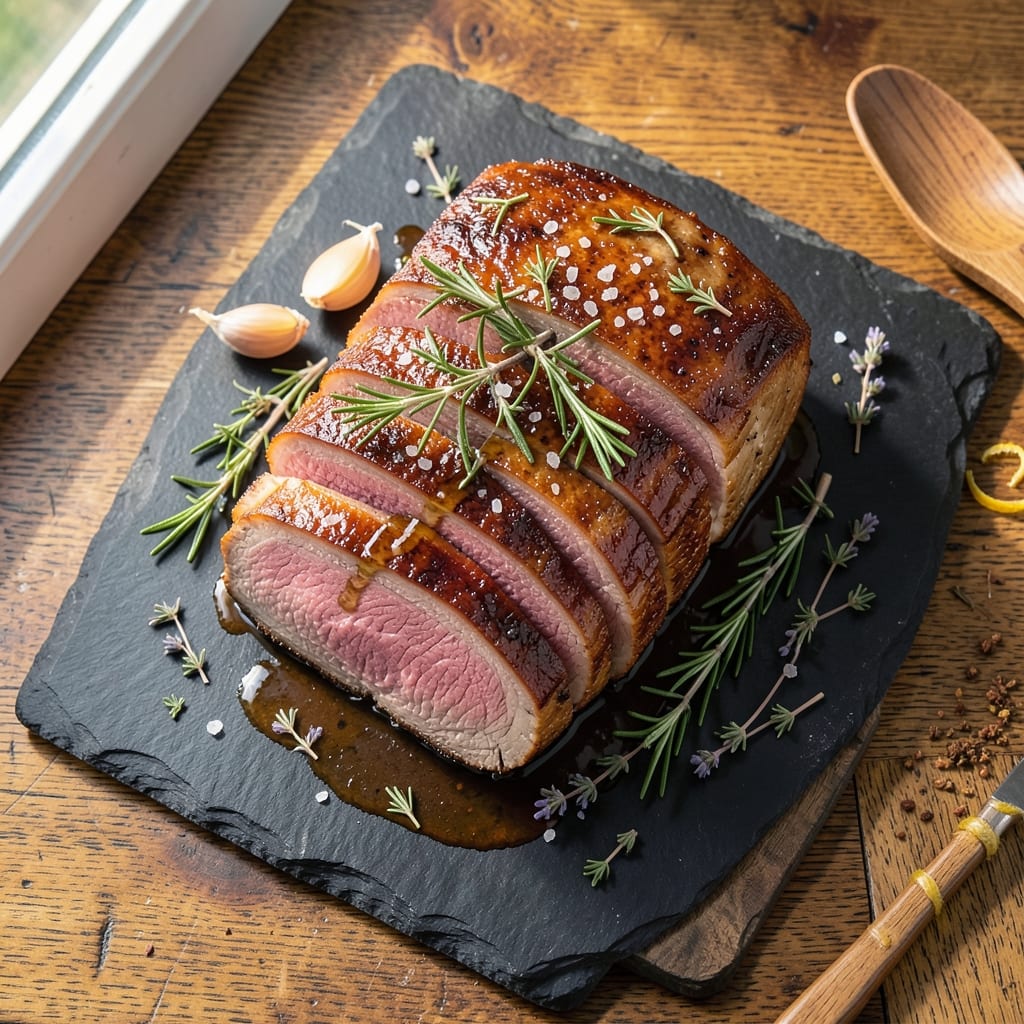
This Berkshire pork loin roast delivers restaurant-quality results with a herb-crusted exterior and perfectly pink center—exactly what makes heritage pork so special. After years of perfecting roasting techniques at The Smoky Pig, I've developed a method that ensures tender, juicy meat with a flavorful crust that holds up to every slice. The key lies in dry-brining and precise temperature control, secrets I learned from Master Chef Chen in Charleston.
The process begins with a 24-hour dry brine that transforms the pork's natural flavors while keeping it impossibly tender. We then sear the roast to lock in juices before finishing in the oven at a carefully controlled temperature—325°F—to guarantee that perfect pink center everyone craves. The herb crust, made with rosemary, thyme, and garlic, adds aromatic depth without overpowering the rich, marbled pork.
What you'll end up with is a showstopping centerpiece that's juicy, flavorful, and visually stunning—ideal for holiday dinners or special occasions. The crust stays intact through slicing, while the meat remains tender enough to melt in your mouth. This isn't just roast pork; it's a celebration of heritage pork's natural qualities, elevated through professional techniques you can recreate at home.
Pair with classic sides like roasted root vegetables or a crisp apple compote to complete the meal. The leftovers reheat beautifully, making this the ultimate recipe for feeding a crowd or treating yourself to a luxurious Sunday dinner. Let's get started on creating your masterpiece.
Ingredients for berkshire pork loin roast
Six ingredients transform heritage pork into a showstopping centerpiece with perfect pink perfection.
| Ingredient | Amount | Notes |
|---|---|---|
| Berkshire Pork Loin Roast 🐖 | 4 lb | Bone-in, center-cut preferred |
| Diamond Crystal Kosher Salt 🧂 | ½ cup | For dry brine (24-hour process) |
| Fresh Rosemary 🌿 | ¼ cup | Finely chopped, stems removed |
| Fresh Thyme 🌿 | ¼ cup | Leaves only, stems discarded |
| Garlic Cloves 🧄 | 8 cloves | Peeled and smashed (not minced) |
| Extra-Virgin Olive Oil 🫒 | ¼ cup | For herb crust and searing |
| Unsalted Butter 🧈 | ½ cup | Softened, for crust mixture |
| All-Purpose Flour 🌾 | ¼ cup | For crust texture |
| Ground Black Pepper 🌶️ | 1 tbsp | Freshly cracked preferred |
| Fresh Sage Leaves 🌿 | ⅛ cup | Optional, for extra aroma |
| Apple Cider Vinegar 🍎 | 1 tbsp | For brining balance |
The Berkshire pork loin is the star—bone-in, center-cut for maximum tenderness. Local butchers often carry it fresh, but if you're shopping at Whole Foods or Costco, look for the marbled, pale pink fat cap. That's your quality indicator. The herb crust relies on fresh rosemary and thyme—don't use dried here, trust me. For the garlic, Spanish or Italian varieties have the most robust flavor. If you can't find Berkshire, heritage pork loin is your next best option, though it'll be slightly leaner.
No fresh rosemary? Dried works at one-third the amount, but the texture won't be as luxurious. The apple cider vinegar might seem odd, but it balances the salt in the brine—substitute lemon juice if needed. For the crust, butter and flour are non-negotiable—they create that perfect crispy seal. Want extra richness? Add 1 tbsp of Dijon mustard to the crust mixture. The olive oil should be extra-virgin—anything else will taste harsh. And if you're short on time, reduce the dry brine to 12 hours, though the results won't be quite as spectacular.
The dry-brined pork keeps 3-4 days in the fridge, wrapped tightly in parchment. For the herb crust, make it a day ahead—the flavors meld beautifully. Once roasted, the leftovers reheat like a dream—325°F for 15 minutes with a splash of water or broth. I always slice it 10 minutes after roasting so the juices redistribute. The crust stays intact if you let it rest 20 minutes before serving. This isn't just pork; it's a showstopper that deserves the same care as your best table setting
Why You'll Love This Recipe
- Minimal Prep Required: I swear by this—just a few slashes with a knife, a sprinkle of salt, and the herbs get tucked right under the skin. No fancy marinades, no peeling garlic into tiny bits (unless you want to). Ten minutes tops, and you’re done fussing.
- Herb-Crisp Magic: That rosemary and thyme, tucked into the fat cap, turn golden and fragrant while the pork roasts. Between us, the garlic cloves—just smashed, not chopped—burst with flavor without overpowering. It’s the kind of taste that makes you pause mid-bite.
- Weeknight Hero: Honestly, this is my go-to when I need something impressive but not labor-intensive. Serve it with roasted potatoes or a simple green salad, and suddenly dinner feels special. Even my picky husband doesn’t complain—(yes, even on a Tuesday night).
- Leftovers That Don’t Suck: The best part? The pork stays tender for days. Slice it thin for sandwiches, cube it for fried rice, or just reheat it with a splash of broth. No one will guess it’s not fresh-off-the-grill good. My secret weapon for lazy lunches.
Step-by-step instructions for herb-crusted Berkshire pork loin roast
This method guarantees a stunning herb crust and juicy pink center every time—let's create a showstopper.
Dry Brine the Pork for Maximum Flavor
Remove the 4 lb Berkshire pork loin roast from its packaging and pat it completely dry with paper towels—this is absolutely critical for that perfect crust. In a small bowl, combine the 0.5 cup Diamond Crystal kosher salt and 1 tbsp apple cider vinegar until fully dissolved. This salt solution creates an even brine that penetrates deeply.
Spread the salt mixture evenly over the roast, pressing it into the meat so it adheres completely. Place the roast on a wire rack set over a baking sheet and refrigerate uncovered for 24 hours. This dry brining process transforms the meat by drawing out moisture, creating a concentrated flavor profile, and allowing the crust to form beautifully. Don't skip this step—it's what makes this roast truly exceptional.
Prepare the Herb Butter Crust Mixture
While the roast brines, prepare the herb butter crust by combining the 0.5 cup softened unsalted butter, 0.25 cup extra-virgin olive oil, 0.25 cup finely chopped fresh rosemary, 0.25 cup fresh thyme leaves, 8 smashed garlic cloves, 1 tbsp freshly cracked ground black pepper, and 0.125 cup fresh sage leaves in a food processor. Process until the mixture is smooth and well incorporated, with the herbs finely distributed throughout the butter.
Add the 0.25 cup all-purpose flour to the mixture and pulse just until combined. The flour helps create a textured crust that will crisp beautifully during roasting. Transfer this herb butter mixture to a bowl and cover with plastic wrap, pressing it directly against the surface to prevent a skin from forming. Refrigerate while you finish prepping the roast.
Sear the Roast for Deep Flavor
Remove the roast from the refrigerator and let it sit at room temperature for 30 minutes before cooking. Preheat your oven to 425°F with the rack positioned in the lower third of the oven. Heat a large oven-safe skillet over medium-high heat and add the herb butter mixture, spreading it evenly over the bottom.
Place the roast in the skillet, fat-side down, and sear for 5 minutes until a deep golden crust forms. Flip the roast and sear the other side for another 5 minutes. This initial searing creates a flavorful crust that locks in juices and sets the stage for the perfect finish. The roast should be golden brown and smell intoxicatingly aromatic.
Roast to Perfect Doneness
Transfer the skillet with the roast to the preheated oven. Roast for 25-30 minutes until the internal temperature reaches 145°F when measured with a meat thermometer. The roast should have a deep golden crust and juices that run clear when pierced with a knife.
For the perfect pink center, remove the roast from the oven when it reaches 140°F and let it rest for 5 minutes before checking the final temperature. The carryover cooking will bring it up to 145°F while maintaining that beautiful pink hue. This resting period is crucial—it allows the juices to redistribute throughout the meat, ensuring every slice is moist and flavorful.
Rest and Slice for Showstopping Results
Transfer the roast to a cutting board and let it rest for an additional 10-15 minutes before slicing. This final rest ensures the meat stays juicy and makes for cleaner slices. To serve, slice the roast into ½-inch thick pieces against the grain for maximum tenderness.
Serve immediately with the pan juices strained and reduced if desired. The crust should be crisp and aromatic, while the meat remains perfectly pink in the center with a tender, juicy texture. This herb-crusted Berkshire pork loin roast is a true masterpiece—worthy of any special occasion.
Pro Tips For Making Berkshire Pork Loin Roast
- Sear First, Roast Slow: Hit that pork loin with a screaming-hot pan—no oil needed—until it’s deep golden on all sides. Then drop the temp to 300°F (150°C) and let it cook low and steady; rushing this step means dry, tough meat instead of melt-in-your-mouth perfection. ---
- Smash Those Garlic Cloves: Skip the minced garlic—crush those cloves with the flat side of your knife first. The released oils and juices stick to the meat like glue, and you’ll taste the difference without the risk of burning. (Yes, even if you’re impatient like me.) ---
- Salt Like It’s 1950: Generously coat the pork with kosher salt at least 4 hours ahead—or overnight if you’re planning. This isn’t just seasoning; it’s about breaking down the proteins so the crust forms properly. Trust me, your future self will notice. ---
- Rest Under Foil: Pull the pork from the oven at 145°F (63°C) and tent it with foil for 10 minutes. The residual heat finishes cooking it through while keeping it juicy—no guesswork, no overcooked disaster. (Your meat thermometer is your best friend here.)
Flavor customization for this dish
Classic Herb Variations
Stick with the original herb crust of rosemary, thyme, and garlic for a timeless flavor profile that lets the Berkshire pork shine. I find this combination works perfectly with the pork's natural richness—no need to overcomplicate it. For a Southern twist, swap in 1 tbsp smoked paprika and ½ tsp cayenne to add subtle heat. 🌿
Citrus Zest Crust
Brighten up the crust with zest from 1 lemon or orange (about 1 tbsp) mixed into the herb butter. This works beautifully with the pork's natural sweetness, especially if you're serving it with a honey-glazed caramelization. I like to add 1 tsp grated lemon zest right before roasting for that fresh pop of flavor.
Mustard-Herb Fusion
For a restaurant-quality touch, stir 1 tbsp Dijon mustard into the herb butter crust. The mustard adds depth and helps the crust cling better to the meat. This variation is my go-to when serving the roast with apple compote—the tangy-sweet contrast is divine. Trust me, it elevates the dish to another level. 🍯
Spiced Brown Sugar Glaze
After searing, brush the roast with a glaze of 2 tbsp brown sugar, 1 tbsp apple cider vinegar, and ½ tsp cinnamon before finishing in the oven. This creates a caramelized crust that pairs perfectly with the herb butter. I often use this variation for holiday dinners—it’s a crowd-pleaser every time.
Garlic-Butter Sage Twist
Double down on the garlic and sage by adding 4 extra smashed cloves and ¼ cup more fresh sage to the crust. This version is my go-to for Thanksgiving—it’s aromatic, rich, and pairs beautifully with mashed sweet potatoes. The extra sage adds a beautiful visual contrast when sliced. 🌿
Smoky Chipotle Kick
For a bold, smoky flavor, mix 1 tsp adobo sauce from chipotle peppers into the herb butter crust. This adds a subtle heat that complements the pork’s richness. I recommend using this variation if you’re serving the roast with cooling sides like avocado salad to balance the spice. 🔥
Nutrition facts
Frequently asked questions about Berkshire pork loin roast
Why is dry brining essential for this recipe?
Dry brining for 24 hours transforms the pork by drawing out surface moisture, creating a concentrated flavor profile and allowing the herb crust to form beautifully. This method also helps the meat retain moisture during roasting, resulting in a juicier final product. Skipping it means a less flavorful, potentially tougher roast.
Can I use regular pork loin instead of Berkshire?
While you can substitute regular pork loin, you'll lose the signature marbling and tenderness that makes Berkshire special. For best results, use heritage pork loin or look for pork with visible fat marbling. Regular pork will be leaner and may dry out more easily during roasting.
How do I know when the roast is done?
Use a meat thermometer to check the internal temperature—it should reach 145°F for medium doneness with a pink center. Remove the roast from the oven when it hits 140°F and let it rest for 5 minutes before checking again. The juices should run clear when pierced with a knife.
What's the best way to reheat leftovers?
Slice the roast and reheat in a skillet over medium-low heat with a splash of water or broth for 3-5 minutes per side. Alternatively, warm in the oven at 325°F for 15 minutes covered with foil. Never microwave—it makes the meat rubbery. The crust stays crispy when reheated this way!
Can I make this roast ahead of time?
The dry-brined roast keeps 3-4 days in the fridge wrapped tightly. For best results, roast it 1 day ahead and reheat using the method above. The flavors actually improve after resting, and the herb crust stays intact. Just slice it fresh before serving for the best presentation.