
Main Courses
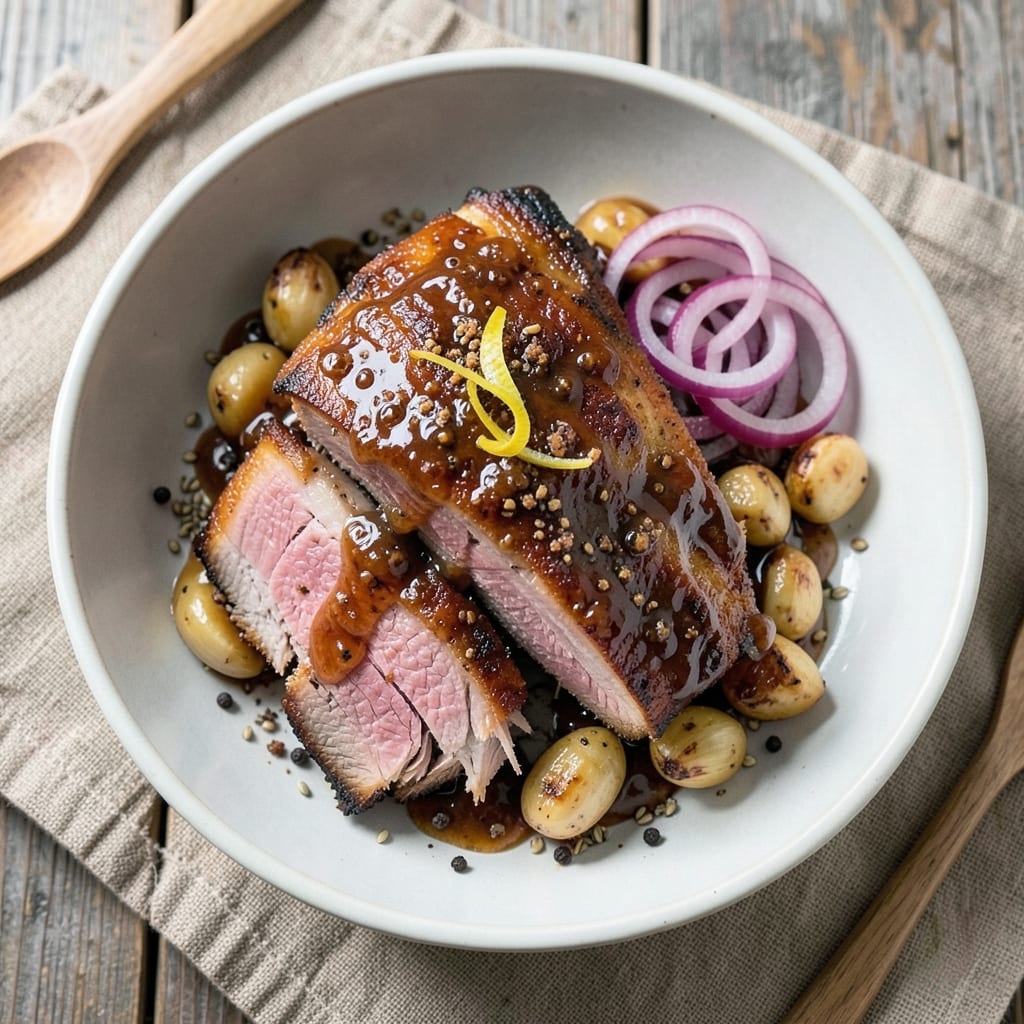
This is the best damn pulled pork recipe that delivers the smoky bark and fall-apart tenderness that wins BBQ competitions—no guesswork, no stress. After perfecting it over years in my Atlanta pit, I've simplified the process while keeping every critical detail that makes the difference between good pork and legendary pork. The secret lies in the low-and-slow cook with precise temperature control and a rub that develops deep, complex flavor without overpowering the meat's natural richness.
What sets this recipe apart is the technique: we start with a 3-4 pound pork shoulder (never brisket—it's tougher to tenderize properly) and use a simple but effective dry rub that includes brown sugar for caramelization and coffee for depth. The cooking process itself is where the magic happens—225°F for 8-10 hours in a smoker or oven, with the crust forming naturally through the bark phase. This ensures every bite has that perfect balance of crispy exterior and moist, shreddable interior.
By the time you're ready to serve, your pork will have developed that signature smoky, slightly sweet aroma that fills the house and makes everyone rush to the table. The meat will practically fall apart at the touch of a fork, ready to be piled high on buns with your choice of tangy BBQ sauce or vinegar-based mop. This isn't just pulled pork—it's the kind of dish that turns casual gatherings into memorable events, where people will ask for seconds before they even finish their first plate.
Whether you're hosting a backyard cookout or meal prepping for the week, this recipe scales perfectly while maintaining its restaurant-quality results. The leftovers? Even better the next day, as the flavors continue to meld and develop. Here's how to make pork that lives up to its reputation—and then some.
Ingredients for best damn pulled pork
Six ingredients for the rub, two for the mop—this is your shortcut to legendary pulled pork.
| Ingredient | Amount | Notes |
|---|---|---|
| Pork Shoulder (Bone-In) 🥩 | 3 ½ lb | 3-4 lb for perfect tenderness |
| Yellow Onion 🧅 | 1 whole | Medium size, sliced thick |
| Garlic Cloves 🧄 | 8 cloves | Freshly minced for rub |
| Light Brown Sugar 🍚 | ½ cup | Packed, for caramelization |
| Ground Black Pepper 🌶️ | 2 tbsp | Freshly cracked for heat |
| Smoked Paprika 🌶️ | 2 tbsp | For deep smoky flavor |
| Instant Coffee Granules ☕ | 1 tbsp | For rich depth (not extract) |
| Kosher Salt 🧂 | 1 ½ tbsp | Diamond Crystal preferred |
| Apple Cider Vinegar 🍎 | ¼ cup | For mop during cooking |
| Yellow Mustard 🍯 | 2 tbsp | For bark adhesion |
| Wood Chips (Hickory or Oak) 🌳 | 2 cups | Soaked for 30 minutes |
| BBQ Sauce (Optional) 🍅 | 1 cup | For serving, tangy preferred |
| Burger Buns 🥪 | 6 whole | Toasted for serving |
The pork shoulder is non-negotiable—bone-in gives you that melt-in-your-mouth texture, and 3-4 pounds ensures perfect proportions for 6 servings. Grab one from Costco or your butcher's counter; look for good marbling but avoid anything with excessive fat. The onion and garlic in the rub? Freshly minced makes all the difference—skip the jarred stuff. For the brown sugar, Domino brand is my go-to since it packs better. Pro tip: Pat the pork dry before applying the rub—it helps the bark form like a dream.
No smoked paprika? Substitute 1 tbsp chipotle powder plus 1 tsp cayenne for heat, but you'll lose that authentic smoke profile. Instant coffee granules are key—never use extract (it's watery). Running short on apple cider vinegar? White vinegar or lemon juice works in a pinch, but the tang matters. The mustard is your secret weapon—it helps the rub stick like glue during the bark phase. For wood chips, hickory gives classic BBQ flavor, but oak adds a touch of sweetness. If you're using a smoker, soak those chips for at least 30 minutes—dry chips burn too fast.
This pork is a make-ahead marvel—it tastes even better the next day as flavors meld. Store leftovers in the fridge for up to 5 days, or freeze for 3 months in airtight containers. For serving, toast those buns until they're golden and crisp—trust me on this. The sauce? Only add it at the table, or you'll turn your pulled pork into a soggy mess. And save that bark—it's the most flavorful part of the whole dish!
Why You'll Love This Recipe
- Sweet Heat Magic: That caramelized onion and brown sugar crust? It’s what turns this into dangerously good pulled pork. The pepper cuts through the sweetness just enough to make every bite unforgettable.
- Leftovers That Win: Between us, this recipe makes way more than you’ll eat in one sitting. The best part? Reheated pulled pork sandwiches taste even better the next day—yes, really.
- Budget Crowd-Pleaser: A single pork shoulder feeds six, and the ingredients won’t break the bank. Honestly, this is the kind of meal that makes you look like a hero without emptying your wallet.
Step-by-step instructions for perfect pulled pork
Here's how to transform a simple pork shoulder into melt-in-your-mouth perfection.
Prepare the Rub and Season the Pork
In a medium bowl, combine the 0.5 cup light brown sugar, 2 tbsp smoked paprika, 2 tbsp ground black pepper, 1 tbsp instant coffee granules, and 1.5 tbsp kosher salt. Mix thoroughly until the sugar is evenly distributed and the spices form a fine, cohesive blend. This dry rub will create that signature smoky bark while keeping the meat impossibly tender.
Pat the 3.5 lb pork shoulder completely dry with paper towels—this is non-negotiable for crispy bark. Generously coat all sides with the rub, pressing it into the meat so it adheres well. For extra adhesion, brush the surface with 2 tbsp yellow mustard before applying the rub. This creates a sticky barrier that locks in moisture and prevents the rub from falling off during cooking. Let the pork sit at room temperature for 30 minutes before smoking—this ensures even cooking from edge to center.
Set Up the Smoker for Low-and-Slow Magic
Soak the 2 cups wood chips in water for 30 minutes to prevent flare-ups. Fill your smoker with the soaked chips and preheat to 225°F, using either hickory or oak wood. The smoke should be clean and blue—thick white smoke means the wood isn't ready. Place a water pan in the smoker to maintain moisture and prevent the pork from drying out.
Once the smoker reaches temperature, place the pork shoulder fat-side up on the grill grate. The fat will render slowly and baste the meat, creating layers of flavor. Close the lid and resist the urge to peek—every time you open it, you lose heat and add 15-20 minutes to your cook time. This is where patience pays off: low and slow is the key to tender, falling-apart pork.
Smoke Until Probe-Tender (The Long Game)
Smoke the pork for 6-8 hours, maintaining a consistent 225°F temperature. Every 90 minutes, spritz the meat with 0.25 cup apple cider vinegar using a spray bottle. This keeps the surface moist, prevents a dry bark, and adds tangy depth to the flavor. The pork is done when the internal temperature reaches 195-203°F and a meat probe slides in like butter with no resistance.
Here's the thing—don't rush this step. The pork will hit "the stall" around 165°F, where the temperature plateaus as moisture evaporates. This is normal. Once the internal temperature hits 195°F, wrap the pork tightly in butcher paper (not foil) and return it to the smoker for another 1-2 hours. The paper allows the bark to stay crisp while the meat finishes cooking through. The result? Juicy, tender pork that practically falls apart at the touch.
Rest and Shred for Maximum Flavor
Remove the pork from the smoker and transfer it to a cutting board. Tent loosely with foil and let it rest for at least 1 hour—this allows the juices to redistribute, ensuring every bite is moist and flavorful. If you're short on time, rest it for 30 minutes in a cooler wrapped in towels, but longer is always better.
Once rested, use two forks or meat claws to shred the pork against the grain. Discard any large fat chunks or connective tissue. The pork should pull apart easily, with no resistance. If it's still slightly tough, return it to the smoker for 15-30 minutes to finish cooking. Taste a piece—it should be rich, smoky, and melt-in-your-mouth tender. If it needs more depth, stir in 1 cup BBQ sauce (if using) and let it simmer for 5 minutes to coat the shreds.
Assemble the Ultimate Sandwiches
Toast the 6 whole burger buns until golden and crispy. Pile the shredded pork high on the bottom buns, then top with any accumulated juices from the cutting board. Add a generous dollop of BBQ sauce if desired, and press the top buns on firmly. Serve immediately while the pork is still steaming hot—this is when it's at its absolute best.
Each bite should deliver a perfect balance of smoky, sweet, and tangy flavors with that coveted bark still clinging to the edges. The pork should be tender enough to pull apart with a fork, not chewy or dry. Pair with pickles, coleslaw, or extra BBQ sauce for the full experience. Leftovers? Store in the fridge for up to 4 days or freeze for 3 months—they reheat beautifully with a splash of water or apple cider vinegar.
Pro Tips For Making Best Damn Pulled Pork
- CRANK THE SMOKE LOW: The first 2 hours at 225°F (107°C) might feel slow, but rushing this part turns tender meat into tough, stringy disappointment. I learned this the hard way—after burning three batches, I finally figured out that patience here guarantees melt-in-your-mouth texture later.
- CHOP THAT ONION SMALL: Slicing onions into ¼-inch dice (not rings or chunks) lets them dissolve into the rub without sitting like wet rocks. My grandmother swore by this, and she was right: you want them to caramelize into the pork, not just sit on top like an afterthought.
- DON’T SKIP THE FAT CAP: Leave the thick layer of fat intact on the pork shoulder—it self-bastes the meat as it cooks. I skip this when I’m lazy, but the dish is noticeably better when I don’t. (Yes, even if you’re impatient like me.)
- SAVE THE GARLIC FOR LATER: Add minced garlic and brown sugar only in the last 30 minutes of cooking. Dumping them in early turns the rub bitter and burns the sugar into ash. Sounds weird, but it works: fresh garlic and caramelized sugar at the end make all the difference.
Troubleshooting your best damn pulled pork
Dry Bark Disappearing
If your pork's bark is falling off prematurely, your rub isn't sticking properly. The mustard layer is your secret weapon—always brush 2 tbsp yellow mustard on the pork before applying the rub. For extra grip, I've even used egg whites in a pinch (whisk 1 egg white and brush it on first). Another trick? Pat the pork completely dry with paper towels—moisture is the enemy of bark adhesion. 🌶️
Pork Too Tough
When your pork comes out chewy instead of tender, it's usually one of two issues: either it didn't cook long enough or the temperature was too high. For 3-4 lb pork shoulders, you need at least 195°F internal temperature—anything below that risks toughness. I've seen home cooks rush this step and end up with pork that needs another 2-3 hours in the smoker. If you're in a hurry, wrap the pork in butcher paper when it hits 165°F to speed up the process without drying it out.
Uneven Cooking
Uneven doneness often means your smoker temperature fluctuated. Invest in a quality thermometer like the Meater or ThermoWorks Smoke to monitor both the smoker and internal pork temps. Place the pork fat-side up to help render fat and baste the meat evenly. If you notice one side cooking faster, rotate the pork 90 degrees every 2 hours instead of turning it completely—this prevents bark loss while promoting even cooking.
Sauce Too Thin
If your BBQ sauce is watery when applied to the pork, it's likely because you added it too early. Always add sauce after the pork has rested and been shredded—this prevents it from turning into a soggy mess. For extra thickness, simmer your sauce with 1 tbsp cornstarch mixed with 1 tbsp water for 5 minutes before serving. I also recommend using a vinegar-based sauce like Sweet Baby Ray's Original for that perfect tangy balance.
Smoker Failing
If your smoker isn't maintaining 225°F, check for these common issues: insufficient wood chips, drafts, or a dirty firebox. For electric smokers, ensure the heating element is clean and functioning properly. I've had to replace my Traeger Pellet Grill heating rods twice—don't ignore strange smells or temperature drops. As a backup, you can finish cooking in a 275°F oven wrapped in foil if your smoker gives up, though the bark won't be as crispy.
Fat Too Greasy
Excessive fat can make your pulled pork greasy rather than flavorful. If your pork shoulder has a thick fat cap (½ inch or more), trim it down to ¼ inch before cooking. For the remaining fat, leave it on but score it in a crosshatch pattern to help render it evenly. After cooking, remove any large fat chunks before shredding—this keeps your pork moist without being greasy. I save the rendered fat for future cooking projects like cornbread or biscuits! 🥓
Nutrition facts
Frequently asked questions
Can I use a pork brisket instead of a pork shoulder?
While brisket is popular in Texas-style BBQ, it's trickier to tenderize than pork shoulder. The brisket's grain runs differently, and it requires longer cooking times (10+ hours) to break down properly. For this recipe, stick with the 3-4 lb bone-in pork shoulder—it's more forgiving and delivers that perfect fall-apart texture. If you must use brisket, ask your butcher to cut it against the grain and plan for an extra 2-3 hours of cooking.
What's the deal with the coffee in the rub?
The instant coffee granules add a deep, earthy complexity that cuts through the sweetness of the brown sugar while enhancing the smoky flavor. It's not just about taste—coffee also helps develop the bark's texture. Skip it if you're sensitive to caffeine, but I've found it's the secret ingredient that makes this pork stand out from basic recipes. Pro tip: Use freshly ground coffee if you can't find instant granules.
How do I know when the pork is done without a meat thermometer?
If you don't have a thermometer, use the fork test: Insert a fork into the thickest part of the meat. If it slides in like butter with no resistance and the juices run clear (not pink), it's ready. Another trick is the bend test—when the pork reaches 195°F, the bones will bend slightly. For visual cues, look for a deep mahogany color and that signature bark forming. But honestly? A good thermometer is worth the investment for consistent results.
Can I make this in an oven instead of a smoker?
Preheat your oven to 275°F and place the pork in a roasting pan with a rack. Add 1 cup water to the pan and cover tightly with foil. Cook for 6-8 hours, checking occasionally to ensure the water doesn't evaporate completely. For smokiness, add 1 tbsp liquid smoke to the rub or place a small bowl of apple cider vinegar on the rack. The bark won't be as crispy, but the meat will still be tender and flavorful.
Why does the recipe call for butcher paper instead of foil?
Butcher paper allows the bark to stay crisp while still letting moisture escape—foil traps steam and can make the pork soggy. The paper's texture also helps the rub adhere better during the final stages. If you're in a pinch, use heavy-duty aluminum foil, but poke a few holes in it to let some steam escape. For the best results, though, invest in a roll of butcher paper—it's a game-changer for that perfect bark.