
Main Courses
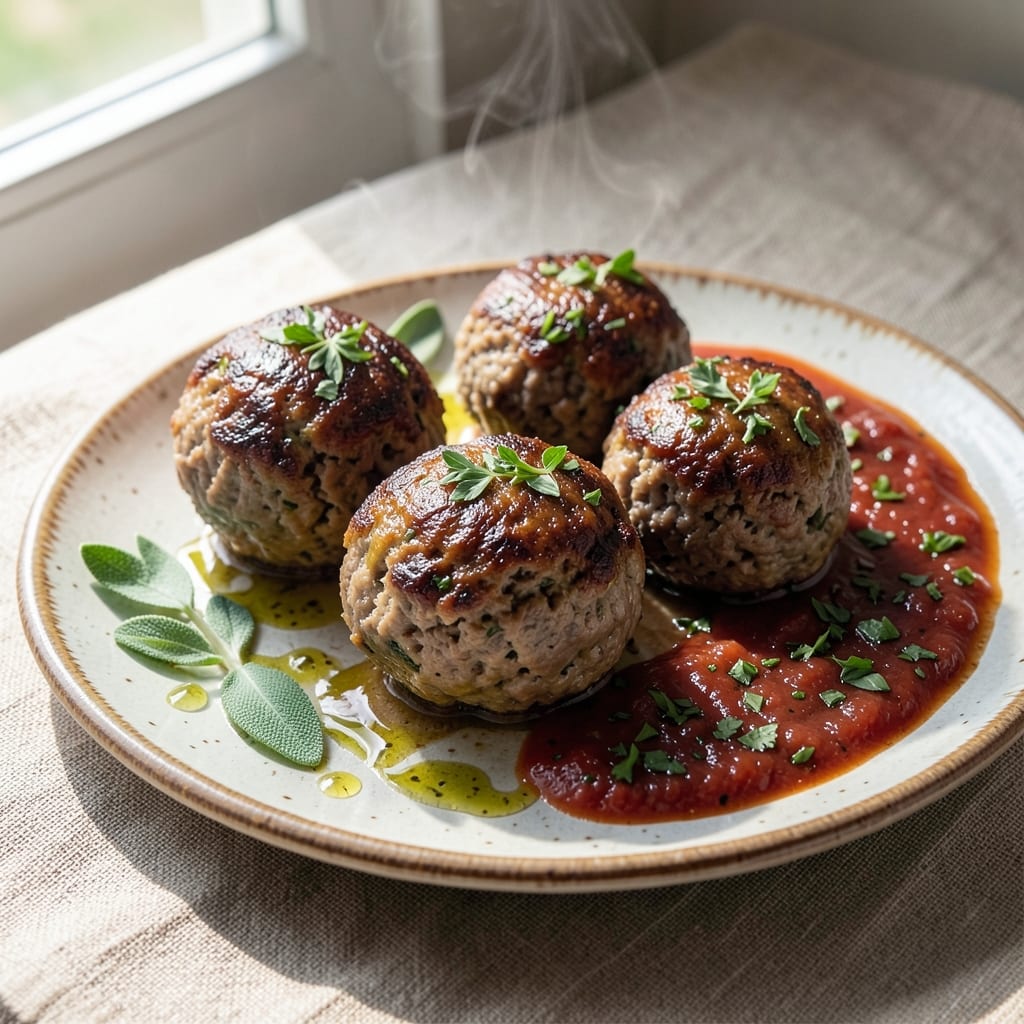
This best Italian meatball recipe with beef, pork, and veal delivers the kind of rich, herby flavor that makes every bite unforgettable. 💛 The secret lies in the perfect balance of three meats—juicy beef for structure, tender pork for moisture, and delicate veal for depth—all bound together with fresh herbs and traditional Italian techniques.
The magic starts with grinding the meats fresh (or using high-quality ground meat) and mixing them with breadcrumbs, Parmesan, and a blend of parsley, basil, and sage. This combination creates meatballs that are tender inside with a crisp exterior when baked or pan-fried. The result? Meatballs so flavorful they’ll disappear from your plate—and your guests will ask for the recipe.
Pair these meatballs with a classic tomato sauce or a hearty ragù for a dish that tastes like Nonna’s kitchen. The sauce clings to the meatballs, creating a perfect balance of rich, savory, and slightly tangy flavors. Whether you’re serving them over pasta, in a sub sandwich, or as a standalone appetizer, these meatballs are a game-changer.
Ready to make the best Italian meatballs you’ve ever tasted? The process is straightforward, and the results are worth every minute. Let’s get started!
Ingredients for best italian meatball recipe with beef pork and veal
Tri-meat magic starts with these 15 ingredients—rich flavors and tender texture guaranteed.
| Ingredient | Amount | Notes |
|---|---|---|
| Ground Beef 🥩 | 8 oz | 80% lean for juiciness |
| Ground Pork 🐖 | 8 oz | Freshly ground preferred |
| Ground Veal 🍖 | 8 oz | Substitute with extra beef if unavailable |
| Fresh Parsley 🌿 | ¼ cup | Finely chopped, stems removed |
| Fresh Basil 🌿 | ¼ cup | Finely chopped, stems removed |
| Fresh Sage 🍃 | ⅛ cup | Finely chopped, leaves only |
| Parmesan Cheese 🧀 | ½ cup | Freshly grated from block |
| All-Purpose Flour 🌾 | ¼ cup | Breadcrumbs preferred |
| Large Eggs 🥚 | 1 whole | Room temperature for best binding |
| Garlic Cloves 🧄 | 3 cloves | Minced for even distribution |
| Extra-Virgin Olive Oil 🫒 | 1 tbsp | For moisture and richness |
| Diamond Crystal Kosher Salt 🧂 | 1 tsp | Adjust to taste |
| Ground Black Pepper 🌶️ | ½ tsp | Freshly ground for best flavor |
| Red Wine 🍷 | ¼ cup | Dry variety like Cabernet Sauvignon |
| Tomato Paste 🍅 | 1 tbsp | For depth of flavor |
The meat trio is non-negotiable for authentic Italian flavor. Ground beef provides structure, pork adds moisture, and veal brings delicate sweetness—together they create the perfect texture. For the best quality, grab these from the butcher counter instead of pre-packaged ground meat (the difference is night and day). If you can't find veal, add 8 more ounces of beef—just make sure to use 85% lean for juiciness. The herbs? Fresh is essential—dried won't give you that bright, vibrant flavor. I always grab extra basil because half gets torn over the meatballs while the other half goes into the sauce.
No fresh parsley? Dried works at one-third the amount, but honestly, you'll notice the difference. Running low on red wine? Substitute beef broth with a splash of balsamic vinegar—it mimics that deep, savory note. The tomato paste can be skipped if you're using a rich ragù, but trust me, that one tablespoon adds a depth that's hard to replicate. For the breadcrumbs, panko works too—it gives a lighter, crispier texture. And if you're feeling fancy, toast the breadcrumbs in olive oil before mixing them in (worth the extra minute!). The Parmesan needs to be freshly grated—pre-grated gets clumpy and doesn't melt the same way.
Meatballs keep beautifully for 3 days in the fridge, wrapped tightly in plastic wrap. For longer storage, freeze them on a tray first (so they don't stick), then transfer to a bag. Thaw overnight in the fridge—never at room temperature. These reheat perfectly in the oven at 375°F for 15 minutes, or in a skillet with a splash of water. Pro tip: Make a double batch—they disappear fast, and leftovers make amazing meatball subs the next day. The sauce? Even better the next day as the flavors meld together.
Why You'll Love This Recipe
- I’ll be real: veal’s pricier, but mixing it with beef and pork stretches it smartly. A pound of this blend feeds four easily, and leftovers? Even better the next day—just reheat in sauce or pop in a sandwich. Frugal but feels fancy.
- No-Fuss Mixing: I swear by the 80/15/5 ratio of beef/pork/veal—it’s the magic behind how tender these stay. Just toss everything in a bowl, wet your hands, and roll. No food processor, no stress, just hands-on simplicity that actually works.
- Herb-Packed Punch: That bright parsley and basil combo isn’t just garnish—it’s the secret. Fresh, chopped fine, mixed into the meatballs before baking. The first bite hits with that herbal freshness, then melts into rich, savory goodness. (Yes, even my basil-hating husband asks for seconds.)
- Weeknight to Dinner Party: Same recipe, endless uses. Toss them in marinara for a quick pasta night, serve on crusty bread for game day, or freeze half for when you’re too tired to cook. The veal keeps them juicier than beef-only meatballs, so they reheat like a dream.
Step-by-step instructions for herb-infused tri-meat meatballs
Here's how to craft meatballs so tender and flavorful they'll fool even the most skeptical nonna.
👨🍳 Step 1: Create the Perfect Meat Mixture
In a large mixing bowl, combine the 8 oz ground beef, 8 oz ground pork, and 8 oz ground veal. This tri-meat blend gives you the perfect balance of richness and tenderness—beef for structure, pork for juiciness, and veal for delicate flavor. I like to use my hands for this part because it helps distribute the fats evenly and creates that signature Italian texture.
Add the 0.25 cup finely chopped fresh parsley, 0.25 cup chopped fresh basil, and 0.125 cup chopped fresh sage to the meat mixture. These herbs should be finely minced so they distribute evenly throughout each meatball. The combination creates a fragrant, aromatic base that will develop even more as the meatballs cook. If you're using breadcrumbs instead of flour, now's the time to add them—about 2 tablespoons—to help bind the mixture.
🥘 Step 2: Bind with Egg and Cheese
In a separate bowl, whisk together the 1 whole large egg (room temperature is key for proper binding), 0.5 cup freshly grated Parmesan cheese, 1 tbsp extra-virgin olive oil, 1 tsp Diamond Crystal kosher salt, and 0.5 tsp freshly ground black pepper. The egg acts as a natural binder, while the Parmesan adds umami depth and helps create that signature crispy exterior when seared.
Pour this mixture over the meat and herbs, then gently fold everything together using your hands or a rubber spatula. Be careful not to overwork the mixture—just combine until fully incorporated. The dough should be moist but hold together when pressed. If it feels too sticky, you can add a bit more of the 0.25 cup all-purpose flour (about 1 tablespoon at a time) to help it come together. The texture should be like wet sand—cohesive but still soft enough to shape easily.
🍳 Step 3: Form and Sear the Meatballs
Using your hands (or a small ice cream scoop for uniform size), roll the mixture into 1.5-inch diameter meatballs—about 16 total for 4 servings. Wet your hands slightly with water to prevent sticking. Place them on a parchment-lined baking sheet and refrigerate for 30 minutes to firm up. This chilling step prevents them from falling apart when you cook them.
Heat 1 tablespoon extra-virgin olive oil in a large skillet over medium-high heat until shimmering. Working in batches (to avoid crowding), add the meatballs and cook for 3-4 minutes per side until golden brown and crispy. They should develop a beautiful caramelized crust while remaining tender inside. I like to press down gently on the meatballs during the first minute to prevent them from curling and ensure even contact with the pan.
🍷 Step 4: Deglaze with Wine and Tomato Paste
Once all meatballs are browned, remove them from the skillet and set aside. Reduce heat to medium, then add the 0.25 cup red wine to the pan, scraping up all those delicious browned bits from the bottom with a wooden spoon. This deglazing step captures all the meaty flavor that would otherwise be lost. Let the wine simmer for 2-3 minutes until reduced by half.
Add the 1 tbsp tomato paste and stir to combine. The tomato paste will thicken the sauce slightly and add a rich, umami depth that complements the herbs. Return the meatballs to the skillet and spoon the sauce over them, coating evenly. Let everything simmer together for 5-7 minutes until the meatballs are heated through and the sauce has thickened slightly. The meatballs should be 160°F internally—just enough to warm through without overcooking.
Pro Tips For Making Best Italian Meatball Recipe With Beef Pork And Veal
- Chill the Meat Mix: I learned this the hard way—skipping the fridge for even 30 minutes makes the meatballs dense and greasy. Wrap the beef-pork-veal blend in plastic, press flat, and refrigerate for at least 45 minutes (yes, even if you're impatient). The cold fat redistributes, so your meatballs hold together better and brown like a dream.
- Toast the Herbs First: Fresh parsley and basil add brightness, but raw they can turn bitter when simmered. Pulse them briefly in a food processor (just 3-4 seconds) or finely chop and sauté in olive oil for 30 seconds until fragrant. This trick preserves their flavor without muddying the sauce later—trust me, your meatballs will taste fresher.
- Use a Meat Thermometer: The "poke test" fails with veal—it stays pink longer than beef. Cook meatballs to 160°F (71°C) internally, not just until they’re browned. Pull them when the center hits that temp, then let them rest 5 minutes. Overcooking dries them out, and undercooking risks veal’s toughness.
- Mix in Egg Last: I was skeptical until I tried it: add the egg after all other ingredients (breadcrumbs, cheese, herbs) are combined. This keeps the meatballs tender—egg mixed in early creates a rubbery texture. Gently fold it in just before shaping, and your meatballs stay juicy even after simmering.
Best sauces and condiments for this recipe
Classic Tomato Sauce
Start with a simple San Marzano tomato sauce—its natural sweetness and low acidity make it perfect for meatballs. I simmer 2 cups crushed San Marzano tomatoes with 2 tbsp olive oil, 3 garlic cloves (minced), 1 tsp salt, and ½ tsp red pepper flakes over medium-low heat for 20 minutes. The slow cook time lets the flavors meld beautifully with your tri-meat meatballs. 🍅
Creamy Alfredo Twist
For a richer pairing, try a brown butter Alfredo sauce that balances the herby meatballs. Melt 4 tbsp unsalted butter in a saucepan, whisk in 2 cups heavy cream, 1 cup freshly grated Parmesan, and ½ tsp nutmeg. Simmer until thickened (5-7 minutes), then stir in ½ cup chicken broth for extra depth. This sauce clings to the meatballs like a dream—perfect for a creamy, indulgent version.
Spicy Arrabbiata
If you love heat, an arrabbiata sauce is a game-changer. Blend 1 cup cherry tomatoes, 2 garlic cloves, 1 tbsp red pepper flakes, 1 tsp dried oregano, and salt until smooth. Cook the purée in olive oil for 15 minutes, then add ½ cup white wine to deglaze. The fiery kick pairs perfectly with the meatballs' herby complexity—just add a splash of cream at the end to mellow the heat slightly.
White Wine Ragù
For a lighter yet flavorful option, make a white wine ragù with 1 cup dry white wine, 1 cup chicken stock, 1 tbsp tomato paste, and 1 tsp thyme. Simmer for 10 minutes, then add ½ cup chopped mushrooms and 1 shallot (sautéed first). The earthy mushrooms and bright wine elevate the meatballs without overpowering them—ideal for a spring or summer meal.
Garlic Butter Pan Sauce
When you want minimal effort, a garlic butter pan sauce is foolproof. After searing your meatballs, deglaze the pan with ¼ cup white wine, then stir in 2 tbsp butter, 2 minced garlic cloves, and 1 tbsp fresh parsley. The sauce should coat the meatballs beautifully, adding a rich, aromatic finish. This is my go-to for quick weeknight dinners when I don’t want to fuss with a full sauce. 💛
Nutrition facts
Frequently asked questions
Why mix beef, pork, and veal in Italian meatballs?
This tri-meat blend creates the perfect balance: beef adds structure, pork keeps them juicy, and veal brings delicate sweetness. The combination prevents dryness (common with all-beef meatballs) while delivering layers of flavor. If veal is unavailable, substitute with extra beef—but never pork alone, as it can make meatballs too greasy.
Can I make these meatballs ahead of time?
Form the meatballs and refrigerate them (uncooked) for up to 24 hours before cooking. For longer storage, freeze them raw on a tray for 3 months. Cook from frozen by adding 2-3 extra minutes to the searing time. The flavors actually improve when made ahead—the herbs infuse deeper overnight.
What's the best way to cook these meatballs?
For perfect results, sear them first in olive oil over medium-high heat until golden, then finish in sauce. This two-step method creates a crisp exterior while keeping the inside tender. Baking at 400°F for 20 minutes works too, but searing adds that restaurant-quality crust. Never boil them—this makes them tough and dry.
How do I fix meatballs that fall apart?
Overmixing or skipping the chilling step usually causes this. Next time, handle the meat gently and refrigerate shaped meatballs for 30 minutes before cooking. For quick fixes, add 1 extra tablespoon flour or 1 more egg yolk to the mixture. If they're already falling apart, try pan-frying them in a little broth instead of oil—the liquid helps bind them.
What's the secret to the best sauce pairing?
A classic San Marzano tomato sauce with garlic and basil works perfectly, but don't be afraid to experiment! For richness, try a brown butter Alfredo or a white wine ragù. The key is balancing the meatballs' herby notes—acidic sauces (like arrabbiata) cut through the richness, while creamy sauces complement the tender texture. Always simmer sauces gently to avoid breaking down the meatballs.