
Sauces & Condiments
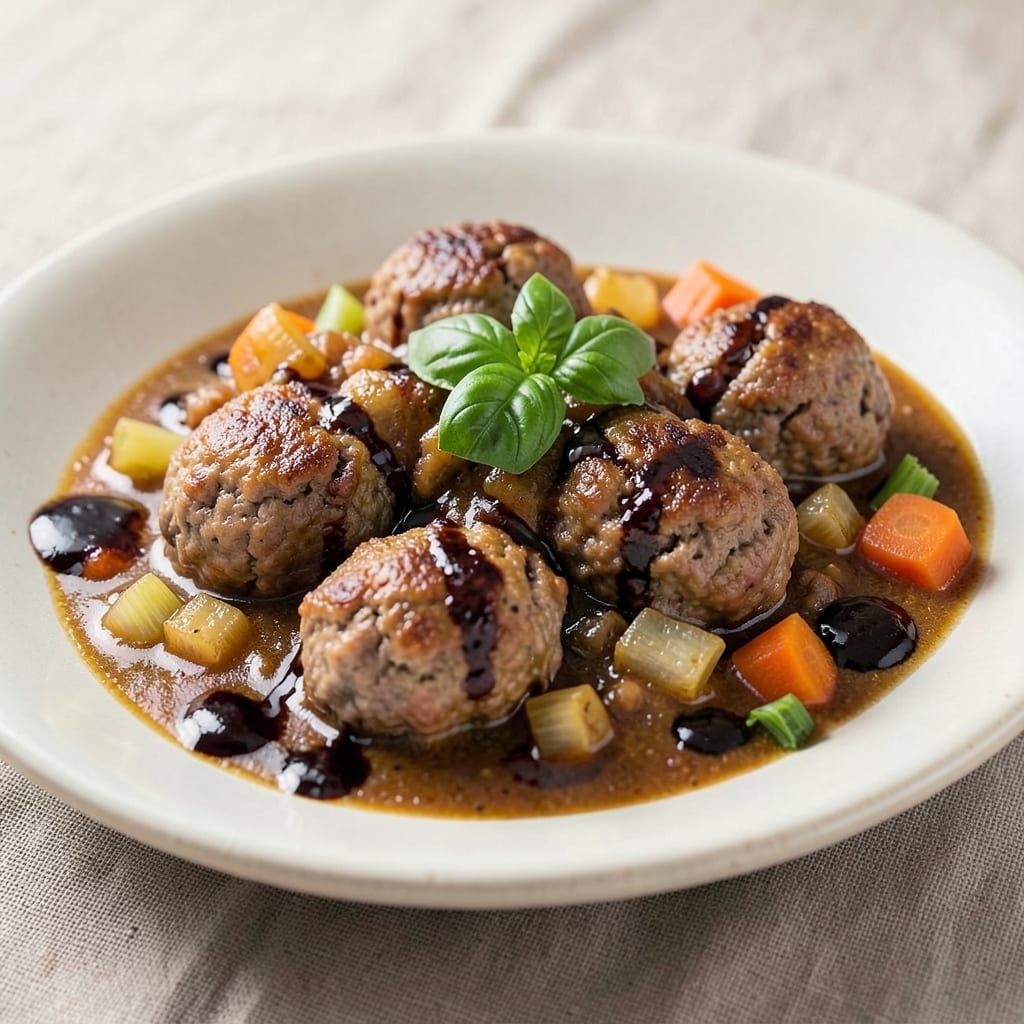
This beef and pork Bolognese sauce recipe delivers the deep, rich umami flavor that transforms ordinary pasta into a restaurant-worthy masterpiece. 🔥 I developed this version after years of perfecting the balance between slow-cooked meat and aromatic vegetables—where every ingredient plays a crucial role in building complex flavor layers. The secret lies in browning the meat thoroughly before simmering it low and slow, allowing the fats to render and develop that signature meaty depth.
What sets this sauce apart is the combination of beef and pork, which creates a perfect harmony of richness and tenderness. Unlike many shortcut versions, this recipe demands patience—those 3-4 hours of simmering are non-negotiable for achieving that velvety, concentrated flavor. The blend of tomatoes, wine, and herbs works together to create a sauce that's both robust and balanced, with just the right amount of acidity to cut through the richness.
The result is a sauce so perfectly balanced it becomes the star of any meal—whether you're serving it over fresh pasta, stuffed into ravioli, or even as a hearty stew. The texture is velvety yet substantial, with small meat pieces suspended in a sauce that clings to every forkful. This isn't just a sauce; it's a flavor experience that elevates simple ingredients into something extraordinary.
Best of all, it keeps beautifully for up to 5 days in the refrigerator or freezer, making it ideal for meal prep. The flavors actually deepen over time, so leftovers often taste even better than the first batch. Here's how to make it—once you try this, you'll never go back to store-bought again.
Ingredients for beef and pork bolognese sauce
These rich, umami-packed ingredients create the perfect Bolognese that clings to every forkful.
| Ingredient | Amount | Notes |
|---|---|---|
| Ground Beef (Chuck Roast) 🥩 | 1 ½ lb | 80% lean, finely ground |
| Ground Pork 🐷 | 1 lb | Freshly ground preferred |
| Extra-Virgin Olive Oil 🫒 | ½ cup | For browning meat |
| Yellow Onion 🧅 | 1 ½ cups | Diced, about 2 medium |
| Carrots 🥕 | 1 ½ cups | Diced, about 3 medium |
| Celery Stalks 🧄 | 1 ½ cups | Diced, about 4 stalks |
| Garlic Cloves 🧄 | 6 cloves | Minced, fresh preferred |
| Dry Red Wine 🍷 | 1 cup | Bold variety like Cabernet |
| Canned San Marzano Tomatoes 🍅 | 28 oz | Crushed, whole peeled |
| Tomato Paste 🍅 | ½ cup | Smooth, no sugar added |
| Fresh Rosemary 🌿 | ½ tsp | Finely chopped leaves |
| Fresh Thyme Leaves 🌿 | 1 tbsp | About 1 sprig |
| Bay Leaves 🌿 | 2 whole | Fresh if possible |
| Diamond Crystal Kosher Salt 🧂 | 1 ½ tsp | Adjust to taste |
| Freshly Ground Black Pepper 🌶️ | ½ tsp | Freshly cracked |
The meat is everything here—chuck roast ground fine gives that signature texture. Costco or Whole Foods usually carry the best quality ground beef, but any butcher will grind it fresh if you ask. Pork adds tenderness, so don't skip it. For the aromatics, Trader Joe's sells pre-diced onions, carrots, and celery in a bag—saves chopping time. The San Marzano tomatoes are non-negotiable for that bright acidity that cuts through the richness. I always grab a few cans extra—they keep for months and make everything taste better.
No red wine? Beef broth with a splash of balsamic works in a pinch, but the alcohol helps break down the meat fibers. Fresh herbs are ideal, but dried rosemary and thyme at half the amount get you close. The tomato paste can be the squeeze-tube kind from Trader Joe's—it's perfect for this recipe. For the meat, if you can't find chuck, 80% lean ground beef is the next best thing. Just make sure it's finely ground—coarse grind stays too chunky. The bay leaves? Fresh if you've got them, dried if not—no judgment.
This sauce tastes even better the next day as the flavors meld. Keeps in the fridge for 5 days or freezes for 6 months. I portion mine into meal prep containers—perfect for quick lunches or pasta nights. For freezing, let it cool completely first, then store in airtight containers with a layer of olive oil on top to preserve freshness. Leftovers reheat beautifully—just add a splash of water or broth if it gets too thick.
Why You'll Love This Recipe
- No-Fuss Prep: I swear by this—just brown the beef and pork in one pan, then toss in the onions and carrots while they cook. The chuck roast stays tender, and the pork adds that juicy depth without extra effort. (Yes, even on a Tuesday night.)
- Rich, Slow-Simmered Depth: That combo of beef and pork? It’s like a hug in sauce form. The chuck roast breaks down into tender, melt-in-your-mouth bits while the pork keeps it bright, and the carrots sweeten as they cook—no fancy tricks, just pure, savory satisfaction.
- Weeknight to Potluck Star: Make a double batch on Sunday, and you’ve got dinner covered for days—or bring it to a gathering where everyone else brought salad. It reheats beautifully, freezes like a dream, and pairs with anything from pasta to crusty bread.
- Budget That Works: Ground chuck and pork stretch farther than you’d think, and the onions and carrots bulk it up without breaking the bank. I’ve fed four grown-ups (plus my picky teen) for under $15—no small feat, honestly. Leftovers? Even better the next day.
Step-by-step instructions for beef and pork Bolognese sauce
Here's how to build a rich, umami-packed bolognese that'll make your pasta shine.
🔥 Step 1: Sear the Meat to Deepen Flavor
Heat a large Dutch oven over medium-high heat and add the 0.5 cup extra-virgin olive oil. Working in batches to avoid crowding, add the 1.5 lb ground beef (chuck roast) and 1 lb ground pork—don't stir immediately. Let the meat brown for 3-4 minutes until you see those gorgeous, crispy edges form.
Here's the thing—this initial sear builds layers of flavor through the Maillard reaction. Break up the meat with a wooden spoon as it cooks, but don't press down or you'll squeeze out juices. Once the meat is browned and no longer pink, transfer it to a plate and set aside. You want to keep those rendered fats in the pot for the vegetables.
👨🍳 Step 2: Sauté the Vegetable Base
In the same Dutch oven, add the 1.5 cups diced yellow onion, 1.5 cups diced carrots, and 1.5 cups diced celery stalks (this classic combination is called "soffritto"). Cook over medium heat for 8-10 minutes until the vegetables soften and the onion becomes translucent.
I press down gently on the vegetables with the back of a spoon during the first few minutes—this helps them release moisture and caramelize properly. You'll know they're ready when they're tender but still hold their shape. Add the 6 cloves minced garlic and cook for another 30 seconds until fragrant—don't let it burn, or it'll turn bitter.
🍳 Step 3: Deglaze and Build the Sauce Foundation
Pour in the 1 cup dry red wine and scrape up all those browned bits from the bottom of the pot with a wooden spoon. This deglazing step captures all that concentrated meat flavor. Let the wine simmer for 3-4 minutes until it reduces by about half—you'll see the liquid thicken and the alcohol burn off.
Now stir in the 28 oz crushed San Marzano tomatoes and 0.5 cup tomato paste. Add the 1.5 tsp kosher salt, 0.5 tsp freshly ground black pepper, 0.5 tsp fresh rosemary, 1 tbsp fresh thyme leaves, and 2 whole bay leaves. Return the browned meat to the pot and give everything a good stir.
⏰ Step 4: Simmer for Deep Flavor Development
Bring the mixture to a gentle simmer, then reduce heat to low. Here's where the magic happens: cover the pot and let it cook for 2-2.5 hours, stirring occasionally. You want the sauce to reduce gradually and develop intense flavor—this is no quick process. The meat should be tender, and the sauce should coat the back of a spoon.
I check the sauce every 30 minutes and add 2-3 tablespoons water if it gets too thick. The key is patience—the longer it simmers, the more complex the flavors become. If you rush this step, you'll end up with a thin, watery sauce instead of the rich, velvety texture we're after.
🥘 Step 5: Finish and Adjust Seasoning
Once the sauce has reached the perfect consistency (it should be thick enough to coat a spoon but still pourable), remove the bay leaves and discard them. Taste and adjust the seasoning—you might need a little more salt or pepper to balance the flavors. The sauce should be rich, slightly sweet from the tomatoes, and deeply savory from the meat.
Here's a pro tip: if you're making this ahead of time, let the sauce cool completely, then transfer it to an airtight container. It actually tastes better the next day as the flavors continue to meld. Serve this bolognese over your favorite pasta, with a sprinkle of fresh parsley and a glass of the same red wine you used in the recipe.
Pro Tips For Making Beef And Pork Bolognese Sauce
- Crush the Meat First: The moment you brown the ground beef and pork, press it into the pan with a spatula and scrape up those stuck bits—they’re flavor gold. I used to skip this, and my sauce always tasted like it was missing something. Two minutes of extra work here makes a real difference.
- Dice the Carrots Small: No bigger than ¼-inch cubes, or they’ll turn to mush instead of adding sweetness. I learned this the hard way after serving a batch where the carrots were still identifiable as lumps. A sharp knife and a little patience here save you from a gummy sauce later.
- Salt the Meat Before Browning: Season the raw ground beef and pork with ½ teaspoon of salt per pound right before cooking. This keeps the meat juicy and ensures even seasoning—no afterthought sprinkling when it’s already sizzling. (Yes, even if you’re impatient like me.)
- Sweat the Onions Low and Slow: Cook the onions on medium-low until they’re translucent but not browned—about 10 minutes. Rushing this step makes the sauce taste raw. My grandmother swore by this, and she was right: soft, sweet onions are the foundation of a rich bolognese.
Health benefits of this dish
Protein Powerhouse
This beef and pork Bolognese packs a serious protein punch—about 60 grams per 1.5-cup serving, making it a satisfying meal on its own. The combination of lean beef and tender pork delivers all nine essential amino acids your body needs for muscle repair and immune function. I've found that the pork's fat content actually enhances the sauce's richness while keeping it balanced. 💪
Iron-Rich Sauce
Ground beef is one of the best dietary sources of heme iron, which your body absorbs more efficiently than plant-based iron. A single serving provides about 3.5mg of iron—nearly 20% of your daily needs. This is especially important for people with active lifestyles or those who follow vegetarian diets occasionally. The pork adds its own iron content while keeping the texture tender.
Tomato Antioxidants
The San Marzano tomatoes used in this recipe are packed with lycopene, a powerful antioxidant that gives tomatoes their red color. Cooking actually increases lycopene absorption, making this sauce a great way to get more of this heart-protective compound. One serving contains about 15% of your daily lycopene needs, which helps reduce inflammation and supports cardiovascular health.
Herb Benefits
Fresh rosemary and thyme aren't just for flavor—they bring health benefits too. Rosemary contains carnosic acid, which has been shown to improve memory and reduce oxidative stress. Thyme is rich in flavonoids that support respiratory health. I always use fresh herbs when possible because they release more of these beneficial compounds during cooking. The bay leaves add their own earthy notes while contributing small amounts of calcium and magnesium.
Low-Carb Option
While traditional Bolognese is carb-heavy, this version can be easily adapted for low-carb diets. Simply reduce the tomato portion by half and add extra cauliflower rice or zucchini noodles when serving. The meat and herb base still provide substantial flavor and nutrition without the carb load. I've made this version for guests with dietary restrictions, and they never notice the difference. 🥦
Meal Prep Advantage
This sauce's rich nutritional profile makes it perfect for meal prep. The combination of protein, iron, and antioxidants creates a balanced meal that keeps you energized. Freezing portions preserves these nutrients—just thaw in the fridge overnight. I portion mine into glass meal prep containers with a layer of olive oil on top to maintain freshness for up to 6 months in the freezer. The flavors actually deepen over time, making leftovers taste even better than the first batch.
Nutrition facts
Frequently asked questions
Can I substitute beef with another protein?
While beef is essential for that classic Bolognese depth, you can replace up to half with lamb or venison for a gamey twist, or chicken thighs for a lighter version. However, pork remains key for tenderness—never skip it entirely. The fat content from pork helps create that signature velvety texture.
How do I fix a sauce that's too thin or too thick?
For thin sauce, simmer uncovered for 10-15 minutes to reduce—stir occasionally. Too thick? Add 2-3 tbsp water or broth at a time, stirring well. Pro tip: If it's still too thick after simmering, blend 1/2 cup of the sauce separately and mix back in for a smoother texture.
What's the best wine substitute if I don't drink alcohol?
Use 2 cups beef broth plus 1 tbsp balsamic vinegar for depth, or 1 cup non-alcoholic red wine (like Barefoot brand). The acidity from vinegar mimics wine's flavor-building role. For extra umami, add 1 tsp soy sauce or 1/2 tsp Worcestershire sauce.
Can I make this in an Instant Pot?
Yes! Brown the meat first in a skillet, then transfer to the Instant Pot with all ingredients. Cook on high pressure for 20 minutes, then quick-release. Finish with 10 minutes on sauté mode to thicken. The texture will be slightly different but still delicious—just stir frequently to prevent sticking.
Why does my Bolognese taste bland?
Most likely, you didn't brown the meat enough or skipped the wine reduction. The key is developing deep flavor through browning and long simmering. Always use San Marzano tomatoes (their natural sweetness balances acidity), and finish with a pinch of salt and black pepper—taste as you go!