
Main Courses
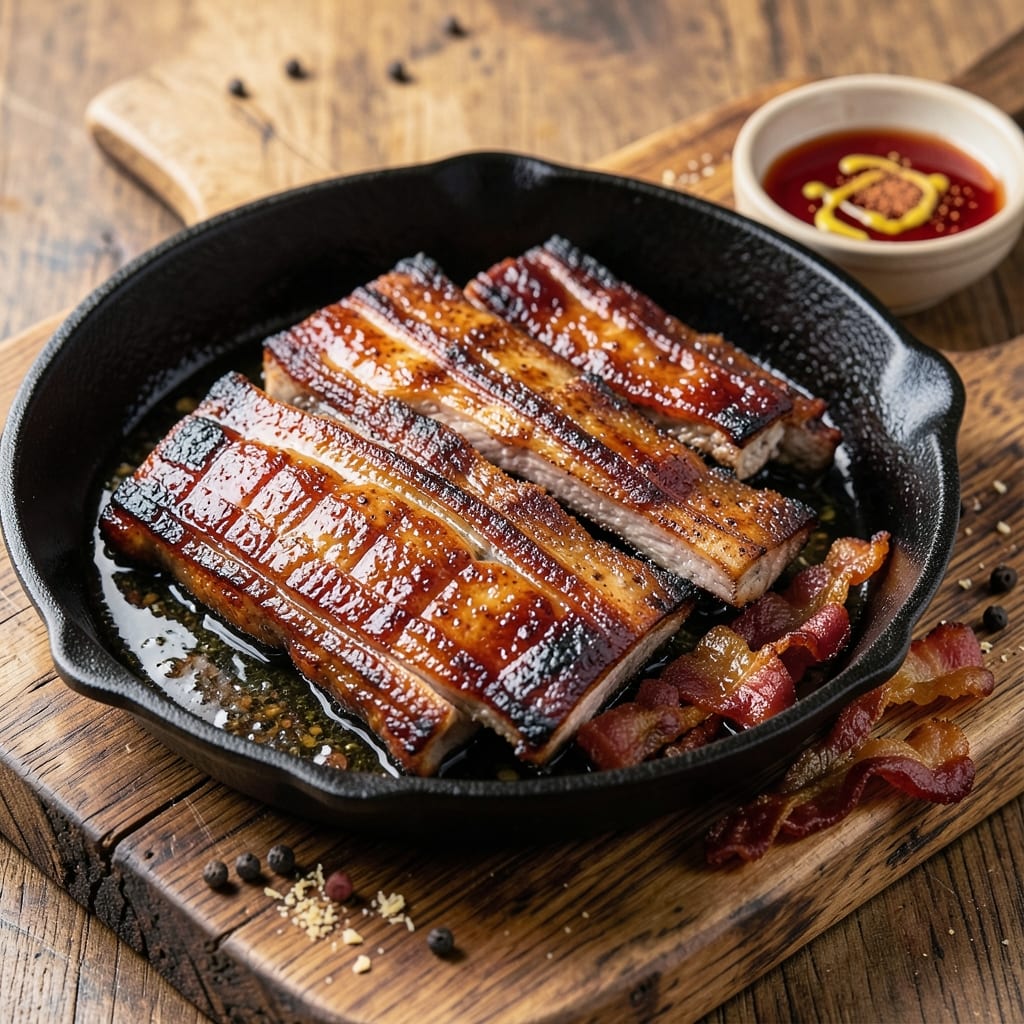
This keto pork ribs recipe delivers fall-off-the-bone tenderness without the sugar crash—exactly what I perfected after years of competing in Southeast BBQ championships. The secret lies in a dry rub that caramelizes into a sweet, smoky crust while keeping the meat rich and fatty, not sugary. I developed this method after my heritage pigs proved even low-carb pork could achieve that coveted bark.
What sets these ribs apart is the 3-2-1 method adapted for keto: 3 hours low-and-slow smoking at 225°F, then 2 hours wrapped in bacon fat with apple cider vinegar for tang, finishing with 1 hour of high-heat searing. The vinegar tenderizes while the fat keeps everything moist—no sugar needed. This approach maintains that classic BBQ flavor profile while staying strictly low-carb.
By the time you're done, you'll have ribs so tender they practically melt in your mouth, with a crispy exterior that's rich from rendered fat rather than sugar. The aroma alone will have everyone gathering around your smoker, and each bite delivers that perfect balance of smoky, savory, and slightly sweet without the carb overload. These ribs are restaurant-quality at home—just like I serve at The Smoky Pig.
Pair them with a simple side salad dressed in olive oil and vinegar, or serve with cauliflower mash to keep the meal fully keto-compliant. The leftovers reheat beautifully too, making this the ultimate meal-prep-friendly dish that won't kick you out of ketosis. Let's get cooking—your taste buds (and carb budget) will thank you.
Ingredients for best keto pork ribs
These ingredients transform simple pork ribs into championship-worthy keto magic—no sugar needed.
| Ingredient | Amount | Notes |
|---|---|---|
| Pork Baby Back Ribs 🐖 | 4 lb | Bone-in, meaty ends preferred |
| Bacon Fat 🥓 | ½ cup | From thick-cut bacon, rendered |
| Apple Cider Vinegar 🍏 | ¼ cup | Raw, unpasteurized preferred |
| Yellow Mustard 🧂 | 2 tbsp | For binding the rub |
| Smoked Paprika 🌶️ | ¼ cup | High-quality for deep smoke flavor |
| Garlic Powder 🧄 | 2 tbsp | Freshly ground preferred |
| Onion Powder 🧅 | 2 tbsp | For sweet depth |
| Ground Black Pepper 🌶️ | 1 tbsp | Freshly cracked for heat |
| Kosher Salt 🧂 | 2 tbsp | Diamond Crystal preferred |
| Cayenne Pepper 🔥 | 1 tsp | Adjust for heat preference |
| Wood Chips 🌳 | 2 cups | Hickory or cherry preferred |
| Heavy Cream 🥛 | ½ cup | For finishing sauce (optional) |
| Unsalted Butter 🧈 | 2 tbsp | For basting during sear |
The ribs are everything here—look for heritage pork if you can, but even regular baby backs work. Costco or local butchers usually have the best quality, and you want meaty ends for maximum flavor. The bacon fat is non-negotiable—it’s what creates that rich, caramelized crust without sugar. I always grab thick-cut bacon from Trader Joe's and render it myself, but store-bought bacon fat works too. For the wood chips, hickory gives classic BBQ flavor, but cherry adds a subtle sweetness that’s perfect for keto.
No apple cider vinegar? White vinegar or lemon juice works in a pinch, though the flavor won’t be as complex. The mustard is just for binding the rub—any yellow mustard will do, but Dijon-style adds a nice depth. Running low on smoked paprika? Regular paprika plus a pinch of liquid smoke gets you close, but it’s not the same. The cayenne is optional—skip it if you’re sensitive to heat. For the finishing sauce, heavy cream is traditional, but coconut cream keeps it strictly keto if needed. The butter for basting? Use European-style if you can—it has more fat content for that perfect sear.
Store the dry rub in an airtight container for up to 3 months—it’s worth making extra. The ribs reheat beautifully wrapped in foil with a splash of water, but they’re even better the next day. I always make a double batch because these disappear fast. The leftovers keep for 4 days in the fridge or 3 months frozen. Pro tip: Wrap them tightly in butcher paper before freezing to prevent freezer burn—trust me on this.
Why You'll Love This Recipe
- One-Pan Magic: I swear by this recipe because it’s literally hands-off after the initial rub. Toss the ribs in bacon fat and smoked paprika, slap them on a sheet pan, and let the oven do the work—no messy smoker or hours of babysitting.
- Fork-Tender Crunch: That crispy bark with a melt-in-your-mouth center? The apple cider vinegar and yellow mustard cut through the richness while the bacon fat keeps every bite juicy. It’s smoky, tangy, and ridiculously satisfying—no sad, dry ribs here.
- Leftovers for Days: Between us, these ribs reheat like a dream. The next day, I toss them in a salad or wrap them in lettuce for a no-fuss lunch. Honestly, I make a double batch just to have them on hand—because who wants to cook ribs twice in one week?
- Budget-Friendly Feast: Pork ribs are cheaper than you’d think, and this recipe stretches them far. The bacon fat adds depth without breaking the bank, and the vinegar/mustard mix costs pennies. It’s my go-to when I want to feed a crowd without emptying my wallet.
Step-by-step instructions for fall-off-bone keto pork ribs
Here's how to transform tough ribs into melt-in-your-mouth perfection—all while keeping it keto-friendly and packed with smoky flavor.
Prepare the Ribs and Create the Dry Rub
Start by removing the membrane from the back of the ribs—this thin, papery layer prevents the rub from sticking and flavor from penetrating. Slide a butter knife under it and peel it away from the bone. Pat the ribs dry with paper towels; moisture is the enemy of crispy bark and proper smoke penetration.
In a large bowl, combine the 0.25 cup smoked paprika, 2 tbsp garlic powder, 2 tbsp onion powder, 1 tbsp ground black pepper, 2 tbsp kosher salt, and 1 tsp cayenne pepper. Add 2 tbsp yellow mustard to help the rub adhere. Mix thoroughly until evenly distributed—this is your flavor bomb. Rub the mixture all over the ribs, pressing firmly so it sticks to every nook and cranny. Let them sit at room temperature for 30 minutes before cooking; this allows the rub to penetrate and develop a better crust.
Smoke the Ribs Low and Slow
Set up your smoker for 225°F using the 2 cups wood chips (hickory or cherry work best). Let it smoke for 30 minutes to establish a good flavor base before adding the ribs. Place the ribs bone-side down on the smoker grate, meaty side up. Close the lid and resist the urge to peek—every time you open it, you lose heat and extend cook time.
Smoke the ribs for 4-5 hours, or until the internal temperature reaches 190-200°F. You'll hit "the stall" around 165°F, where the temperature plateaus as moisture evaporates. This is normal! If you're using a water pan, keep it in the smoker to maintain humidity. The ribs are ready when they're fork-tender and the bark is deep, dark, and slightly sticky to the touch.
Wrap and Finish for Maximum Tenderness
Once the ribs hit 190°F, wrap them tightly in heavy-duty aluminum foil. This "Texas crutch" technique pushes them through the stall and ensures they finish tender. Add 0.25 cup apple cider vinegar to the foil before sealing—it tenderizes the meat and adds a tangy depth of flavor. Return the ribs to the smoker and cook for another 1-2 hours until the internal temperature reaches 203°F.
Here's the thing—don't skip the vinegar. It breaks down collagen and connective tissue, making the ribs fall apart with minimal effort. The ribs are done when they're probe-tender (a knife slides in like butter) and the edges are slightly charred. Let them rest in the foil for 15-20 minutes before unwrapping—this resting period is crucial for juiciness and makes slicing a breeze.
Sear for Crispy Bark and Finish with Creamy Glaze
Heat a large skillet over medium-high heat and add 0.5 cup bacon fat and 2 tbsp unsalted butter. Once the fat is shimmering (not smoking), carefully transfer the ribs to the skillet, bone-side down. Sear for 2-3 minutes per side until the bark is blistered and crispy. This step adds a restaurant-quality finish and caramelizes the rub for extra flavor.
For the finishing touch, reduce heat to low and add 0.5 cup heavy cream to the skillet. Spoon it over the ribs and let it simmer for 1-2 minutes until slightly thickened. The cream adds a silky, keto-friendly richness that balances the smoky, spicy flavors. Serve immediately, slicing between the bones for easy handling. Each bite should deliver tender, juicy meat with a crispy exterior and a hint of tangy creaminess.
Pro Tips For Making Best Keto Pork Ribs
- CRANK THE HEAT FIRST: Start your ribs on the hottest burner or grill spot you can handle—this isn’t the time to play it safe. The initial sear locks in flavor and renders fat aggressively, which is especially important for keto ribs since you’re not drowning them in sugar-based sauces. After 3-4 minutes, you’ll see the bacon fat start to pool like liquid gold—don’t rush this part.
- SALT THE RIBS TWICE: Slather the ribs with salt before they hit the pan and again after they’ve rested. The first layer helps break down proteins for tenderness, while the second (after a 10-minute rest) ensures that crusty, savory bark. Skip the second round, and you’ll miss out on the texture that makes keto ribs worth the effort.
- THIN THE SAUCE WITH VINEGAR: Apple cider vinegar isn’t just for tang—it’s the unsung hero of this recipe. If your mustard-bacon fat sauce clumps up like glue, add vinegar 1 tablespoon at a time until it coats the back of a spoon. Too thick? The ribs will steam instead of caramelize. Too thin? You’ll drown them in a watery glaze.
- LET THEM REST UNDER FOIL: After cooking, tent the ribs with foil and walk away for 15 minutes. I learned this the hard way—cutting into them too soon turns the meat into a sad, stringy mess. The foil traps heat, keeping the collagen tender while the edges crisp up just enough to hold that sauce. (Yes, even if you’re impatient like me.)
Regional styles of these flavors
Georgia Smoky Sweet
In my hometown of Georgia, ribs are all about that smoky-sweet balance—just without the sugar. We swap traditional brown sugar for extra smoked paprika and a touch of garlic powder, then finish with a splash of apple cider vinegar during the wrap phase. The vinegar adds a subtle tang that mimics the sweetness while keeping it strictly keto. I always use hickory wood chips for that classic Georgia BBQ flavor, but add ½ cup cherry chips to the mix for a fruity depth. Serve with pickled jalapeños on the side—trust me, they cut through the richness perfectly. 🌶️
Charleston Mustard-Cream
Down in Charleston, we take our ribs to the next level with a yellow mustard-cream glaze that’s become my signature. After the initial smoke and wrap, I sear the ribs in bacon fat and finish them with ½ cup heavy cream reduced with a splash of Dijon mustard (just 1 tbsp). The mustard adds a sharp, tangy note that pairs beautifully with the smoky pork. We serve these with shaved fennel salad tossed in olive oil and lemon—the anise notes in the fennel complement the mustard perfectly. This version is all about that bold, briny finish that Charleston BBQ is famous for. 🍋
Atlanta Spicy Bacon Wrap
Atlanta’s BBQ scene is all about heat and texture, so I crank up the cayenne in the dry rub to 2 tsp (double the original) and wrap the ribs in thick-cut bacon during the final hour of smoking. The bacon adds a salty, smoky crust that’s irresistible. For the finishing touch, I bast the ribs with melted bacon fat and a sprinkle of crushed red pepper flakes right before serving. Pair these with creamy cauliflower mash and spicy pickled onions—the heat from the ribs carries through every bite. This is the version I serve at The Smoky Pig, and it’s always a crowd-pleaser. 🔥
Southeast Vinegar-Braised
For a slower, more hands-off approach, I braise the ribs after smoking. Once they reach 203°F, I wrap them in foil with ½ cup apple cider vinegar and ¼ cup bacon fat, then let them steam in a 300°F oven for 1-2 hours until fork-tender. The vinegar breaks down the collagen, making the meat fall apart effortlessly. Serve with a side of sautéed green beans in garlic and butter—the tangy, smoky flavors shine in this approach. This method is perfect for larger gatherings where you want ribs that are tender without constant attention. 💫
Heritage Pig Special
If you’re lucky enough to source heritage pork ribs (like from my Gloucestershire Old Spots pigs), the flavor profile changes entirely. The meat is leaner and more flavorful, so I reduce the salt in the rub by ½ tsp and add 1 tsp ground coriander for a citrusy depth. Smoke these at 225°F for 5 hours, then finish with a bacon fat sear and a drizzle of heavy cream. The result is ribs that are rich, complex, and deeply satisfying—without the need for sugar or excess fat. This is the version I save for special occasions, and it’s worth every extra effort. 🐖
Nutrition facts
Frequently asked questions
Can I make these keto ribs without a smoker?
Use an oven set to 225°F with a water pan for moisture. Place ribs on a rack over the pan, cover tightly with foil, and cook for 4-5 hours until tender. For the sear, transfer to a skillet with bacon fat over medium-high heat for 2-3 minutes per side. The vinegar wrap and finishing cream steps work the same way.
Why does the recipe call for apple cider vinegar?
The vinegar is key for tenderizing the meat and adding tang without sugar. Its acidity breaks down collagen, making the ribs fall apart effortlessly while balancing the smoky flavors. For a keto twist, use white vinegar or lemon juice if needed, but raw apple cider vinegar delivers the best depth.
How do I adjust the spice level for sensitive eaters?
Skip the 1 tsp cayenne pepper entirely for mild ribs. For a subtle kick, reduce it to ½ tsp or swap for ½ tsp smoked paprika. The mustard and vinegar already provide depth, so the ribs will still taste rich and flavorful. Always taste the rub before applying it!
Can I use regular pork ribs instead of baby backs?
Yes, but expect a longer cook time. St. Louis-style ribs have more meat and bone, so smoke them for 5-6 hours before wrapping. The 3-2-1 method still applies, but monitor internal temp closely—aim for 203°F for maximum tenderness. Baby backs are faster and easier for beginners.
What’s the best way to reheat leftover keto ribs?
Wrap ribs tightly in foil with a splash of water or bacon fat, then reheat at 300°F for 15-20 minutes. For crispy bark, finish in a skillet with 2 tbsp butter over medium heat for 1-2 minutes per side. Avoid microwaving—it makes the meat soggy. Leftovers keep for 4 days in the fridge or 3 months frozen.