
Soups & Stews
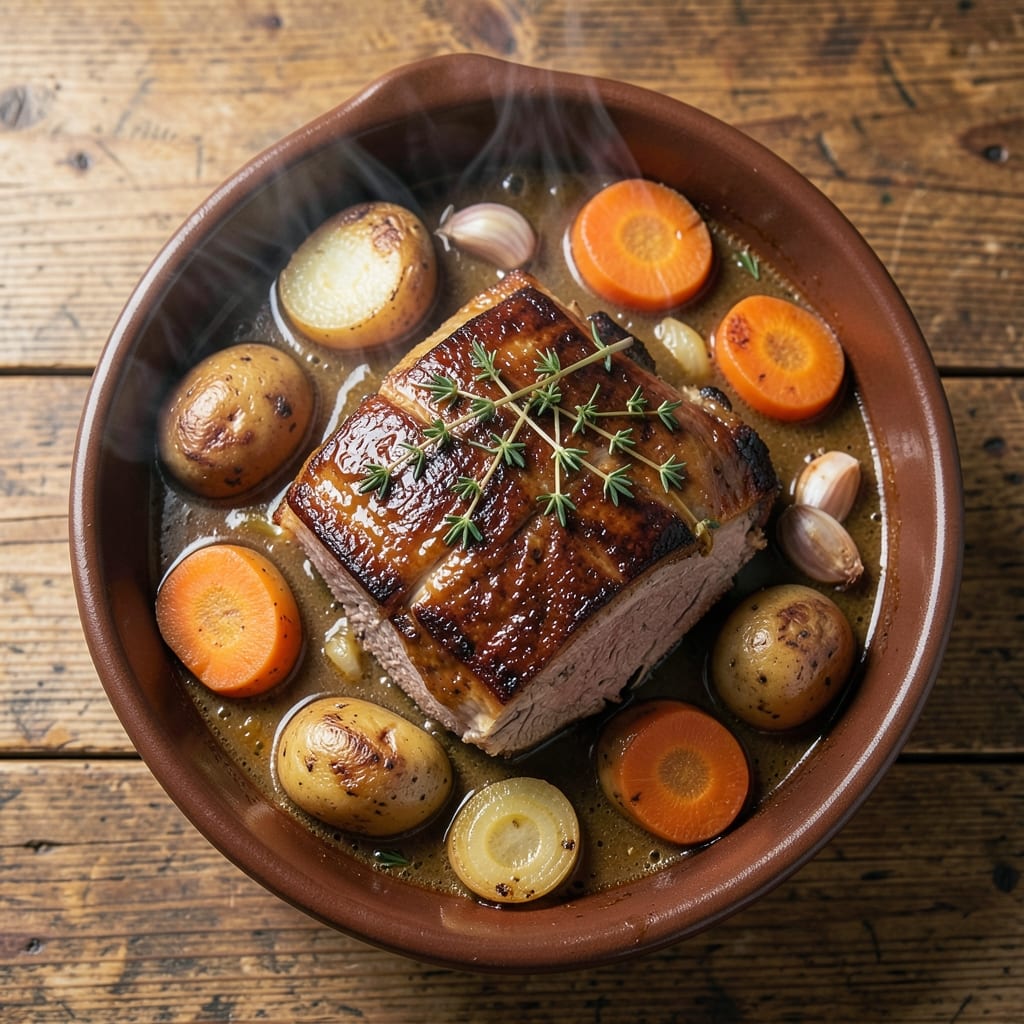
This best pork stew recipe ever delivers the kind of deep, savory richness that turns weeknight dinners into comfort food masterpieces. 💛 Growing up in small-town Georgia, I learned that slow-cooked pork with tender potatoes creates a dish so satisfying it becomes the centerpiece of any meal. The secret lies in braising the pork until it's fall-apart tender while developing a flavorful broth that coats every ingredient perfectly.
What sets this recipe apart is the crispy potato technique—a modern twist on a classic method that ensures golden, textured edges without sacrificing the stew's hearty texture. Using a mix of bone-in pork shoulder and carrots, we build layers of flavor through slow simmering, while aromatic herbs and spices infuse the broth with warmth. This isn't just a stew; it's a foolproof method that transforms simple ingredients into a restaurant-quality dish.
The result is a deep-savory simmer with melt-in-your-mouth pork, perfectly tender vegetables, and those coveted crispy potatoes that add a satisfying crunch. The aroma alone will have everyone gathering around the table, and the first bite delivers on that promise of comfort food done right. Whether you're feeding a family or hosting a dinner party, this stew delivers restaurant-quality results with minimal effort.
Pair it with crusty bread to soak up every last drop of that rich, flavorful broth. The beauty of this recipe is its versatility—it reheats beautifully for leftovers and scales effortlessly for larger gatherings. Let's get cooking!
Ingredients for best pork stew recipe ever
The foundation of a restaurant-quality pork stew starts with these 15 carefully chosen ingredients.
| Ingredient | Amount | Notes |
|---|---|---|
| Bone-In Pork Shoulder 🍖 | 3 lb | Cut into 2-inch chunks, bone-in preferred |
| Yellow Onions 🧅 | 2 whole | Medium size, roughly chopped |
| Carrots 🥕 | 1 ½ lb | Baby or regular, peeled and cut into chunks |
| Russet Potatoes 🥔 | 2 ½ lb | Yukon Gold preferred, cut into 1-inch chunks |
| Garlic Cloves 🧄 | 6 cloves | Fresh, minced for depth of flavor |
| Fresh Thyme 🌿 | ¼ cup | Stems removed, loosely packed |
| Fresh Rosemary 🌿 | ⅛ cup | Needles only, finely chopped |
| Tomato Paste 🍅 | ¼ cup | High-quality, no sugar added |
| Beef Broth 💧 | 4 cups | Low-sodium preferred, homemade or quality store-bought |
| Red Wine 🍷 | 1 cup | Bold dry red, like Cabernet Sauvignon |
| Olive Oil 🫒 | ¼ cup | Extra-virgin for crisping potatoes |
| Salt 🧂 | 1 ½ tsp | Diamond Crystal kosher salt |
| Black Pepper 🌶️ | 1 tsp | Freshly cracked for maximum flavor |
| Bay Leaves 🍃 | 2 whole | High-quality, remove before serving |
| Fresh Parsley 🌿 | 0.1 cup | Chopped for garnish, optional |
The bone-in pork shoulder is non-negotiable here—its collagen-rich connective tissue dissolves during slow cooking, creating that luxurious, velvety broth. Local butchers often have the best cuts, but if you're shopping at Whole Foods or Kroger, look for well-marbled pieces with a deep pink hue. For the potatoes, Yukon Golds strike the perfect balance between starchy and waxy, but Russets work if that's what you've got. The key is cutting them evenly—aim for 1-inch chunks so they cook through without turning to mush. As for the herbs, fresh thyme and rosemary from the grocery store's produce section (not the dried aisle) will give you that authentic, aromatic depth that separates home cooks from professionals.
No red wine on hand? Substitute with extra beef broth—just add an extra splash of balsamic vinegar for complexity. Fresh herbs wilt fast, so dried thyme and rosemary work in a pinch (use half the amount). For the tomato paste, San Marzano is ideal, but any quality paste will do—just avoid the watery, sugar-loaded varieties. The carrots can be swapped for parsnips if you're feeling adventurous, though they'll have a slightly different texture. And if you're short on time, pre-minced garlic from the jar is perfectly acceptable (just add an extra clove). The secret weapon here is the crispy potatoes—don't skip the olive oil toss before roasting, or you'll miss out on that satisfying crunch.
This stew only gets better with time, so make a big batch—it reheats beautifully and tastes even richer the next day. Store in an airtight container in the fridge for up to 5 days, or freeze for 3 months by portioning into individual containers. For serving, I like to transfer the stew to a Dutch oven and reheat on the stovetop over medium-low heat, stirring occasionally. The potatoes will crisp up again, and the broth will reduce slightly, intensifying the flavors. Garnish with fresh parsley just before serving—it adds a pop of color and freshness that makes the dish feel special.
Why You'll Love This Recipe
- Foolproof Slow Cooker: I swear by the set-it-and-forget-it magic here. Toss the bone-in pork shoulder, chopped onions, and whole garlic cloves into the pot—no fancy prep, just dump-and-go. By dinner, the meat falls off the bone, and the potatoes soak up all that rich, caramelized flavor.
- Deep Umami Magic: That bone-in pork shoulder? It’s the star. As it simmers, the marrow melts into the broth, turning it into something so rich and savory it makes store-bought gravy taste sad. The onions and carrots caramelize just enough to add this sweet, earthy depth—no fancy reductions needed.
- Weeknight Workhorse: This isn’t just a Sunday dinner. I’ve served it at game nights (because it feeds a crowd without fuss), packed it for lunch the next day (yes, even better cold), and even reheated leftovers for breakfast hash. The potatoes hold up like champs, and the pork stays tender—no one will guess it’s reheated.
- Budget-Friendly Luxury: Bone-in pork shoulder is the most economical cut for flavor, and this recipe stretches it across multiple meals. A single pot yields six servings, and the ingredients—onions, carrots, potatoes—are pantry staples. Honestly, it’s the kind of dish that makes you feel like you’re eating fancy without breaking the bank.
Step-by-step instructions for deep-savory pork stew
Master this technique and you'll achieve restaurant-quality pork stew with tender meat and perfectly crispy potatoes.
🔥 Step 1: Sear the Pork Shoulder for Maximum Flavor
Heat a large Dutch oven over medium-high heat until very hot. Add 0.25 cup olive oil and swirl to coat the bottom evenly. Working in batches if needed, add the 3 lb bone-in pork shoulder cut into 2-inch chunks, leaving space between pieces. Sear undisturbed for 4-5 minutes until deeply browned on all sides.
This crucial step develops the Maillard reaction, creating deep, complex flavors that form the foundation of your stew. Don't rush this—you'll know it's ready when the pork releases easily from the pan and develops a rich, caramelized crust. Transfer the browned pork to a plate and set aside.
👨🍳 Step 2: Build the Aromatic Base with Onions and Carrots
In the same Dutch oven, add 2 whole yellow onions cut into rough chunks and 1.5 lb carrots cut into 1-inch chunks. Cook over medium heat for 8-10 minutes, stirring occasionally, until the onions soften and the carrots begin to caramelize at the edges.
Here's where the real flavor development happens. You want those onions to turn golden brown and slightly translucent, while the carrots develop a subtle sweetness. Add the 6 cloves minced garlic cloves and cook for an additional 1 minute until fragrant. This aromatic base forms the flavor foundation for your entire stew.
🍳 Step 3: Develop the Sauce with Wine and Tomato Paste
Pour in the 1 cup red wine and scrape up all the browned bits from the bottom of the pan with a wooden spoon. This deglazing step captures all those concentrated flavors. Let the wine simmer for 3-4 minutes until reduced by half, then stir in the 0.25 cup tomato paste and cook for another 2 minutes to deepen the color and flavor.
This is the moment that matters: the wine should reduce to a syrupy consistency, and the tomato paste should blend seamlessly into the sauce. The sauce should coat the back of a spoon with a rich, velvety texture. If it looks too thick, add 2 tablespoons of beef broth to loosen it slightly.
🥘 Step 4: Simmer the Stew with Potatoes and Herbs
Return the browned pork shoulder to the Dutch oven. Add the 2.5 lb russet potatoes cut into 1-inch chunks, 4 cups beef broth, 0.25 cup fresh thyme, 0.125 cup chopped fresh rosemary, 1.5 tsp salt, 1 tsp black pepper, and 2 whole bay leaves. Bring to a gentle boil, then reduce heat to low and cover partially.
Simmer for 1 hour 30 minutes until the pork is fork-tender and the potatoes begin to soften. Here's the secret: the potatoes should be partially submerged in the liquid, allowing them to absorb flavors while maintaining their structure. Stir occasionally to prevent sticking, but avoid over-mixing which can break down the meat.
🔥 Step 5: Achieve Crispy Potatoes and Perfect Tender Meat
Remove the lid and increase heat to medium-high. Simmer uncovered for an additional 20-30 minutes until the liquid reduces and the potatoes develop a crispy exterior. You'll know they're ready when they look golden brown in spots and the edges pull away slightly from the liquid.
This final step transforms your stew from ordinary to extraordinary. The reduced liquid creates a rich, concentrated sauce that coats every bite, while the crispy potatoes add delightful texture contrast. The pork should be fork-tender, falling apart easily when pierced. Remove and discard the bay leaves before serving.
🍽️ Step 6: Finish and Serve with Fresh Herbs
Taste and adjust seasoning if needed, then stir in the 0.1 cup chopped fresh parsley just before serving. The parsley adds a bright, fresh finish that cuts through the richness of the stew. Ladle the stew into warm bowls and serve immediately, garnished with additional parsley if desired.
Each bite should deliver perfectly tender pork, crispy potatoes, and a rich, savory sauce that coats your spoon. The combination of deep flavors from the seared pork, aromatic vegetables, and aromatic herbs creates a harmonious balance that makes this the best pork stew you'll ever make.
Pro Tips For Making Best Pork Stew Recipe Ever
- SEAR THE SHOULDER FIRST: Don’t rush this—get your Dutch oven screaming hot and walk away until you hear that sizzle turn into a crackle. A deep, dark crust on the pork shoulder locks in flavor and keeps it from falling apart later. I used to skip this, and the stew always tasted underwhelming.
- CUT POTATOES LARGE: Russets break down fast, so chunk them into 2-inch pieces—they’ll soften but stay intact. Small dice turns your stew into mush. (Yes, even if it looks awkward, it’s the only way to get that creamy texture without gluey potatoes.)
- SALT THE POTATOES BEFORE ADDING: Toss those cut potatoes in a generous pinch of salt and let them sit while you brown the meat. This jumpstarts their seasoning and prevents bland, waterlogged spuds. I learned this the hard way—salting later just doesn’t cut it.
- LOW AND SLOW IS NON-NEGOTIABLE: After the initial sear, drop the heat to 300°F (150°C) and let that pork shoulder cook for hours—until it’s falling off the bone. Rushing it turns tough meat into chewy disappointment. (Yes, I’ve done it. No, you shouldn’t.)
Essential equipment for this dish
Dutch Oven Essentials
Your Dutch oven is the heart of this recipe—look for a 5-6 quart enameled cast iron like the Le Creuset Signature or Lodge Pre-Seasoned. I’ve cooked thousands of pounds of pork in my Lodge 6.5-quart and never had an issue. The heavy base distributes heat evenly, and the lid traps steam for perfect braising. If you don’t own one, a heavy-bottomed stainless steel pot works in a pinch, but expect slightly less even cooking. 🔥
High-Quality Knives
A sharp 8-inch chef’s knife and a boning knife are non-negotiable for prepping pork shoulder and potatoes. I swear by my Wüsthof Ikon—it glides through bone-in pork like butter. For chopping onions and carrots, a French-style knife with a 10-inch blade gives you the best control. Dull knives make prep frustrating, and frustration leads to uneven cuts. Invest in a honing steel and whetstone to keep them razor-sharp.
Wooden Spoons and Spatulas
A heat-resistant wooden spoon (I use Oxo Good Grips) is your best friend for stirring without scratching the Dutch oven’s enamel. For deglazing, a heatproof silicone spatula helps scrape up those flavorful browned bits from the bottom. Avoid metal utensils—they can damage the pan’s surface over time. I also keep a long-handled spoon for stirring while the pot is on the stove, preventing burns.
Measuring Tools
Precision matters, especially with tomato paste and red wine. Use a liquid measuring cup for the wine and broth, and a small stainless steel measuring spoon set for herbs and spices. My OXO Good Grips set has never failed me. For the olive oil, a medicine dropper or small ladle ensures you add exactly ¼ cup without overdoing it. Don’t eyeball measurements—consistency is key for repeatable results.
Instant-Read Thermometer
A digital instant-read thermometer like the ThermoWorks ThermoPop is a game-changer for checking pork doneness. Insert it into the thickest part of the pork shoulder—it should reach 203°F for fall-apart tenderness. I also use it to monitor the potato temperature during the final crisping stage. No more guessing! This tool alone will elevate your stew from "good" to "restaurant-quality." 🌡️
Optional but Helpful
For the crispy potato technique, a wire cooling rack placed over a baking sheet helps drain excess oil after roasting. I also recommend a fine-mesh strainer if you want to skim fat from the broth later—though I often leave it in for extra richness. A timer (even your phone works) ensures you don’t overcook the stew. And if you’re feeling fancy, a tongs set makes transferring crispy potatoes to bowls effortless.
Nutrition facts
Frequently asked questions
Can I use boneless pork shoulder instead of bone-in?
You can absolutely use boneless pork shoulder, but expect a slightly different texture and broth. The bones add depth and richness to the sauce, so if you skip them, add an extra ½ cup beef broth and a 1-inch piece of pork knuckle (if available) for better flavor. The meat will still be tender, but the sauce won't be as velvety. For maximum flavor, stick with bone-in whenever possible!
How do I make this stew in a slow cooker?
Transfer the seared pork, onions, carrots, and garlic to a 6-quart slow cooker. Add all remaining ingredients and cook on low for 8 hours or high for 5 hours. For crispy potatoes, transfer them to a baking sheet with 1 tablespoon olive oil, roast at 425°F for 20 minutes, then stir into the stew before serving. The slow cooker method is perfect for hands-off cooking!
What's the best way to reheat leftovers?
Reheat gently in a pot over low-medium heat until warmed through, stirring occasionally. For extra crispy potatoes, transfer them to a baking sheet and broil for 3-5 minutes until golden. Never microwave—it makes the potatoes soggy and the broth watery. This stew actually tastes better the next day as flavors meld further!
Can I substitute red wine with something else?
Yes! Use 1 cup beef broth plus 1 tablespoon balsamic vinegar for depth, or 1 cup apple cider for a sweeter note. For a non-alcoholic version, try 1 cup cranberry juice mixed with 1 tablespoon soy sauce. The key is maintaining acidity and richness—never skip the tomato paste, as it adds essential umami flavor.
Why did my potatoes turn mushy?
Mushy potatoes usually mean they cooked too long or were cut too small. For perfect texture, cut them into 1-inch chunks and keep them partially submerged in liquid. If using older potatoes, soak them in cold water for 20 minutes before cooking to remove excess starch. Also, avoid stirring the stew too much during the final 20-30 minutes of uncovered simmering.