
Main Courses
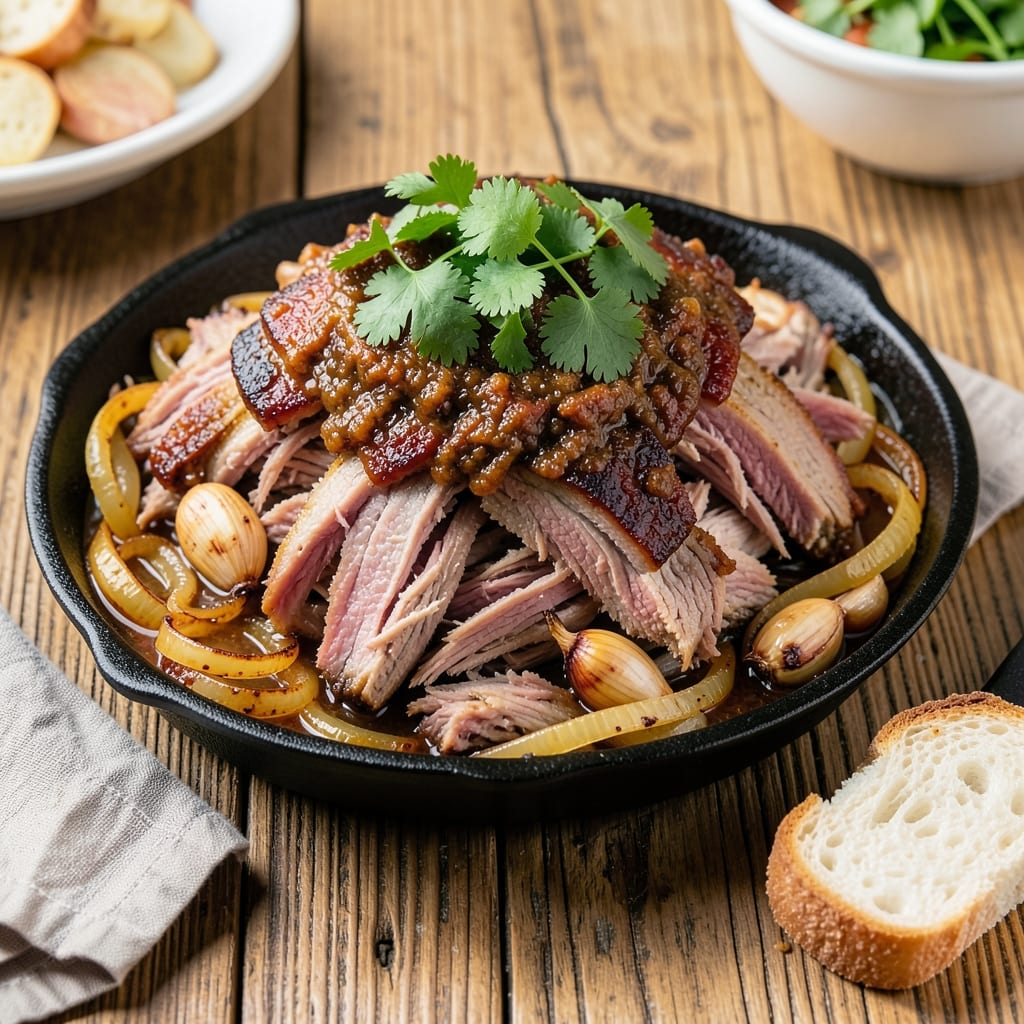
This best smoked pulled pork recipe ever transforms tough pork shoulder into melt-in-your-mouth perfection with deep smoke infusion and a signature bark—no shortcuts, just time-tested technique. The secret lies in low-and-slow smoking at 225°F for 10-12 hours, using hickory or applewood for that authentic barbecue flavor, while a dry rub of paprika, brown sugar, and garlic builds layers of complexity. I perfected this recipe during a Portland summer when my backyard smoker became the neighborhood gathering spot, and every bite earned rave reviews—even from my picky daughter Lily, who usually turns her nose up at anything "too smoky."
The magic happens when the pork reaches 203°F internal temperature, where the collagen breaks down into rich, gelatinous goodness that makes it practically fall apart at the touch. A foolproof pull method—using two forks to shred the meat—ensures every strand is tender and coated in its own smoky juices, ready to be piled high on buns or mixed with tangy coleslaw. The bark, crisped from the rub, adds texture that elevates this dish from simple to showstopping, proving that patience in the kitchen pays off in the most delicious way possible.
What you’ll end up with is restaurant-quality pulled pork that’s rich, smoky, and impossibly tender—each bite packed with deep flavor and a satisfying snap from the bark. The aroma alone will have your guests lining up for seconds, and the versatility means it works just as well in tacos, sandwiches, or even as a hearty breakfast hash. This isn’t just pulled pork; it’s a weekend project that delivers results worth the wait, turning a simple pork shoulder into a centerpiece dish that steals the show.
Pair it with classic sides like creamy coleslaw, buttery cornbread, and a crisp green salad to round out the meal, or serve it as a standalone main with pickles and onions for that true barbecue experience. The best part? Leftovers reheat beautifully, making this the ultimate make-ahead meal for crowds or meal prep. Let’s get smoking—your taste buds will thank you.
Ingredients for best smoked pulled pork recipe ever
Twelve ingredients transform tough pork into restaurant-quality pulled pork with smoky depth and crisp bark.
| Ingredient | Amount | Notes |
|---|---|---|
| Boneless Pork Shoulder 🐖 | 8 lb | Well-marbled for juiciness |
| Yellow Onion 🧅 | 2 whole | Chopped into 1-inch pieces |
| Garlic Cloves 🧄 | 8 cloves | Minced for rub and bark |
| Smoked Paprika 🌶️ | ½ cup | For deep smoky flavor |
| Brown Sugar 🍚 | ¼ cup | Packed for sweet bark |
| Kosher Salt 🧂 | 2 tbsp | Diamond Crystal preferred |
| Ground Black Pepper 🌶️ | 1 ½ tbsp | Freshly cracked |
| Ground Cumin 🌿 | 1 tbsp | Toasted for depth |
| Apple Wood Chips 🌳 | 2 lb | Hickory works too |
| Yellow Mustard 🍯 | 2 tbsp | For initial coating |
| Apple Cider Vinegar 🍎 | ¼ cup | For finishing bark |
| Black Peppercorns 🌶️ | 1 tbsp | Crushed for garnish |
The pork shoulder is non-negotiable—8 lbs is perfect for 12 servings, and marbling is key for that melt-in-your-mouth texture. Grab it from Costco or your local butcher shop; they'll often cut it to size. The wood chips are where the magic happens—apple wood gives that classic sweetness, but hickory adds a bolder smokiness. If you can't find apple, peach or cherry work beautifully too. Prep the rub ingredients ahead: toast the cumin seeds in a dry pan for 30 seconds to deepen their flavor—game-changer—then grind them with the other spices. The mustard coating is crucial; it helps the rub stick and adds a subtle tang that balances the smokiness.
No smoked paprika? Regular paprika plus 1/2 tsp liquid smoke gets you close. Running out of apple wood? Oak chips are the universal backup. The vinegar can be swapped for apple juice if you're avoiding acidity, though it won't give the same bark. For the bark, I always use Diamond Crystal kosher salt—it's coarser and clings better than table salt. If you're short on time, skip the vinegar step but don't skip the extra salt sprinkle before the final hour of smoking. The onions and garlic in the rub? Freshly minced makes all the difference—pre-shredded gets soggy and dulls the flavor. Store your rub ingredients in an airtight container for up to 3 months.
This pork is a make-ahead masterpiece—it actually tastes better the next day as the flavors meld. Wrap the cooked pork tightly in foil and refrigerate for up to 5 days, or freeze for 3 months by portioning into airtight containers. The bark stays crisp for about 24 hours at room temperature, so serve it fresh if you can. For leftovers, reheat slowly in the oven with a splash of apple cider or beef broth to restore moisture. The wood chips? Soak them in water for 30 minutes before using to prevent flare-ups, and store them in a sealed bag in the fridge for up to 6 months. Trust me, you'll want to make this again.
Why You'll Love This Recipe
- Foolproof Prep: I swear by this—just rub the pork shoulder with garlic, paprika, and a touch of brown sugar, then let the smoker do the work. No fancy prep, no stress, and the onions caramelize right on the same tray. Honestly, I’ve made it while watching a movie.
- Smoke-Infused Magic: That smoked paprika and brown sugar combo? It turns ordinary pork into something dangerously addictive. The bark gets crispy, the meat stays tender, and every bite has this deep, smoky-sweet balance that makes you close your eyes.
- Weeknight to Party: Serve it on buns for tacos, toss it in sandwiches, or pile it high on a platter—this pork works for lazy nights and big gatherings. Between us, I’ve fed a crowd of 12 with one shoulder, and no one complained. (They always ask for the recipe.)
- Leftovers That Don’t Suck: Smoked pulled pork actually tastes better the next day. I’ll be real: I make a double batch on Sundays just to have it ready for quick lunches or late-night cravings. Plus, it’s cheap—one cut of meat stretches for days without breaking the bank.
Step-by-step instructions for perfectly smoked pulled pork
Here's how to transform an 8 lb pork shoulder into melt-in-your-mouth perfection with deep smoke flavor and that coveted fall-apart texture.
Prep the Pork with Mustard and Seasoning
Start by coating the entire pork shoulder with the 2 tablespoons of yellow mustard—this creates a barrier that helps the rub stick and contributes to that beautiful bark later. I like to use a paper towel to spread it evenly, getting into all the crevices and fat cap.
Next, mix together the 0.5 cup smoked paprika, 0.25 cup packed brown sugar, 2 tablespoons kosher salt, 1.5 tablespoons ground black pepper, and 1 tablespoon ground cumin in a small bowl. The brown sugar here isn't just for sweetness—it helps caramelize during smoking, creating that dark mahogany crust we all crave. Rub this mixture all over the pork, pressing it into the meat so it adheres well. Let it sit at room temperature for 30 minutes before smoking—this allows the seasoning to penetrate and the meat to come up to temperature more evenly.
Set Up the Smoker with Apple Wood
While the pork seasons, prepare your smoker by adding the 2 pounds of apple wood chips to the wood chip tray. Apple wood imparts a subtle sweetness that pairs beautifully with pork, though hickory works too if that's what you have on hand. Soak the wood chips in water for 30 minutes if your smoker requires it, then drain well before adding to the tray.
Set your smoker to 225°F and let it preheat for at least 15 minutes. You'll know it's ready when you see clean, blue smoke wafting from the chimney—not thick white smoke, which indicates unburned wood. This low-and-slow temperature is crucial for tender, juicy pork that falls apart at the touch. Place a water pan in the smoker to maintain moisture throughout the long cook.
Smoke the Pork Low and Slow
Once your smoker reaches 225°F, place the pork shoulder fat-side up on the grill grates. The fat will render slowly and baste the meat as it cooks, contributing to both flavor and moisture. Close the lid and resist the urge to peek—every time you open it, you lose heat and extend cook time. This is where patience pays off.
Smoke the pork for 12-14 hours, maintaining that 225°F temperature. You'll hit "the stall" around the 6-8 hour mark when the internal temperature plateaus at 165-170°F. This is normal—it's the meat releasing moisture as it cooks. Don't panic or adjust the heat. Instead, prepare to wrap the pork when you reach this stage.
Wrap and Finish for Maximum Tenderness
When the pork hits the stall, remove it from the smoker and wrap it tightly in two layers of aluminum foil. I like to add a small amount of apple cider vinegar and crushed black peppercorns inside the foil with the pork—this adds a bright, tangy note and helps break down the collagen further. Return the wrapped pork to the smoker and continue cooking until the internal temperature reaches 203°F and the meat is fork-tender with no resistance.
This final stage, often called the "Texas crutch," typically takes another 2-4 hours. The foil creates a steam environment that helps tenderize the meat while preserving that beautiful bark. Check the temperature periodically—pork continues to cook even after you remove it from the heat, so aim for 203°F at the thickest part of the shoulder.
Rest and Shred for Perfect Texture
Once the pork reaches 203°F, remove it from the smoker and let it rest in the foil for at least 1 hour before shredding. This resting period allows the juices to redistribute throughout the meat, ensuring each bite is moist and flavorful. I know it's tempting to dig in immediately, but trust me—this step makes all the difference.
After resting, carefully unwrap the pork and shred it using two forks or a pair of meat claws. The meat should pull apart easily with minimal effort, leaving you with tender, stringy strands. Discard any large fat chunks and mix the shredded pork with any accumulated juices from the foil packet. Serve immediately over buns with your favorite toppings, or store in the refrigerator for up to 5 days for even more flavor development.
Pro Tips For Making Best Smoked Pulled Pork Recipe Ever
- Trim the Fat First: Grab a sharp knife and slice off any thick fat cap on the pork shoulder before smoking—it’s the fast track to even cooking and crispier bark. I learned this the hard way when a fatty side left me with uneven doneness and a greasy mess in the smoker. ---
- Char the Onions: Sear the sliced yellow onions in a dry skillet until blackened around the edges before adding them to the rub—this deepens their flavor and cuts through the pork’s richness. Sounds like extra work, but it makes a real difference when you’re pulling that first bite. ---
- Skip the Crowding: If your smoker or oven gets too packed, the meat steams instead of smokes, and the bark turns soggy. Leave at least 2 inches between pieces and rotate them halfway through—your future self will thank you. ---
- Rest Before Pulling: Let the pork rest for 30 minutes under foil after hitting 203°F before shredding—this lets the juices redistribute so your pulled pork isn’t dry and stringy. I know, I know, but trust the process.
Wine and beer pairings for these flavors
Red Wine Classics
For a traditional barbecue pairing, I reach for a bold red wine that can stand up to the smoky, spiced flavors. A Cabernet Sauvignon from Napa Valley—like Caymus Vineyards—brings rich dark fruit notes that complement the pork's depth. The tannins cut through the fat, cleansing your palate between bites. If you prefer something fruitier, try a Zinfandel from California, which adds a jammy sweetness that mirrors the brown sugar in the rub. 🍷
Crisp White Options
Don't overlook whites if you prefer lighter pairings. A dry Riesling from Germany—like Dr. Loosen Blue Slate—balances the smokiness with its bright acidity and mineral notes. The slight sweetness in some Rieslings also enhances the caramelized bark. For something even crisper, a Sauvignon Blanc from New Zealand adds citrusy freshness that refreshes between rich bites.
Beer Pairings
Beer lovers, don't worry—this pulled pork shines with craft brews too. A smoked porter like Goose Island Bourbon County Stout mirrors the smoky flavors while adding coffee and chocolate notes. For something lighter, try a wheat beer with a touch of smoke, like Allagash White, which balances the richness with effervescence. A classic American pale ale with citrusy hops also works beautifully. 🍺
Regional Beer Specials
In Portland, I often serve this pork with a local IPA like Great Notion from Portland's own Deschutes Brewery. The hoppy bitterness contrasts perfectly with the sweet, smoky pork. If you're in the Midwest, a smoked beer from Smoke's Poutnery (yes, it's a thing!) will transport you to a barbecue pit. For a sweeter option, try a Belgian dubbel like Westmalle Tripel, which adds caramel and spice notes that harmonize with the rub.
Non-Alcoholic Pairings
For guests who don't drink, a sparkling apple cider like Martinelli's Gold Medal adds festive bubbles without alcohol. For something more substantial, try a smoky ginger beer—I love Boylan's Smoked Ginger Beer—which complements the pork's heat and depth. A classic iced tea with lemon also refreshes the palate between bites, especially on a hot summer day.
Pro Pairing Tips
Let your wine or beer breathe before serving—especially reds. Decant a Cabernet Sauvignon for 30 minutes to soften its tannins. Chill whites slightly (45-50°F) to enhance their crispness. For beer, serve at the temperature listed on the can—usually 38-45°F. And here's a pro move: Add a splash of apple cider vinegar to your water pitcher for a refreshing, tangy non-alcoholic option that echoes the pork's bark. ✨
Nutrition facts
Frequently asked questions
Can I use a different cut of pork instead of a pork shoulder?
Pork shoulder is ideal because of its fat content and collagen, but you can use a pork butt (which is actually the upper part of the shoulder) as a direct substitute. Avoid leaner cuts like pork loin—they won't yield the same tender, juicy results. If you must use a different cut, aim for something with at least 30% fat and cook it 20-30 minutes longer to compensate for lower collagen.
What if my smoker doesn't go below 250°F?
No problem! Adjust by extending cook time to 14-16 hours and wrap the pork when it hits 170°F instead of 165°F. Higher temps will still give you tender meat, though the bark may develop faster. Use more wood chips to maintain smoke flavor, and add extra vinegar to the wrap to compensate for the quicker cooking.
How do I fix pulled pork that's too dry?
If your pork ends up dry, don't panic! Mix it with 2-3 tablespoons of apple cider vinegar or beef broth and reheat gently in the oven at 300°F for 15-20 minutes. The acidity will help restore moisture. For future attempts, never let the internal temp exceed 203°F, and always use a water pan in your smoker.
Can I make this in an electric smoker or grill?
Electric smokers work perfectly—just follow the same 225°F temp and timing. For grills, use the indirect method with a water pan and wood chips in a smoker box. Charcoal smokers? Pile coals on one side and maintain 225°F by adjusting airflow. The key is consistency—temperature fluctuations are your enemy!
What's the best way to reheat leftovers?
Reheat in the oven at 300°F for 15-20 minutes with a splash of apple cider or beef broth to restore moisture. Avoid microwaving—it makes the pork rubbery. For sandwiches, warm the buns separately and assemble just before serving to keep them crisp. Leftovers actually improve in flavor over 24-48 hours as the juices redistribute!