
Main Courses
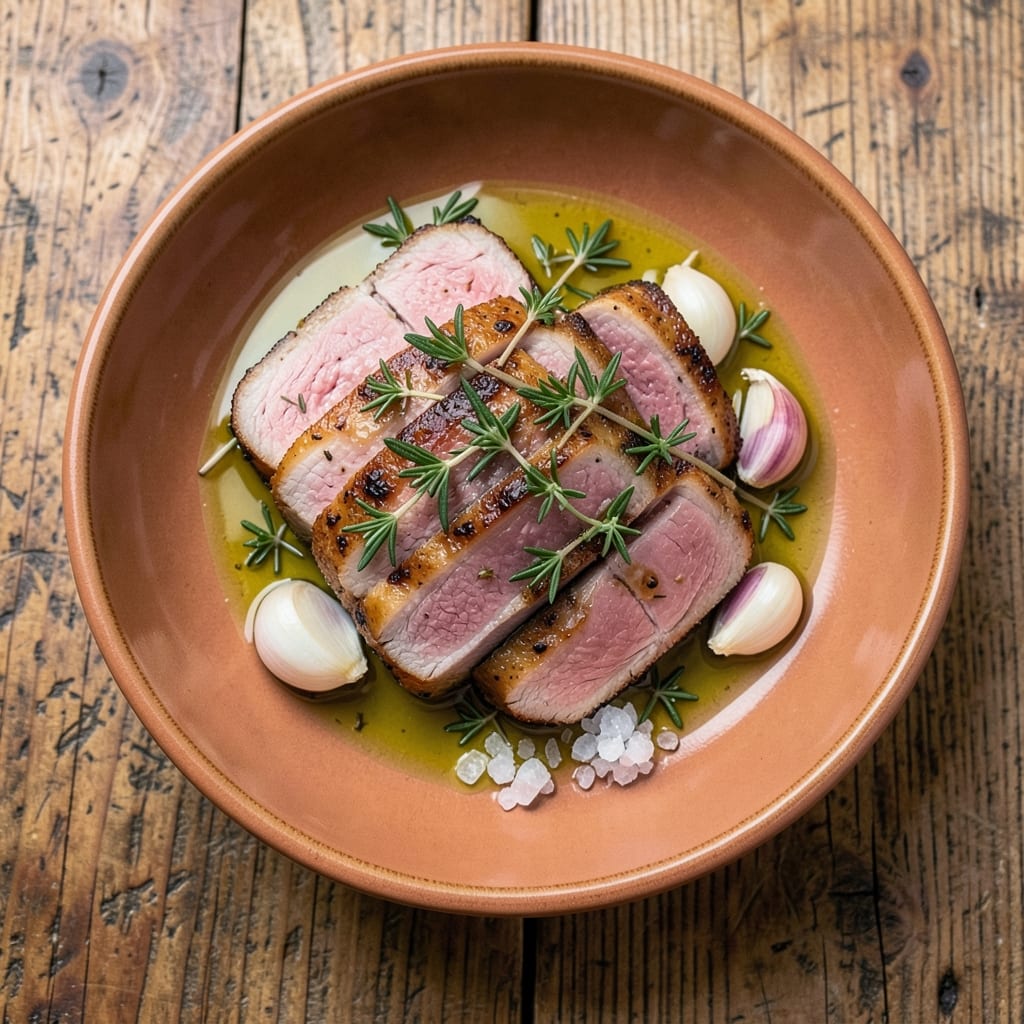
This BGE pork tenderloin recipe delivers melt-in-your-mouth tenderness with a perfect balance of herb-infused crust and sweet-tangy honey mustard glaze. After years of perfecting this cut at The Smoky Pig, I’ve refined it into a foolproof method that transforms even the most skeptical pork lovers. The secret lies in the herb crust—rosemary and thyme seared to aromatic perfection—while the honey mustard glaze adds a bright finish that cuts through the richness.
The technique is straightforward but precise: a hot cast-iron pan ensures a caramelized crust, while medium-high heat guarantees even cooking. We’re talking 12-15 minutes total—just enough time to transform a simple protein into a restaurant-worthy centerpiece. The tenderloin’s lean nature makes it ideal for weeknight dinners, but the glaze elevates it to special-occasion status with minimal effort.
What you’ll end up with is juicy, golden-brown pork that practically falls apart at the touch of a fork, all while maintaining that herbaceous aroma that lingers in the air. The honey mustard glaze adds a sticky-sweet contrast that balances the savory crust, creating a harmony of flavors that’s both comforting and sophisticated. This is the kind of dish that makes guests ask for seconds—and leaves you wondering why you didn’t make it sooner.
Pair it with roasted seasonal vegetables or a crisp apple salad to round out the meal. The glaze also doubles as a dipping sauce, so don’t be shy about serving extra. Let’s get cooking—this tenderloin deserves a place at your table.
Ingredients for bge pork tenderloin
Herb-infused crust meets sweet-tangy glaze in this restaurant-quality pork tenderloin.
| Ingredient | Amount | Notes |
|---|---|---|
| Pork Tenderloin 🥩 | 1 ½ lb | Center-cut, trimmed of silver skin |
| Fresh Rosemary 🌿 | ½ cup | Finely chopped, stems removed |
| Fresh Thyme 🌿 | ¼ cup | Leaves only, finely chopped |
| Garlic Cloves 🧄 | 4 cloves | Minced, for herb crust |
| Extra-Virgin Olive Oil 🫒 | 2 tbsp | High-quality, fruity variety |
| Diamond Crystal Kosher Salt 🧂 | 1 ½ tsp | For crust and seasoning |
| Freshly Ground Black Pepper 🌶️ | ½ tsp | Coarsely ground |
| Honey 🍯 | ¼ cup | Local, raw preferred |
| Dijon Mustard 🥬 | 1 tbsp | High-quality, smooth |
| Apple Cider Vinegar 🍎 | 1 tbsp | For glaze tang |
| Unsalted Butter 🧈 | 1 tbsp | Cold, for searing |
| Fresh Lemon Juice 🍋 | 1 tbsp | Bright, freshly squeezed |
The pork tenderloin needs to be center-cut—that’s where the tenderness lives. Whole Foods or your local butcher will have the best cuts, but most grocery stores carry them too. Look for even thickness (about 1.5 inches) so it cooks uniformly. Fresh herbs are non-negotiable here: Trader Joe's sells pre-chopped rosemary and thyme, but I always grab whole sprigs and chop them myself for that extra aroma punch. The garlic should be freshly minced—pre-minced jars lose their flavor fast. For the olive oil, California Avocado Ranch or Otto are my go-tos, but any high-quality extra-virgin will work.
No fresh rosemary? Dried at half the amount works in a pinch, though it won’t have the same depth. Substituting mustard? Whole-grain mustard thinned with water mimics the texture. The honey can be swapped for maple syrup if you’re avoiding refined sugar, but the flavor will shift slightly. For the vinegar, apple cider vinegar gives the best balance—white vinegar works but lacks complexity. If you’re prepping ahead, make the glaze ingredients (honey, mustard, vinegar, lemon juice) the night before and store in a jar in the fridge. The pork itself stays fresh 2 days in the fridge if sealed tightly.
This dish is all about timing—room temperature pork sears better, so take it out of the fridge 20 minutes before cooking. The herb crust develops in the first 3 minutes of searing, so don’t rush it. For leftovers, store the pork and glaze separately—reheat the pork in a skillet with a splash of water to keep it moist, then warm the glaze separately. The glaze reheats beautifully, so keep extra on hand for dipping or drizzling. Portion into meal-prep containers with roasted veggies for grab-and-go lunches—just reheat the glaze separately to avoid sogginess.
Why You'll Love This Recipe
- One-Pan Magic: I swear by this recipe when I’m too tired to scrub pots—just sear the pork, toss in whole garlic cloves and sprigs of rosemary and thyme, then let the oven do the work. The herbs infuse the meat while it roasts, and you’re left with a pan that’s basically clean enough to call it "done."
- Herb Bomb Flavor: That crispy, golden crust? All thanks to the olive oil and garlic, but the rosemary and thyme? They turn this into something that tastes like it belongs on a fancy dinner table. Honestly, the first time I made it, my partner asked if I’d bought it pre-seasoned.
- Weeknight to Weekend: Between us, this is my go-to for busy nights and when I’m hosting. Slice it thin for sandwiches, serve it with roasted potatoes for a hearty meal, or even toss cold slices into a salad the next day. The pork stays tender no matter how you use it.
- Budget-Friendly Feast: Pork tenderloin is lean but packed with flavor, and a single roast feeds four for dinner with leftovers that reheat like a dream. I’ll be real: I’ve stretched one into three lunches without anyone complaining—proof that this recipe doesn’t break the bank.
Step-by-step instructions for herb-infused pan-seared pork tenderloin
This method delivers melt-in-your-mouth pork with a fragrant herb crust and glossy honey glaze.
Prepare the Herb Crust and Season the Pork
In a small bowl, combine the 0.5 cup fresh rosemary, 0.25 cup fresh thyme, 4 cloves minced garlic, 1.5 tsp diamond crystal kosher salt, and 0.5 tsp freshly ground black pepper. The rosemary should be finely chopped—this ensures even distribution of flavor. Pulse the mixture briefly in a food processor if needed for uniform texture.
Pat the 1.5 lb pork tenderloin completely dry with paper towels, then rub the herb mixture all over, pressing firmly so it adheres. Let the seasoned pork rest at room temperature for 20 minutes while you prepare the glaze. This resting period allows the meat to cook more evenly and prevents it from shrinking away from the heat source during searing.
Sear the Pork for Maximum Flavor
Heat a large skillet over medium-high heat until it's hot enough to make a drop of water sizzle violently. Add 1 tbsp unsalted butter and 2 tbsp extra-virgin olive oil, letting them melt and foam together. Place the pork tenderloin in the skillet, turning it to coat all sides with the butter-oil mixture.
Sear for 4-5 minutes per side, pressing down gently with a spatula during the first minute to ensure even contact with the pan. You're looking for a deep golden brown crust—this is where all the flavor develops. The internal temperature should reach 145°F when checked with a meat thermometer. If the pork releases easily from the pan, it's ready to move to the next step.
Create the Honey Mustard Glaze
While the pork rests, whisk together 0.25 cup honey, 1 tbsp Dijon mustard, and 1 tbsp apple cider vinegar in a small saucepan over low heat. Simmer gently for 3-4 minutes, stirring occasionally, until the mixture thickens slightly but remains pourable. Remove from heat and stir in 1 tbsp fresh lemon juice. The glaze should be smooth and glossy—this is your signature finishing touch.
Here's the thing—this glaze needs to be hot when applied to the pork. If it cools completely, it won't stick properly. Keep it warm in the saucepan until you're ready to serve, or reheat briefly over low heat before brushing on.
Rest and Glaze the Pork
Transfer the seared pork to a cutting board and let it rest for 5-7 minutes. This resting period is crucial—it allows the juices to redistribute throughout the meat, ensuring each slice remains tender and moist. While it rests, tent it loosely with aluminum foil to keep it warm.
After resting, brush the pork generously with the honey mustard glaze on all sides. Return the skillet to medium heat and sear the glazed pork for another 1-2 minutes per side until the glaze caramelizes slightly. The pork should have a beautiful golden sheen with a sticky, glossy finish. Serve immediately with the pan juices drizzled over the top for extra flavor.
Pro Tips For Making Bge Pork Tenderloin
- USE A MEAT THERMOMETER: I learned this the hard way—pork tenderloin can go from perfect to dry in seconds. Pull it at 145°F internal temp (not guesswork), then let it rest. That 5-minute pause keeps it juicy while the heat finishes carrying through.
- DRY THE MEAT FIRST: Pat that pork thoroughly with paper towels before searing. Wet skin = steam = soggy crust. A dry surface browns better and locks in flavor—trust me, your pan sear won’t stick or steam like a sad science experiment.
- SMASH THE GARLIC: Don’t just minced it—smash those cloves with the flat side of your knife first. Bruised garlic releases more flavor when cooked, and it won’t burn as fast. Bonus: Toss the smashed cloves in olive oil and let them sit 10 minutes before cooking—it builds depth.
- DON’T OVERCROWD THE PAN: If you’re searing multiple sides, work in batches. A crowded pan steams the meat instead of browning it. Two minutes per side max on medium-high heat—any longer, and you’re just cooking, not searing. (Yes, even if you’re impatient like me.)
Flavor customization for this recipe
Sweet Heat Twist
For a smoky kick, add 1 tbsp chipotle powder or ½ tsp smoked paprika to the herb crust. I like using Penzeys chipotle powder for its deep, smoky flavor. Pair it with 1 tsp honey in the glaze to balance the heat. This combo reminds me of my time in Charleston, where we’d serve pork with a touch of smoldering heat that still feels approachable. 🌶️
Citrus Zest Boost
Brighten the dish with 1 tbsp freshly grated orange zest mixed into the glaze. The citrus cuts through the richness beautifully and adds a vibrant pop of color. I always use Valencia oranges from my farm’s winter harvest—they’re sweeter and less bitter than grocery-store varieties. Add 1 tsp orange juice to the glaze for extra freshness. This variation feels like spring on a plate.
Herb Swap Options
Trade rosemary for fresh sage or thyme for fresh marjoram—both work beautifully. Sage adds a piney depth, while marjoram brings a sweeter, almost floral note. For a Mediterranean twist, swap half the thyme for fresh oregano. Just remember: fresh herbs always outperform dried in this dish. I keep a small herb garden on my kitchen windowsill for easy access to these staples. 🌿
Spiced Honey Glaze
Infuse the honey with spices before making the glaze. Warm ½ cup honey with 1 cinnamon stick and 2 whole cloves for 10 minutes, then strain. This adds warmth that pairs perfectly with the pork’s savory crust. I learned this trick from a chef in Atlanta who swore by it for holiday meals. The spices mellow out slightly during cooking, leaving just a hint of cozy warmth. 🍯
Umami Depth
Add 1 tbsp soy sauce or 1 tsp fish sauce to the glaze for an umami punch. This works especially well with the sweetness of the honey. For a vegetarian-friendly option, use 1 tsp mushroom powder instead. The umami enhances the pork’s natural richness without overpowering it. I often keep a small bottle of Red Boat fish sauce on hand for this exact purpose. 🍜
Make-Ahead Glaze
Prepare the glaze up to 3 days ahead and store it in an airtight container in the fridge. Reheat gently before brushing on the pork. For extra convenience, marinate the pork in the glaze ingredients (minus the butter and oil) for 4-6 hours before cooking. This infuses the meat with flavor while keeping the crust intact. I do this when hosting dinner parties—less stress, more flavor. ✨
Nutrition facts
Frequently asked questions
Can I cook pork tenderloin in the oven instead of pan-searing?
Preheat your oven to 400°F and place the seasoned tenderloin on a wire rack over a baking sheet. Roast for 20-25 minutes until the internal temperature reaches 145°F. Brush with the honey mustard glaze in the last 5 minutes of cooking for a similar effect. This method works well for larger batches or when you want hands-off cooking.
How do I adjust the recipe for a larger group?
Double or triple the ingredients while keeping the same proportions. For 3 lbs of pork, increase the herb mixture to 1 cup rosemary and 0.5 cup thyme, and scale the glaze ingredients proportionally. Use a larger skillet or divide the pork into two batches to ensure even searing. The cooking time will increase slightly—plan for 5-6 minutes per side for thicker cuts.
What’s the best way to slice pork tenderloin for serving?
Always slice against the grain for maximum tenderness. Use a sharp chef’s knife and cut into ½-inch thick slices. For presentation, fan the slices slightly or arrange them on a platter with the glaze drizzled over the top. The herb crust will hold up beautifully, and the slices will be perfectly bite-sized for guests.
Can I make this recipe ahead of time?
Yes! Cook the pork up to 2 days ahead and store it in the fridge. Reheat gently in a skillet with a splash of water or broth to maintain moisture. Warm the glaze separately and brush it on just before serving. The flavors actually deepen overnight, making it perfect for meal prep or holiday gatherings.
What if my pork tenderloin is uneven in thickness?
If your cut has thick and thin spots, trim the thicker sections slightly with a sharp knife to create an even surface. This ensures the pork cooks uniformly and develops that perfect golden crust. For extra insurance, start checking the internal temperature with a meat thermometer after 3 minutes of searing on the thickest side.