
Main Courses
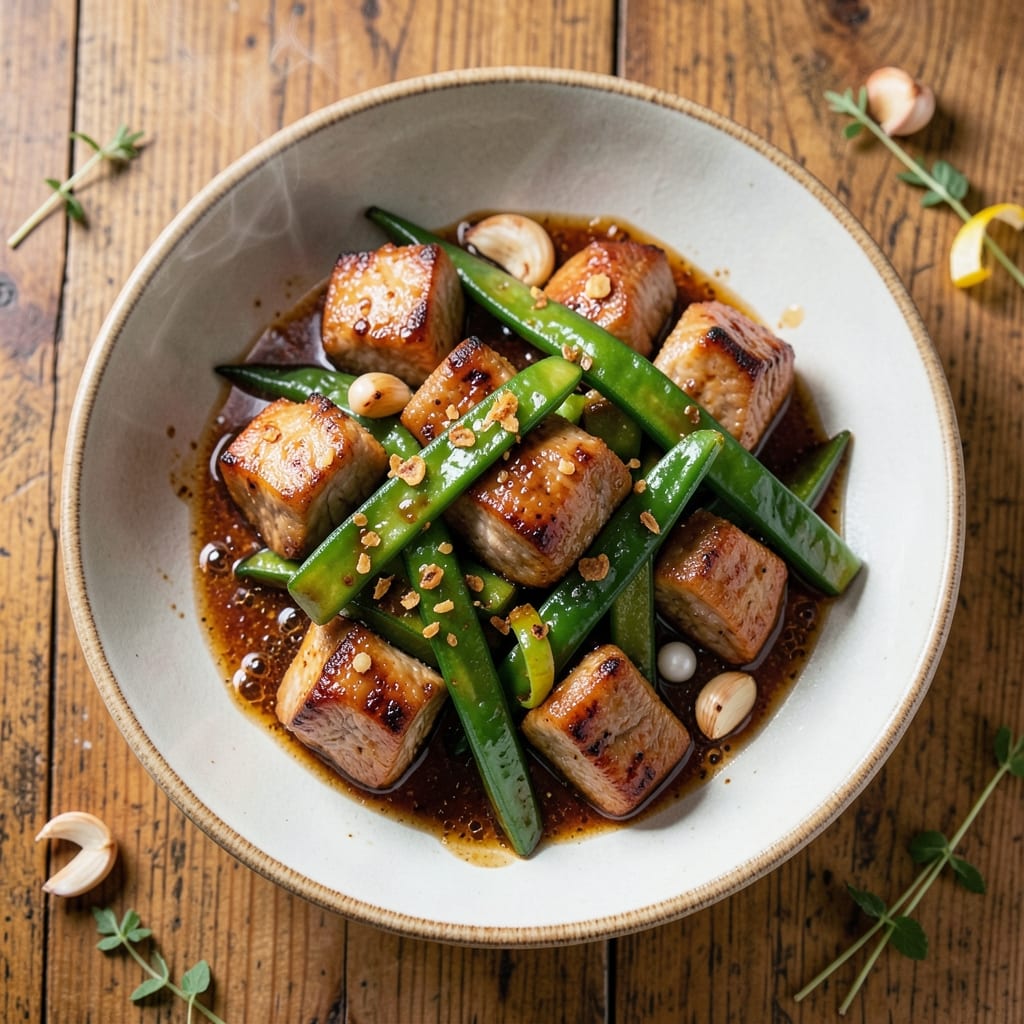
This bitter melon and pork recipe delivers restaurant-quality wok perfection in just 20 minutes, balancing tender pork with crisp-tender bitter melon in a savory-sweet sauce. After years of perfecting stir-fry techniques, I've developed a method that transforms this polarizing ingredient into a dish so flavorful, even skeptics ask for seconds. The secret lies in quick searing of the pork followed by precise timing with the bitter melon - too long, and it turns mushy; too short, and it stays bitter.
What makes this recipe work is the umami-packed sauce that bridges the gap between bitter melon's sharpness and pork's richness. I use a combination of soy sauce, oyster sauce, and a touch of brown sugar to create depth while keeping the dish balanced. The stir-fry technique is crucial here - high heat for the pork first to render fats, then adding the bitter melon just before serving to maintain its texture. This method ensures each bite delivers that perfect contrast of tender pork and crisp vegetables.
The result is a dish that's both complex and approachable, with flavors that develop as you eat. The pork comes out perfectly tender with just enough char, while the bitter melon maintains that satisfying crunch. The sauce coats everything evenly, creating a harmonious blend of sweet, salty, and umami notes. This is the kind of meal that transforms a simple weeknight dinner into something special without requiring hours in the kitchen.
Serve this over steamed jasmine rice to soak up every last bit of that flavorful sauce, or with egg noodles for a heartier meal. The leftovers actually taste better the next day as the flavors continue to meld. Whether you're cooking for family or treating yourself, this recipe delivers professional-quality results with minimal effort - exactly what home cooks need for a satisfying, flavorful dinner.
Ingredients for bitter melon and pork
Pork shoulder, bitter melon, and umami-rich sauces transform this quick wok dish into restaurant-quality perfection.
| Ingredient | Amount | Notes |
|---|---|---|
| Pork Shoulder 🥩 | 1 lb | Cut into 1-inch cubes, boneless |
| Bitter Melon 🥒 | 2 medium | Cut into 1/2-inch thick slices |
| Light Soy Sauce 🥢 | 3 tbsp | For umami depth |
| Oyster Sauce 🍲 | 2 tbsp | High-quality for richness |
| Brown Sugar 🍯 | 1 tbsp | Lightly packed |
| Garlic Cloves 🧄 | 4 cloves | Minced, fresh preferred |
| Fresh Ginger 🌿 | 1 inch | Julienned, peeled |
| Sesame Oil 🫒 | 1 tbsp | Toasted, for aroma |
| Neutral Oil 🫒 | 2 tbsp | Avocado or vegetable oil |
| Green Onion 🧅 | 2 whole | Sliced, for garnish |
| Red Chili Flakes 🌶️ | ½ tsp | Adjust to taste |
| Corn Starch 🌾 | 1 tbsp | For tenderizing pork |
| Jasmine Rice 🍚 | 1 cup | Uncooked, for serving |
The pork shoulder is key here—look for well-marbled cuts from the butcher section, not pre-cut packages. Costco or Whole Foods often carry the best quality for stir-fry. If you can't find pork shoulder, substitute pork loin but cut it thinner for even cooking. Bitter melon can be tricky to find—check the produce section or Asian markets like H Mart or 99 Ranch. Freshness matters: the melon should be firm with a slight crispness when cut. For the soy sauce, Kikkoman is reliable, but Lee Kum Kee oyster sauce elevates the dish significantly—don't skip it.
No oyster sauce? Hoisin sauce or extra soy sauce works in a pinch, though the depth won't be identical. Fresh ginger and garlic are non-negotiable for authentic flavor—pre-minced jars lack the punch. The sesame oil should be toasted, not the flavored kind from the salad dressing aisle. For extra crispiness, toss the bitter melon in 1 tsp cornstarch before stir-frying. If you're short on time, pre-cut the pork and melon while the rice cooks—this dish moves fast. The green onions add freshness, but substitute scallions or chives if needed. For heat, Sichuan chili crisp adds amazing texture if you're feeling adventurous.
Pork cubes keep best in the fridge for 3 days if marinated, while bitter melon lasts 5 days when stored in a sealed container. The stir-fry reheats beautifully—cover with foil and warm in a skillet for 2-3 minutes to revive that wok-hei flavor. Portion the sauce separately if freezing—it thickens when reheated, so add a splash of water if needed. For meal prep, cook the rice and pork ahead, then stir-fry the melon fresh to maintain its texture. The leftovers actually taste better the next day as flavors meld—trust me on this.
Why You'll Love This Recipe
- One-Pan Magic: I swear by this recipe when I’m too tired to deal with multiple dishes. The pork shoulder and bitter melon practically cook themselves in one pot—just slice, simmer, and let the soy sauce and oyster sauce work their flavor magic.
- Sweet-Savory Balance: That brown sugar caramelizing with the bitter melon? It’s the best flavor hack I’ve ever used. The bitterness mellows into something rich and umami-packed, with a subtle sweetness that makes it irresistible.
- Leftovers That Don’t Suck: Between us, most stir-fries turn into sad, dry meals by day two. Not this one. The pork stays tender, and the sauce clings perfectly, so I can reheat it for lunch without it falling apart—no soggy bitter melon here.
- Budget-Friendly Protein: Pork shoulder is cheap, and bitter melon lasts longer than you’d think if you prep it right. A single cut of meat stretches across three meals, and the sauce ingredients are pantry staples. My wallet and my taste buds win.
Step-by-step instructions for bitter melon and pork wok
This method delivers perfectly tender pork with crisp-tender bitter melon in under 20 minutes.
Tenderize and Marinate the Pork
Cut the 1 lb pork shoulder into 1-inch cubes using a sharp knife. Transfer the cubes to a bowl and add the 1 tbsp corn starch. Toss gently with your hands until each piece is evenly coated—this creates a light barrier that locks in juices during cooking.
In a separate small bowl, whisk together the 3 tbsp light soy sauce, 2 tbsp oyster sauce, 1 tbsp brown sugar, 0.5 tsp red chili flakes, and 1 tbsp sesame oil. Pour this marinade over the pork and mix thoroughly. Let it sit for 10 minutes at room temperature—this ensures even flavor absorption and prevents the pork from drying out during the high-heat wok stage.
Prepare the Bitter Melon and Aromatics
Wash the 2 medium bitter melon thoroughly under running water, then pat dry with paper towels. Using a sharp knife, cut them into ½-inch thick slices—this thickness ensures they cook quickly without becoming mushy. Remove and discard the tough seeds from the center of each slice.
Peel and julienne the 1-inch fresh ginger into thin matchsticks. Mince the 4 cloves garlic cloves finely. Slice the 2 whole green onion into ½-inch pieces, reserving a few slices for garnish. Keep all prepped ingredients within easy reach—they'll go into the wok in quick succession.
Cook the Pork to Perfect Doneness
Heat a wok or large skillet over high heat until it's smoking hot. Add the 2 tbsp neutral oil and swirl to coat the bottom evenly. Working in batches if needed, add the pork cubes and stir-fry for 2-3 minutes until they turn golden brown and develop a slight crust. Remove the pork and set aside—it will continue cooking when the bitter melon joins.
In the same wok, add the ginger and garlic, stirring for 30 seconds until fragrant. Immediately add the bitter melon slices and stir-fry for 1-2 minutes until they begin to soften but still hold their shape. Return the pork to the wok and combine everything, tossing vigorously for 1 minute to meld the flavors.
Finish with Sauce and Serve Immediately
Pour any accumulated juices from the pork bowl into the wok, then reduce heat to medium. Let the mixture simmer for 1-2 minutes until the bitter melon is tender-crisp and the pork is fully cooked through (internal temperature should reach 160°F). Taste and adjust seasoning with a splash of light soy sauce if needed.
Garnish with the reserved green onion slices and serve immediately over 1 cup cooked jasmine rice—the contrast of the slightly bitter melon with the savory pork creates a perfectly balanced dish. The rice should be hot, as this helps absorb any remaining sauce for maximum flavor in every bite.
Pro Tips For Making Bitter Melon And Pork
- Trim the Bitter Melon Right: Cut off the ends first, then slice lengthwise into thin strips—this removes most of the seedy core where bitterness hides. I used to peel it whole and still got that lingering harshness; now I just scrape the flesh with a spoon after slicing. ---
- Brown the Pork Shoulder First: Hit the pork with a screaming-hot wok or pan until it’s deep golden—this locks in flavor before the bitter melon even touches it. I learned this after a batch tasted bland; the Maillard reaction is non-negotiable here. ---
- Salt the Melon After Slicing: Toss the bitter melon strips with a pinch of salt and let them sit for 10 minutes—this draws out moisture and mellows the bitterness. Skip this, and your dish will taste like someone forgot to rinse the greens. ---
- Deglaze with Soy-Oyster Mix: After searing the pork, splash in 1 tablespoon of light soy sauce and oyster sauce before adding the melon—this creates a glossy, flavor-packed base. I used to add everything at once, and the sauce always tasted thin and weak.
Best sauces and condiments for bitter melon and pork
Classic Umami Sauce
Start with the foundation: a blend of 3 tbsp light soy sauce and 2 tbsp oyster sauce—this combination creates that signature umami depth. I always use Lee Kum Kee oyster sauce for its rich, briny quality that stands up to bitter melon's sharpness. Add 1 tbsp brown sugar to balance the flavors and a pinch of red chili flakes for subtle heat. Finish with 1 tbsp toasted sesame oil just before serving to add aromatic complexity. This sauce transforms the dish from ordinary to extraordinary. 🍲
Sweet and Tangy Glaze
For a sweeter profile, replace the brown sugar with 1 tbsp honey or maple syrup and add 1 tsp rice vinegar to cut through the bitterness. This variation works beautifully with the pork's natural sweetness while keeping the melon's crisp texture. I've used this glaze when serving to guests who prefer milder flavors—it's a crowd-pleaser that still maintains authenticity.
Spicy Chili Oil Finish
Elevate the dish with 1 tbsp chili oil (like Lao Gan Ma) tossed in at the end. The oil's fiery aroma and texture add a dramatic finish that contrasts perfectly with the bitter melon's crunch. For extra heat, add ½ tsp Sichuan peppercorns to the oil while warming it—this creates that signature tingling sensation. I reserve this version for special occasions when I want to impress.
Creamy Coconut Sauce
Blend ¼ cup coconut milk with 1 tbsp soy sauce and ½ tsp turmeric for a creamy, slightly sweet sauce that softens the bitter melon's edge. This variation works wonderfully with the pork's richness, creating a luxurious texture. I often use this when serving over jasmine rice or udon noodles for a heartier meal. The coconut milk adds a subtle tropical note that pairs surprisingly well with the dish's traditional flavors.
Garlic-Ginger Infusion
For maximum aromatic impact, infuse the sauce with 3 minced garlic cloves and 1-inch julienned ginger cooked in 1 tbsp neutral oil until fragrant. This base can then be finished with your choice of soy or oyster sauce. The extra aromatics deepen the flavor profile, making every bite more complex. I use this technique when I want to emphasize the dish's traditional Asian roots while keeping it approachable for home cooks.
Fermented Black Bean Sauce
Add 1 tbsp fermented black bean sauce (like Lee Kum Kee) to the base sauce for an earthy, funky depth that complements the pork beautifully. The black beans' umami richness enhances the bitter melon without overpowering it. This sauce works particularly well with thicker pork cuts like shoulder, as the fermentation process helps tenderize the meat during cooking. I discovered this variation while working in Charleston's Asian markets and now use it regularly for its complex flavor profile. 🌶️
Nutrition facts
Frequently asked questions about bitter melon and pork
Why does bitter melon taste so bitter and how can I reduce it?
Bitter melon's sharp flavor comes from its natural compounds, but quick cooking and the right sauce balance it beautifully. The key is using the umami-packed sauce (soy + oyster sauce) and adding a touch of brown sugar or honey to offset the bitterness. Also, add bitter melon just 1-2 minutes before serving to maintain crispness and reduce cooking time.
Can I substitute pork shoulder with another cut?
For quicker cooking, use pork loin cut into ½-inch thick slices (cooks in 2 minutes). For richer flavor, try pork belly (score the fat to render properly). Just remember: thinner cuts need less marinating time (5 minutes instead of 10 minutes). The cornstarch coating works for all cuts to lock in juices.
How do I find bitter melon if my local store doesn't carry it?
Check the produce section of Asian markets like H Mart or 99 Ranch, or order online from specialty grocers. If unavailable, substitute with zucchini (milder) or eggplant (absorbs flavors well). For authenticity, look for firm melons with a slight crispness when cut—avoid soft or mushy ones.
Can I make this dish in advance?
Yes, but with key adjustments: Cook the pork completely and store it separately. Reheat gently, then stir-fry the bitter melon fresh to maintain texture. The sauce can be pre-made and reheated (add a splash of water if too thick). For best results, serve within 2 days—the flavors meld beautifully but the melon loses crispness over time.
What's the secret to getting crispy bitter melon?
The magic is in timing and technique: Toss melon slices in 1 tsp cornstarch before stir-frying, and cook over high heat for just 1-2 minutes. Use a wok or cast iron pan for even heat distribution. Add the melon to the wok last, right before serving—this ensures it stays crisp-tender rather than turning mushy.