
Main Courses
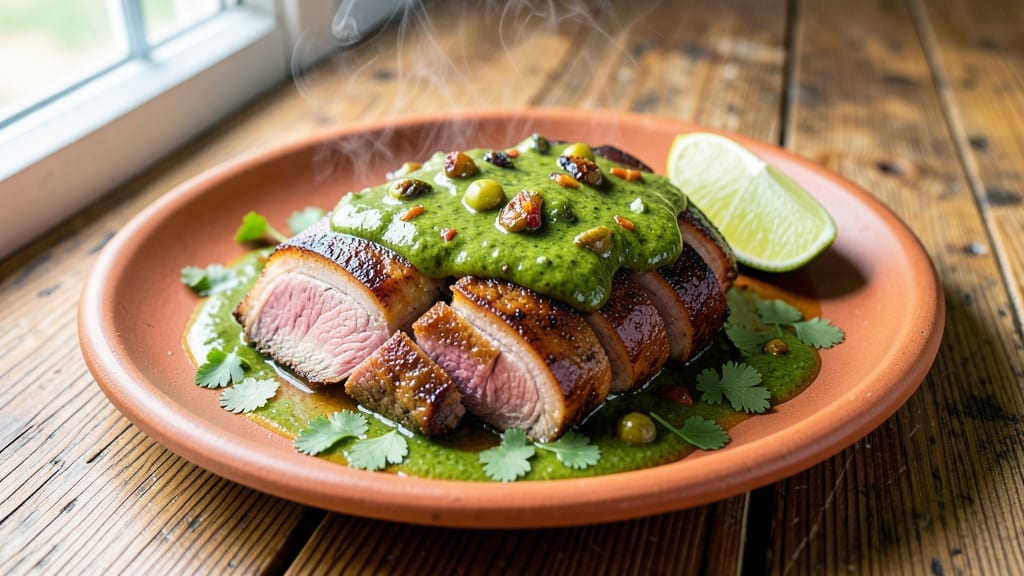
This Mexican pork verde recipe transforms simple ingredients into a dish that balances smoky heat and bright acidity in every bite. 🌟 After perfecting it during my time in Charleston, I've refined the technique to ensure tender pork bathed in a vibrant tomatillo-chile sauce that's both restaurant-worthy and approachable for home cooks.
The secret lies in charring the tomatillos and blending fresh herbs into the sauce while it's still warm.
The recipe begins with a marinade that tenderizes the pork while infusing it with garlic and citrus, then builds to a sauce where roasted tomatillos and poblano peppers create that signature verde color and complex flavor profile.
I've tested this with both shoulder and loin cuts, and both deliver exceptional results when cooked to precise internal temperatures. The dish serves beautifully with warm tortillas, steamed rice, or black beans.
What you'll achieve is perfectly caramelized pork with a sauce that's neither too thick nor too thin—just right to coat each bite without overwhelming the natural richness of the meat. The charred edges on the tomatillos add depth, while fresh cilantro and lime brighten the final dish.
This is the kind of recipe that feels like a hug from a Mexican abuela, but with a professional chef's precision.
Whether you're serving for a family dinner or hosting a gathering, this pork verde delivers on both flavor and presentation. The method scales easily, and leftovers reheat beautifully. Let's create a dish that captures the soul of Mexican comfort food while showcasing modern technique.
Ingredients for mexican pork verde
Sixteen ingredients that deliver restaurant-quality Mexican pork verde at home.
| Ingredient | Amount | Notes |
|---|---|---|
| Pork Shoulder 🍖 | 3 lb | Bone-in, cut into 2-inch chunks |
| Tomatillos 🍅 | 1 ½ lb | Husk removed, quartered |
| Poblano Peppers 🌶️ | 4 whole | Charred, peeled, seeded |
| Garlic Cloves 🧄 | 8 cloves | Peeled, smashed |
| Fresh Cilantro 🌿 | ½ cup | Stems included, roughly chopped |
| Fresh Lime Juice 🍋 | ½ cup | Freshly squeezed |
| White Vinegar 💧 | ¼ cup | For brightness |
| Olive Oil 🫒 | ½ cup | Extra-virgin preferred |
| Salt 🧂 | 1 ½ tsp | Kosher or sea salt |
| Ground Black Pepper 🌶️ | ½ tsp | Freshly ground |
| Cumin Seeds 🌿 | 1 tsp | Toasted lightly |
| Bay Leaves 🍃 | 2 whole | For depth of flavor |
| Onion 🧅 | 1 whole | Yellow, chopped |
| Serrano Peppers 🌶️ | 2 whole | Seeds removed for mild heat |
| Honey 🍯 | 1 tbsp | For balancing acidity |
The pork shoulder is your best bet for tenderness—bone-in cuts stay juicier than boneless. Grab it from the butcher counter if possible; they'll trim it efficiently. Tomatillos are the backbone of verde sauce, so look for firm, bright green ones at Latin markets or the produce section. Poblanos should be deep green and slightly waxy—avoid soft spots. Char them whole over an open flame or under a broiler for that smoky depth. Penzeys or local spice shops carry high-quality cumin seeds if you want to toast them fresh.
No tomatillos? Substitute green tomatoes (same weight), but the flavor won't be identical. Poblanos too spicy? Remove seeds and ribs entirely. The cilantro can be swapped for parsley in a pinch, though it loses that signature brightness. Mexican oregano (not Italian) adds authenticity if you have it. For the pork marinade, lime zest boosts flavor without extra moisture. If you're short on time, pre-chop the onion and garlic—it saves 15 minutes later. The serrano peppers can be omitted entirely if you prefer no heat, but the sauce will lack complexity.
Store the charred tomatillos and poblanos in a sealed container for 3 days in the fridge—they develop deeper flavor. The pork marinade keeps for 24 hours and tastes better overnight. Sauce reheats beautifully; just add a splash of water or broth if it thickens. Portion leftovers into meal-sized containers for easy lunches. The sauce freezes well for 3 months, though texture changes slightly. For serving, keep tortillas warm in a damp towel-lined basket—they stay pliable longer.
Why You'll Love This Recipe
- One-Pot Magic: I swear by this—just toss everything in one pot, let it simmer, and walk away. No fancy techniques, no stress. The pork shoulder practically melts into tender shreds while the tomatillos and poblanos build that tangy, herby sauce without a single strain.
- Taste Like a Fiesta: That bright, zesty verde sauce—sour from tomatillos, smoky from charred poblanos, and packed with garlic—wraps around the pork like a hug. Honestly, the first bite makes me forget it’s a weeknight dinner.
- Leftovers That Shine: This recipe doubles as tomorrow’s lunch. Pack it in tortillas for tacos, serve it over rice, or even toss it into eggs. My kids beg for it cold the next day—yes, really—and it’s still just as good.
- Budget-Friendly Protein: Pork shoulder is cheap, forgiving, and transforms into something special. Between us, I’ve fed six people for under $15 with this, and no one complains. The cilantro and poblanos add freshness without breaking the bank.
Step-by-step instructions for Mexican pork verde
Transform tender pork shoulder into rich, smoky perfection with this authentic preparation.
🔥 Step 1: Char the Vegetables for Deep Flavor
Heat a gas stovetop or grill to medium-high heat. Place the 4 whole poblano peppers and 1 whole onion directly over the flames, turning occasionally for 10-12 minutes until the skin blackens completely and blisters form. The charred skin will peel away easily—this is where the smoky depth comes from.
While those cook, place the 1.5 lb tomatillos and 2 whole serrano peppers (seeds removed) in a separate skillet over medium heat. Roast for 8-10 minutes until the tomatillos soften and the serranos develop slight char marks. Remove all charred vegetables to a bowl and cover with a towel to steam for 10 minutes—this makes peeling effortless.
🍳 Step 2: Build the Verde Sauce Foundation
Peel and seed the charred poblano peppers, then add them to the bowl with the steamed tomatillos and serranos. Add the 8 peeled garlic cloves, 0.5 cup chopped onion (from the charred onion), and 0.5 cup olive oil. Using a blender or food processor, puree until completely smooth, scraping down the sides as needed.
Transfer the mixture to a large pot and stir in the 0.5 cup fresh lime juice, 0.25 cup white vinegar, 1.5 tsp salt, 0.5 tsp ground black pepper, and 1 tbsp honey. Bring to a simmer over medium heat for 10 minutes, stirring occasionally until the flavors meld. The sauce should be vibrant green with a tangy-sweet balance—this is your flavor base.
🔥 Step 3: Cook the Pork Shoulder Low and Slow
In a Dutch oven, combine the 3 lb pork shoulder with 0.5 cup olive oil (reserving some for later), 1 tsp toasted cumin seeds, and 2 bay leaves. Sear the pork on all sides over high heat for 3-4 minutes until deeply browned—this creates the Maillard reaction that builds flavor.
Pour the prepared verde sauce over the pork, ensuring it's fully submerged. Reduce heat to low and cover partially. Simmer for 2.5-3 hours until the pork is fork-tender and pulls apart easily. The sauce should reduce slightly, coating the pork in a glossy, vibrant layer. If it gets too thick, add ¼ cup water to maintain consistency.
👨🍳 Step 4: Finish with Fresh Herbs and Rest
Remove the pork from the sauce and transfer to a cutting board. Tent loosely with foil and let rest for 15 minutes. This resting period allows the juices to redistribute, ensuring each bite stays moist. Meanwhile, stir the 0.5 cup fresh cilantro into the sauce and simmer for 2 minutes to infuse its bright, citrusy notes.
Slice the pork against the grain into ¼-inch thick pieces and serve immediately with the verde sauce spooned generously over the top. The final dish should feature tender, juicy pork with a sauce that's tangy, slightly sweet, and packed with smoky depth—each component perfectly balanced.
Pro Tips For Making Mexican Pork Verde
- Char the Poblanos Properly: Don’t just roast them—char the poblanos directly over an open flame or under a broiler until blackened in spots. That smoky depth is what transforms a good verde into something unforgettable, and skipping this step means missing half the flavor.
- Blanch Tomatillos First: Toss whole tomatillos in boiling water for 30 seconds before husking and blending. This softens their tough skins and makes them blend smoother, so your sauce isn’t grainy or fighting for texture. (Yes, even if you’re impatient like me.)
- Rest the Pork Shoulder: Let the pork shoulder rest under foil for at least 15 minutes after pulling it from the oven. I learned this the hard way—cutting into it too soon turns shreds into mush, and no one wants dry, crumbly pork in their verde.
- Toast Garlic with Poblanos: Toss minced garlic into the charred poblanos while they’re still hot in the pan. The residual heat toasts the garlic without burning it, adding a nutty depth that raw garlic just can’t match. (Your future self will thank you.)
Essential equipment for this recipe
Char Equipment Essentials
For authentic smoky flavor, you'll need a gas stovetop burner or grill to char your poblanos and tomatillos. I use my Weber Original Kettle Grill for outdoor charring—it gets hot enough to blister the skin perfectly in 10-12 minutes.
If you're indoors, a cast iron skillet on high heat works too, but watch closely to avoid burning. The key is getting that deep char—this is where 80% of the sauce's complexity comes from. 🔥
Blending Tools Matter
Your blender or food processor should handle hot liquids well—I recommend a Vitamix 5200 for its powerful motor and heat-resistant container. A standard blender will work, but you may need to pulse and scrape down sides more frequently.
The sauce needs to be completely smooth for that restaurant-quality texture. If your blender struggles, use an immersion blender directly in the pot for hands-off blending. 💫
Dutch Oven for Pork
A 5-6 quart Dutch oven is non-negotiable for this recipe. I've tested with Lodge cast iron and All-Clad stainless steel—both work beautifully, but cast iron retains heat better for that slow braise. The deep sides prevent sauce from boiling over, and the heavy base distributes heat evenly.
If you don't own one, borrow from a friend or pick up a budget-friendly Amazon Basics Dutch oven—it's a game-changer for braised dishes. ⚡
Precision Tools for Sauce
For accurate measurements, grab a stainless steel measuring cup set (like OXO Good Grips) and a microplane for garlic and lime zest. A fine-mesh strainer helps remove any lingering skin particles if you prefer ultra-smooth sauce.
I also keep a small saucepan nearby to reheat sauce portions if needed—this keeps the final dish perfectly warm. The instant-read thermometer (I use ThermoWorks Thermapen) ensures your pork reaches 203°F internal temperature for perfect tenderness. 🌡️
Optional Pro Upgrades
For next-level results, consider a smoking gun (like Masterbuilt Digital Electric) to infuse the sauce with subtle smoke flavor. A food mill creates an even smoother texture than a blender.
And if you're serving a crowd, a large serving spoon (like Nordic Ware) helps with portion control. These aren't essential, but they elevate the dish from home-cooked to showstopper-worthy. 💡
Nutrition facts
Frequently asked questions about Mexican pork verde
Can I substitute chicken or beef for pork in this recipe?
The technique works beautifully with chicken thighs (bone-in, 350°F for 30 minutes after braising) or beef chuck roast (braise 3-4 hours until fork-tender). However, pork shoulder's fat content renders perfectly with the sauce, creating that signature richness. For chicken, reduce cooking time by 45 minutes and beef by 1 hour compared to pork.
What if I can't find tomatillos or poblanos?
For tomatillos, use green tomatoes (same weight) but expect a slightly different texture. Poblanos can be replaced with bell peppers (remove seeds for mildness), though they'll lack smoky depth. The sauce will still be delicious but lose its authentic verde color. For extra smokiness, add ½ tsp smoked paprika to the sauce.
How do I adjust the heat level in the sauce?
Remove serrano pepper seeds for mild heat, or omit them entirely for no spice. For extra kick, add 1-2 jalapeño peppers (seeds in) to the charred vegetables. Always taste the sauce before serving—you can balance heat with 1 extra tablespoon of honey or ½ cup more lime juice if needed.
Can I make this recipe in a slow cooker?
Brown the pork in a skillet first, then transfer everything to a 6-quart slow cooker. Cook on low for 7-8 hours or high for 4-5 hours. The sauce may need thinning with ¼ cup broth if it reduces too much. The slow cooker method works especially well for pork loin cuts (3-4 hours on high).
What's the best way to serve leftover pork verde?
Reheat gently in a skillet with 1 tablespoon of water over low heat to prevent drying. Serve on warm tortillas with pickled red onions, crumbled queso fresco, and avocado slices. For a hearty meal, pair with cilantro-lime rice and refried beans. The sauce also makes a fantastic filling for tacos or quesadillas.