
Main Courses
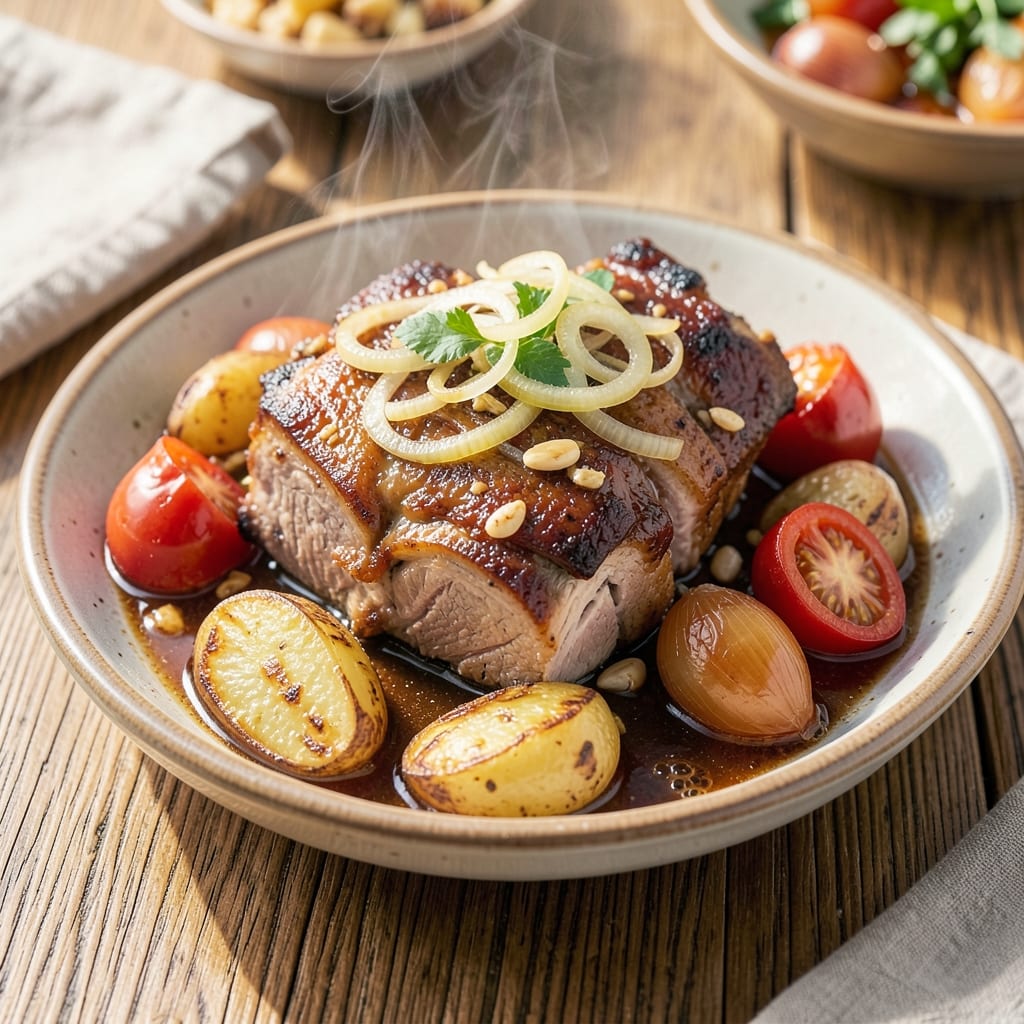
Batangas pork afritada delivers the melt-in-your-mouth tenderness that makes this Filipino classic unforgettable. The secret lies in slow-braising pork shoulder with vinegar and tomatoes until the meat practically falls apart—just like my abuela used to make. This isn't your average braised pork; it's a celebration of Filipino comfort food where every bite reveals layers of savory, tangy, and slightly sweet flavors.
The magic happens through a three-step process: first searing the pork to develop deep color, then simmering with vegetables in a rich tomato-vinegar sauce, and finally letting it cook low and slow until the meat becomes irresistibly tender. The eggplant and potatoes absorb all the flavors, creating a harmony that balances the richness of the pork. What makes this version special is the authentic Batangas touch—just the right amount of vinegar to tenderize without overpowering the natural taste of the meat.
By the time you're done, you'll have a dish that's perfect for family gatherings or weeknight dinners—a steaming pot of tender pork, glossy vegetables, and aromatic sauce that tastes even better the next day. The sauce clings to every bite, offering that perfect balance of tangy, sweet, and umami that defines this Filipino comfort classic. This is the kind of meal that brings people together, one forkful at a time.
Serve it with steamed rice to soak up every last drop of that flavorful sauce, or pair it with garlic fried rice for a complete meal. The leftovers actually taste better the next day as the flavors meld together even more. Let's get cooking!
Ingredients for batangas pork afritada
This Filipino classic needs just 14 ingredients for melt-in-your-mouth pork perfection.
| Ingredient | Amount | Notes |
|---|---|---|
| Pork Shoulder 🥩 | 3 lb | Bone-in for best flavor |
| Yellow Onions 🧅 | 2 whole | Sliced into wedges |
| Garlic Cloves 🧄 | 8 cloves | Minced for depth |
| Canned Tomatoes 🍅 | 2 cans | 28 oz each, crushed |
| White Vinegar 💧 | ½ cup | Distilled preferred |
| Russet Potatoes 🥔 | 2 lb | Cut into chunks |
| Eggplant 🍆 | 1 lb | Cut into cubes |
| Olive Oil 🫒 | ¼ cup | Extra-virgin for richness |
| Bay Leaves 🌿 | 2 whole | Fresh if possible |
| Black Peppercorns 🌶️ | 1 tsp | Freshly cracked |
| Salt 🧂 | 1 ½ tsp | Kosher or sea salt |
| Sugar 🍚 | 1 tbsp | Balances acidity |
| Fresh Green Bell Pepper 🌶️ | 1 whole | Sliced into strips |
| Fresh Thyme Leaves 🌿 | 1 tbsp | Or 1 tsp dried |
The pork shoulder is everything here—bone-in for maximum flavor. Ask your butcher for the pork butt cut if you're unsure, but any pork shoulder works. I always grab mine from Costco when I'm making this for a crowd, but the regular grocery store stuff is fine for smaller batches. Look for good marbling—it means more flavor. The eggplant and potatoes should be firm, not mushy, and the tomatoes? San Marzano cans if you can find them, but any good-quality crushed tomatoes will do. The vinegar is key—distilled white keeps the flavor clean without overpowering.
No bone-in pork? Substitute pork loin, but expect slightly less tenderness. Running short on vinegar? Lemon juice works in a pinch—use half the amount. Fresh thyme is ideal, but dried works at one-third the amount. The bell pepper can be any color, but green adds that classic Filipino touch. For the sugar, brown sugar gives a deeper flavor, but white works too. If you're using pre-minced garlic, toast it first—it makes all the difference. The bay leaves? Tear them slightly before adding—they'll release their flavor faster.
This dish tastes even better the next day, so make extra. Store in an airtight container in the fridge for up to 5 days, or freeze portions for 3 months. I always portion mine into containers with rice—just reheat and serve. The sauce thickens as it cools, so you might want to add a splash of water when reheating. And trust me, the leftovers are worth it—every bite gets more tender and flavorful.
Why You'll Love This Recipe
- No-Chop Night: The onions and garlic are the only veggies you’ll touch—and they’re forgiving. I’ll often just slice the onions thick and smash the garlic with the side of my knife. That vinegar cut? It’s the secret that makes everything else sing without fuss.
- Tangy Umami Bomb: The pork shoulder gets so tender it melts, while the vinegar and tomatoes create this bright, almost sweet-sour punch. Honestly, the first time I tasted it, I thought, "Why didn’t I do this sooner?"—that’s how good it is.
- Leftover Goldmine: This dish actually improves the next day. The flavors meld into something deeper, and it reheats like a dream. I keep a jar in the fridge just for this—perfect for quick lunches or feeding unexpected guests.
- Pocketbook Hero: Pork shoulder is cheap, canned tomatoes last forever, and you’re using basic pantry staples. Between us, this is the kind of meal that lets you stretch your grocery budget without sacrificing flavor. My wallet and taste buds thank me every time.
Step-by-step instructions for Batangas pork afritada
Here's how to transform tough pork shoulder into melt-in-your-mouth tender bites with that signature tangy, vinegar-braised flavor.
Sear the Pork Shoulder for Maximum Flavor
Heat the 0.25 cup olive oil in a large Dutch oven over medium-high heat until shimmering. Pat the 3 lb pork shoulder completely dry with paper towels—this ensures a proper sear. Working in batches if needed, add the pork and brown on all sides for 8-10 minutes total, turning occasionally. You're looking for deep golden-brown color and crispy edges.
While the pork sears, I like to add the 2 whole yellow onions and 1 whole fresh green bell pepper to the pot. Let them cook with the pork for 5 minutes to start softening while you prepare the rest. The onions will caramelize slightly, adding another layer of flavor to the dish. Remove the pork and set it aside on a plate.
Build the Vinegar-Tomato Base
Reduce the heat to medium and add the 8 cloves minced garlic to the Dutch oven. Cook for 30 seconds until fragrant—don't let it burn, or you'll get bitter flavors. Stir in the 2 cans crushed tomatoes, 0.5 cup white vinegar, 1 tbsp sugar, 1.5 tsp salt, and 1 tsp cracked black peppercorns. Bring this mixture to a gentle simmer, then add the 2 whole bay leaves and 1 tbsp fresh thyme leaves. Let it cook uncovered for 10 minutes to develop the flavors.
Here's the thing—this vinegar-tomato mixture is the soul of the dish. The acidity tenderizes the pork while the tomatoes add depth. Taste the sauce now and adjust seasoning if needed. You want it balanced—tangy but not overpowering, sweet enough to complement the vinegar but not cloying.
Braise the Pork Until Fork-Tender
Return the browned pork shoulder to the Dutch oven, along with any accumulated juices. Add 2 cups of water (enough to come about halfway up the pork). Bring to a gentle simmer, then reduce heat to low, cover tightly with a lid, and let it cook for 2.5 to 3 hours. This long, slow braising is what transforms tough pork into tender, fall-apart meat.
Every 30 minutes, give the pork a gentle shake or turn it with tongs to ensure even cooking. You'll know it's ready when a fork slides in easily and the meat pulls apart with minimal resistance. The sauce should have thickened slightly and reduced to coat the pork. If it's too thin, uncover and simmer for another 10-15 minutes to reduce further.
Add Vegetables for the Final Cook
Once the pork is tender, remove it from the pot and set it aside. Add the 2 lb russet potatoes (cut into chunks) and 1 lb eggplant (cut into cubes) to the Dutch oven. Pour any accumulated juices from the pork over the vegetables. Return the mixture to a simmer and cook uncovered for 20-25 minutes, stirring occasionally, until the vegetables are fork-tender and the sauce has thickened to a glossy consistency.
I like to check the potatoes by piercing them with a fork—they should slide in easily with just a little resistance. The eggplant should be soft but still hold its shape. If the sauce is too thick, add 2-3 tablespoons of water to loosen it. The vegetables should be coated in that beautiful, tangy tomato-vinegar sauce.
Serve with the Perfect Sauce
Return the pork shoulder to the Dutch oven and let everything heat through together for 5 minutes. Taste and adjust seasoning if needed—you might want to add a splash more vinegar or a pinch of salt to balance the flavors. Ladle the pork and vegetables onto plates, making sure each serving gets a generous portion of that rich, glossy sauce.
This dish tastes even better the next day as the flavors meld and deepen. Serve it with steamed white rice to soak up every last drop of that tangy, tomato-vinegar sauce. The contrast of the tender pork and crisp rice makes each bite unforgettable. Enjoy immediately while the pork is still warm and the sauce is at its peak flavor!
Pro Tips For Making Batangas Pork Afritada
- CRISP THE ONIONS FIRST: Sauté the sliced yellow onions in oil until they’re deep golden—almost caramelized—before adding garlic. I used to rush this step, but the extra 5 minutes builds flavor that carries through the whole dish. (Yes, even if you’re impatient like me.)
- CUT PORK INTO EVEN PIECES: Aim for 1.5-inch chunks so they cook uniformly—no tiny bits that turn mushy or large hunks that stay tough. My grandmother swore by this, and she was right: consistent size means consistent tenderness.
- ADD VINEGAR IN STAGES: Don’t dump all the white vinegar at once—start with half, let it simmer for 5 minutes, then add the rest. This prevents the dish from becoming too sharp too fast. (Your future self will thank you.)
- USE TOMATOES WITH LIQUID: Drain the canned tomatoes but reserve ¼ cup of the juice—it adds body to the sauce. I skip this when I’m lazy, but the dish is noticeably better when I don’t. (It’s not complicated, just worth it.)
Serving suggestions for leftovers
Rice Pairing Perfection
Steamed jasmine rice is my go-to pairing—its floral aroma and slightly sticky texture soak up the tangy tomato-vinegar sauce beautifully. For extra authenticity, use Filipino-style rice (like Calrose) which has a slightly longer grain that holds up well to the rich sauce. I like to cook 2 cups uncooked rice to 3 cups water ratio, and serve it in individual bowls so everyone can scoop up the pork and vegetables with each bite. 🍚
Garlic Fried Rice Upgrade
Transform leftovers into garlic fried rice by sautéing day-old rice with 3 tbsp minced garlic, 2 tbsp soy sauce, and 1 tbsp calamansi juice (or lemon). Stir in diced pork, potatoes, and eggplant, then finish with 1 fried egg on top. This version adds a crispy, savory dimension that contrasts perfectly with the original dish's tangy sauce.
Crispy Liempo Sides
For a textural contrast, serve with crispy leiempo—thinly sliced pork belly fried until golden and crispy. I use 1 lb pork belly, sliced ⅛-inch thick, and fry in 0.5 cup lard until 165°F internal temperature. The contrast between the crispy pork and tender braised pork creates an unforgettable bite. 🥓
Fresh Vegetable Balance
Add a mango-pepper salad to cut through the richness. Toss 1 ripe mango (diced), 1 red bell pepper (julienned), and ¼ cup cilantro with 2 tbsp rice vinegar and 1 tsp honey. The sweetness and crunch provide a refreshing counterpoint to the hearty pork dish. For extra authenticity, use Filipino mangoes like Carabao or Carabao mangoes when in season.
Sauce Slurping Essentials
Never waste a drop of that flavorful sauce! Serve with steamed bagoong (shrimp paste) on the side—mix 1 tbsp with a pinch of sugar and a splash of vinegar for a salty, umami dip. The combination of the rich pork sauce and bagoong creates a symphony of Filipino flavors that will have your guests asking for seconds. 🌟
Nutrition facts
Frequently asked questions
Why does Batangas pork afritada use vinegar?
The vinegar is essential for tenderizing the pork while adding that signature tangy flavor. The acidity breaks down tough muscle fibers, creating melt-in-your-mouth texture. The Batangas version uses just enough to complement—not overpower—the natural sweetness of the tomatoes and pork. Too much vinegar makes the dish harsh.
Can I substitute bone-in pork with boneless?
Yes, but expect slightly less flavor and tenderness. Bone-in pork shoulder (like pork butt) stays juicier during braising. For boneless, use pork loin and reduce cooking time by 30 minutes—it cooks faster. The sauce will still work, but the meat won't be as rich.
What's the secret to keeping the eggplant from getting mushy?
Salt the eggplant cubes for 10 minutes before cooking to remove excess moisture, then pat them dry. Add them only in the final 20 minutes of cooking, and keep the heat at a gentle simmer—not a boil. This ensures they absorb flavor without falling apart.
How do I make this dish ahead of time?
Cook the pork and sauce as directed, then refrigerate in an airtight container for up to 5 days. The flavors actually improve! Reheat gently on low heat, adding 2-3 tbsp water if the sauce thickens too much. The vegetables can be added fresh when reheating for best texture.
Can I use canned tomatoes instead of fresh?
Canned tomatoes work perfectly—they're more consistent in flavor and acidity. For best results, use San Marzano-style crushed tomatoes (28 oz cans). They have a sweeter, less acidic profile that balances the vinegar beautifully. Drain excess liquid if needed to thicken the sauce faster.