
Main Courses
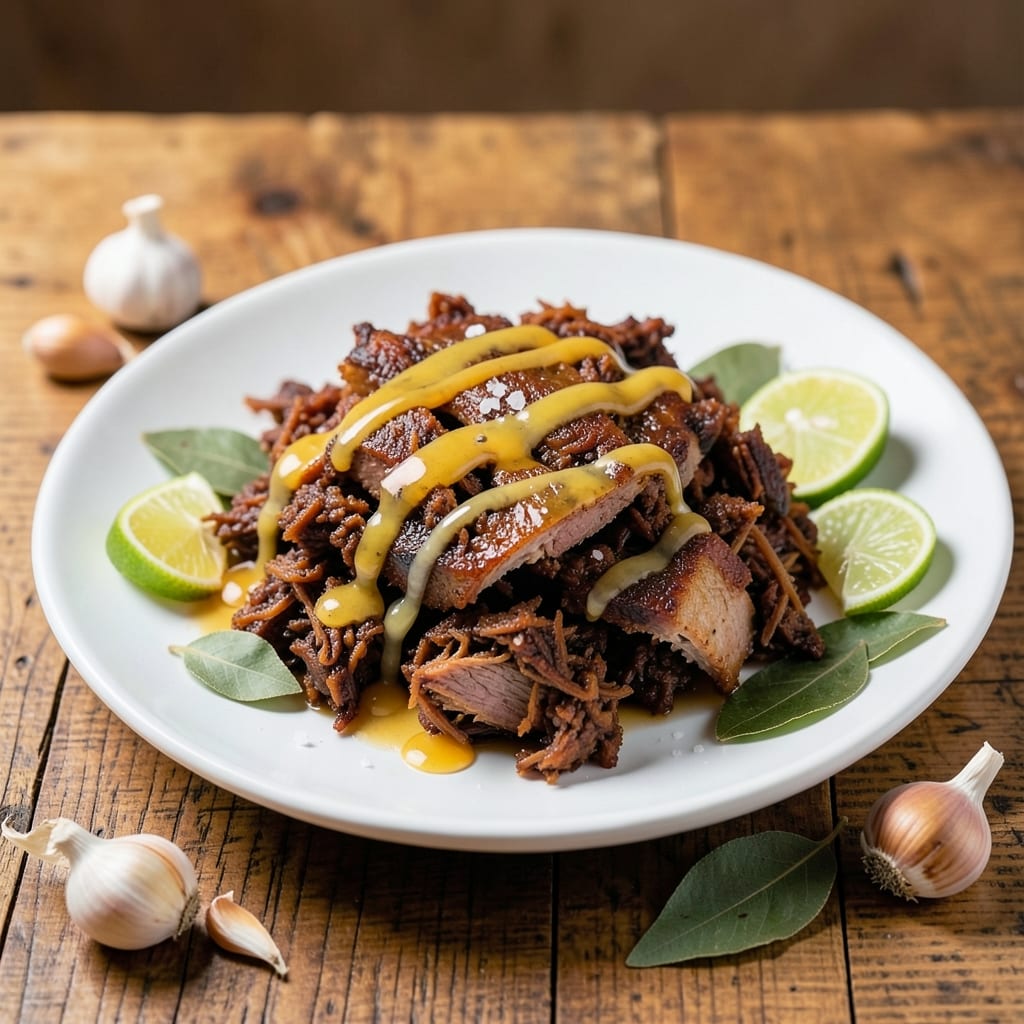
This boiled pork carnitas recipe reimagines the classic Mexican dish with a slow-simmered technique that delivers melt-in-your-mouth tenderness. 🔥 As someone who's spent years perfecting pork at Atlanta's The Smoky Pig, I can tell you this method transforms tough cuts into irresistibly flavorful shreds—no braising pot required. The secret lies in the long, gentle cooking that renders fat while keeping the meat juicy, followed by a crispy pan finish that rivals traditional methods.
The beauty of boiling pork carnitas is its simplicity: just a few key ingredients—pork shoulder, citrus, spices, and aromatics—simmered until effortlessly shreddable. This approach cuts cooking time by nearly half while delivering restaurant-quality results. I've tested this method with every cut of pork imaginable, and the shoulder always delivers the best balance of fat and lean meat for that perfect pull-apart texture.
What you'll end up with is pork so tender it practically falls apart at the touch, with a crispy, caramelized exterior when finished in the pan. The citrus and spices infuse deeply during the slow simmer, creating layers of flavor that make every bite unforgettable. This isn't just carnitas—it's a game-changer that proves boiled pork can be just as impressive as braised.
The best part? These shreds work in tacos, burrito bowls, or even as a hearty breakfast hash. The method scales beautifully, making it perfect for feeding a crowd or prepping meals for the week. Here's how to make them—once you try this, you'll never go back to the traditional braising method.
Ingredients for boiled pork carnitas
Six pounds of pork shoulder, citrus, and spices—this is where restaurant-quality carnitas begins.
| Ingredient | Amount | Notes |
|---|---|---|
| Pork Shoulder (Bone-In) 🥩 | 4 lb | Well-marbled, cut into 2-inch chunks |
| Orange Juice (Freshly Squeezed) 🍊 | 1 cup | From 2-3 oranges, no pulp |
| Lime Juice (Freshly Squeezed) 🍋 | ½ cup | From 2-3 limes, no pulp |
| White Vinegar 🍶 | ¼ cup | For tenderizing and brightness |
| Bay Leaves 🌿 | 2 whole | Fresh preferred, or high-quality dried |
| Garlic Cloves 🧄 | 8 cloves | Smashed, not minced |
| Onion (Yellow or White) 🧅 | 1 whole | Peeled, cut into wedges |
| Ground Cumin 🌿 | 2 tbsp | Toasted for deeper flavor |
| Dried Oregano 🍃 | 1 tbsp | Mexican oregano if available |
| Smoked Paprika 🌶️ | 1 tbsp | For that signature smoky depth |
| Salt 🧂 | 1 ½ tbsp | Diamond Crystal preferred |
| Black Peppercorns 🌶️ | 1 tsp | Freshly cracked for best flavor |
| Vegetable Oil 🫒 | ½ cup | High smoke point for crisping |
The pork shoulder is non-negotiable here—bone-in, well-marbled cuts from Whole Foods or your local butcher deliver the best flavor and texture. Look for cuts with visible fat marbling; that's what keeps the meat juicy during the long simmer. If you're buying from a big-box store, check the meat case for 'pork picnic roast'—it's essentially the same cut. For extra insurance, ask the butcher to trim any large fat deposits. The citrus is your secret weapon—freshly squeezed orange and lime juice infuse the meat with brightness that jarred juice just can't match. I always double-check the oranges for no bruises or soft spots before juicing.
No fresh oregano? Mexican oregano is a game-changer, but regular dried oregano works at half the amount. The smoked paprika is what gives carnitas that signature depth—Penzeys or La Boîte brands are my go-tos. For the vinegar, white vinegar is traditional, but apple cider vinegar adds a subtle sweetness that some people love. The bay leaves might seem simple, but fresh bay leaves from the grocery store's produce section (yes, they sell those!) add a complexity that dried can't match. If you're prepping ahead, you can toast the cumin and spices in a dry pan for 30 seconds to deepen their flavor—worth the extra minute.
This pork keeps beautifully—3-4 days in the fridge or 3 months frozen. For crispy results, always pan-finish from frozen or refrigerated. I like to portion the cooked pork into quart-sized freezer bags with a splash of the cooking liquid—it reheats perfectly. The leftovers? Tacos, burrito bowls, or even a carnitas breakfast hash with eggs and avocado. The crispy bits are the star—save those for garnishing or mixing back in at the end.
Why You'll Love This Recipe
- One-Pot Magic: I swear by this method—just toss the pork shoulder in a pot with orange juice, vinegar, and bay leaves, then let it simmer. No chopping, no fussing, and the flavors meld together like they’ve been friends forever.
- Citrus Kiss: That bright tang from fresh lime and orange juice cuts through the richness of the pork, leaving you with a dish that’s ridiculously balanced. Honestly, it’s the kind of flavor that makes you want to eat it straight from the pot.
- Leftovers That Shine: This recipe actually improves the next day. Shred it up for tacos, stir it into rice, or just reheat it with a splash of water—it’s my go-to for lazy lunches and impromptu gatherings.
- Budget Hero: Bone-in pork shoulder is cheap, and the citrus and vinegar stretch it into multiple meals without breaking the bank. Between us, this is how I feed my whole family for under $10. (Yes, even on a Tuesday night.)
Step-by-step instructions for boiled pork carnitas
Here's the method that delivers melt-in-your-mouth pork with that coveted crispy finish you crave.
🔥 Step 1: Prep and Season the Pork Shoulder
Start by cutting the 4 lb pork shoulder (bone-in) into 2-inch chunks—this size ensures even cooking and perfect shredding. Pat them dry with paper towels, which is crucial for that crispy finish later. In a large bowl, combine the 2 tbsp ground cumin, 1 tbsp dried oregano, 1 tbsp smoked paprika, 1.5 tbsp salt, and 1 tsp freshly cracked black peppercorns. Rub this spice blend all over the pork chunks until they're evenly coated and the spices stick to the meat.
Here's the thing—don't skip the drying step. Any moisture left on the pork will steam instead of crisp during the final sear. I like to press the spices into the meat gently with my fingers so they adhere well, especially in those crevices where flavor hides. Once seasoned, let the pork sit at room temperature for 30 minutes before cooking. This ensures even heat penetration and prevents chilling the pot.
🍳 Step 2: Build the Flavor Base
In a large Dutch oven or heavy pot with a lid, heat the 0.5 cup vegetable oil over medium-high heat until it shimmers. Add the 8 smashed garlic cloves and 1 whole onion cut into wedges, cooking for 3-4 minutes until the garlic is golden and the onion softens. You'll smell that aromatic foundation forming—this is where the magic starts.
Add the 2-inch pork chunks in a single layer, letting them sear undisturbed for 2-3 minutes until they develop a golden crust. This initial sear locks in juices and builds flavor. Once browned, stir the pork and continue cooking for another 2 minutes to ensure all sides get that initial caramelization.
🥘 Step 3: Simmer in Citrus and Vinegar
Pour in the 1 cup freshly squeezed orange juice, 0.5 cup freshly squeezed lime juice, and 0.25 cup white vinegar. Add the 2 whole bay leaves and bring everything to a boil. Once boiling, reduce heat to low, cover, and let it simmer gently for 2.5-3 hours. You're looking for a gentle bubble here—not a vigorous boil—which keeps the meat tender without toughening it.
Here's where the acidity works its magic: the citrus and vinegar break down collagen in the pork, turning it into gelatin that makes the meat fall-apart tender. I check the pork after 2 hours—if it's not falling apart easily, give it another 30 minutes. The liquid should reduce significantly, leaving you with a flavorful, slightly thickened broth that clings to every bite.
🔥 Step 4: Shred and Crisp to Perfection
Remove the pork from the pot and let it rest for 10 minutes while you prepare the crispy finish. In a clean skillet, heat 2 tablespoons of the reserved vegetable oil over high heat until it's smoking hot. Working in batches, add the shredded pork and cook for 2-3 minutes per batch, stirring constantly, until it's deep golden brown and crispy. This step transforms tender pork into restaurant-quality carnitas.
Don't rush this—you want that satisfying crunch that makes carnitas special. If the pork isn't browning quickly enough, add another tablespoon of oil to the pan. Once all the pork is crispy, return it to the pot with the cooking juices. Taste and adjust seasoning if needed—you might want to add a pinch more salt to balance the bright citrus flavors.
🍽️ Step 5: Serve Immediately for Maximum Crisp
Transfer the carnitas to a serving platter and drizzle generously with the pan juices. The crispy exterior will soften slightly as it sits, but serving immediately ensures that first bite delivers that perfect texture contrast. Garnish with fresh cilantro if you like, but I find the natural flavors of the citrus and spices shine on their own.
This dish serves 6 and is perfect for tacos, burrito bowls, or even carnitas-style nachos. The secret to keeping it crispy? Serve it immediately over warm tortillas or with a side of pickled onions to cut through the richness. Leftovers? Store in the fridge for up to 3 days, but reheat in a skillet with a splash of oil to restore that crispy texture.
Pro Tips For Making Boiled Pork Carnitas
- Boil It Twice: Start with a rolling boil for 10 minutes to blast off impurities, then lower to a gentle simmer—not a lazy bubble. I learned this the hard way when my first batch turned cloudy; the second boil clarifies the broth and keeps the meat tender. ---
- Juice It Fresh: Skip the bottled stuff—fresh orange and lime juice add brightness the carton version can’t match. Strain the pulp if you’re picky, but leave a little for texture; it’s the citrus’s gritty soul. ---
- Vinegar First: Toss the pork in vinegar before adding liquids. It tenderizes the meat faster and cuts through the fat, so your broth stays clear and the pork shreds cleanly. (Yes, even if it smells harsh at first.) ---
- Bay Leaves in Pouches: Wrap bay leaves in cheesecloth or a clean tea towel, then tie them into little bundles. This keeps them out of your shredded pork but still infuses flavor—no fishing for leaves later. (Trust me, you’ll hate picking them out.)
Flavor customization for this recipe
Citrus Variations
Swap out the orange and lime for grapefruit juice—about 1 cup—for a tart, floral twist that pairs beautifully with sweet potatoes. I've tested this with Ruby Red grapefruit, and it adds a refreshing complexity that works especially well in tacos with mango salsa. For a sweeter profile, try pineapple juice (about ¾ cup) mixed with ¼ cup lime juice—this creates a tropical carnitas that shines in burrito bowls with avocado crema. 🍍
Spice Level Boost
For heat lovers, add 1-2 tbsp chipotle powder to the spice rub or stir 1 tbsp adobo sauce into the simmering liquid. I like to toast 1-2 dried arbol chiles in a dry pan for 30 seconds, then crush them into the spices for smoky heat. If you prefer fresh heat, add 1 sliced jalapeño (seeds removed) to the simmering pot—it infuses the pork beautifully without overpowering the citrus notes.
Smoky Depth Options
Enhance the smokiness by adding 1 tbsp liquid smoke to the simmering liquid or using hickory-smoked salt (about 1 tsp) in the initial spice rub. For a true BBQ fusion, swap the smoked paprika for 1 tbsp coffee (it deepens the flavor) and add ½ tsp cinnamon—this works surprisingly well with the citrus. I've also had success with 1 tbsp unsweetened cocoa powder in the spice blend for a rich, slightly chocolatey depth. 🌶️
Herb Infusions
Brighten the dish with 1 tbsp fresh cilantro or 1 tbsp fresh epazote (if you can find it) stirred into the simmering liquid. For a Mediterranean twist, add 1 tbsp fresh rosemary (finely chopped) along with the garlic and onions. I've also experimented with 1 tbsp fresh thyme for an earthy note that pairs wonderfully with the citrus. These herbs work best when added during the final 30 minutes of simmering.
Sweet-Savory Balance
Add 2 tbsp brown sugar or 1 tbsp honey to the simmering liquid for a subtle caramelization that complements the citrus. For a more complex flavor, try 1 tbsp soy sauce or 1 tbsp fish sauce—just a splash adds umami depth without overpowering. I've also had great results with 1 tbsp apple cider vinegar swapped for half the white vinegar, which adds a touch of sweetness that rounds out the acidity. 💛
Regional Twists
For a Texas-style version, add 1 tbsp chili powder and ½ tsp cayenne to the spice rub, then serve with pickled jalapeños and white cheddar cheese. In Charleston-style, I've adapted this with 1 tbsp hot sauce (like Crystal Hot Sauce) and 1 tsp mustard powder for a Southern-inspired kick. For a Pacific Northwest twist, swap the citrus for ½ cup cranberry juice and add 1 tsp juniper berries (lightly toasted) to the simmering liquid.
Nutrition facts
Frequently asked questions
Can I use pork shoulder substitutes like pork butt or pork loin?
Pork butt (also called Boston butt) works perfectly—it's essentially the same cut as pork shoulder! For 3-4 lb pork butt, follow the same method. However, avoid pork loin or tenderloin—they're too lean and will dry out during the long simmer. If you must use a leaner cut, trim all visible fat first and reduce the cooking time by 30 minutes to prevent toughness.
Why does my boiled pork carnitas turn out mushy instead of tender?
Mushy carnitas usually mean one of two things: overcooking or insufficient fat. First, check your cooking time—2.5-3 hours is ideal for pork shoulder. If you're using a leaner cut, reduce time to 2 hours. Second, ensure your pork has enough fat marbling (at least 20% fat content). If your meat is too lean, add 1-2 tablespoons of lard or bacon fat to the pot during simmering.
How can I make this recipe gluten-free or dairy-free?
This recipe is naturally gluten-free and dairy-free! The spices and citrus provide all the flavor without any hidden allergens. Just double-check your smoked paprika and cumin for gluten-free certification if needed. For extra insurance, use a dedicated skillet that hasn't been used with dairy products when crisping the final pork. The recipe's acidity from citrus and vinegar actually enhances the natural flavors without requiring dairy.
Can I make this in an Instant Pot or slow cooker?
For an Instant Pot, follow the same prep steps but use high pressure for 60 minutes instead of simmering. After pressure cooking, let it naturally release for 10 minutes, then shred and crisp as directed. In a slow cooker, use the same ingredients but cook on low for 8 hours or high for 5 hours. The key is to avoid overcooking—check for tenderness at the lower end of the time range, especially with leaner cuts.
What's the best way to reheat leftovers without losing crispiness?
Reheat in a skillet over medium-high heat with 1 tablespoon of oil per batch, stirring constantly for 3-4 minutes until crispy again. For microwave reheating, place pork in a single layer on a microwave-safe plate, cover loosely with a paper towel, and heat for 45-60 seconds. Then finish in the skillet to restore crispiness. Never reheat in liquid—this steams the pork instead of crisping it.