
Main Courses
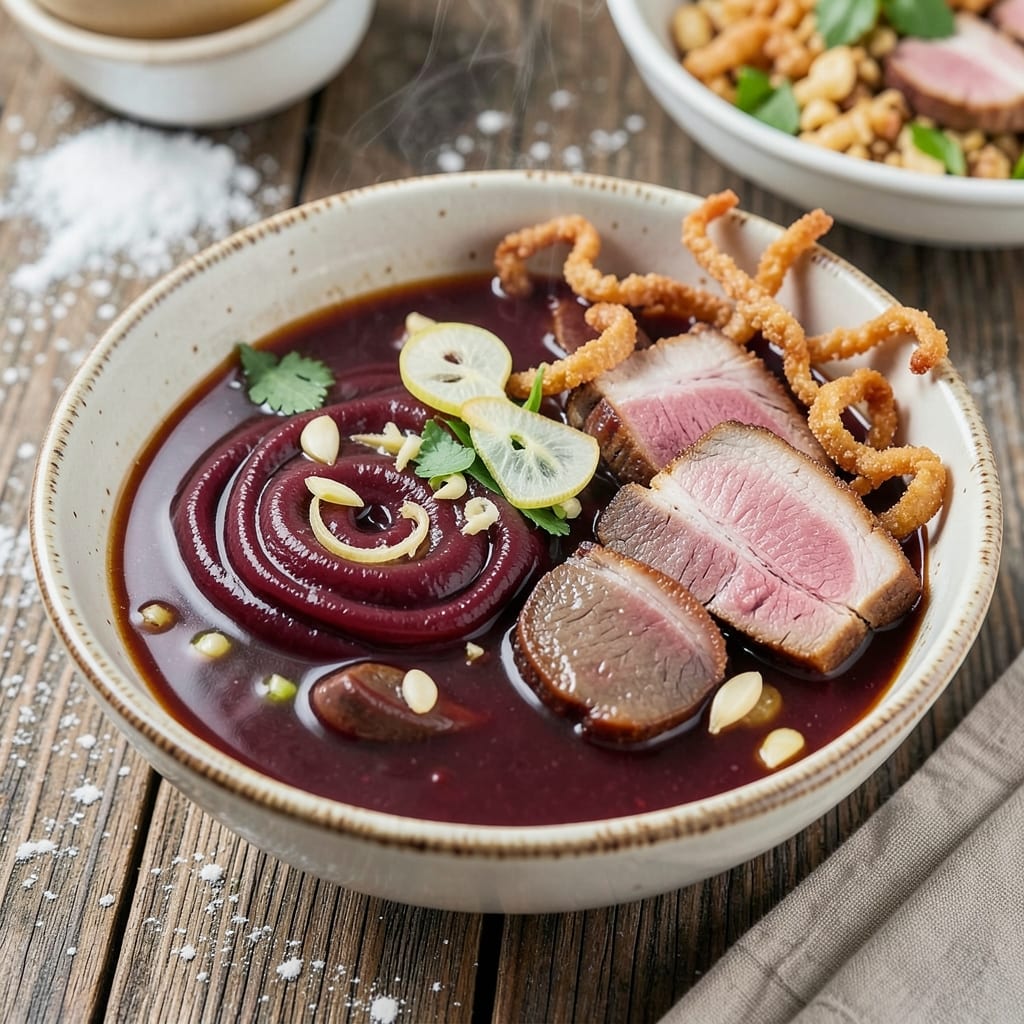
This batchoy recipe with pork blood delivers the soul-warming comfort of Filipino home cooking, where rich umami broth meets tender noodles and traditional toppings. 💛 The secret lies in the blood—carefully simmered to create a deep, savory depth that transforms simple ingredients into something extraordinary. I first discovered batchoy during a trip to the Philippines, where it became my go-to meal for cold evenings, and now I’m sharing the authentic technique that brings its comforting flavors to your kitchen.
The key to perfect batchoy is patience—simmering the broth for hours to develop its complex flavor while incorporating the pork blood gradually. This method ensures the broth remains rich without becoming overly metallic, creating a balance that’s both hearty and delicate. The dish is traditionally served with thin egg noodles, crispy chicharon, liver, and vegetables, but the real magic happens in the broth itself—where the blood’s umami harmonizes with garlic, ginger, and soy sauce.
What makes this recipe special is how it transforms humble ingredients into a deeply satisfying meal. The pork blood adds a layer of richness that’s hard to replicate, while the slow simmering process ensures every spoonful is packed with flavor. It’s the kind of dish that feels like a warm hug on a chilly day, perfect for sharing with family or enjoying as a comforting solo meal.
Ready to experience the comfort of Filipino home cooking? This batchoy recipe is a celebration of tradition and flavor, where every bite tells a story. Let’s get started on creating a dish that’s as nourishing as it is delicious.
Ingredients for batchoy recipe with pork blood
Rich umami broth meets tender noodles and traditional toppings for this soul-warming Filipino comfort dish.
| Ingredient | Amount | Notes |
|---|---|---|
| Pork Blood 🩸 | 1 cup | Fresh, from butcher preferred |
| Pork Shoulder 🥩 | 1 ½ lb | Cut into 1-inch cubes |
| Pork Liver 🍖 | ½ lb | Cut into thin slices |
| Pork Chicharon 🍟 | ½ lb | Crispy pork rinds |
| Garlic Cloves 🧄 | 8 cloves | Minced for broth |
| Fresh Ginger 🌿 | 1 inch | Thinly sliced |
| Yellow Onion 🧅 | 1 whole | Thinly sliced |
| Garlic Chives 🌱 | ¼ cup | Chopped for garnish |
| Egg Noodles 🍜 | 8 oz | Fresh or dried |
| Soy Sauce 🍶 | ¼ cup | Dark soy preferred |
| Fish Sauce 🐟 | 2 tbsp | Authentic Filipino brand |
| Black Peppercorns 🌶️ | 1 tsp | Crushed for depth |
| Sesame Oil 🫒 | 1 tbsp | For finishing |
| Calamansi or Lemon Juice 🍋 | 1 tbsp | For brightness |
| Salt 🧂 | 1 tsp | Adjust to taste |
The pork blood is the heart of batchoy—fresh from a trusted butcher makes all the difference. Look for blood that's bright red and free of clots. For the pork shoulder, bone-in cuts add extra flavor to the broth, but boneless works too. The liver and chicharon should be fresh—Filipino markets or specialty Asian grocers carry the best quality. If you can't find pork blood, substitute with extra pork liver or beef blood, but the flavor won't be identical. The garlic and ginger need to be fresh—dried spices just won't give the same aromatic punch.
No fish sauce? Soy sauce plus a dash of Worcestershire works in a pinch, though it won't be exactly the same. Short on chicharon? Crispy pork belly or even potato chips add a similar crunch. For the noodles, fresh egg noodles are ideal, but dried spaghetti in a bind works—just cook them al dente. The soy sauce should be dark—Lee Kum Kee or Pearl River Bridge brands are excellent. If you can't find calamansi, lemon juice with a pinch of salt mimics its tangy brightness. The sesame oil is for finishing—toasted sesame oil has more flavor than the regular kind.
Pork blood keeps for 3 days in the fridge if stored in a sealed container with a layer of water on top. The broth can be made ahead and reheated—it actually tastes better the next day as flavors meld. Store leftovers in airtight containers for up to 5 days. For the noodles, cook them just before serving to prevent sogginess. The chicharon stays crispy for 2 weeks if stored in a sealed container. Freeze the broth in 1-cup portions for quick meals later.
Why You'll Love This Recipe
- One-Pot Magic: I swear by this recipe because it’s literally one pot—no chopping boards, no extra pans. Just slice the pork shoulder thin, toss in the liver and chicharon, and let the blood (yes, that’s the secret) thicken into a rich, velvety broth. Honestly, my counters stay cleaner than my kitchen when I make this.
- Umami Bomb: That pork blood isn’t just an ingredient—it’s the star. It turns the broth into something deep, almost like a cross between a hearty soup and a savory stew. The garlic cloves? They caramelize right into the mix, adding a sweet, crisp bite that cuts through the richness. My picky-eater husband doesn’t even complain about the liver anymore.
- Crowd-Pleaser Flex: This dish works for everything—weeknight dinners, Sunday family feasts, or even a last-minute potluck. I’ve served it to college kids on a budget, to my grandma’s friends who “don’t eat weird things,” and to my date (who asked for seconds before dessert). Between us, the chicharon bits make it irresistible to kids, and the broth keeps adults coming back.
- Budget Winner: Pork blood and offcuts like liver and shoulder? That’s how you stretch a meal without stretching your wallet. A single batch feeds four for under $10, and the leftovers? Better than takeout. I’ll be real: I’ve reheated this for lunch the next day, and no one’s ever noticed. That’s the kind of practical magic I live for.
Step-by-step instructions for batchoy with pork blood
Master this Filipino classic with a rich, umami-packed broth that balances hearty pork and delicate noodles.
🔥 Step 1: Prepare the Blood Broth Base
In a large stockpot, combine the 1 cup pork blood with 1.5 lb pork shoulder and 0.5 lb pork liver. Add 1 whole yellow onion, 1 inch fresh ginger, and 8 cloves garlic cloves. Bring to a gentle simmer over medium-low heat—this prevents the blood from curdling. Stir occasionally while the mixture cooks for 15-20 minutes until the pork shoulder becomes tender and the broth develops a deep mahogany color.
Here's the thing—pork blood thickens quickly when heated, so maintain a low simmer (small bubbles at the bottom) rather than a rolling boil. Skim off any foam that rises to the surface to keep the broth clear. The liver will break down and infuse the broth with richness, so don't remove it until the very end.
🍳 Step 2: Build Umami Depth with Aromatics
Once the pork shoulder is fork-tender, remove the liver and discard it (unless you're using it for another dish). Add 0.25 cup soy sauce, 2 tbsp fish sauce, and 1 tsp crushed black peppercorns to the pot. Stir well and let the broth simmer uncovered for another 10 minutes to allow the flavors to meld. The aroma should be bold and savory—this is where the authentic umami character develops.
Taste the broth and adjust seasoning if needed. The soy sauce and fish sauce should harmonize perfectly, but if it needs brightness, add 1 tbsp calamansi or lemon juice now. The broth should coat the back of a spoon with a silky texture—this is your target consistency for the perfect batchoy base.
🥘 Step 3: Cook the Noodles and Assemble
While the broth simmers, prepare the 8 oz egg noodles by boiling them in salted water until al dente (about 3-4 minutes for fresh noodles, 5-6 minutes for dried). Drain and set aside. In the same pot, add 0.5 lb pork chicharon and let them crisp slightly for 2 minutes—just enough to reactivate their texture without burning.
Divide the cooked noodles among four deep bowls. Ladle the hot broth over the noodles, then arrange the pork shoulder cubes and pork chicharon on top. The contrast of crispy chicharon against the silky noodles and rich broth creates the signature batchoy texture.
🔪 Step 4: Finish with Garnishes and Serve
Drizzle each serving with 1 tbsp sesame oil and sprinkle generously with 0.25 cup chopped garlic chives. The sesame oil adds a nutty aroma that complements the umami broth, while the chives provide a fresh finish. Serve immediately while the noodles are hot and the broth maintains its silky consistency.
This dish is all about balance—each bite should deliver tender pork, hearty noodles, and a deeply flavorful broth. The pork blood gives it that signature richness, while the chicharon adds texture. Don't skip the sesame oil—it's the secret to that restaurant-quality finish.
Pro Tips For Making Batchoy Recipe With Pork Blood
- Simmer Blood Slowly: Pork blood curdles fast—keep the heat at a gentle simmer (just bubbles, not rolling) once it hits the pot. I learned this the hard way when my first batch turned into a gloppy mess instead of smooth, rich broth. ---
- Sear Shoulder First: Brown the pork shoulder in batches before adding other ingredients. The crust locks in flavor and prevents the broth from turning cloudy later—trust me, your batchoy will taste deeper if you skip the raw chunks. ---
- Cut Liver Thin: Slice pork liver paper-thin (¼-inch max) so it cooks fast and stays tender. Thick slices turn rubbery, and nobody wants that in their batchoy—especially when the blood’s already making the dish rich. ---
- Toast Chicharon Crisp: Fry chicharon until it’s golden and sizzles loudly—this adds crunch that cuts through the richness. I used to skip this, but now I know it’s the thing that makes the dish feel complete.
Make-ahead tips for this recipe
Broth Prep Ahead
Make the broth the night before—it develops deeper flavor as it rests. After simmering, let it cool to room temperature, then refrigerate in an airtight container. The fat will solidify on top, so skim it off before reheating. I find the broth tastes even richer the next day, with all the umami flavors melding together perfectly. 💫
Noodle Prep Shortcut
Cook and drain your noodles ahead of time, then store them in a sealed container with a drizzle of sesame oil to prevent sticking. When ready to serve, just reheat them in hot broth for 1-2 minutes—they’ll absorb the flavors beautifully. This saves 10 minutes of prep when you're ready to assemble.
Blood Broth Storage
If you're not using all the broth immediately, freeze it in 1-cup portions in silicone molds or ice cube trays. Once frozen, transfer to a freezer bag. Thaw overnight in the fridge before reheating—never microwave directly from frozen. The texture stays silky when reheated gently on the stovetop with a splash of water.
Toppings Assembly
Prep all your toppings—chopped garlic chives, sliced liver, and crispy chicharon—while the broth reheats. Store them separately in small containers so they stay fresh. When serving, simply assemble everything at the table for that restaurant-style presentation. The chicharon stays crispy for 2 weeks in an airtight container, so you can prep it days ahead.
Make-Ahead Serving
For a complete make-ahead meal, cook the noodles and assemble everything in bowls (without broth), then refrigerate. When ready to serve, just reheat the broth and pour it over the assembled components. The noodles will soften slightly but maintain their texture. This is perfect for meal prep—just reheat and enjoy! ⏰
Broth Flavor Boost
If your broth tastes flat after reheating, add a splash of fish sauce or a pinch of black peppercorns to revive the flavors. For extra richness, stir in 1 tbsp soy sauce while reheating. The pork blood broth actually improves with reheating, so don’t hesitate to make extra for future meals.
Nutrition facts
Frequently asked questions
Why does pork blood give batchoy its rich flavor?
The pork blood adds a deep, meaty umami richness that's hard to replicate with other ingredients. When simmered properly, it breaks down into the broth, creating that signature hearty depth that makes batchoy so satisfying. Think of it as nature's way of infusing extra savory complexity into every spoonful!
Can I make batchoy without pork blood?
Yes, but the flavor will be different. For a substitute, use extra pork liver (1 lb) or beef blood (1 cup)—both add richness, though pork blood gives that authentic Filipino taste. If you're vegetarian, consider a hearty mushroom broth with soy sauce and miso for umami depth instead.
How do I prevent the broth from getting too metallic-tasting?
Keep the heat at a gentle simmer (small bubbles) and never let it boil vigorously. Skim off any foam that forms, and remove the liver once the pork is tender. The key is patience—simmering slowly for 30-45 minutes total develops flavor without overcooking the blood's delicate taste.
What's the best way to reheat leftover batchoy?
Reheat the broth separately on the stovetop over low heat, then pour it over the noodles and toppings. For extra richness, add a splash of fish sauce or a drizzle of sesame oil. The noodles will soften slightly but stay delicious. Never microwave the broth directly—it can make it greasy.
Can I use dried noodles instead of fresh?
Dried spaghetti or ramen works well—just cook it 1 minute less than package instructions to keep it al dente. For extra authenticity, look for egg noodles labeled "fresh" even if they're dried. The key is to cook them just before serving so they don't get mushy in the broth.